A car alarm is designed to protect your vehicle from theft and vandalism, but a malfunctioning alarm can be a major source of frustration. If your car alarm is constantly going off for no apparent reason, it's time to investigate. This guide will walk you through the most common causes of false alarms and how to troubleshoot them, so you can restore peace of mind and avoid annoying your neighbors.
Understanding the root cause is crucial before attempting any fixes. Ignoring a persistent false alarm can lead to a dead battery, further system damage, and potential legal issues in some residential areas. This guide will provide you with a systematic approach to identify and address the underlying problem.
Remember, safety is paramount. If you're uncomfortable working on your car's electrical system, consult a qualified mechanic. This guide is for informational purposes only, and we are not liable for any damage caused by attempting these repairs.
Step 1: Check Your Key Fob
Faulty Key Fob Battery or Programming
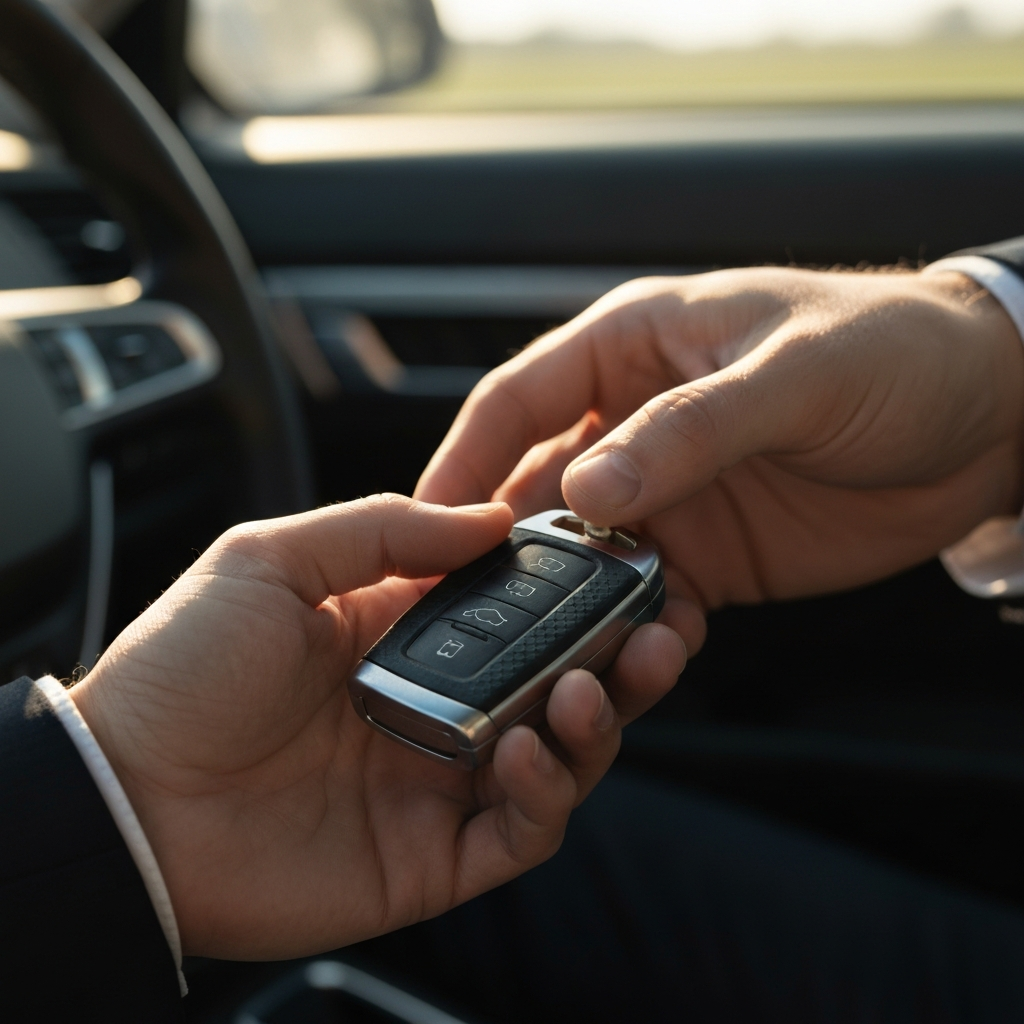
Many modern vehicles use key fobs for remote locking, unlocking, and starting. A key fob that isn't functioning correctly can inadvertently trigger the alarm system. This often happens when the fob battery is weak or dead, preventing the car from recognizing the signal and assuming an unauthorized entry. A dying battery might send intermittent signals, causing sporadic alarm activations. Another possible issue is a corrupted or lost fob programming, which means the car no longer recognizes the fob as authorized.
Step 2: Inspect Door, Hood, and Trunk Sensors
Dirty, Damaged, or Misaligned Sensors
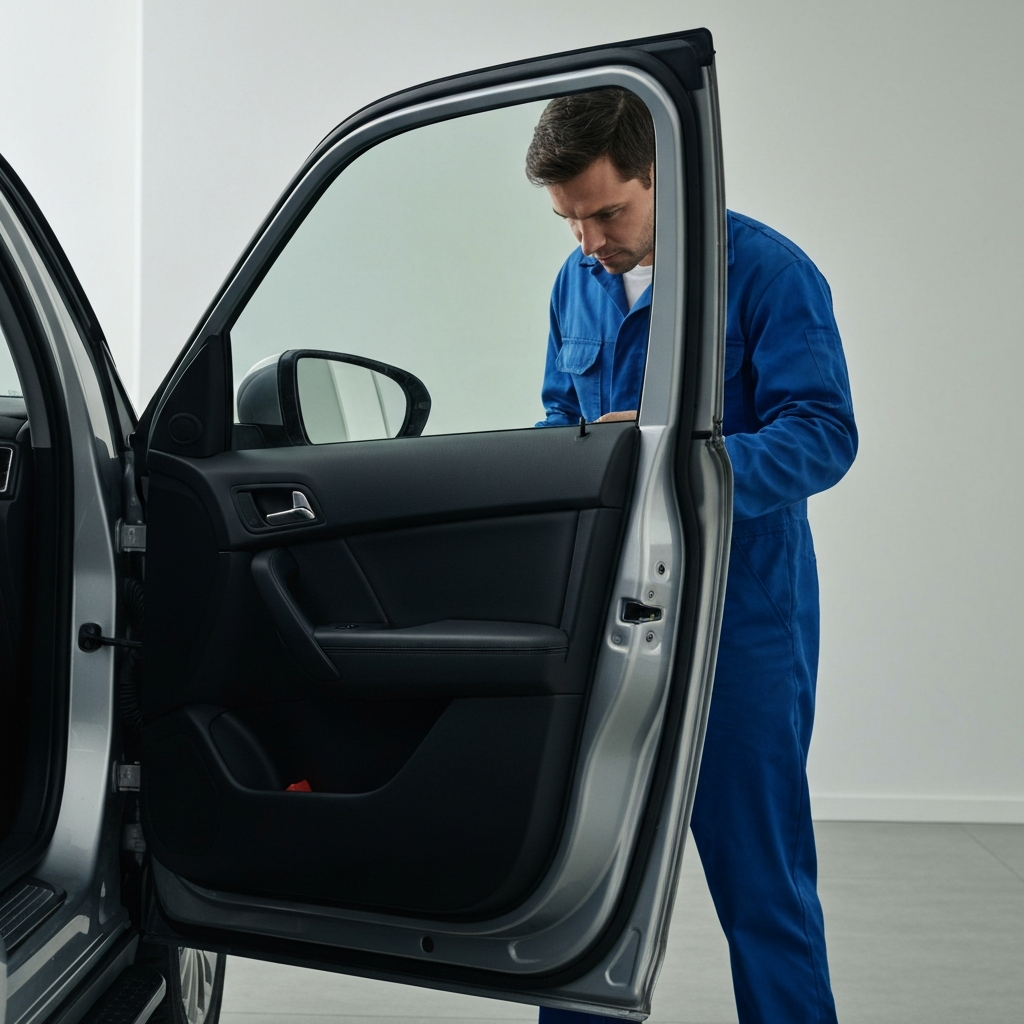
Your car's alarm system relies on sensors to detect unauthorized entry. These sensors are typically located in the door jambs, hood latch, and trunk latch. Over time, these sensors can become dirty, corroded, or misaligned, leading to false alarms. Dirt and debris can interfere with the sensor's ability to accurately detect whether the door, hood, or trunk is properly closed. Water damage, especially in humid climates, can also corrode the sensors and their wiring, causing intermittent malfunctions. A misaligned sensor might trigger the alarm if it doesn't make full contact when the door, hood, or trunk is closed.
Step 3: Examine the Car Battery's Health
Low Voltage or Loose Terminals
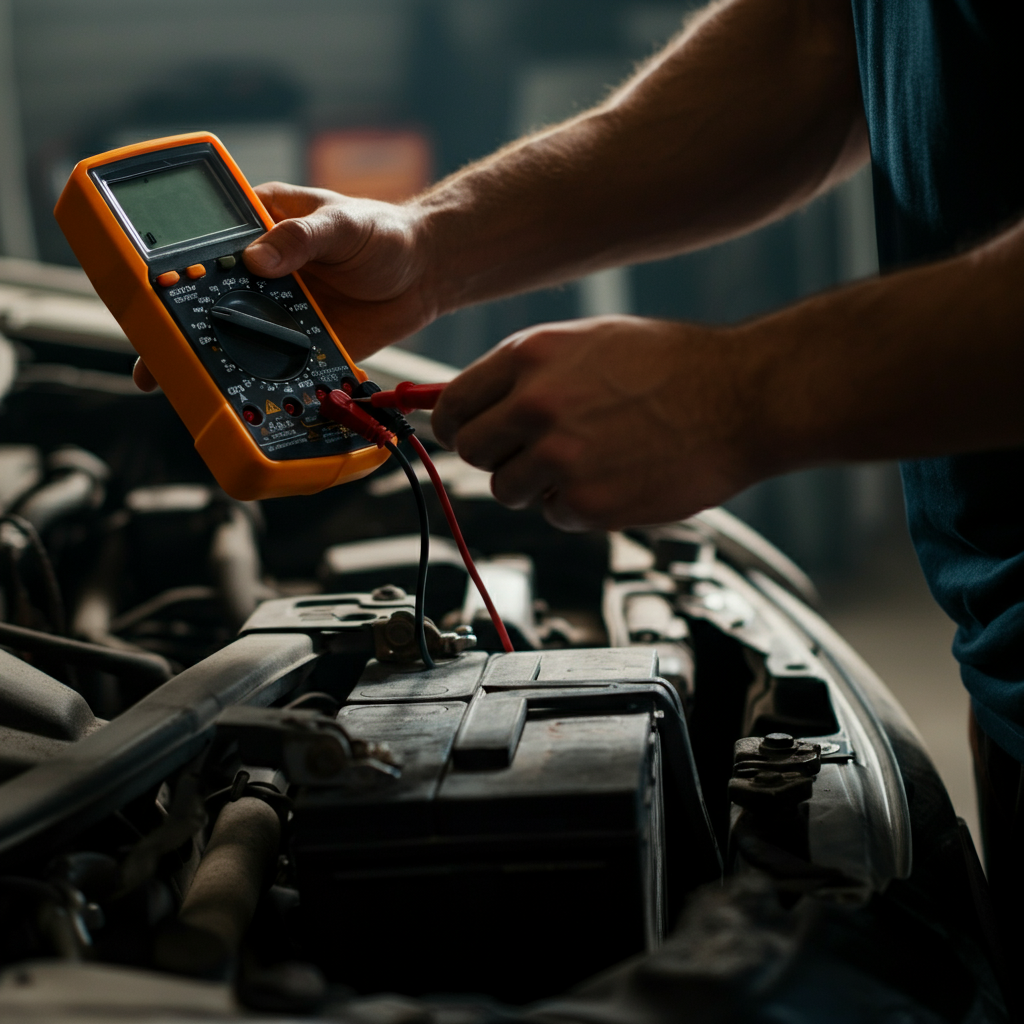
A weak or failing car battery can cause a wide range of electrical problems, including triggering the alarm system. When the battery voltage drops below a certain threshold, the alarm system may interpret this as a security breach and activate. Furthermore, loose or corroded battery terminals can also cause voltage fluctuations, leading to erratic alarm behavior. Even if the battery seems relatively new, it's worth checking the voltage and terminal connections to rule out this potential cause.
Step 4: Evaluate Environmental Factors
Sensitivity to External Stimuli
Car alarms are designed to be sensitive to vibrations and movement, but sometimes they can be *too* sensitive. Environmental factors like strong winds, heavy rain, nearby construction, or even loud noises can trigger the alarm, especially if the sensitivity is set too high. Aftermarket alarms are sometimes more prone to environmental triggers, particularly if not properly calibrated. If you live in an area prone to these conditions, consider adjusting the alarm's sensitivity or parking your car in a more sheltered location.

Step 5: Investigate Aftermarket Alarm Installation
Improper Installation or Wiring Issues
If your car alarm was installed aftermarket, a poor installation job can be a major source of problems. Incorrect wiring, loose connections, or improper sensor placement can all lead to false alarms. DIY alarm installations are particularly prone to errors, as they often lack the precision and expertise of a professional installation. If you suspect a problem with the installation, it's best to have it inspected by a qualified technician.

Tools or Materials Required
- Screwdriver set (various sizes)
- Multimeter
- Battery terminal cleaner
- Wire brush
- Replacement key fob battery
- Car manual
Common Mistakes to Avoid
- Ignoring warning signs like a consistently weak car battery.
- Attempting complex electrical repairs without proper knowledge or tools.
- Disregarding the car's manual for specific alarm system information.
- Over-tightening battery terminals, which can damage them.
Safety Considerations
- Always disconnect the negative battery terminal before working on the car's electrical system.
- Wear safety glasses to protect your eyes from debris and potential sparks.
- Work in a well-ventilated area to avoid inhaling harmful fumes.
- If you're unsure about any step, consult a qualified mechanic.
Pro Tips
- Regularly clean your car's door jambs and hood latch areas to prevent dirt buildup.
- Consider investing in a battery tender to keep your car battery fully charged, especially if you don't drive frequently.
- If you're experiencing frequent false alarms, consider having the alarm system professionally diagnosed and serviced.
FAQ Section
- Q: Can I just disable my car alarm permanently?
- A: While it's possible to disable your car alarm, it's generally not recommended. The alarm system provides valuable protection against theft and vandalism. Disabling it leaves your vehicle vulnerable.
- Q: How do I find the fuse for my car alarm?
- A: The location of the fuse for your car alarm will vary depending on the make and model of your vehicle. Consult your car's owner's manual for the fuse box diagram and identify the fuse labeled "alarm" or "security system."
- Q: How much does it cost to replace a key fob?
- A: The cost of replacing a key fob can vary widely depending on the make and model of your vehicle, as well as the complexity of the fob. Expect to pay anywhere from $150 to $400 for a replacement fob and programming.
Conclusion
Troubleshooting a car alarm that keeps going off can be a frustrating process, but by following these steps, you can systematically identify and address the underlying cause. Remember to prioritize safety and consult a qualified mechanic if you're uncomfortable working on your car's electrical system. By taking the time to diagnose and fix the problem, you can restore peace of mind and protect your vehicle from potential theft and damage.