That strange noise your car is making can be incredibly frustrating. Is it a minor annoyance, or a sign of impending doom? Before you rush to the mechanic and potentially face a hefty bill, there are several steps you can take to diagnose the problem yourself. With a little patience and careful observation, you can often pinpoint the source of the sound and determine the severity of the issue.
This guide will walk you through a systematic approach to identifying and understanding common car noises. We’ll cover everything from identifying the type of sound to linking it to specific components and systems. Remember, safety is paramount. If you are uncomfortable working on your car, or if the noise indicates a potentially dangerous problem (like brake failure), seek professional help immediately.
By following these steps, you'll be better equipped to describe the noise to a mechanic (if needed), potentially saving you time and money on diagnostic fees. Let’s get started!
Step 1: Identify the Type of Noise
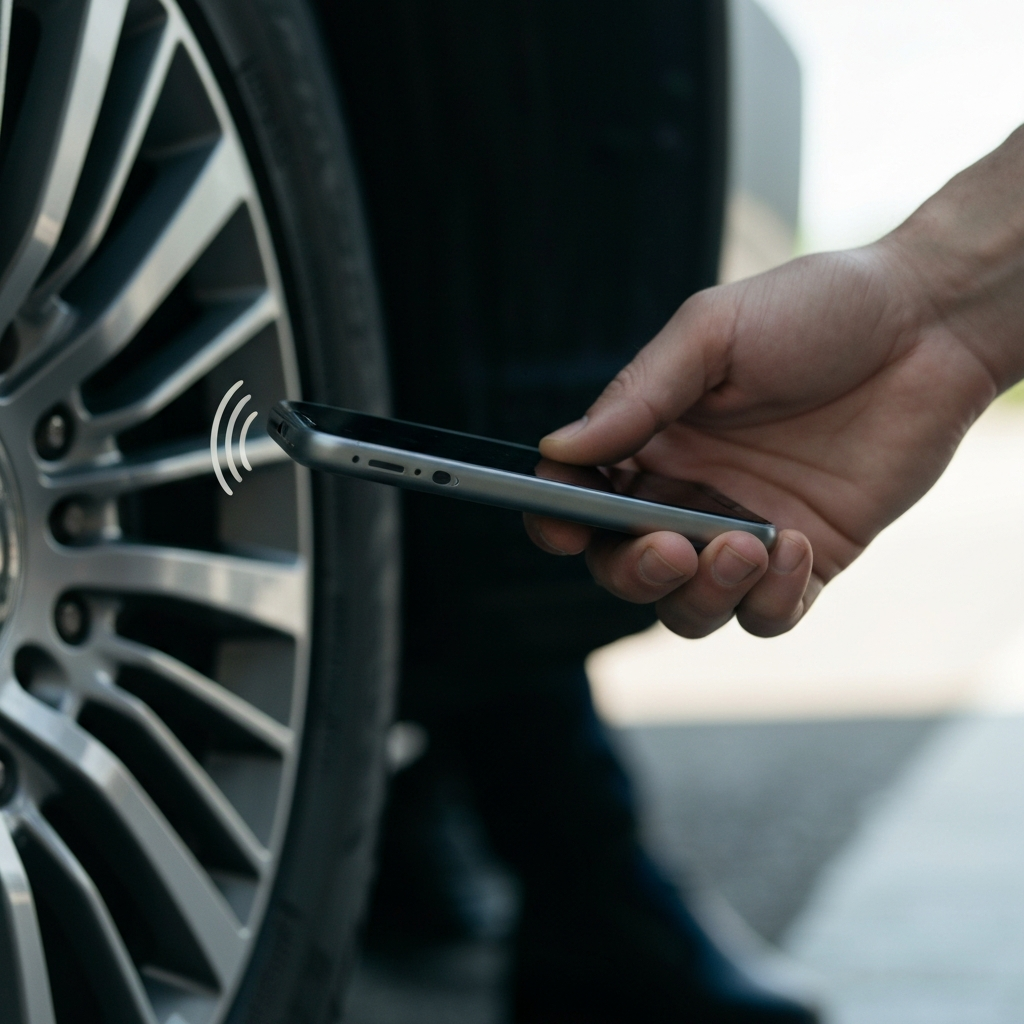
The first step is to accurately describe the sound you're hearing. Is it a squeal, a grinding, a clunk, a rattle, a hum, or something else entirely? Pay close attention to the pitch (high or low), the intensity (loud or soft), and the rhythm (constant, intermittent, or cyclical). A precise description will significantly narrow down the possibilities. For example, a high-pitched squeal is often associated with worn brake pads, while a low-pitched grinding could indicate a problem with a wheel bearing or suspension component. Try to record the sound with your phone, as this can be invaluable for later analysis and when consulting a mechanic.
Step 2: Determine When the Noise Occurs
Next, determine the specific conditions under which the noise occurs. Does it happen only when you start the engine, when you're driving at a certain speed, when you turn the steering wheel, or when you apply the brakes? Note whether the noise is present when the engine is cold or only after it has warmed up. Does it change or disappear when you accelerate, decelerate, or go over bumps? The more information you gather about the circumstances surrounding the noise, the easier it will be to pinpoint its origin. For example, a noise that only occurs when turning might point to a problem with the power steering system or a worn CV joint.

Step 3: Pinpoint the Location of the Noise
Try to determine where the noise is coming from. Is it from the front, the rear, the engine compartment, or underneath the car? This might require having a passenger help you listen while you drive (safely!). If possible, drive slowly in a quiet area with the windows down to get a better sense of the location. If the noise is coming from inside the car, check for loose items in the glove compartment, door pockets, or under the seats. If it seems to be coming from the engine compartment, carefully open the hood and listen while the engine is idling (be extremely careful around moving parts!). Consider the sound's directionality. Does it seem to be coming from the left or right side of the vehicle?

Step 4: Check Common Culprits Under the Hood
If you suspect the noise is coming from the engine compartment, there are a few common culprits you can check. Carefully inspect the belts and pulleys. Look for signs of wear, cracks, or looseness. A squealing belt is a common cause of noise, particularly when the engine is first started. Also, check the fluid levels (oil, coolant, power steering fluid). Low fluid levels can sometimes cause noises as pumps struggle to operate. Remember to never remove the radiator cap when the engine is hot, as this can cause severe burns. Listen for hissing sounds, which could indicate a vacuum leak.

Step 5: Inspect the Brakes
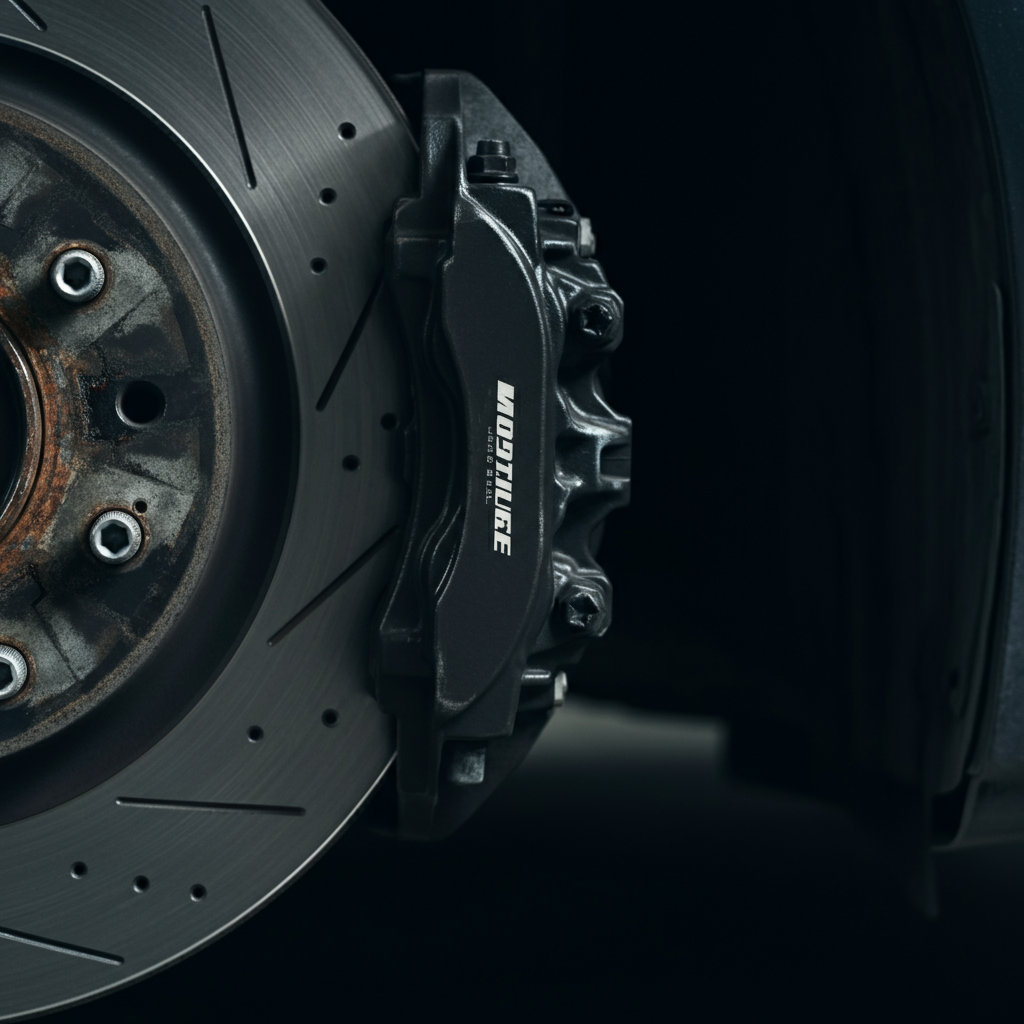
Brakes are a frequent source of car noises. Squealing or grinding noises when you apply the brakes usually indicate worn brake pads. A metallic scraping sound could mean that the brake pads are completely worn down and the rotors are being damaged. You can visually inspect the brake pads by looking through the spokes of the wheel (you may need a flashlight). Look for the thickness of the brake pad material. If it's thin or nonexistent, it's time for a brake job. Also, check the brake rotors for grooves or scoring. If you notice any of these signs, it's best to have the brakes inspected by a professional.
Step 6: Check Suspension Components
Noises like clunking, rattling, or creaking when you go over bumps often indicate problems with the suspension system. These noises can be caused by worn shocks or struts, damaged bushings, or loose ball joints. Visually inspect the shocks and struts for leaks or damage. Look for cracks or tears in the rubber bushings. While it can be difficult to diagnose suspension problems without specialized tools, a visual inspection can often reveal obvious issues. If you suspect a suspension problem, it's crucial to have it checked by a mechanic, as worn suspension components can affect your car's handling and safety.
Tools or Materials Required
- Flashlight
- Gloves
- Jack and Jack Stands (for safe undercarriage inspection)
- Wheel Chocks
- Recording device (Smartphone)
Safety Considerations
Working on your car can be dangerous if you're not careful. Always use jack stands when working under a vehicle. Never work under a vehicle supported only by a jack. Wear gloves to protect your hands. Disconnect the negative terminal of the battery before working on any electrical components. Be extremely careful around moving parts when the engine is running. If you're unsure about any procedure, it's best to consult a professional mechanic.
Common Mistakes to Avoid
A common mistake is to ignore a noise in the hope that it will go away. Often, noises are early warning signs of a bigger problem, and delaying repairs can lead to more expensive damage. Another mistake is to misdiagnose the noise and attempt to fix the wrong problem. This can waste time and money and potentially create new problems. Always take the time to accurately identify the noise and its source before attempting any repairs.
FAQ Section
- Q: What does a ticking noise in the engine usually mean?
- A: A ticking noise can have several causes, including low oil, a valve train issue, or an exhaust leak. It's best to have it checked by a mechanic.
- Q: Why is my car making a humming noise at high speeds?
- A: A humming noise at high speeds could indicate a wheel bearing problem or tire noise. Try rotating your tires to see if the noise changes. If not, it's likely a wheel bearing issue.
- Q: What does it mean when my car makes a clicking noise when turning?
- A: A clicking noise when turning is often a sign of a worn CV joint.
Conclusion
Diagnosing car noises can be challenging, but by following these steps, you can greatly increase your chances of identifying the problem. Remember to be observant, methodical, and prioritize safety. Even if you can't fix the problem yourself, understanding the noise will help you communicate effectively with your mechanic and potentially save time and money. When in doubt, always seek professional assistance. Good luck!