Running out of gas is an experience most drivers dread, but it's more common than you might think. Beyond the immediate inconvenience of being stranded, understanding the repercussions of an empty fuel tank is crucial for both your safety and the longevity of your vehicle. This guide will walk you through the immediate effects, the potential damage it can cause, and, most importantly, the steps you should take to get back on the road safely and minimize long-term consequences.
While modern cars are equipped with warning lights and trip computers to help prevent this situation, distractions, inaccurate gauges, or simply misjudging distances can still lead to an empty tank. Ignoring these warnings can lead to more than just an embarrassing situation; it can compromise your safety and damage your vehicle's vital components.
This guide offers a detailed, step-by-step approach to handling this predicament, from recognizing the early warning signs to safely restarting your vehicle. We'll also cover potential long-term damage and preventive measures to ensure you never find yourself in this situation again.
Step 1: Recognizing the Signs of Low Fuel
Early Warning Indicators
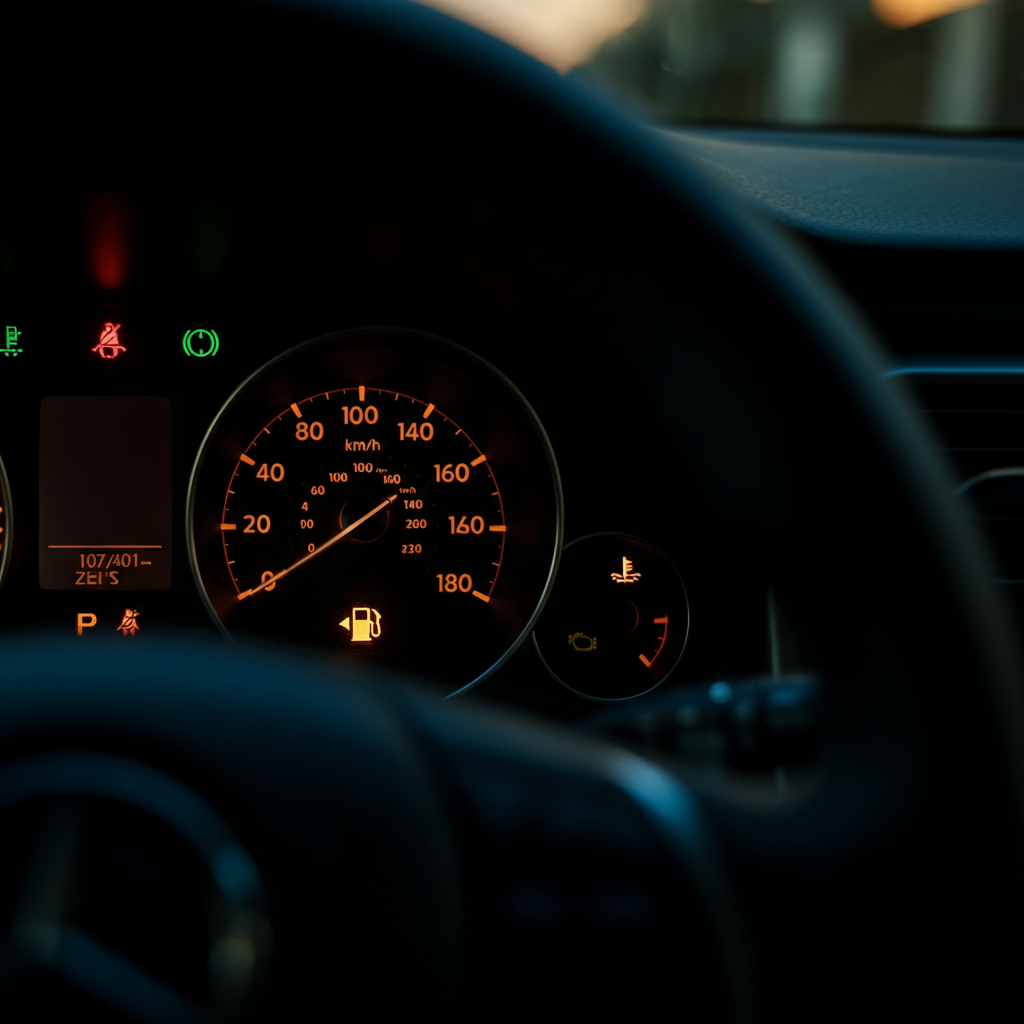
The first sign is usually the low fuel warning light illuminating on your dashboard. However, don't wait for the light to come on before taking action. Pay attention to your fuel gauge and try to keep your tank at least a quarter full, especially on long journeys. Another indication can be a slight sputtering or hesitation from the engine, particularly when accelerating or going uphill. This can be a sign that the fuel pump is struggling to draw fuel from the bottom of the tank.
Step 2: Reacting Safely While Driving
Safely Pulling Over
If you suspect you're about to run out of gas while driving, the most important thing is to remain calm and prioritize safety. Immediately turn on your hazard lights to warn other drivers. Gradually steer towards the right side of the road and find a safe place to pull over, preferably on the shoulder or emergency lane. Avoid making any sudden movements or braking abruptly, which could startle other drivers and increase the risk of an accident. If you're on a highway, try to get as far away from traffic as possible.

Step 3: Assessing the Situation and Determining Your Location
Finding Your Bearings
Once you're safely stopped, take a moment to assess your surroundings and determine your exact location. This information will be crucial when contacting roadside assistance or asking for help. Use your smartphone's GPS, navigation app, or look for street signs, mile markers, or nearby landmarks. Note the name of the road you're on and the direction you were traveling. Having precise location information will significantly speed up the assistance process.

Step 4: Getting Assistance
Calling for Help
Now that you know your location, it's time to call for assistance. If you have roadside assistance coverage through your insurance provider, AAA, or a similar service, contact them first. Provide them with your location, vehicle information, and a brief explanation of the situation. If you don't have roadside assistance, you can call a local towing company or, in some cases, the non-emergency number for the local police or highway patrol. Be prepared to provide proof of ownership of the vehicle.

Step 5: Refueling and Restarting Your Vehicle
The Restarting Procedure
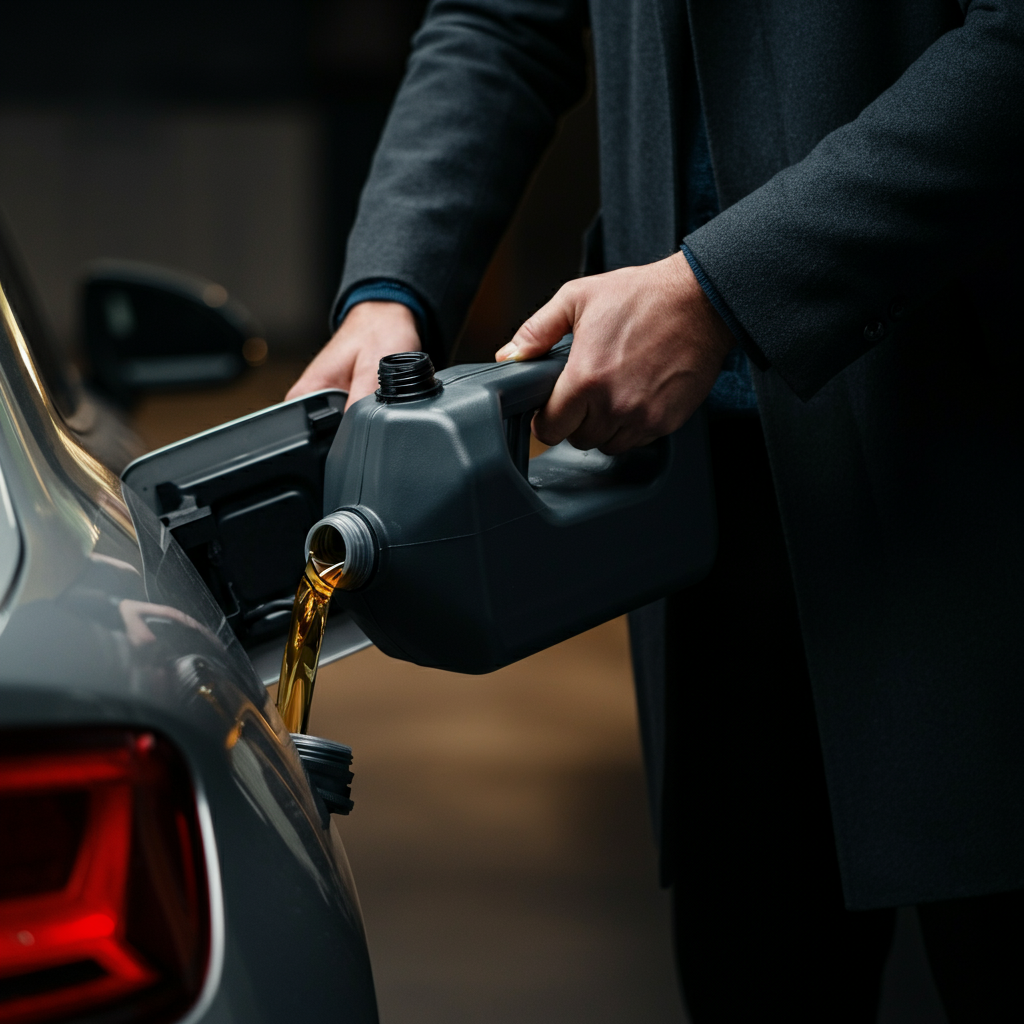
Once you have fuel, whether delivered by roadside assistance or obtained yourself, carefully pour it into your gas tank. After refueling, it may take a few attempts to restart the engine. Turn the ignition to the "on" position (without starting the engine) for a few seconds to allow the fuel pump to prime and push fuel through the lines. Then, try starting the engine. If it doesn't start immediately, wait a few minutes and try again. Avoid repeatedly cranking the engine for extended periods, as this can drain the battery and potentially damage the starter. In some older vehicles, you may need to "prime" the engine by pressing the accelerator pedal a few times before starting.
Step 6: Addressing Potential Damage
Fuel Pump and Injector Concerns
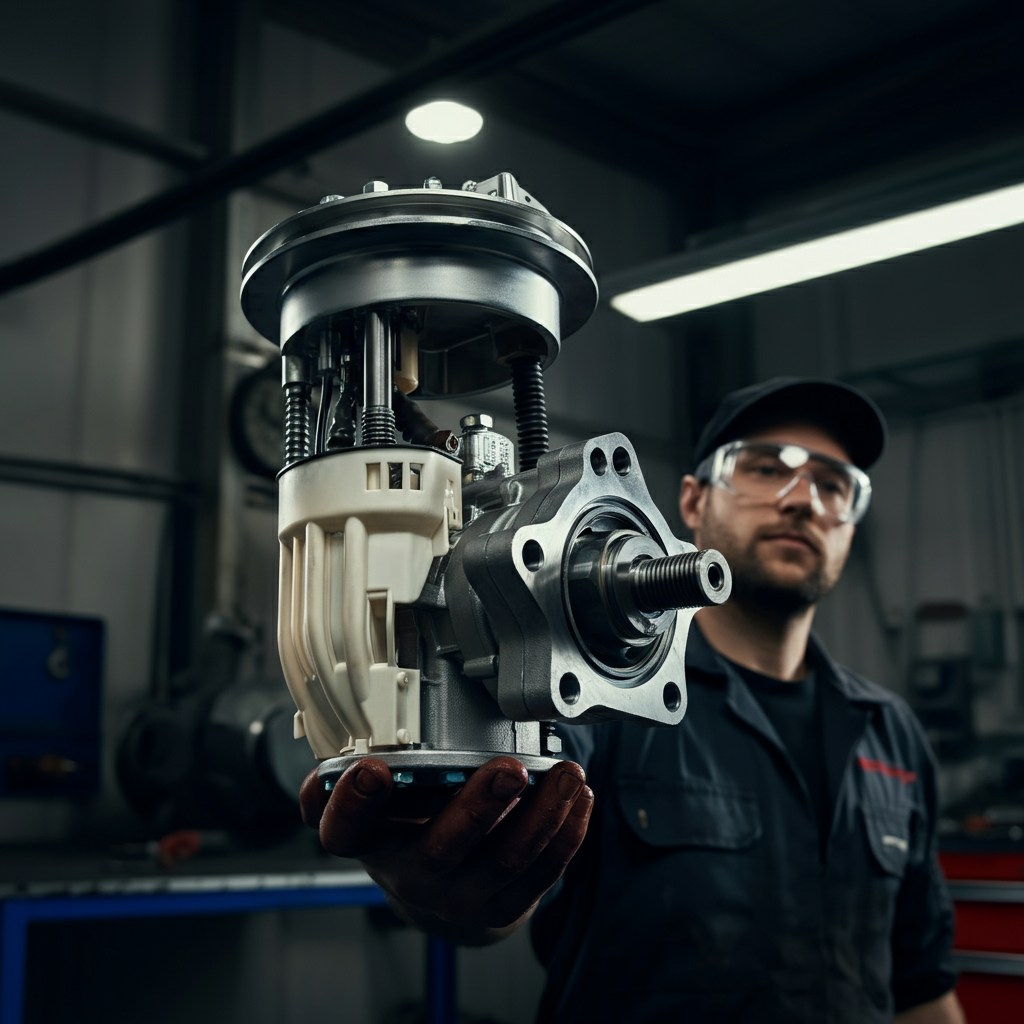
Running out of gas can potentially damage your vehicle's fuel pump. The fuel pump relies on gasoline to keep it cool and lubricated. When the tank is empty, the pump can overheat and wear out prematurely. Consistently running your fuel level low can accelerate this wear and tear. Additionally, low fuel levels can cause sediment and debris from the bottom of the tank to be drawn into the fuel system, potentially clogging the fuel filter and injectors.
Diesel Engines: A Special Case
If you have a diesel-powered vehicle, running out of fuel presents a unique challenge. Diesel engines require a "bleeding" process to remove air from the fuel lines before they can be restarted. This typically involves loosening bleed screws on the fuel filter and fuel injectors while manually priming the fuel pump until a steady stream of fuel emerges, free of air bubbles. Consult your vehicle's owner's manual for specific instructions on how to bleed the fuel system. Attempting to start a diesel engine without bleeding the fuel system can damage the fuel injectors and other components.
Safety Considerations
- When walking along the road, always face oncoming traffic.
- Wear bright or reflective clothing to increase visibility.
- If possible, wait inside your vehicle with your seatbelt fastened until help arrives.
- Be cautious when interacting with strangers. If someone offers assistance, trust your instincts.
Common Mistakes to Avoid
- Ignoring the low fuel warning light.
- Panicking and making sudden maneuvers while driving.
- Repeatedly cranking the engine for extended periods.
- Attempting to drive too far on an empty tank.
- Neglecting to bleed the fuel system on a diesel engine.
Pro Tips
- Always keep a small emergency kit in your car, including a flashlight, jumper cables, and a basic tool kit.
- Consider purchasing a portable jump starter, which can also be used to inflate tires and charge electronic devices.
- Familiarize yourself with your vehicle's owner's manual, which contains valuable information about its features and maintenance requirements.