Modern cars and small trucks, including popular models like the F-150 and F-250, rely on a complex interplay of braking systems to ensure safe and controlled stopping. Understanding how these systems work, their strengths, and their limitations is crucial for both everyday driving and vehicle maintenance. This guide provides a comprehensive overview of both hydraulic and non-hydraulic braking systems commonly found in these vehicles.
We will explore the fundamental principles behind each system, from the familiar hydraulic brakes activated by the pedal to the often-overlooked emergency brake and parking pawl. Mastering these concepts will empower you to better understand your vehicle's behavior, diagnose potential problems, and practice safer driving habits. This knowledge is invaluable for any driver or aspiring mechanic.
This guide emphasizes practical applications and real-world scenarios, offering actionable advice on proper parking techniques and emergency braking procedures. By the end of this guide, you will have a clear understanding of how to effectively utilize each braking system to maximize safety and prevent potential accidents.
Step 1: Hydraulic Braking Systems - The Foundation of Stopping Power
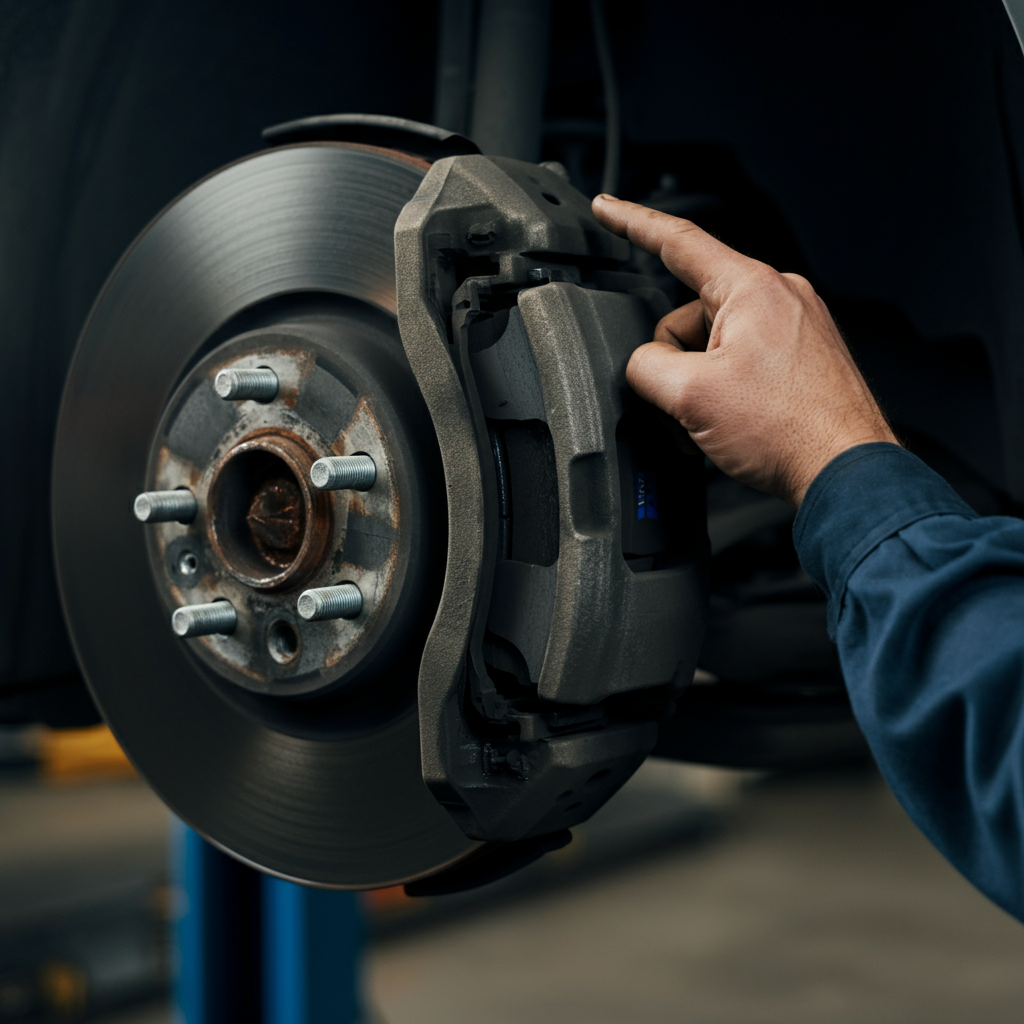
Hydraulic braking systems are the primary means of stopping most vehicles. When you press the brake pedal, you are activating a master cylinder that pressurizes brake fluid. This fluid travels through brake lines to each wheel, where it acts upon calipers (in disc brake systems) or wheel cylinders (in drum brake systems). These components then force brake pads against rotors or brake shoes against drums, respectively, creating friction and slowing the wheels.
The effectiveness of hydraulic brakes depends on several factors, including the condition of the brake pads or shoes, the rotors or drums, and the brake fluid itself. Regular inspection and maintenance are crucial to ensure optimal braking performance. For instance, air in the brake lines can significantly reduce braking power, requiring a brake bleeding procedure. Similarly, worn brake pads will diminish the stopping ability, increasing stopping distances.
Step 2: Emergency Brake/Parking Brake System - Your Mechanical Backup
The emergency brake, also known as the parking brake, is a mechanically operated system that provides a backup braking force in case the hydraulic system fails or when parking on an incline. Unlike the hydraulic system, it doesn't rely on fluid pressure. Typically, it uses cables to directly engage the rear brakes, either drum or disc type depending on the vehicle. This is typically activated by a hand lever or a foot pedal.
It's critical to understand that the emergency brake is not designed for high-speed emergency stops. Using it in such situations can lead to loss of control. It's primarily intended for holding the vehicle in place when parked and as a secondary braking system in emergencies. Regular use of the emergency brake helps keep the cables and mechanisms functional, preventing them from seizing up due to rust or corrosion. Test its functionality periodically, especially before parking on a steep hill.
Step 3: The Parking Pawl: A Last Resort, Not Your Primary Parking Method
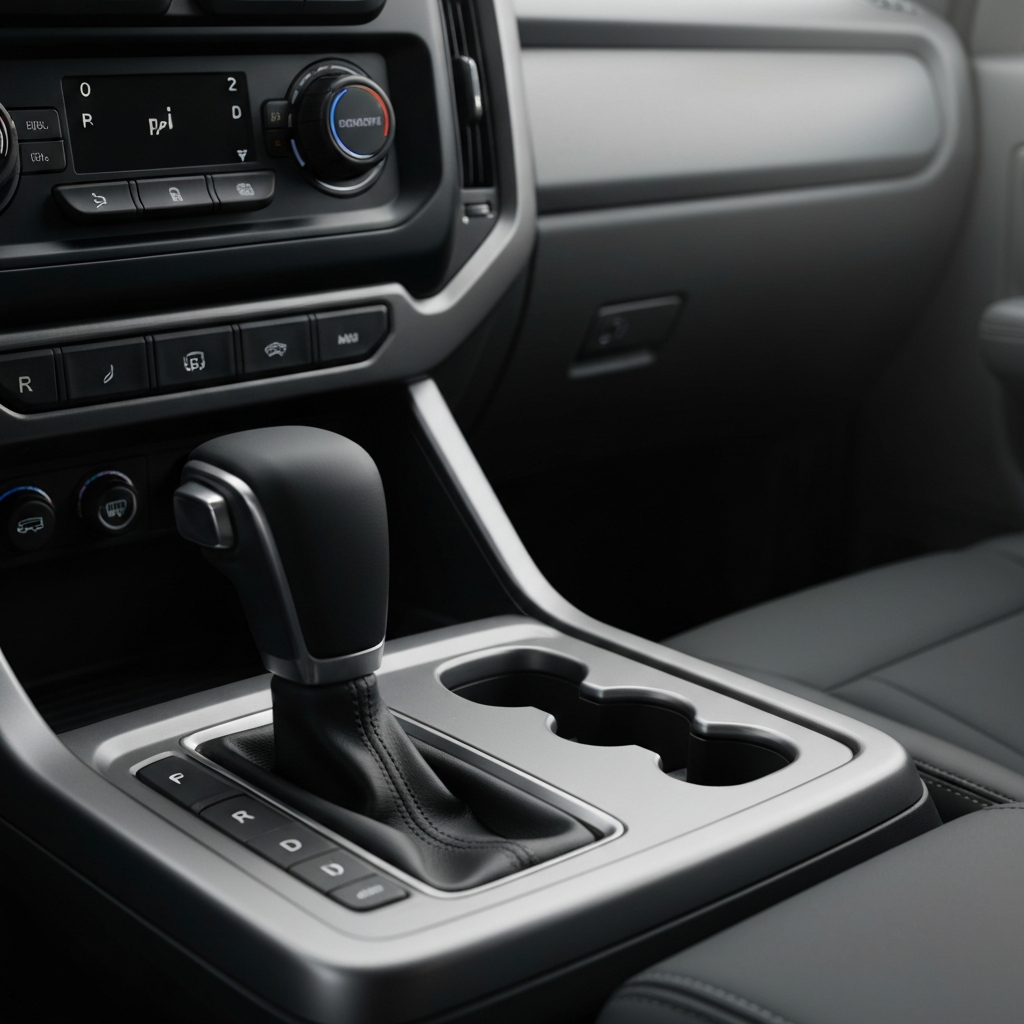
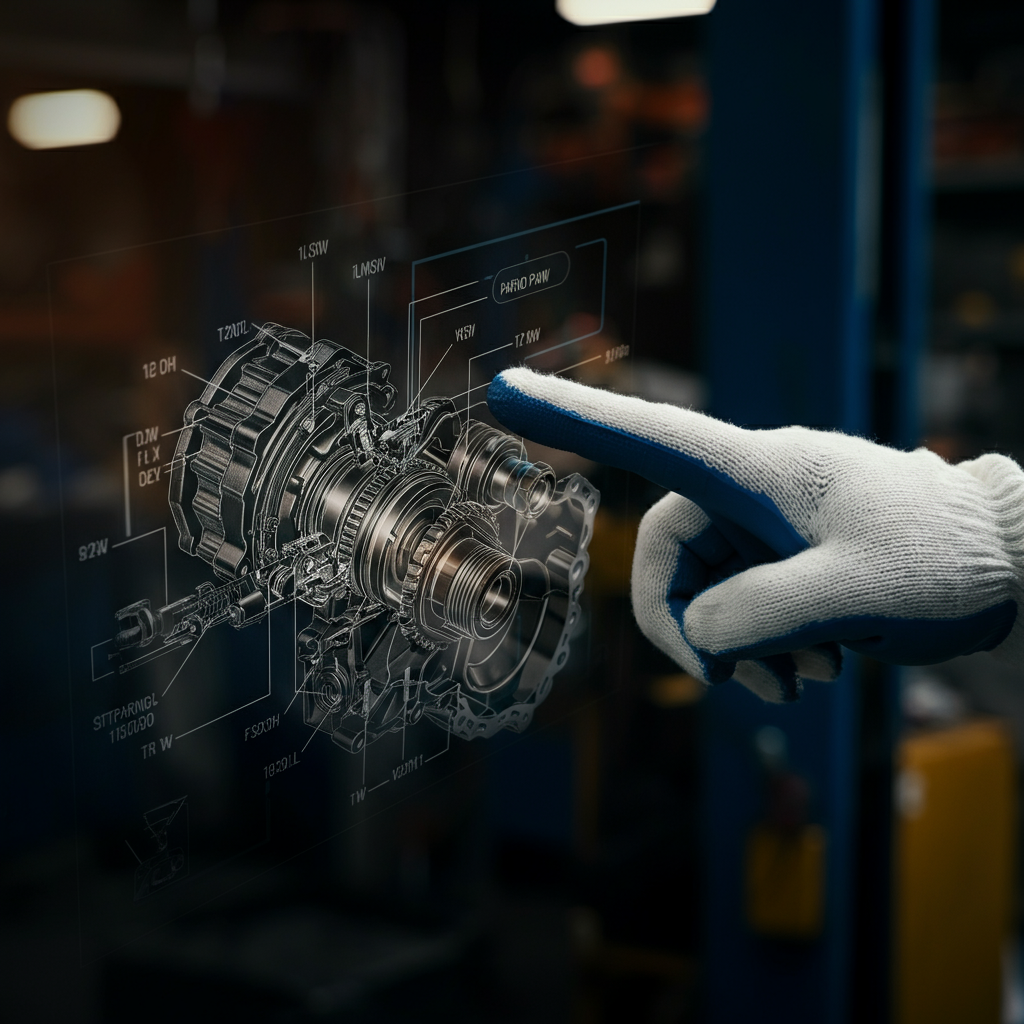
The parking pawl is a small metal pin inside the transmission that engages with a toothed gear when the vehicle is placed in "Park" (P). This pin locks the transmission output shaft, preventing the wheels from rotating. While seemingly robust, the parking pawl is not designed to withstand significant stress, especially on an incline. Relying solely on the parking pawl, particularly on a hill, can lead to premature wear or even breakage of the pawl and related transmission components.
Therefore, always use the parking brake in conjunction with the parking pawl. Engage the parking brake first, then shift the transmission into Park. This sequence ensures that the parking brake bears the brunt of the load, protecting the parking pawl from undue stress. Neglecting this practice can lead to costly transmission repairs down the road. Furthermore, remember to turn your wheels toward the curb when parking on an incline.
Step 4: Proper Parking Procedure: Combining Systems for Maximum Security
To ensure your vehicle remains safely parked, especially on inclines, adopt a standardized parking procedure that utilizes all available braking systems. Start by positioning your vehicle appropriately, turning the wheels towards the curb on a downhill slope or away from the curb on an uphill slope with no curb. Then, with your foot firmly on the brake pedal, engage the emergency brake fully. Make sure the emergency brake is engaged firmly before releasing the brake pedal.
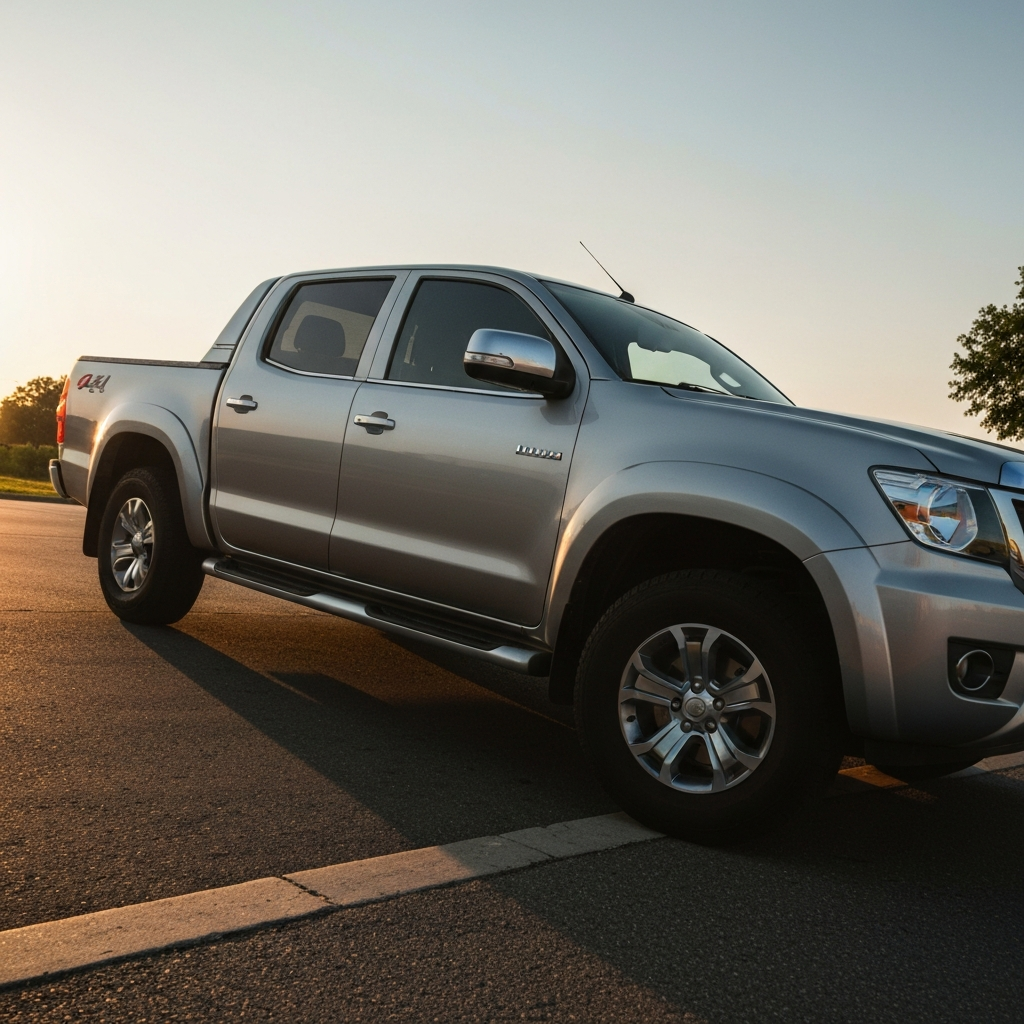
Finally, shift the transmission into "Park" (P). This sequence ensures that the emergency brake carries the primary load, while the parking pawl provides a secondary layer of security. Avoid simply throwing the vehicle into "Park" without engaging the emergency brake, especially on an incline, as this puts undue stress on the parking pawl. This is especially important with heavier vehicles like the F-250.
Tools or Materials Required
- Wheel chocks (for safety during maintenance)
- Brake fluid (compatible with your vehicle's specifications)
- Wrenches and sockets (for brake component inspection and repair)
- Brake cleaner (for cleaning brake components)
- Jack and jack stands (for lifting and securing the vehicle)
- Gloves and safety glasses (for personal protection)
Safety Considerations
- Always use jack stands when working under a vehicle. Never rely solely on a jack.
- Wear safety glasses and gloves to protect your eyes and skin from brake fluid and debris.
- Work in a well-ventilated area.
- Dispose of used brake fluid properly. It is a hazardous waste.
- Consult a qualified mechanic if you are unsure about any aspect of brake system maintenance or repair.
FAQ Section
- Q: How often should I have my brakes inspected?
- A: At least once a year, or more frequently if you notice any signs of brake problems.
- Q: What are the signs of worn brake pads?
- A: Squealing or grinding noises when braking, longer stopping distances, and a brake pedal that feels soft or spongy.
- Q: Can I replace brake pads myself?
- A: If you have experience working on cars and are comfortable with the procedure, you can replace brake pads yourself. However, it's always best to consult a qualified mechanic if you are unsure.
Conclusion
Understanding the braking systems in your car or small truck is paramount for safety and preventative maintenance. By recognizing the function of hydraulic brakes, the emergency brake, and the parking pawl, you can make informed decisions about vehicle operation and maintenance. Remember to use all available braking systems when parking, especially on inclines, and to regularly inspect and maintain your brakes to ensure optimal performance. By following these guidelines, you can drive with confidence and ensure the safety of yourself and others.