As winter approaches, ensuring your vehicle is equipped with the right tires becomes paramount for safe driving in snowy and icy conditions. Snow tires, also known as winter tires, are specifically designed to provide superior traction and handling in cold weather. However, distinguishing them from all-season or summer tires can sometimes be confusing. This guide will provide you with the expert knowledge to confidently identify snow tires, ensuring you're prepared for winter's challenges. Driving with the wrong tires in winter conditions can significantly increase your risk of accidents.
Whether you're a seasoned driver or new to winter driving, understanding the key characteristics of snow tires is essential. This guide will walk you through the visual cues, markings, and tread patterns that define a true snow tire. We will also discuss the differences between snow tires and other types of tires, helping you make informed decisions about your vehicle's winter setup. Remember, safety is the top priority when it comes to winter driving.
By the end of this guide, you'll be able to confidently identify snow tires, ensuring your vehicle is equipped for optimal performance and safety during the winter months. Let's dive in and explore the telltale signs of a snow tire.
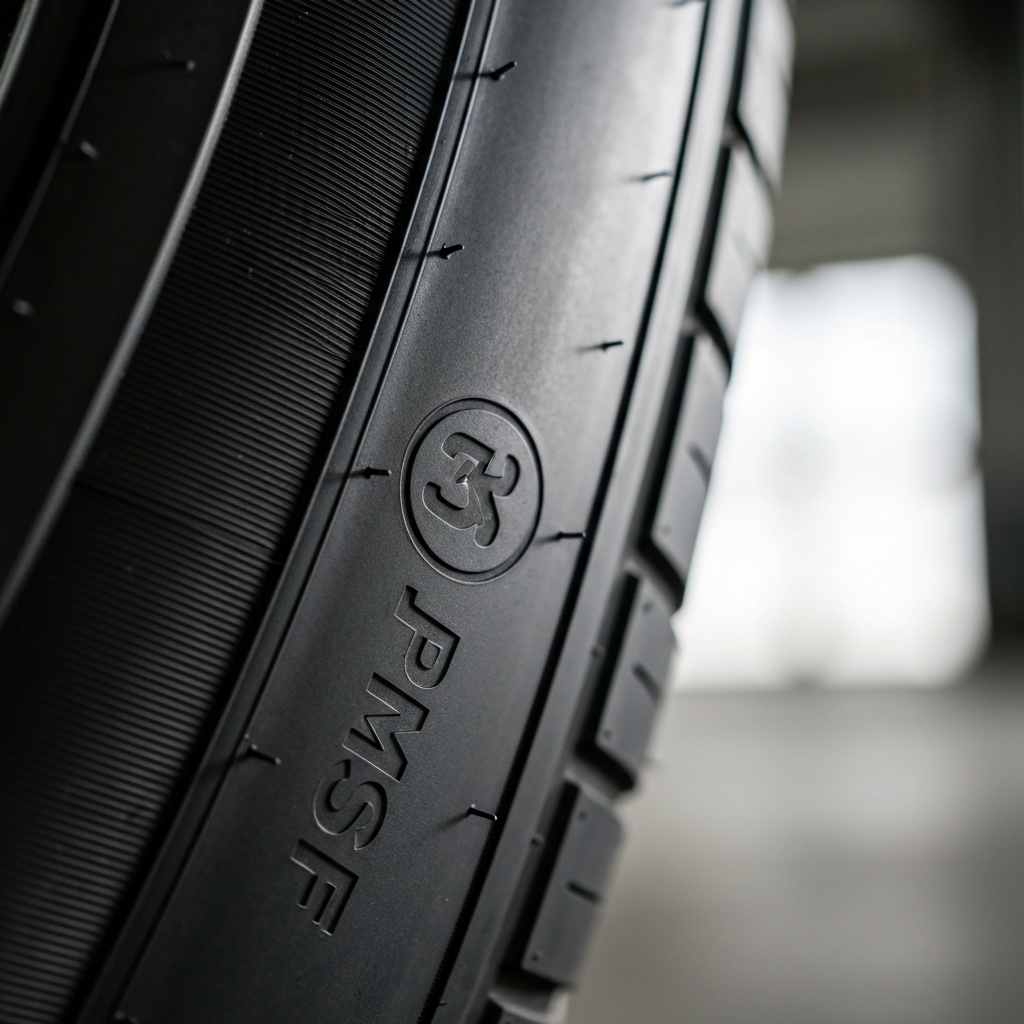
Step 1: Look for the Three-Peak Mountain Snowflake (3PMSF) Symbol
The most definitive way to identify a snow tire is by looking for the Three-Peak Mountain Snowflake (3PMSF) symbol on the tire's sidewall. This symbol, which depicts a mountain with three peaks and a snowflake inside, indicates that the tire meets specific performance criteria for snow traction. Tires with this symbol have undergone rigorous testing to ensure they provide superior grip and handling in snowy conditions. This is the gold standard and the easiest way to definitively identify a snow tire.
Step 2: Check for the "M+S" Marking (Proceed with Caution)
Many tires, including all-season tires, feature the "M+S" marking, which stands for "Mud and Snow." While this marking indicates that the tire offers some improved performance in muddy or snowy conditions compared to a standard summer tire, it's crucial to understand that "M+S" is not a guarantee of true snow tire performance. The "M+S" marking is self-certified by the manufacturer and doesn't require specific performance testing. Therefore, while helpful, it shouldn't be the sole indicator used to identify a snow tire. Always prioritize the 3PMSF symbol.

Step 3: Examine the Tread Pattern
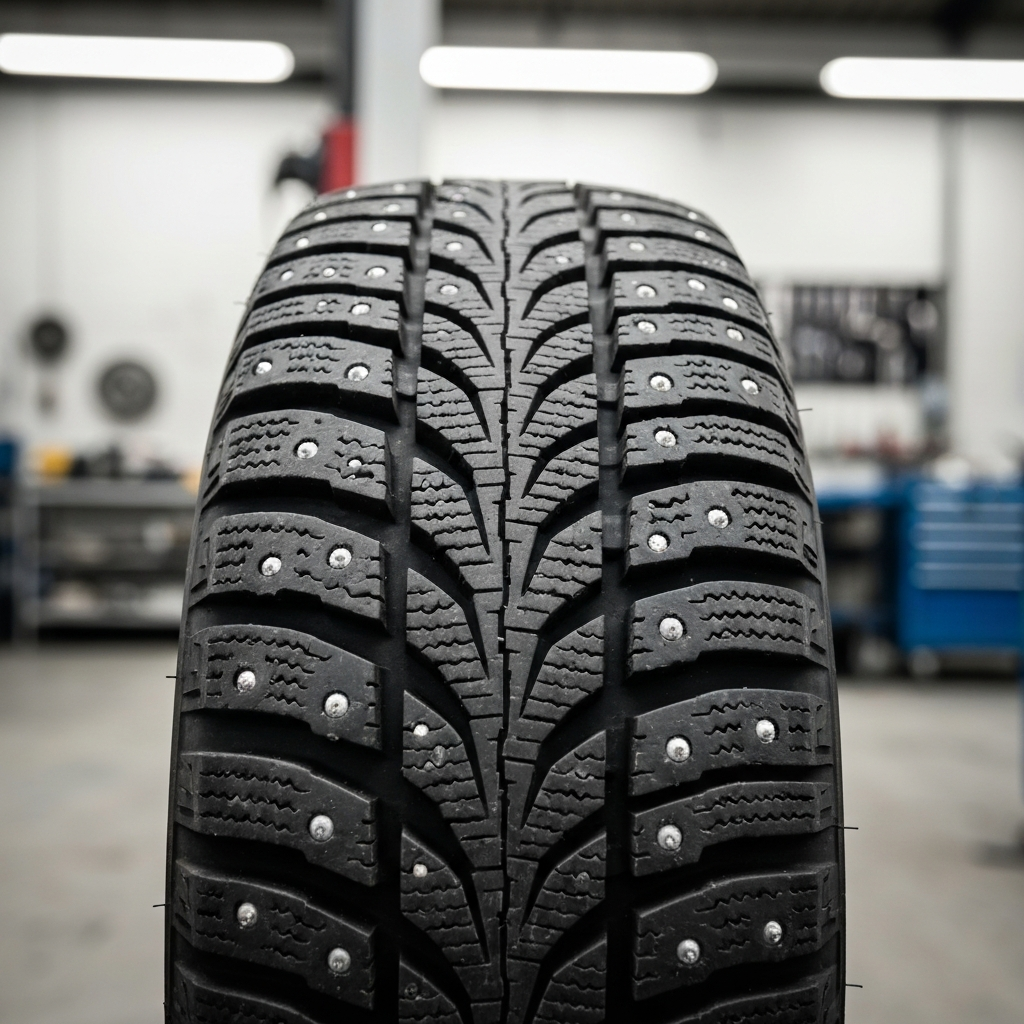
Snow tires typically feature a more aggressive tread pattern compared to all-season or summer tires. Look for deep grooves, numerous sipes (small slits), and a blocky tread design. These features are designed to bite into snow and ice, providing enhanced traction. The deep grooves help channel water and slush away from the contact patch, while the sipes create additional edges for gripping the road surface. However, be aware that some all-season tires are increasingly adopting more aggressive tread patterns, so this check should be combined with other identifiers.

Step 4: Consider the Rubber Compound
Snow tires are made with a special rubber compound that remains flexible in cold temperatures. This flexibility is crucial for maintaining grip on icy and snow-covered roads. All-season and summer tires tend to harden in cold weather, reducing their ability to grip the road. Unfortunately, it's difficult to assess the rubber compound visually. However, if you know the tire model and manufacturer, you can research its specifications to confirm it's designed for cold-weather performance. A quick internet search for the tire name will often reveal user reviews and expert assessments of its cold-weather performance.

Step 5: Look for the Word “STUDDABLE” or Presence of Studs (If Applicable)
Some snow tires are designed to be used with metal studs for increased traction on ice. If the tire is a studdable snow tire, it may have the word "STUDDABLE" molded into the sidewall. If the tire already has metal studs embedded in the tread, it's almost certainly a snow tire. However, keep in mind that the use of studded tires may be restricted or prohibited in certain areas, so it's essential to check local regulations before using them. If the tire has holes for studs but no studs installed, it's a studdable snow tire that can be converted for enhanced ice traction.
Safety Considerations
Always inflate your tires to the recommended pressure. Proper inflation is crucial for optimal performance and safety, especially in winter conditions. Check your vehicle's owner's manual or the sticker on the driver's side doorjamb for the correct tire pressure. Regularly monitor your tire pressure, as it can fluctuate with temperature changes.
FAQ Section
Q: Can I use snow tires year-round?
A: While you technically can, it's not recommended. Snow tires are designed for cold temperatures and have a softer rubber compound that wears down quickly in warmer weather. They also offer reduced handling and braking performance on dry pavement.
Q: Do I need to install snow tires on all four wheels?
A: Yes, it's essential to install snow tires on all four wheels. Installing them only on the front or rear axle can create a dangerous imbalance in handling, leading to loss of control.
Q: How long do snow tires last?
A: The lifespan of snow tires depends on several factors, including driving conditions, mileage, and tire maintenance. However, as a general rule, snow tires should be replaced when the tread depth reaches 4/32 of an inch (3.2 mm).
Conclusion
Identifying snow tires is crucial for ensuring your safety and the safety of others on the road during winter conditions. By looking for the 3PMSF symbol, examining the tread pattern, considering the rubber compound, and checking for studs (if applicable), you can confidently determine whether a tire is designed for snow and ice. Remember, prioritizing safety by using the right tires for the weather conditions is always the best course of action. Stay safe and enjoy winter driving with confidence!