Electric bikes, or e-bikes, are a fantastic way to enjoy cycling with an added boost, making hills easier and commutes faster. However, unlike traditional bikes, e-bikes require some special considerations when it comes to storage. Proper storage not only preserves the longevity of your e-bike but also safeguards its critical components, particularly the battery.
This comprehensive guide will walk you through everything you need to know about storing your electric bike, whether it's for a few days or the entire winter. We'll cover both short-term and long-term storage solutions, battery care tips, and space-saving strategies to keep your e-bike in top condition and ready for your next adventure.
By following these expert recommendations, you can protect your investment and ensure your e-bike provides years of reliable service. Neglecting proper storage can lead to battery degradation, corrosion, and other issues that can significantly impact your e-bike's performance and lifespan. Treat your e-bike with care, and it will reward you with countless enjoyable rides.
Step 1: Assess Your Storage Needs
Before you even think about where to put your e-bike, consider how long you’ll be storing it and what kind of environment it will be in. A quick overnight stay in the garage is very different from stowing it away for the winter. Short-term storage focuses on convenience and immediate accessibility, while long-term storage prioritizes protecting the battery and other components from degradation. If you are planning on riding your bike within a day or two, then leaving the battery on the bike will not cause considerable drain. However, leaving it on for an extended period can. Always check the manufacturer's recommendations for your specific e-bike model. Consider the climate where you live. Do you live in a humid environment, or one that experiences extreme temperature fluctuations? These factors will influence your storage location and preparation methods.
Step 2: Choose the Right Location
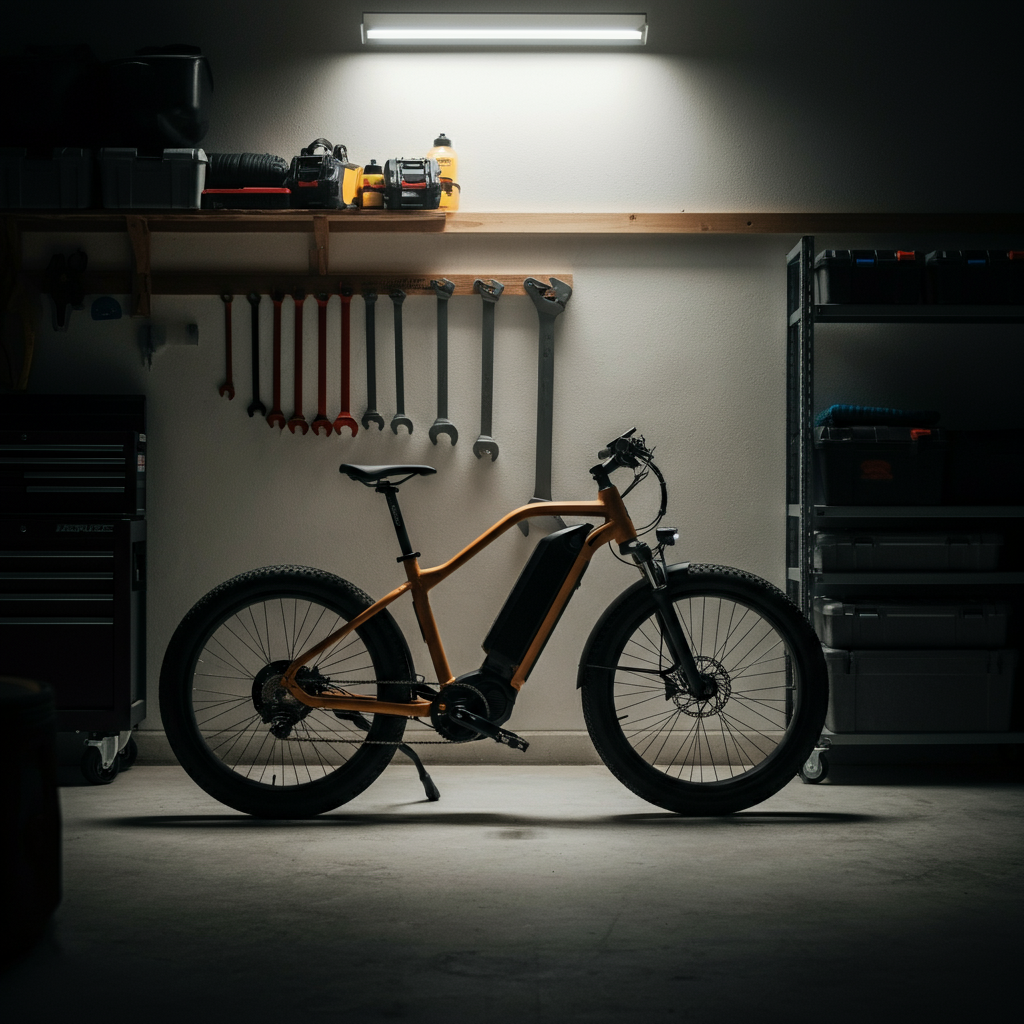
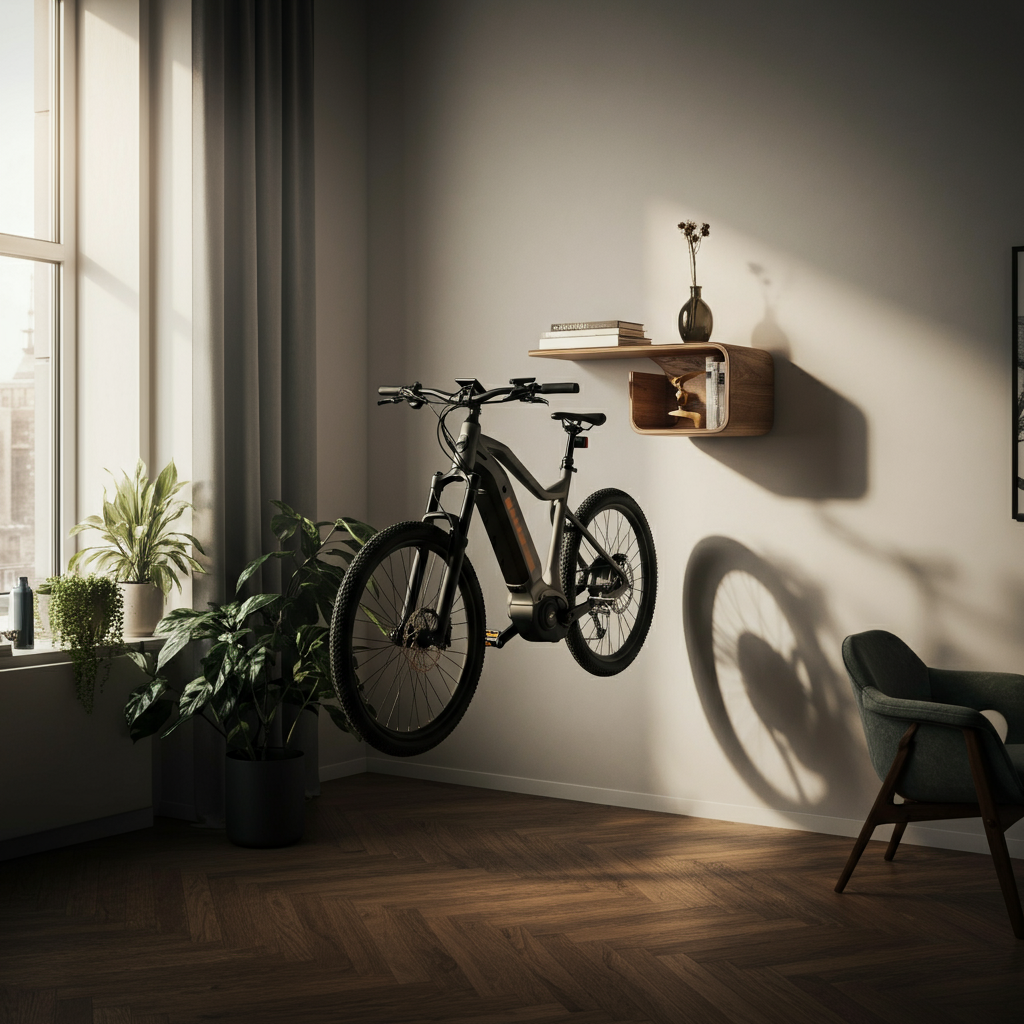
Selecting the right storage location is crucial for maintaining your e-bike's health. The ideal spot is indoors, cool, dry, and out of direct sunlight. Excessive heat or cold can damage the battery and electronic components. Avoid storing your e-bike in a damp basement or a scorching attic. A garage or shed can work, but only if they are insulated and temperature-controlled. If space is limited, consider vertical storage solutions like wall mounts or freestanding racks. These options not only save space but also keep your e-bike secure and protected from accidental bumps and scratches. Basements are great if they are moisture free.
Step 3: Preparing for Short-Term Storage (Days to Weeks)
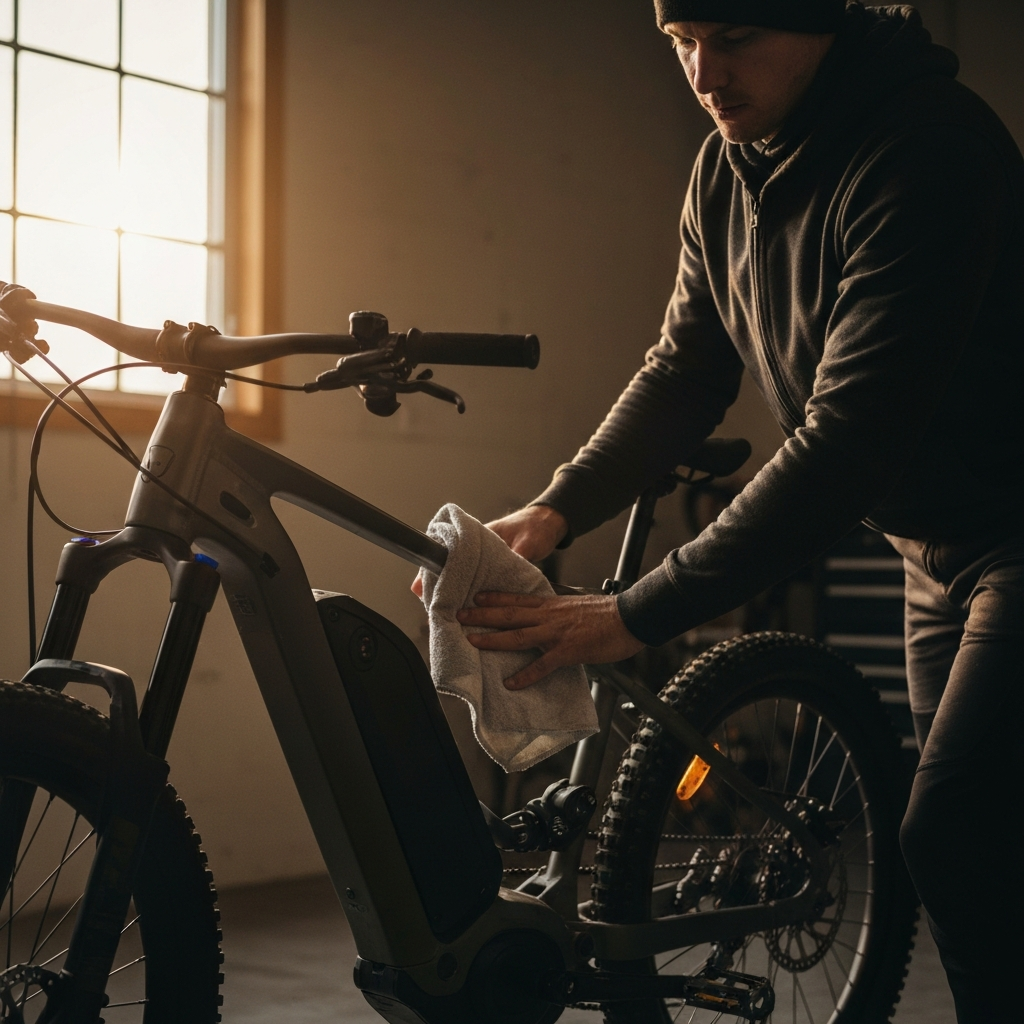
For short-term storage, the primary focus is maintaining battery health and preventing unnecessary wear. After each ride, turn off the e-bike's power to prevent phantom drain. Store your e-bike in a cool, dry place, away from direct sunlight. Leaving the battery attached is generally fine for short periods, but consider removing it if you won't be riding for more than a few days. Before storing, give your e-bike a quick wipe down to remove any dirt or grime. Never use harsh chemicals or abrasive cleaners, as these can damage the paint and components. Use a damp cloth and mild soap if necessary. Ensure the bike is mostly dry before storing it, as moisture can corrode electrical components.
Step 4: Preparing for Long-Term Storage (Weeks to Months)
Long-term storage requires more thorough preparation to prevent degradation and maintain battery health. Start by thoroughly cleaning your e-bike, paying attention to the chain, gears, and other moving parts. Apply lubricant to the chain to prevent rust and corrosion. Most importantly, the battery needs special attention. Remove the battery from the e-bike and store it separately in a cool, dry place, ideally between 32°F and 68°F (0°C and 20°C). Check your e-bike’s instruction manual to find the manufacturer's recommended charge level for long-term storage. Typically, this is around 40-60% charge. Periodically check the battery's charge level and top it off as needed to maintain the recommended range. Avoid storing the battery fully charged or completely discharged, as both can reduce its lifespan.
Step 5: Battery Care During Storage
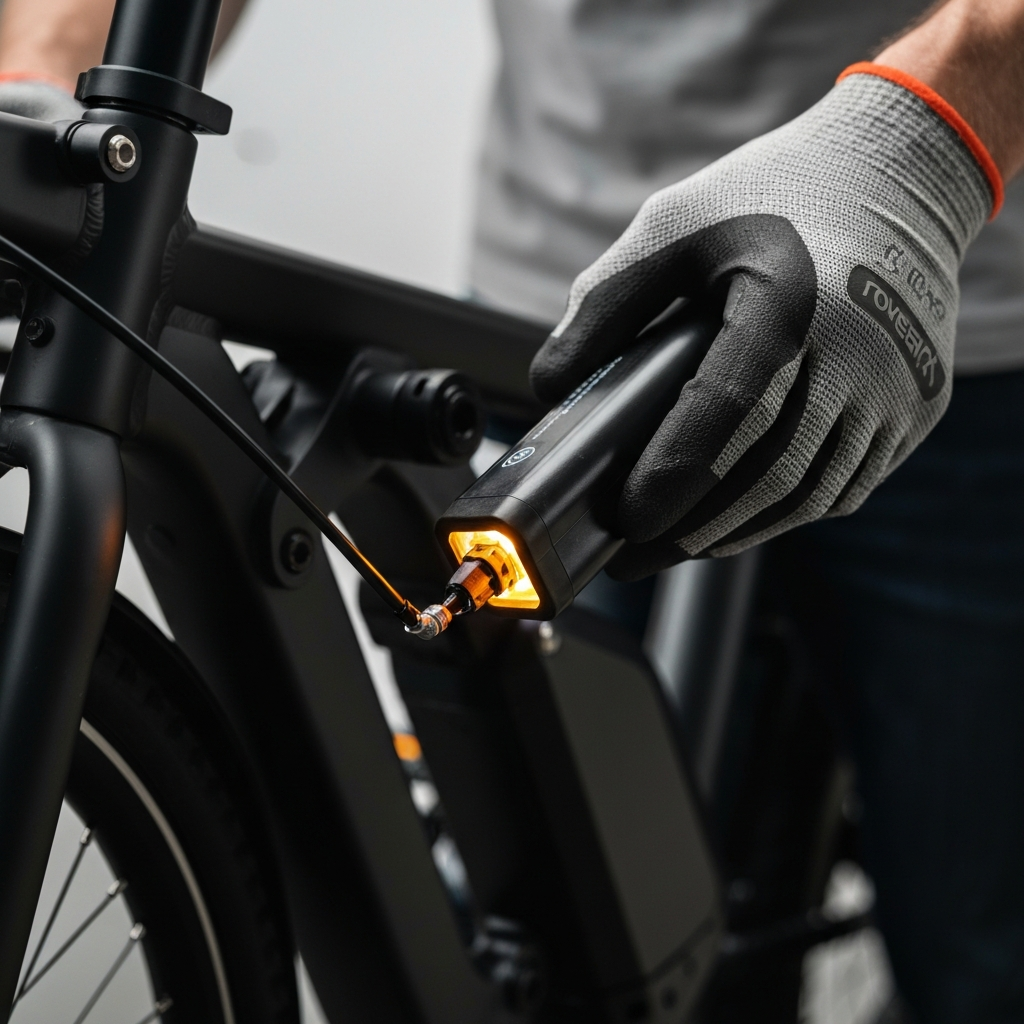
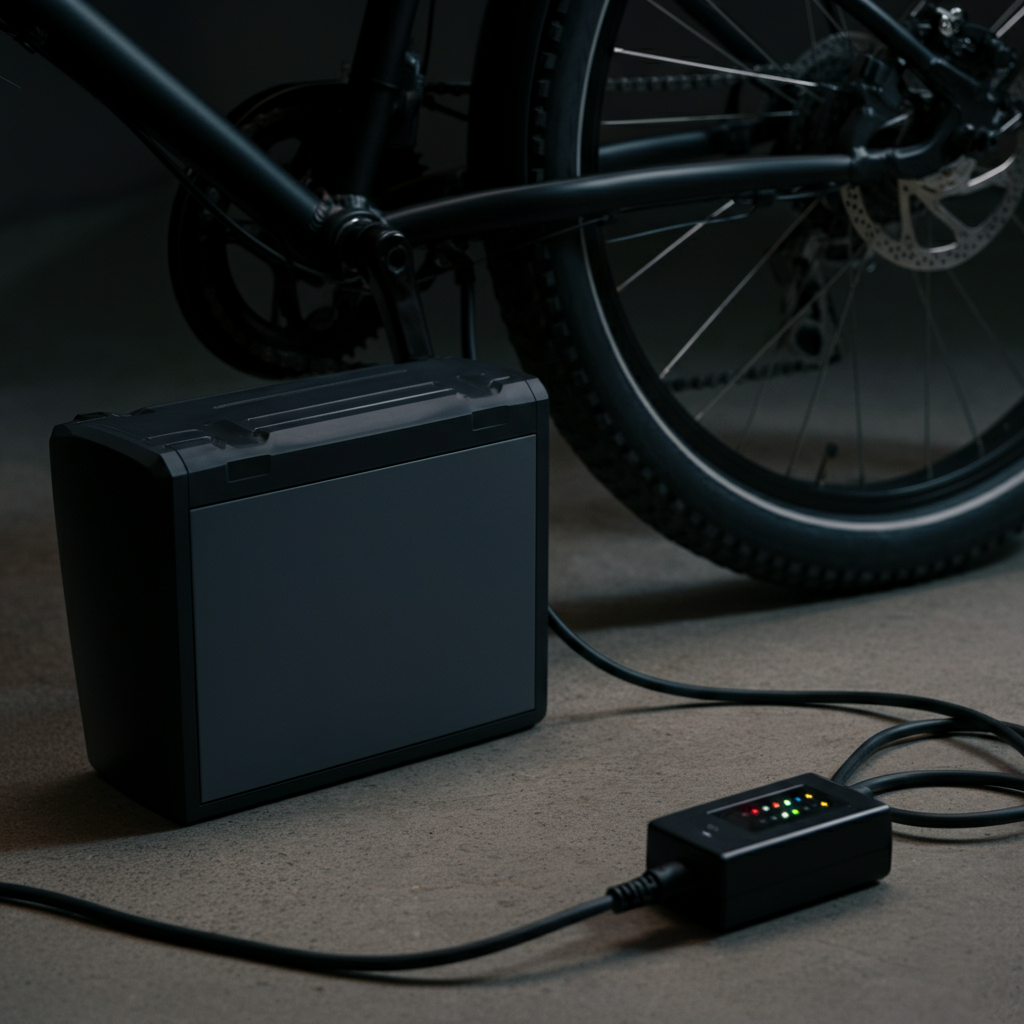
Battery care is paramount for preserving the longevity of your e-bike. For lead-acid or NIMH batteries, provide a charge at least once every three months. For lithium batteries, a charge every six months is sufficient. When charging, use only the charger that came with your e-bike to ensure proper voltage and current. Never use a third-party charger, as it can damage the battery or create a fire hazard. Charge the battery on a concrete floor in case of any accidental spills or leaks. Monitor the charging process and unplug the charger as soon as the battery reaches the recommended charge level. Avoid overcharging, as it can shorten the battery's lifespan.
Step 6: Securing Your E-Bike
Whether you're storing your e-bike short-term or long-term, security is always a concern. Invest in a high-quality bike lock, such as a U-lock or a chain lock, to deter theft. When storing your e-bike indoors, lock it to a sturdy object, such as a pipe or a secure fixture. If storing your e-bike in a garage or shed, consider installing a ground anchor for added security. Never leave your e-bike unlocked and unattended, even for a short period. If you live in an area with high crime rates, consider adding a GPS tracker to your e-bike for added peace of mind. A visible security system can deter criminals from targeting your e-bike.
Step 7: Space-Saving Storage Solutions
If space is limited, consider vertical storage solutions. Wall-mounted bike racks are an excellent option for apartments or small homes. They keep your e-bike off the floor and out of the way. Freestanding bike racks are another option that doesn't require drilling into walls. These racks can hold one or more e-bikes and can be easily moved around. Before installing a wall-mounted rack, ensure the wall is strong enough to support the weight of your e-bike. Use a stud finder to locate studs and install the rack securely. Consider multi-bike storage systems if you have multiple bikes or limited space. These systems allow you to store multiple bikes vertically or horizontally in a compact area.

Common Mistakes to Avoid
- Storing the battery in extreme temperatures.
- Using the wrong charger.
- Overcharging or completely discharging the battery.
- Neglecting to clean and lubricate the e-bike before storage.
- Leaving the e-bike unlocked and unattended.
Safety Considerations
- Always follow the manufacturer's instructions for storing your specific e-bike model.
- Inspect the battery regularly for any signs of damage or leaks.
- If the battery is damaged, do not use it and dispose of it properly.
- Store the battery in a well-ventilated area to prevent the buildup of flammable gases.
Pro Tips
- Create a checklist to remind yourself to charge the battery periodically.
- Cover the e-bike with a tarp or blanket to protect it from dust and dirt.
- Store the e-bike in a location where it won't be accidentally bumped or damaged.
FAQ Section
Q: How often should I charge my e-bike battery during long-term storage?
A: Lithium batteries should be charged at least once every six months, while lead-acid and NIMH batteries should be charged at least once every three months.
Q: Can I store my e-bike outside?
A: It's not recommended to store your e-bike outside due to the risk of damage from the elements. However, if you must store it outside, cover it with a waterproof cover and secure it with a lock.
Q: What should I do if my e-bike battery gets wet?
A: If your e-bike battery gets wet, dry it thoroughly with a clean cloth and allow it to air dry completely before using it again. Do not attempt to charge the battery until it is completely dry.
Conclusion
Properly storing your electric bike is essential for preserving its performance, longevity, and safety. By following the steps outlined in this guide, you can protect your investment and ensure your e-bike is always ready for your next ride. Remember to prioritize battery care, choose the right storage location, and take the necessary security precautions. With a little planning and effort, you can keep your e-bike in top condition for years to come. Your e-bike is more than just a mode of transportation; it's an investment in your health, happiness, and the environment. Treat it with the care it deserves, and it will reward you with countless enjoyable miles.