In our fast-paced, hyper-connected world, the concept of "slow living" is gaining traction as a powerful antidote to the relentless pursuit of more. Slow living isn't about laziness or inefficiency; it's a conscious decision to prioritize quality over quantity, connection over consumption, and presence over productivity. It's about intentionally slowing down to savor the everyday moments and create a life that aligns with your values.
This guide provides a structured approach to understanding and integrating slow living principles into your daily life. We'll explore practical steps you can take to declutter your mind, reclaim your time, and cultivate a deeper sense of fulfillment. Remember, slow living is a journey, not a destination. It’s a process of continuous refinement and adaptation to your unique circumstances.
Ready to step off the treadmill of modern life? Let's begin.
Step 1: Declutter Your Physical Space
Decluttering your physical space is a fundamental first step in adopting a slow living lifestyle. A cluttered environment can lead to a cluttered mind, contributing to stress and overwhelm. Focus on creating a serene and intentional living space that supports your well-being. Start with one area, such as a drawer, a shelf, or a corner of a room. Sort through your belongings, keeping only items that you truly need, use, or love. Donate, sell, or recycle the rest.

Practical Tips:
- Start small: Don't try to declutter your entire home at once. Break it down into manageable tasks.
- Ask yourself tough questions: Do I truly need this? Does it bring me joy? Have I used it in the past year?
- Be mindful of your consumption: Before buying something new, consider whether you really need it and whether it aligns with your values.
Common Mistakes to Avoid:
- Getting overwhelmed: If you feel overwhelmed, take a break and come back to it later.
- Holding onto things out of guilt or obligation: It's okay to let go of things, even if they were gifts or have sentimental value.
- Not having a plan for the items you declutter: Before you start, decide where you will donate, sell, or recycle unwanted items.
Step 2: Mindful Consumption
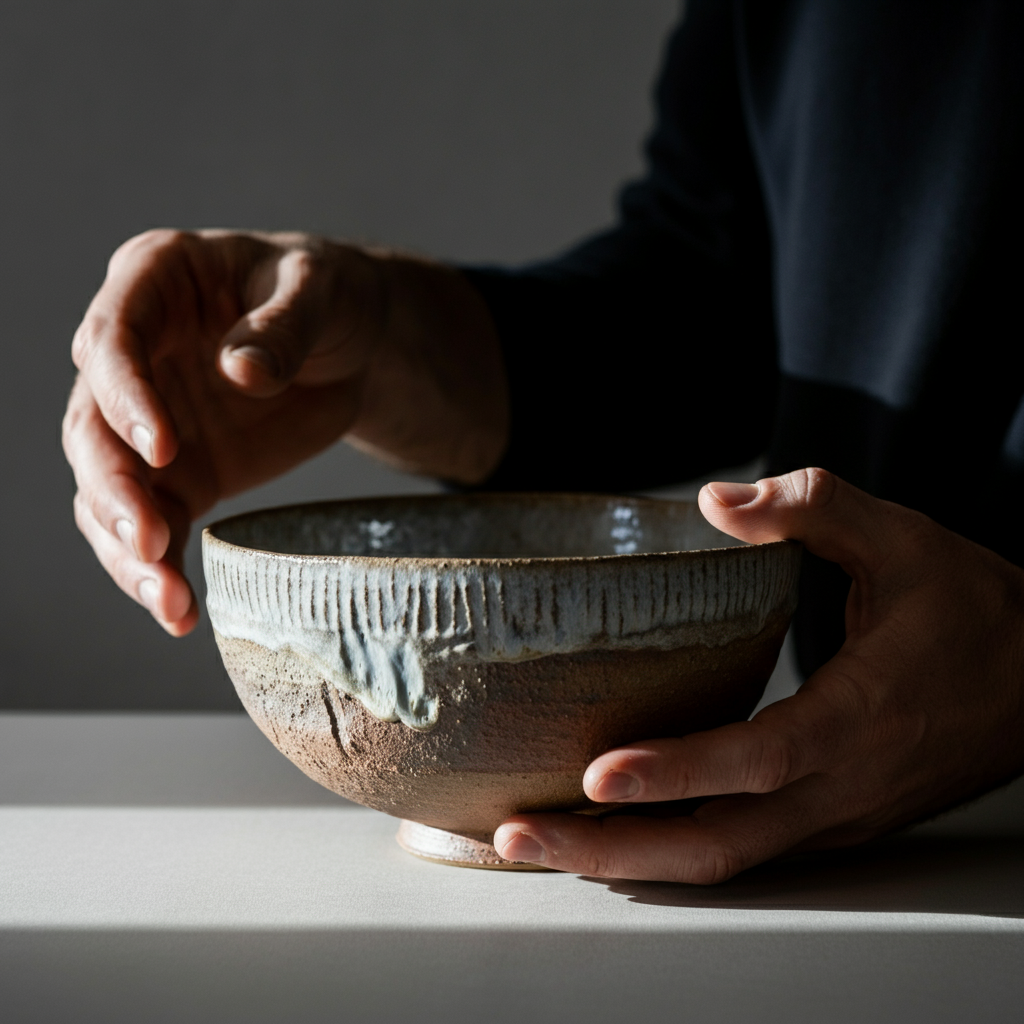
Moving beyond decluttering, conscious consumption is a core tenet of slow living. It encourages us to be more intentional about what we bring into our lives, shifting our focus from quantity to quality and from impulsive purchases to thoughtful acquisitions. Before making a purchase, ask yourself: Is this something I truly need? Is it ethically sourced? Will it last? Consider supporting local businesses and artisans who prioritize sustainable practices.
Practical Tips:
- Create a shopping list: Stick to your list when you go shopping to avoid impulse purchases.
- Wait 24 hours: If you're tempted to buy something, wait 24 hours and see if you still want it.
- Research before you buy: Look for products that are made with sustainable materials and ethical labor practices.
Step 3: Single-Tasking
In a world that glorifies multitasking, slow living advocates for the radical concept of single-tasking. Focusing on one task at a time allows you to be more present, efficient, and less stressed. When you dedicate your full attention to a single activity, you're more likely to produce higher-quality work and experience a greater sense of satisfaction. Eliminate distractions, such as email notifications and social media, and immerse yourself fully in the task at hand.

Practical Tips:
- Turn off notifications: Disable email, social media, and other notifications when you need to focus.
- Create dedicated workspaces: Designate specific areas for different tasks, such as a home office for work and a cozy corner for reading.
- Schedule focused blocks of time: Dedicate specific time slots for single-tasking, and protect that time fiercely.
Step 4: Cultivate Mindful Hobbies
Engaging in hobbies that bring you joy and allow you to express your creativity is an essential aspect of slow living. Choose activities that resonate with your soul and provide an opportunity to disconnect from the pressures of daily life. Whether it's gardening, painting, playing a musical instrument, or writing, find something that allows you to tap into your inner child and experience the present moment. These hobbies can become anchors in your slow living journey, grounding you in the simple pleasures of life.

Practical Tips:
- Explore different hobbies: Try a variety of activities until you find something that you truly enjoy.
- Join a class or group: Connecting with others who share your interests can enhance your experience.
- Don't worry about perfection: The goal is to enjoy the process, not to become an expert.
Step 5: Embrace Nature
Spending time in nature has been shown to reduce stress, improve mood, and enhance overall well-being. Make a conscious effort to incorporate nature into your daily life, whether it's a walk in the park, a hike in the woods, or simply sitting under a tree. Connecting with the natural world can help you slow down, appreciate the beauty around you, and gain a deeper sense of perspective.

Practical Tips:
- Go for a walk in nature: Even a short walk can make a difference.
- Visit a park or garden: Spend time in a green space near your home.
- Bring nature into your home: Add plants to your living space to create a more calming and inviting atmosphere.
Step 6: Prioritize Connections
Nurturing meaningful relationships is a cornerstone of slow living. In our increasingly digital world, it's easy to become disconnected from the people who matter most to us. Make a conscious effort to prioritize face-to-face interactions, engage in meaningful conversations, and be present with your loved ones. Building strong connections with family, friends, and your community can provide a sense of belonging, support, and purpose.

Practical Tips:
- Schedule regular time with loved ones: Make time for family dinners, game nights, or coffee dates with friends.
- Put your phone away: When you're spending time with others, put your phone away and focus on being present.
- Volunteer in your community: Get involved in local organizations and connect with people who share your values.
Common Mistakes to Avoid
- Trying to do too much too soon: Slow living is a journey, not a race. Start small and gradually incorporate new habits into your life.
- Being too rigid: Allow yourself flexibility and don't be afraid to deviate from your routine when necessary.
- Comparing yourself to others: Everyone's slow living journey is unique. Focus on what works for you and don't compare yourself to others.
Pro Tips
- Practice gratitude: Take time each day to appreciate the simple things in your life.
- Learn to say "no": Protecting your time and energy is essential for slow living.
- Be patient: It takes time to create a slow living lifestyle. Be patient with yourself and enjoy the process.
FAQ Section
- Is slow living expensive?
- No, slow living can actually save you money by encouraging you to consume less and prioritize experiences over material possessions.
- Does slow living mean I have to quit my job?
- No, slow living doesn't require you to make drastic changes to your career. It's about finding a better balance between work and life.
- Is slow living just for retirees?
- No, slow living is for people of all ages and backgrounds who are seeking a more meaningful and fulfilling life.
Conclusion
Slow living is a transformative approach to life that encourages us to slow down, appreciate the present moment, and create a life that aligns with our values. By decluttering our physical and mental spaces, practicing mindful consumption, single-tasking, cultivating hobbies, embracing nature, and prioritizing connections, we can create a more meaningful and fulfilling life. Remember, slow living is a journey, not a destination. Embrace the process and enjoy the ride.