Riding an ATV offers exhilarating freedom, but tackling hills can be challenging, even for experienced riders. Approaching a hill climb requires a combination of skill, machine knowledge, and respect for the terrain. A successful ascent is not just about power; it's about technique, preparation, and understanding the dynamics at play between you, your ATV, and the slope ahead. This guide will break down the process into manageable steps, helping you confidently conquer those challenging inclines.
Safety is paramount when dealing with hills. A seemingly simple slope can quickly become dangerous if approached without the proper knowledge and precautions. Always prioritize wearing appropriate safety gear, including a helmet, gloves, and sturdy boots. Before attempting any hill climb, thoroughly inspect your ATV, paying close attention to tire pressure, fluid levels, and brake functionality. Remember, a well-maintained ATV is a safer ATV.
This guide is designed to equip you with the knowledge and skills necessary to navigate uphill terrain safely and effectively. From assessing the hill to executing the climb, we'll cover essential techniques to help you become a more confident and skilled ATV rider. Prepare to elevate your riding experience, one hill at a time.
Step 1: Assessing the Hill and Planning Your Approach
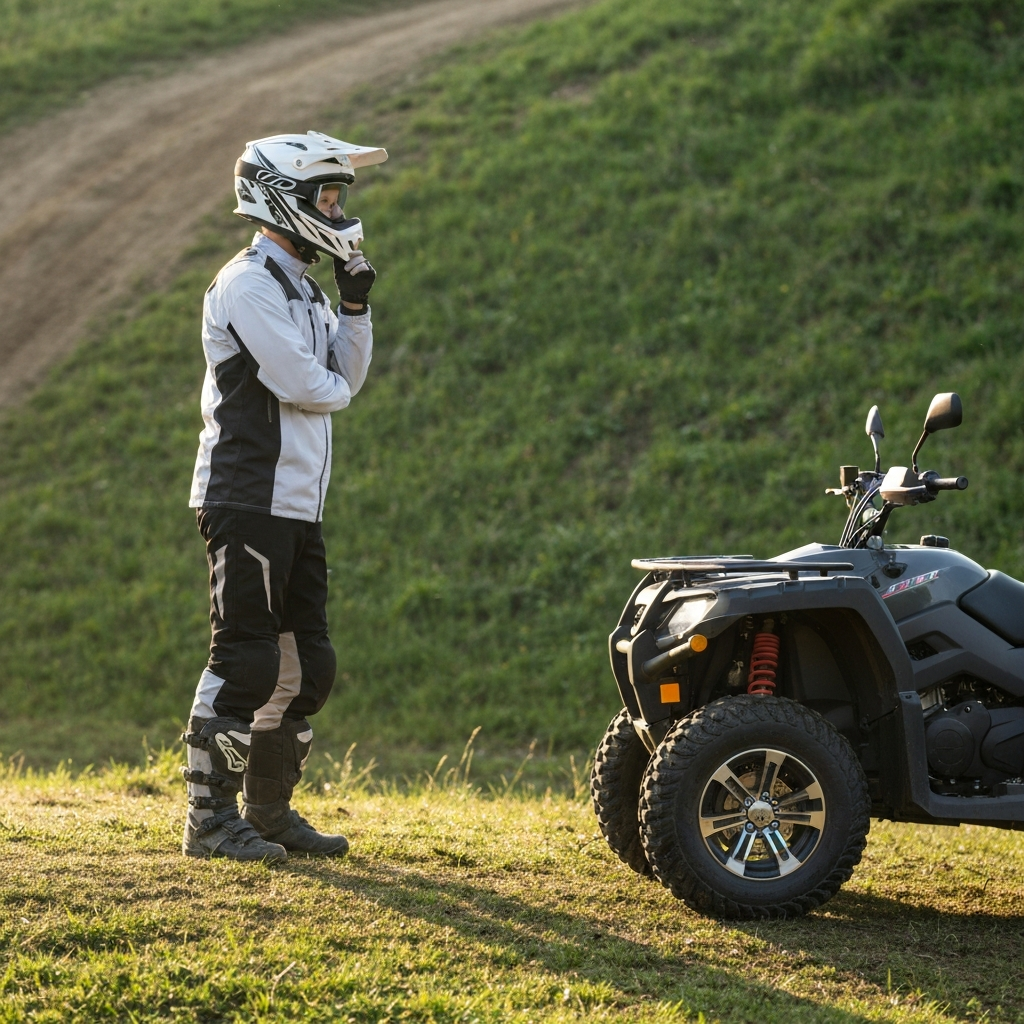
Before you even start your engine, take the time to thoroughly assess the hill you plan to climb. Look for obstacles like rocks, ruts, or fallen trees that could impede your progress or damage your ATV. Consider the hill's steepness, length, and surface conditions (e.g., loose gravel, mud, hard-packed dirt). A well-thought-out approach is crucial for a successful and safe climb. Identify the clearest and most direct path to the top, avoiding any areas that appear overly challenging or hazardous.
Think about the best angle to attack the hill. Sometimes, a slightly angled approach can provide better traction and stability compared to heading straight up. This is especially useful on hills with loose surfaces. Also, mentally prepare for what you will do if you don't make it to the top. Where is your bailout zone?
Step 2: Gear Selection and Body Positioning
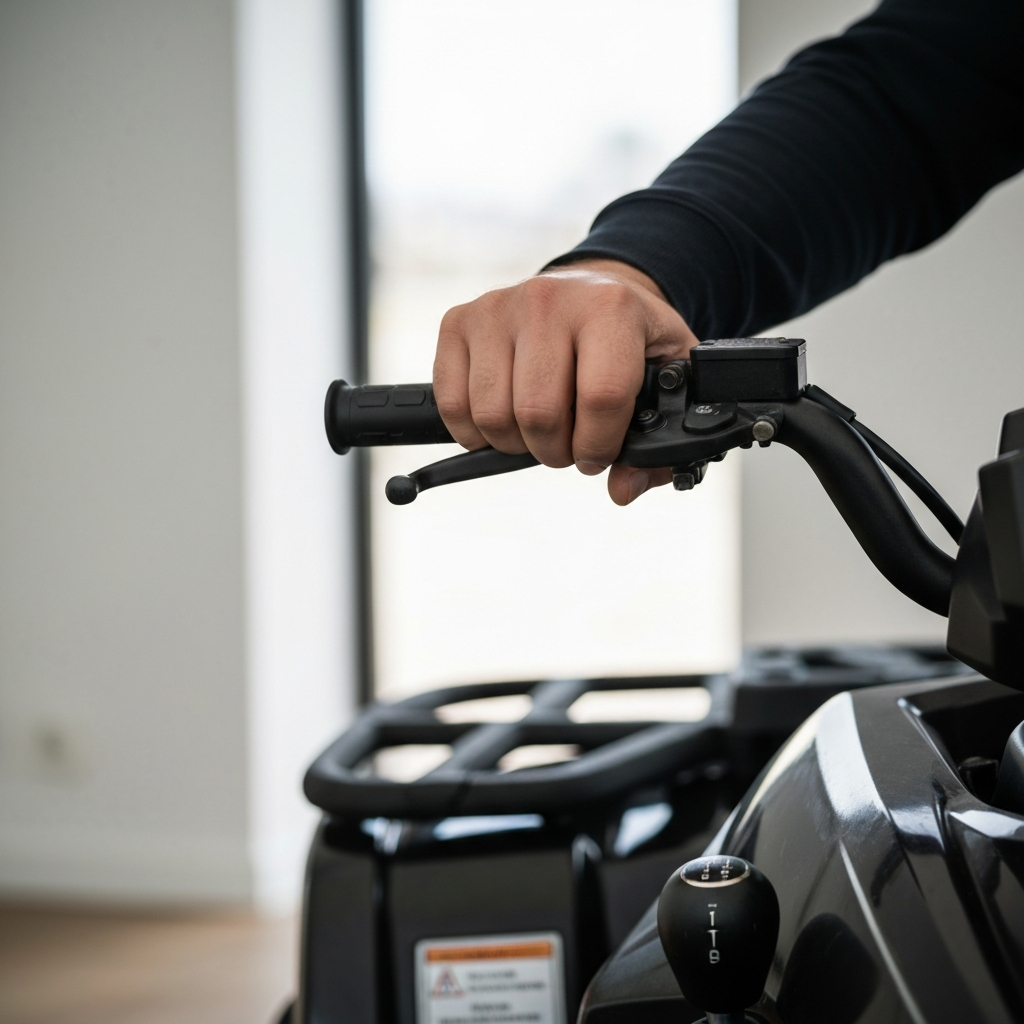
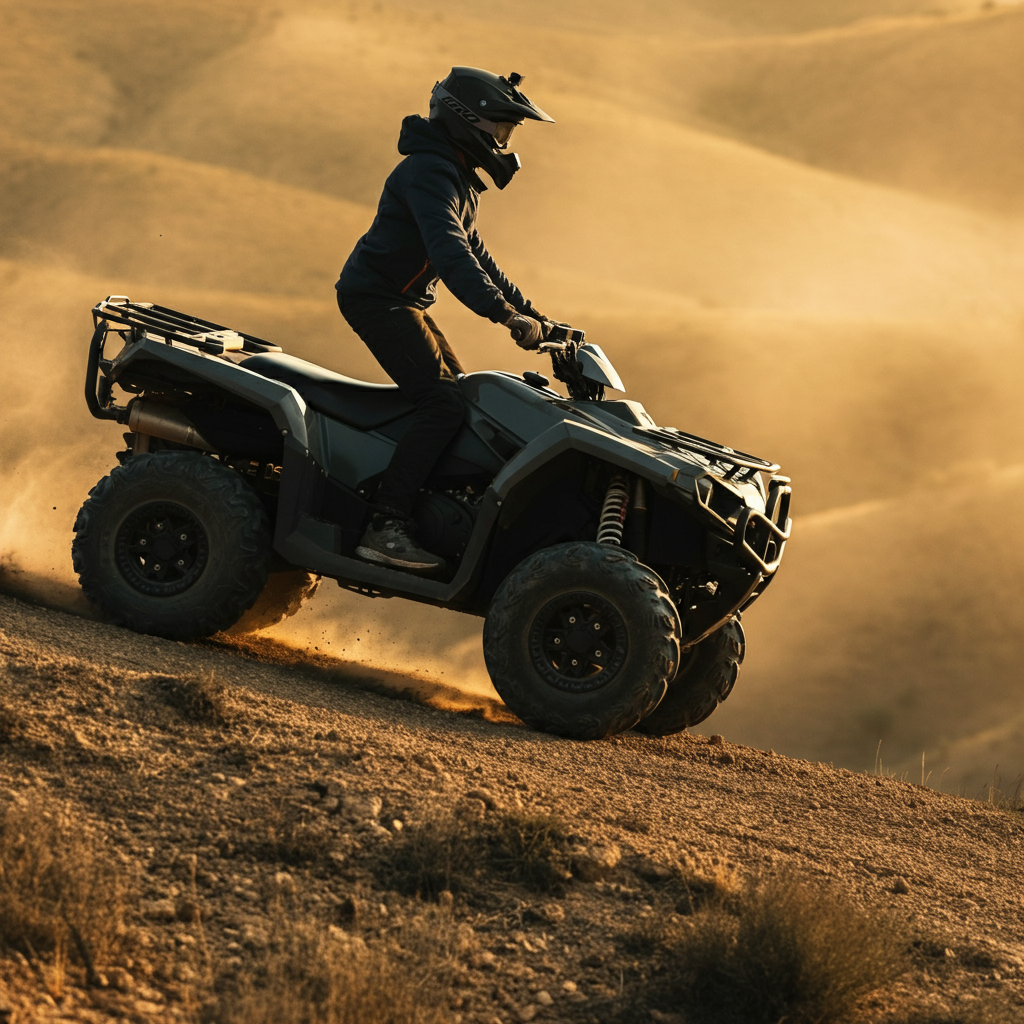
Selecting the correct gear is vital for maintaining momentum and preventing wheel spin during the climb. Typically, a lower gear (e.g., first or second) is recommended for hill climbs, as it provides more torque and control. However, the ideal gear will depend on the specific ATV model, engine size, and hill conditions. Experiment to find the gear that provides a good balance between power and control. Once you have selected the gear, maintain a slightly forward body position. This shifts your weight towards the front of the ATV, improving traction and preventing the front end from lifting.
Maintaining the correct body position is not just about leaning forward; it's about actively shifting your weight as needed. If the front end starts to lift, lean further forward. If the rear wheels begin to spin, shift your weight slightly backward to improve traction. Use your legs to grip the ATV, providing added stability and control.
Step 3: Throttle Control and Momentum
Smooth and consistent throttle control is key to a successful hill climb. Avoid sudden bursts of acceleration, as this can cause wheel spin and loss of control. Instead, apply the throttle gradually and maintain a steady speed. The goal is to maintain enough momentum to carry you up the hill without spinning out. Listen to your engine and adjust the throttle accordingly to maintain optimal power output. Momentum is your friend, but uncontrolled speed is your enemy.
If you feel the ATV starting to lose momentum, don't panic. Gently increase the throttle to regain speed. However, if the wheels start to spin excessively, ease off the throttle slightly to regain traction. Finding the right balance between power and traction is crucial. Practice makes perfect, so don't be discouraged if you don't get it right on your first attempt.
Step 4: Navigating Obstacles and Adjusting Technique
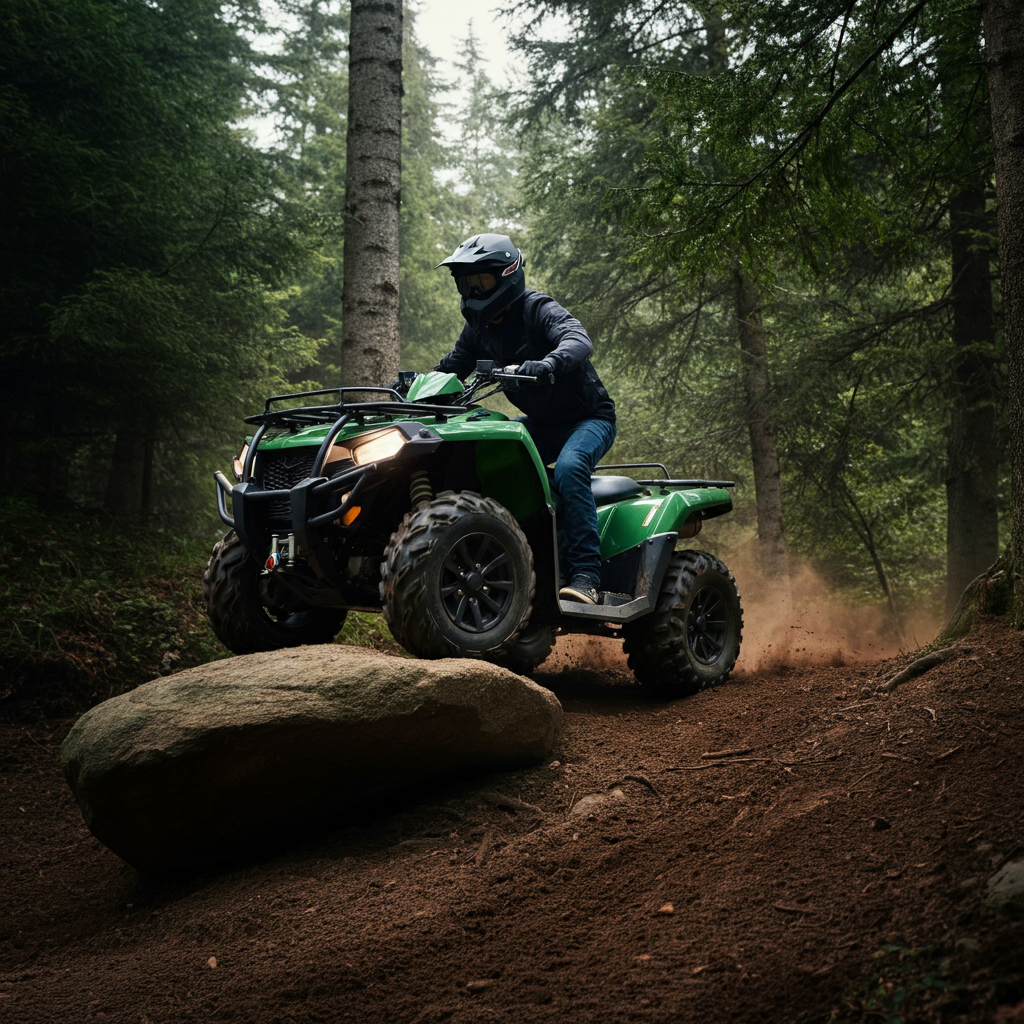
As you climb, you may encounter obstacles such as rocks, ruts, or loose patches of dirt. Be prepared to adjust your steering and throttle control to navigate these challenges. If you encounter a small obstacle, try to maintain your momentum and steer around it if possible. If you must go over it, approach it at a slight angle to minimize the impact on your ATV. Avoid sharp turns or sudden braking on steep slopes, as this can cause you to lose control or even roll over.
Adapt your technique to the specific conditions of the hill. If the surface is loose or slippery, consider lowering your tire pressure slightly to improve traction. If the hill is particularly steep, you may need to shift your weight further forward and use a lower gear. Be observant and responsive to the feedback from your ATV, and adjust your technique accordingly.
Step 5: Reaching the Summit and Maintaining Control
As you approach the top of the hill, ease off the throttle slightly and prepare to level out. Be especially cautious as you crest the hill, as the terrain may drop off suddenly on the other side. Maintain a firm grip on the handlebars and be ready to adjust your steering as needed to maintain control. Avoid the temptation to accelerate excessively as you reach the summit, as this can lead to loss of control. Scan the terrain ahead and be prepared to navigate any obstacles or changes in elevation.
Once you have reached the top, take a moment to assess your surroundings and plan your next move. Avoid stopping abruptly on the crest of the hill, as this can create a hazard for other riders. Instead, find a safe and level spot to stop and dismount. Remember to always respect the terrain and other riders, and leave no trace of your passage.
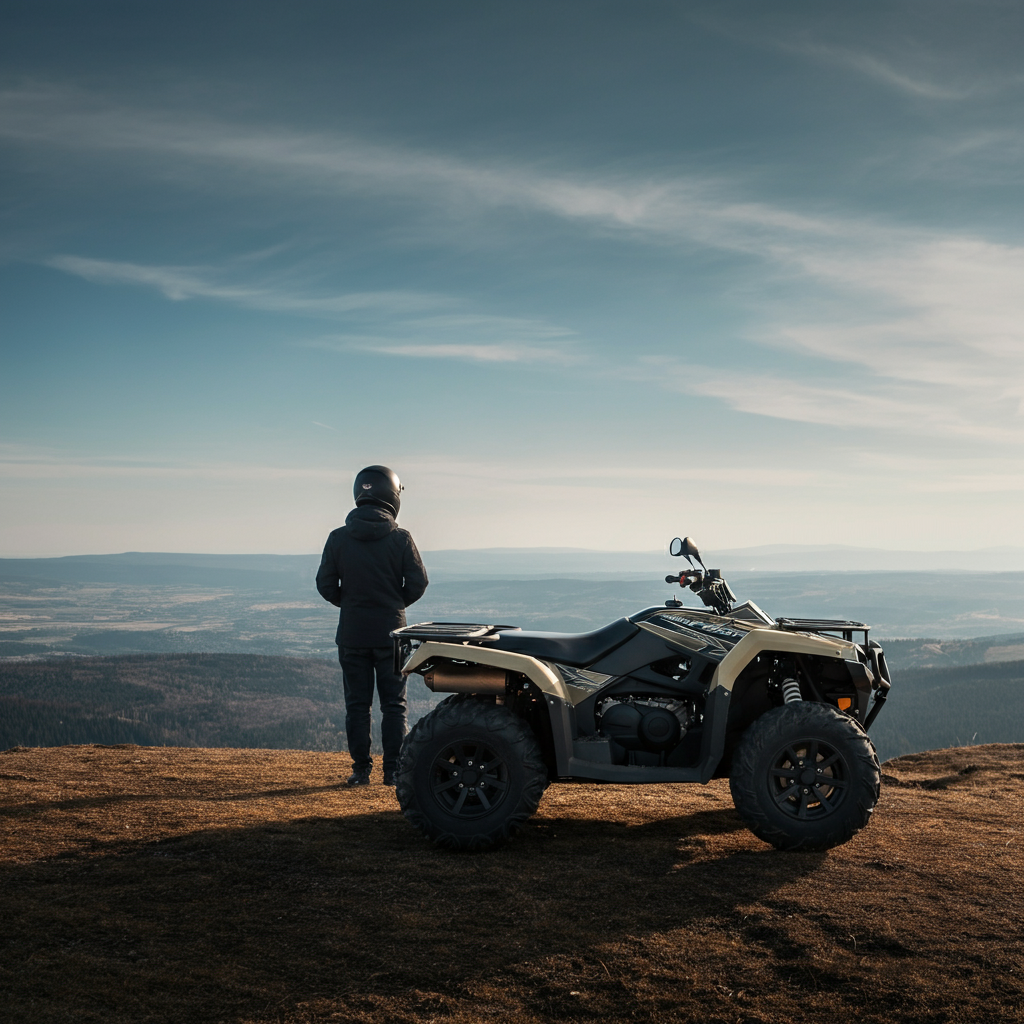
Safety Considerations
- Always wear a helmet, gloves, and sturdy boots. These are essential for protecting you in the event of a fall or collision.
- Never ride under the influence of alcohol or drugs. Impaired judgment and reaction time can lead to serious accidents.
- Ride within your skill level. Don't attempt hills that are beyond your abilities.
- Inspect your ATV before each ride. Check tire pressure, fluid levels, and brake functionality.
- Be aware of your surroundings. Watch out for other riders, hikers, and wildlife.
- Never carry passengers on an ATV designed for single riders. This can compromise stability and control.
- Take an ATV safety course. Learn proper riding techniques and safety procedures from qualified instructors.
Common Mistakes to Avoid
- Overconfidence: Don't underestimate the challenges of hill climbing.
- Improper Gear Selection: Using the wrong gear can lead to wheel spin or loss of momentum.
- Poor Body Positioning: Failing to shift your weight properly can compromise traction and stability.
- Abrupt Throttle Control: Sudden acceleration or braking can cause loss of control.
- Ignoring Obstacles: Failing to anticipate and navigate obstacles can lead to accidents.
Conclusion
Conquering hills on an ATV is a rewarding experience that requires a blend of skill, preparation, and respect for the terrain. By following the steps outlined in this guide, you can enhance your riding abilities and navigate uphill challenges with confidence. Remember to prioritize safety, practice diligently, and adapt your technique to the specific conditions of each hill. With the right approach, you can unlock a new level of adventure and enjoyment on your ATV.