That strange clunk, whine, or rattle coming from your car can be more than just annoying – it can signal a serious problem that, if left unaddressed, could lead to costly repairs or even a dangerous situation. Ignoring unusual car noises is never a good idea. But before you rush to the mechanic, taking the time to diagnose the noise yourself can save you money and give you a better understanding of your vehicle's condition.
This guide provides a systematic, step-by-step approach to identifying and understanding common car noises. We'll explore potential sources, from the engine to the brakes, and help you narrow down the possibilities. Remember, if you are ever unsure about a repair or diagnosis, consult a qualified mechanic immediately. Safety is always the priority.
By following these steps, you'll be well on your way to deciphering the symphony of sounds your car is producing and taking the appropriate action. Let's get started!
Step 1: Identify the Type of Noise
The first and most crucial step is to accurately describe the noise. Is it a squeal, a grind, a knock, a pop, a hiss, a rumble, or something else entirely? Consider the qualities of the sound: is it high-pitched or low-pitched? Is it constant or intermittent? The more descriptive you can be, the better you can communicate the issue to a mechanic, or even diagnose it yourself. Try to isolate the specific sound and disregard any other general noises that your car makes. The characteristics of the noise are key to understanding its origin.

Step 2: Determine When the Noise Occurs
Pinpointing when the noise happens is just as important as identifying its type. Does it only occur when you start the car, while accelerating, when braking, while turning, or at a specific speed? Does it happen only when the engine is cold, or only when it is warm? Does the noise change depending on whether you're going uphill or downhill? The more details you can gather, the better the clues you'll have. Pay close attention to the conditions that trigger the sound. This information will dramatically narrow down the search area.
Step 3: Locate the General Area of the Noise
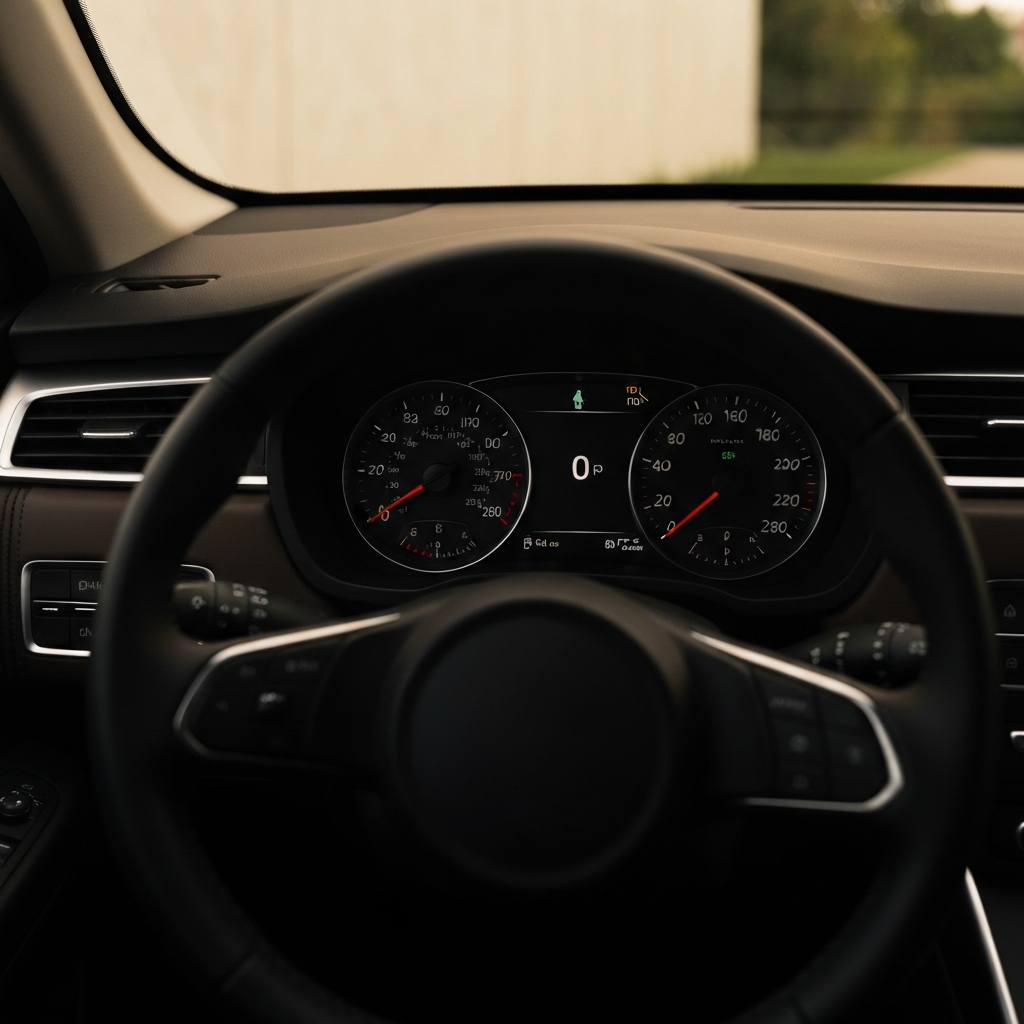
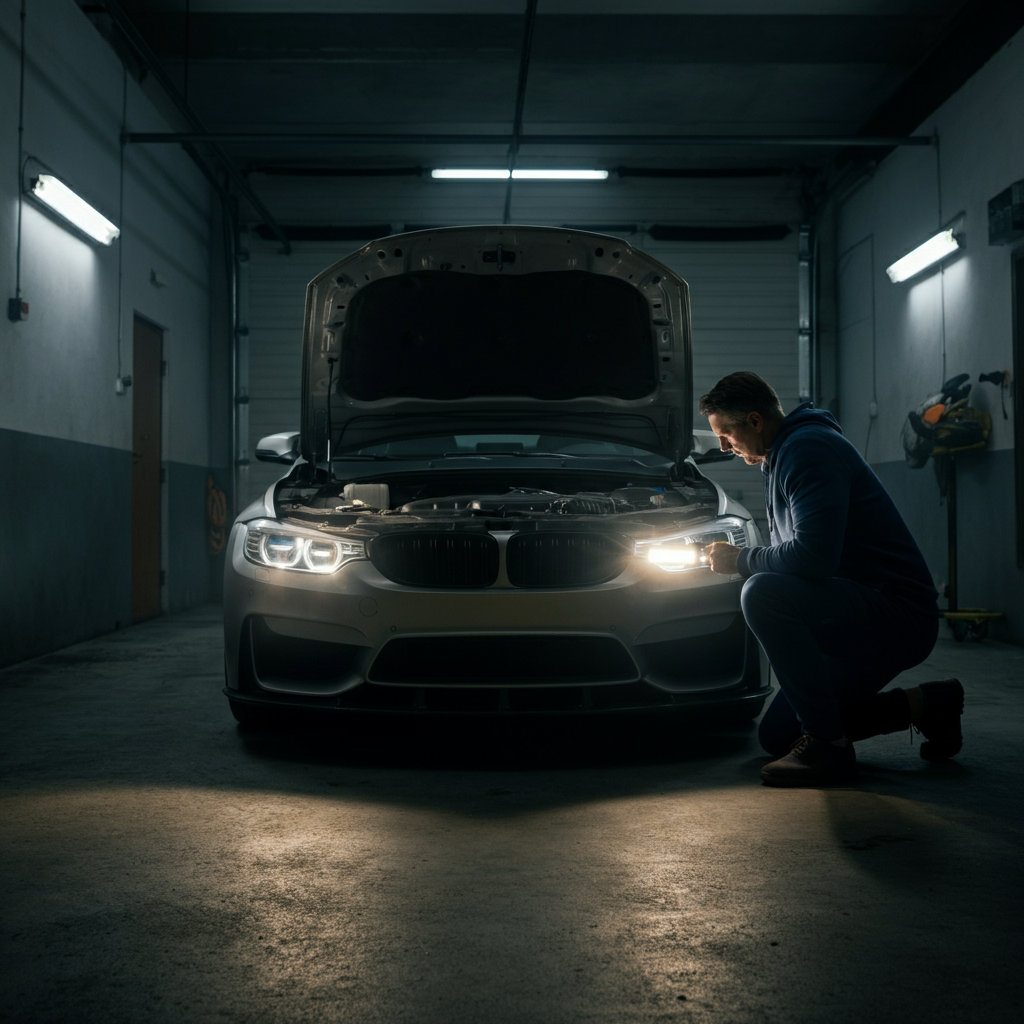
Try to pinpoint the general area from which the noise is originating. Is it coming from the engine compartment, underneath the car, the wheels, the front, the rear, or inside the cabin? Have a friend walk around the car while you replicate the noise. Be very careful to observe safety precautions when having someone inspect the car while it is moving. If you can determine the general location, it can help you immediately narrow down potential culprits. For example, a noise coming from the front wheels when braking is likely related to the brake system.
Step 4: Inspect the Brakes
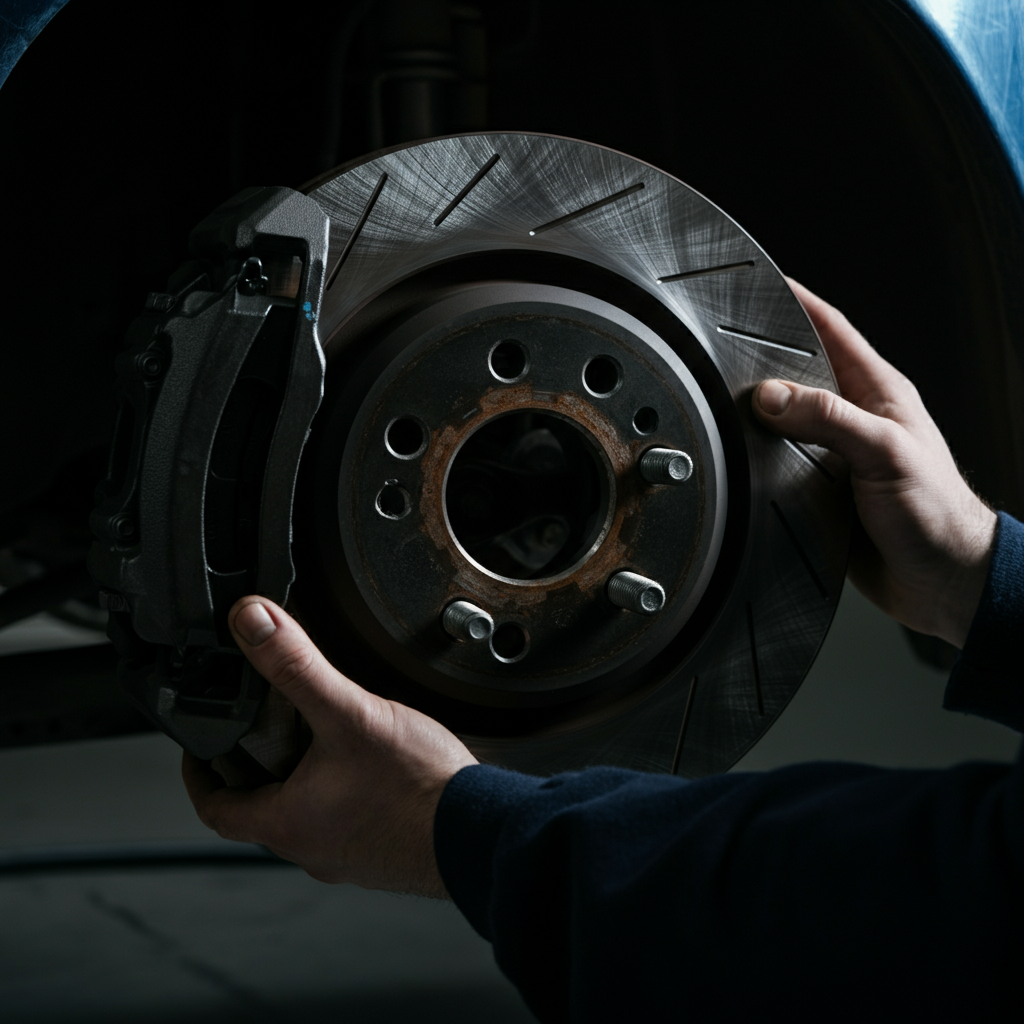
Brake noises are some of the most common and easily identifiable car sounds. Squealing brakes often indicate worn brake pads. Grinding noises, however, usually signify that the brake pads are completely worn down and the metal backing plate is rubbing against the rotor. This is a serious issue that requires immediate attention to prevent damage to the rotors. Other brake noises could be caused by a loose caliper or debris caught in the braking system. A visual inspection of the brake pads and rotors can often confirm or rule out this source.
Step 5: Check the Tires and Suspension
Tire and suspension issues can manifest as a variety of noises. A constant humming or roaring sound that increases with speed could be a sign of worn tire tread or a wheel bearing problem. A clunking or rattling noise, especially when going over bumps, is often indicative of a suspension issue, such as worn shocks, struts, or ball joints. Inspect your tires for uneven wear. Uneven tire wear can also point to alignment problems, which can generate noise. A simple visual inspection of the tires and suspension components can sometimes reveal obvious problems.
Step 6: Listen to the Engine
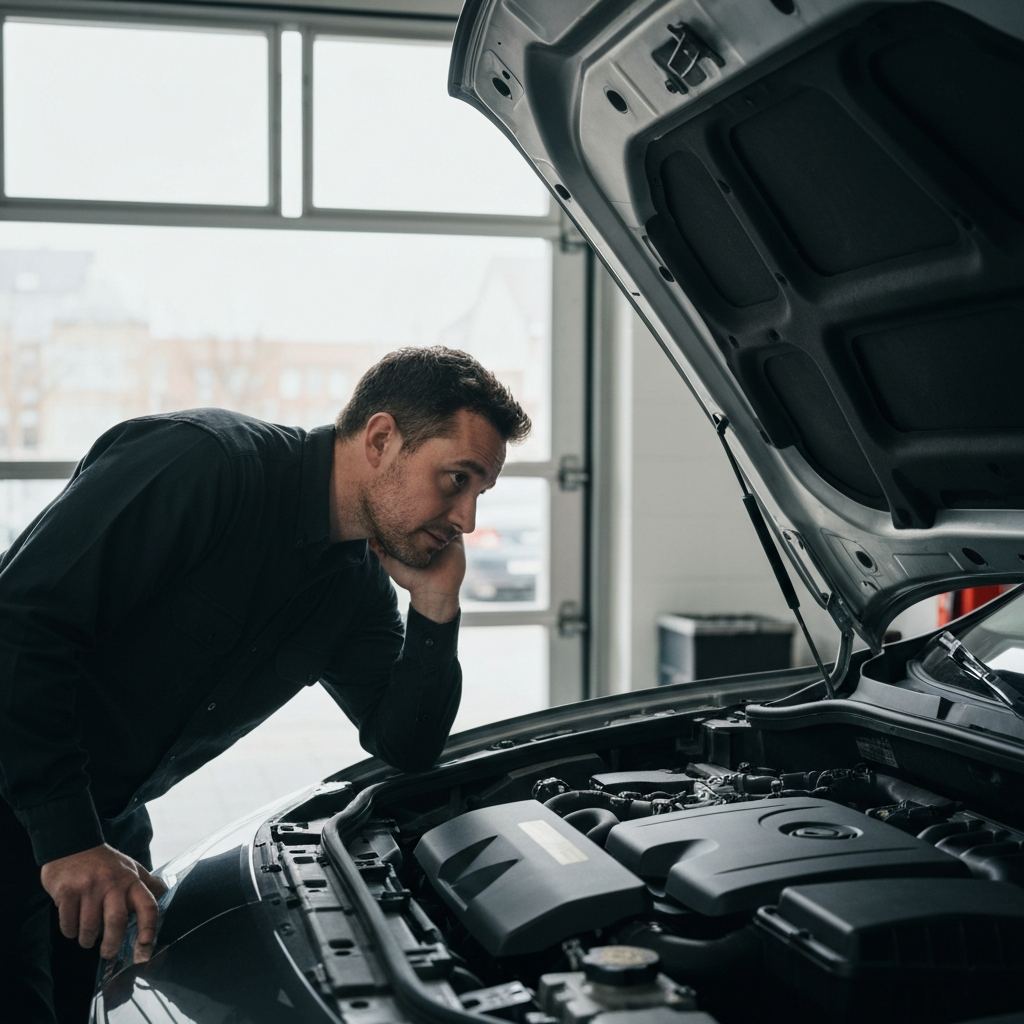
Engine noises can be tricky to diagnose, as they can stem from numerous sources. A knocking or tapping sound could indicate anything from low oil pressure to worn connecting rod bearings. A hissing sound might point to a vacuum leak. A whining sound could be a failing power steering pump or alternator. Check your oil level first, as low oil is a common cause of engine noise. Carefully listen to the engine at idle and while revving it gently to try to isolate the source of the noise. If you're unsure, it's best to consult a professional mechanic, as engine problems can quickly escalate.
Step 7: Examine the Exhaust System
A rattling or hissing sound coming from underneath the car could be a sign of an exhaust system issue. A rattling noise often indicates a loose heat shield or a broken catalytic converter. A hissing sound suggests an exhaust leak, which can be dangerous and should be addressed promptly. Check the exhaust pipes, muffler, and catalytic converter for any signs of damage, rust, or leaks. Be careful when inspecting the exhaust system, as it can get extremely hot. Let it cool down completely before attempting any repairs or inspections.

Step 8: Test Drive and Refine Your Diagnosis
After your initial inspections, take the car for a test drive, paying close attention to the noise. Does it change or disappear under different driving conditions? Does it get worse or better after the engine warms up? Try different speeds, turning maneuvers, and braking situations. Carefully document any changes in the noise and note any additional symptoms that you observe. This additional information will further refine your diagnosis and help you communicate the problem effectively to a mechanic, if needed.

Safety Considerations
- Always use jack stands when working underneath a vehicle. Never rely solely on a jack.
- Wear safety glasses to protect your eyes from debris.
- Let the engine and exhaust system cool down completely before attempting any repairs.
- If you are unsure about a repair, consult a qualified mechanic.
Common Mistakes to Avoid
- Ignoring the noise in the hope that it will go away.
- Misdiagnosing the noise based on limited information.
- Attempting repairs beyond your skill level.
FAQ Section
Q: My car makes a clicking noise when I turn the steering wheel. What could that be?
A: This could indicate a problem with the constant velocity (CV) joints in your axles. It's best to have them inspected by a mechanic.
Q: My car makes a squealing noise when I start it in cold weather. What could be the cause?
A: This is often caused by a worn or loose serpentine belt. Check the belt for cracks or damage, and consider replacing it.
Conclusion
Diagnosing a mysterious car noise can seem daunting, but by following this step-by-step guide, you can systematically narrow down the potential causes. Remember to pay close attention to the type of noise, when it occurs, and where it's coming from. Safety is paramount, so don't hesitate to seek professional help if you're unsure about any aspect of the diagnosis or repair. With a little patience and careful observation, you can often identify the source of the noise and take the appropriate action to keep your car running smoothly and safely.