That strange noise your car is making could be a minor annoyance, or a sign of impending doom for your wallet. Ignoring it won't make it go away, and often leads to costlier repairs down the road. Learning to identify common car sounds can empower you to understand what's happening under the hood and make informed decisions about repairs.
This guide will walk you through a systematic approach to diagnosing car sounds, helping you pinpoint the source of the problem and potentially save hundreds (or even thousands) of dollars by avoiding unnecessary trips to the mechanic. Remember, safety is paramount. If you're unsure about anything, consult a qualified professional.
By becoming familiar with the common sounds of automotive distress, you can become a more informed car owner and proactively address potential issues before they escalate.
Step 1: Safety First and Sound Recording
Before you start poking around under the hood, ensure your car is parked on a level surface, the parking brake is engaged, and the engine is off and cool. If the sound is related to movement, find a safe, quiet location to drive the car where you can focus on the sound without distractions. Never attempt to diagnose a sound while actively driving in heavy traffic.
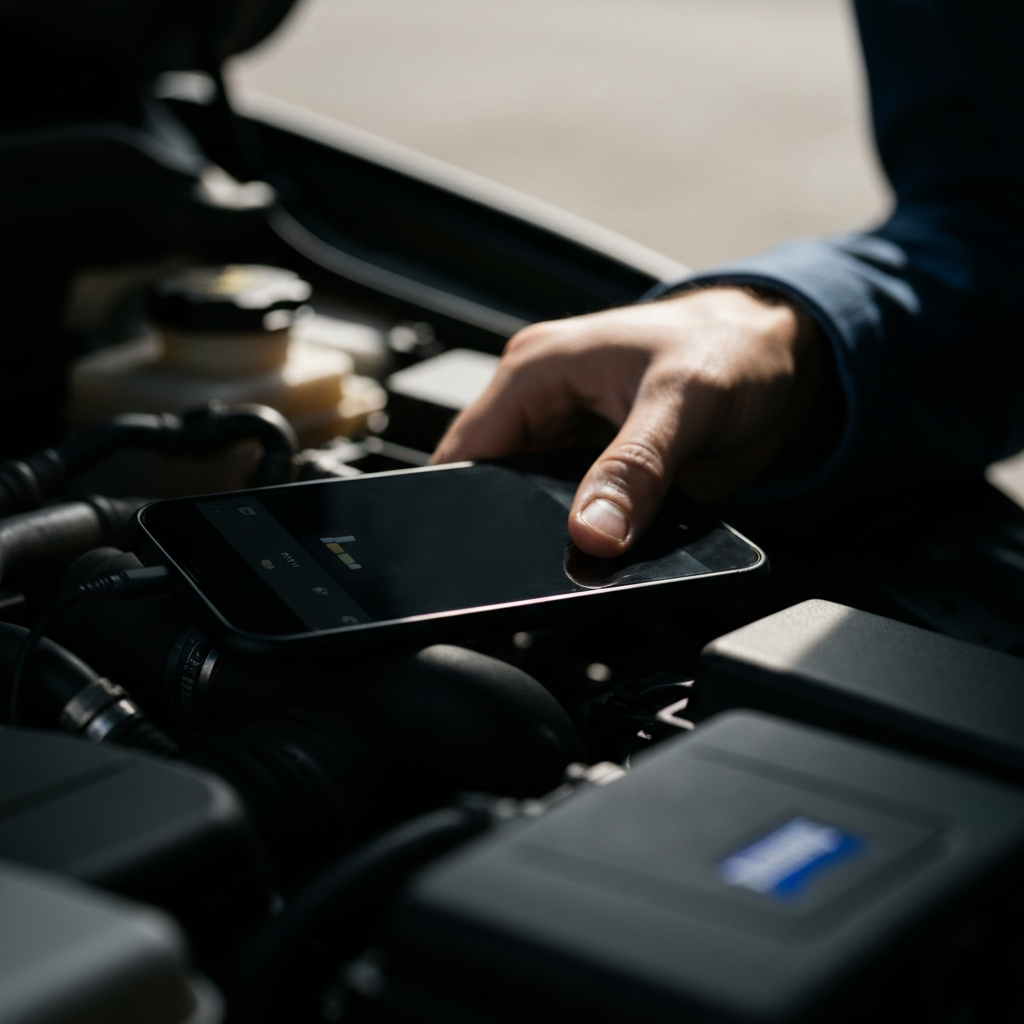
The first step is capturing the sound accurately. Use your smartphone or a dedicated audio recorder to record the noise. Try to capture the sound under different conditions: idling, accelerating, braking, turning, etc. This will give you more information to work with.
Step 2: Classify the Sound
Sounds can be categorized into a few broad types: whining, grinding, squealing, knocking, hissing, and clicking. Each type of sound is often associated with specific components or systems. A whining sound, for instance, might point to the power steering pump or a failing bearing. Grinding could indicate brake issues or internal engine damage. Note when the sound occurs. Is it constant, intermittent, or related to a specific action? Does the pitch or volume change with speed?
Consider the location of the sound as well. Can you tell if it's coming from the front, rear, left, right, under the car, or from the engine bay? This will greatly narrow down the possible sources.
Step 3: Check the Obvious Culprits
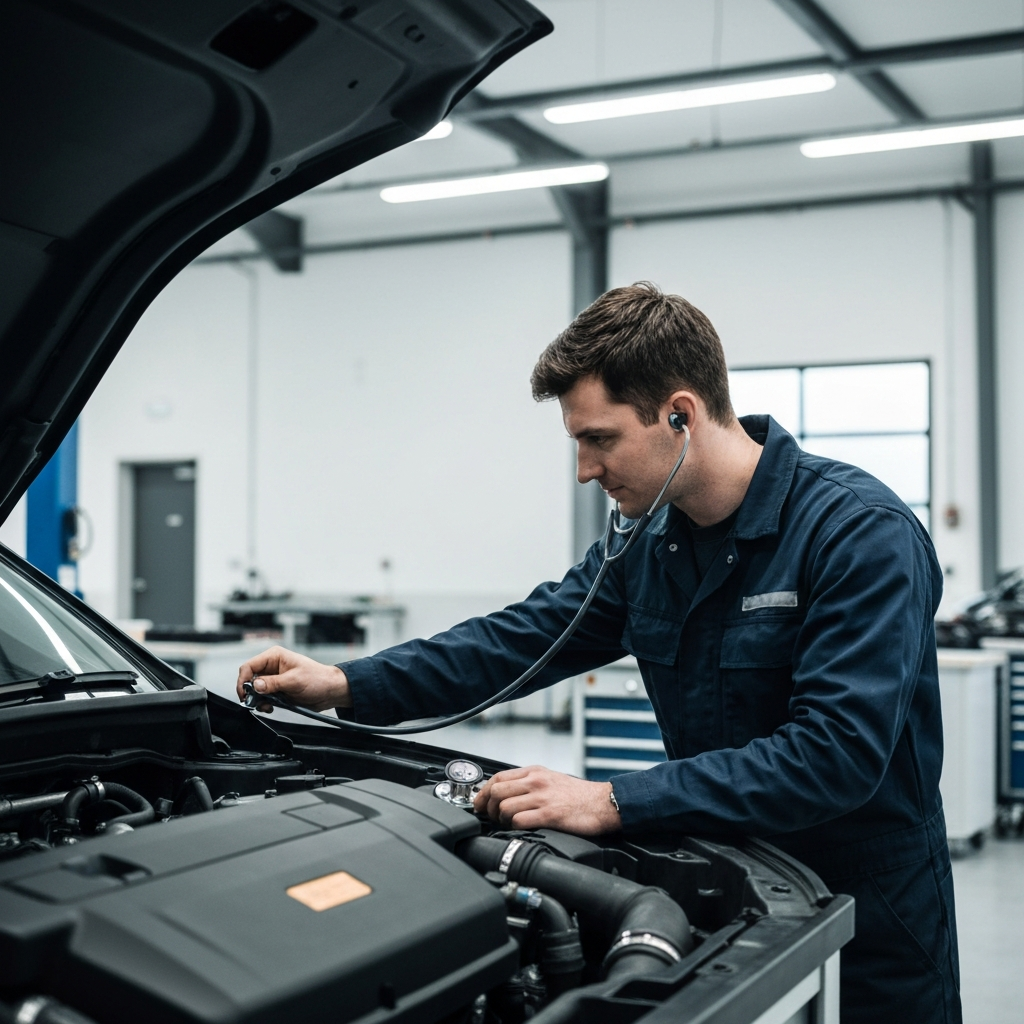
Before diving into complex diagnostics, check the simple things first. Are all fluids at the proper levels (oil, coolant, power steering fluid, brake fluid)? Low fluid levels can often cause unusual noises. Inspect your tires for uneven wear or embedded objects that could be causing a rhythmic thumping. Visually inspect the engine bay for loose belts, hoses, or any obvious damage. Look for leaks of any kind.
Sometimes a seemingly complex issue can be traced back to something simple like a loose heat shield rattling against the exhaust system. A quick visual inspection can save you time and money.
Step 4: Focus on the Specific Sound and System
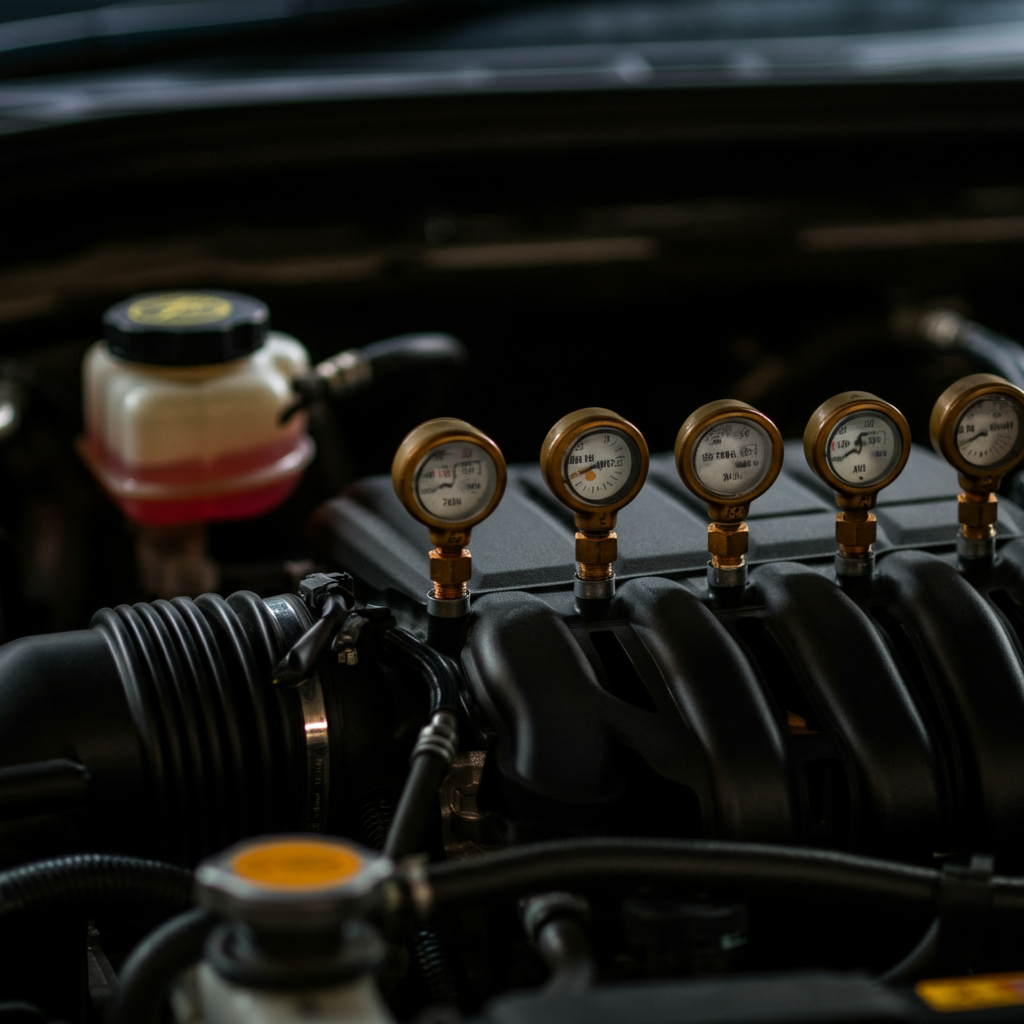
Based on the sound classification, focus on the system most likely responsible. For example, if you hear a squealing noise when braking, the brake system is the prime suspect. If the sound is a rhythmic clicking that increases with speed, it could be related to the wheel bearings or CV joints. If it's a knocking sound coming from the engine, internal engine components need closer investigation.
Once you've identified the likely system, research common issues and sounds associated with that system. Online forums and repair manuals can be invaluable resources.

Step 5: Perform Targeted Tests
Now it's time to perform some targeted tests. If you suspect a brake issue, carefully test the brakes in a safe location. Do you feel any pulsation in the pedal? Does the sound change when you apply light or heavy pressure? If you suspect a wheel bearing issue, try turning the wheel while the car is jacked up. Listen for any grinding or roughness. Note: If you're not comfortable jacking up a car safely, skip this step and consult a professional.
Many sounds can be pinpointed with simple tests. For example, a failing power steering pump will often whine louder when you turn the steering wheel at a standstill.
Step 6: Seek Professional Assistance (If Needed)
If you've followed these steps and are still unsure about the source of the noise, it's time to consult a qualified mechanic. Provide them with as much information as possible: the sound description, when it occurs, and any tests you've already performed. This will help them diagnose the problem more efficiently.
Even if you plan to do the repair yourself, a professional diagnosis can be a worthwhile investment to avoid wasting time and money on incorrect parts.

Tools or Materials Required
- Smartphone or audio recorder
- Jack and jack stands (optional, for wheel bearing checks)
- Basic hand tools (wrenches, screwdrivers)
- Mechanic's stethoscope (optional, for pinpointing engine noises)
- Repair manual or online resources
Common Mistakes to Avoid
- Ignoring the sound for too long, allowing the problem to worsen.
- Misdiagnosing the sound based on limited information.
- Attempting repairs beyond your skill level.
- Using cheap or incorrect replacement parts.
- Not wearing appropriate safety gear (eye protection, gloves).
Safety Considerations
- Always wear safety glasses when working under the car.
- Use jack stands to support the car – never rely solely on the jack.
- Disconnect the negative battery cable before working on electrical components.
- Work in a well-ventilated area when dealing with fuels or solvents.
FAQ Section
Q: My car makes a clicking noise when I turn the key, but won't start. What could it be?
A: This is often a sign of a weak or dead battery, or a faulty starter motor. Try jump-starting the car. If that works, the battery is likely the culprit. If it still doesn't start, the starter motor may need to be replaced.
Q: I hear a squealing noise when I accelerate. What could it be?
A: This is often caused by a slipping belt, such as the serpentine belt. Check the belt for cracks, wear, or looseness. Replace the belt if necessary.
Q: My car makes a thumping noise that gets faster as I drive. What could it be?
A: This could be a tire issue, such as a bulge or embedded object. Inspect your tires carefully. It could also be a more serious issue with the suspension or drivetrain.
Conclusion
Diagnosing car sounds can seem daunting, but by following a systematic approach and using your senses, you can often pinpoint the source of the problem and potentially save a significant amount of money. Remember to prioritize safety and consult a professional when in doubt. With a little knowledge and effort, you can become a more informed and proactive car owner.