That persistent rattle, the high-pitched squeal, or the ominous thumping – every car owner knows the dread of hearing a new and unusual noise emanating from their vehicle. While it's always advisable to consult a professional mechanic, understanding the basics of automotive sound diagnosis can save you time, money, and the frustration of unnecessary repairs. This guide will walk you through a systematic approach to pinpointing the source of common car sounds and, in some cases, resolving the issue yourself.
Before diving in, remember that safety is paramount. Never attempt repairs on a moving vehicle or without proper safety precautions. If you are uncomfortable with any of the steps outlined below, or if the sound indicates a potentially serious issue like brake failure or engine trouble, seek professional assistance immediately. Consider this guide as a starting point for investigation, not a substitute for qualified mechanical expertise.
The aim here is to provide a practical and accessible framework for diagnosing common car sounds. We'll cover how to listen effectively, narrow down the potential causes, and perform simple checks to identify the culprit. Let's get started and silence those irritating noises!
Step 1: Listen Carefully and Note the Details
The first step is the most crucial: attentive listening. Pay close attention to when the sound occurs, its characteristics, and any related symptoms. Does it happen only when the engine is cold? Does it change with speed? Is it present during acceleration, braking, or turning? Try to describe the sound as accurately as possible (e.g., "high-pitched squeal," "low-frequency rumble," "intermittent clicking"). Note any accompanying vibrations, changes in performance, or warning lights on the dashboard. The more information you gather, the easier it will be to identify the source.

Step 2: Identify the General Area
Once you've characterized the sound, try to pinpoint its general location. Is it coming from the front, rear, left, right, or center of the vehicle? Have a passenger help you listen from different locations inside and outside the car while it's running (or being carefully driven at low speed in a safe location). This can help narrow down the potential source significantly. Sounds from the engine bay often indicate engine-related issues, while sounds from the wheels suggest problems with the brakes, suspension, or tires. A noise from under the car could point to exhaust or drivetrain problems.

Step 3: Check Common Culprits in that Area
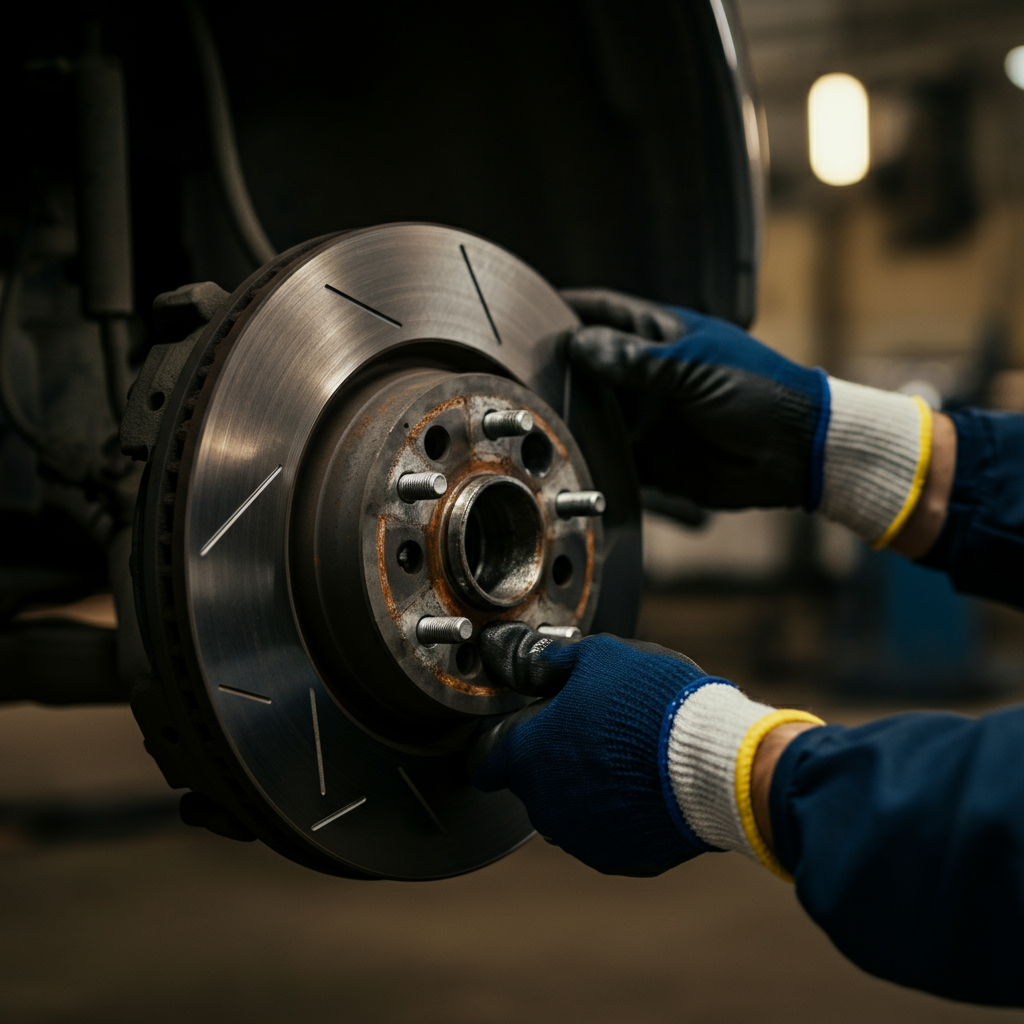
Now that you have a location, start checking the most common causes of sounds in that area. For example, a squealing sound from the front wheels is often indicative of worn brake pads. Inspect the brake pads visually, looking for excessive wear or damage. A clunking sound from the suspension might be caused by worn-out bushings or ball joints. Visually inspect these components for cracks, play, or damage. If you're unsure how to identify these components, consult your car's repair manual or a reliable online resource.
Step 4: Perform Simple Tests (When Safe)
In some cases, you can perform simple tests to confirm your diagnosis. For example, if you suspect a wheel bearing issue (often characterized by a humming or grinding sound that changes with speed), carefully jack up the car and try to wiggle the wheel. Excessive play or a gritty feeling indicates a worn wheel bearing. Never work under a vehicle supported only by a jack; always use jack stands for safety. If you suspect an exhaust leak (often characterized by a hissing or sputtering sound), have someone start the engine while you carefully listen for escaping exhaust gases near the exhaust pipes and connections.

Step 5: Use a Mechanic's Stethoscope (Optional)
For more precise sound localization, consider using a mechanic's stethoscope. This tool allows you to listen to specific components, such as the engine, alternator, or power steering pump, and isolate the source of the noise. Place the stethoscope probe on different parts of the component and listen for changes in the sound. Be careful not to touch any moving parts with the stethoscope probe. These are typically inexpensive and can be purchased at most auto parts stores.
Step 6: Consult Your Car's Repair Manual or Online Resources
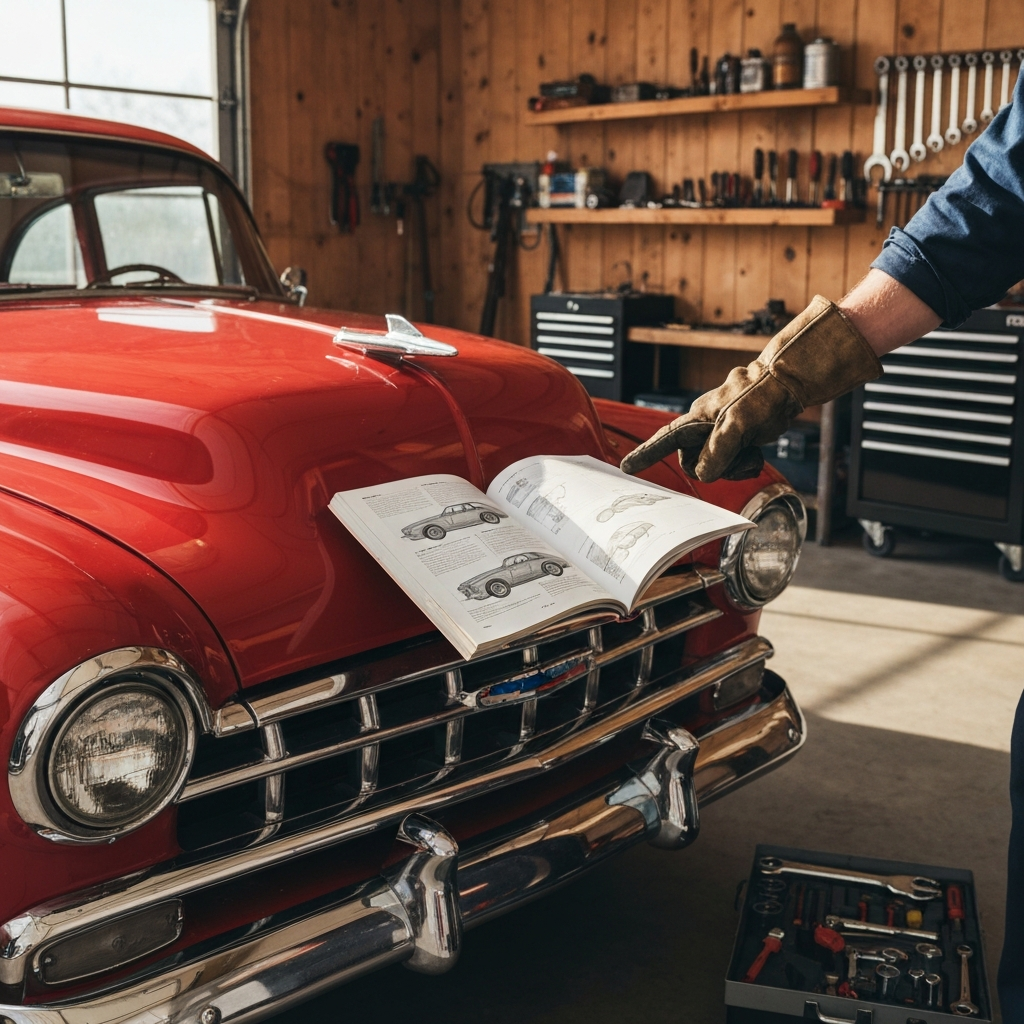
Once you have a suspected cause, consult your car's repair manual or reliable online resources for detailed instructions on how to inspect, diagnose, and repair the component. These resources often provide specific troubleshooting tips and diagnostic procedures for common problems. Be sure to follow all instructions carefully and use the proper tools and techniques. If the repair requires specialized knowledge or equipment, it's best to leave it to a professional.
Step 7: Know Your Limits and Seek Professional Help
Finally, it's crucial to know your limits. Not every car sound is easily diagnosed or repaired at home. If you are uncomfortable with any of the steps outlined above, or if the sound indicates a potentially serious issue, seek professional assistance from a qualified mechanic. Attempting repairs beyond your skill level can lead to further damage and potentially dangerous situations. Remember, safety is always the top priority.

Tools or Materials Required
- Jack and jack stands
- Mechanic's stethoscope (optional)
- Basic hand tools (wrenches, sockets, screwdrivers)
- Repair manual or online resources
- Gloves and safety glasses
Safety Considerations
- Always wear safety glasses when working on your car.
- Never work under a vehicle supported only by a jack; always use jack stands.
- Disconnect the negative battery cable before working on electrical components.
- Be careful around hot engine parts and fluids.
Pro Tips
- Use a piece of hose as a makeshift stethoscope to pinpoint sounds.
- Record the sound with your phone to help you remember it later.
- Take detailed notes of your observations and findings.
FAQ Section
Q: My car makes a clicking sound when I turn the key. What could it be?
A: This often indicates a weak battery or a faulty starter motor.
Q: I hear a squealing sound when I brake. Is this normal?
A: It's likely worn brake pads, but could also be other brake-related issues.
Q: What does a bad wheel bearing sound like?
A: Usually a humming or grinding noise that changes with vehicle speed.
Conclusion
Diagnosing car sounds can seem daunting, but with a systematic approach and careful attention to detail, you can often pinpoint the source of the problem and potentially save yourself time and money. Remember to prioritize safety, consult reliable resources, and know your limits. By following these steps, you'll be better equipped to understand your car's noises and make informed decisions about its care and maintenance.