Every car owner dreads it: that unusual noise emanating from their vehicle. Is it a minor annoyance, or a sign of impending mechanical doom? Identifying the source and nature of these sounds is the first step towards saving yourself potentially hundreds (or even thousands) of dollars in repair costs. This guide will provide you with a systematic approach to diagnosing common car noises, helping you differentiate between a loose heat shield and a failing wheel bearing.
Before diving in, remember that your safety is paramount. If a sound is accompanied by unusual vibrations, steering difficulties, or a burning smell, pull over to a safe location immediately and call for professional assistance. Don't attempt to diagnose or repair potentially dangerous issues on the side of the road.
This guide is designed to help you narrow down the possibilities, providing you with the right information to communicate effectively with your mechanic if a professional repair is needed. Let's get started and decipher those automotive mysteries!
Step 1: Identify the Type of Sound
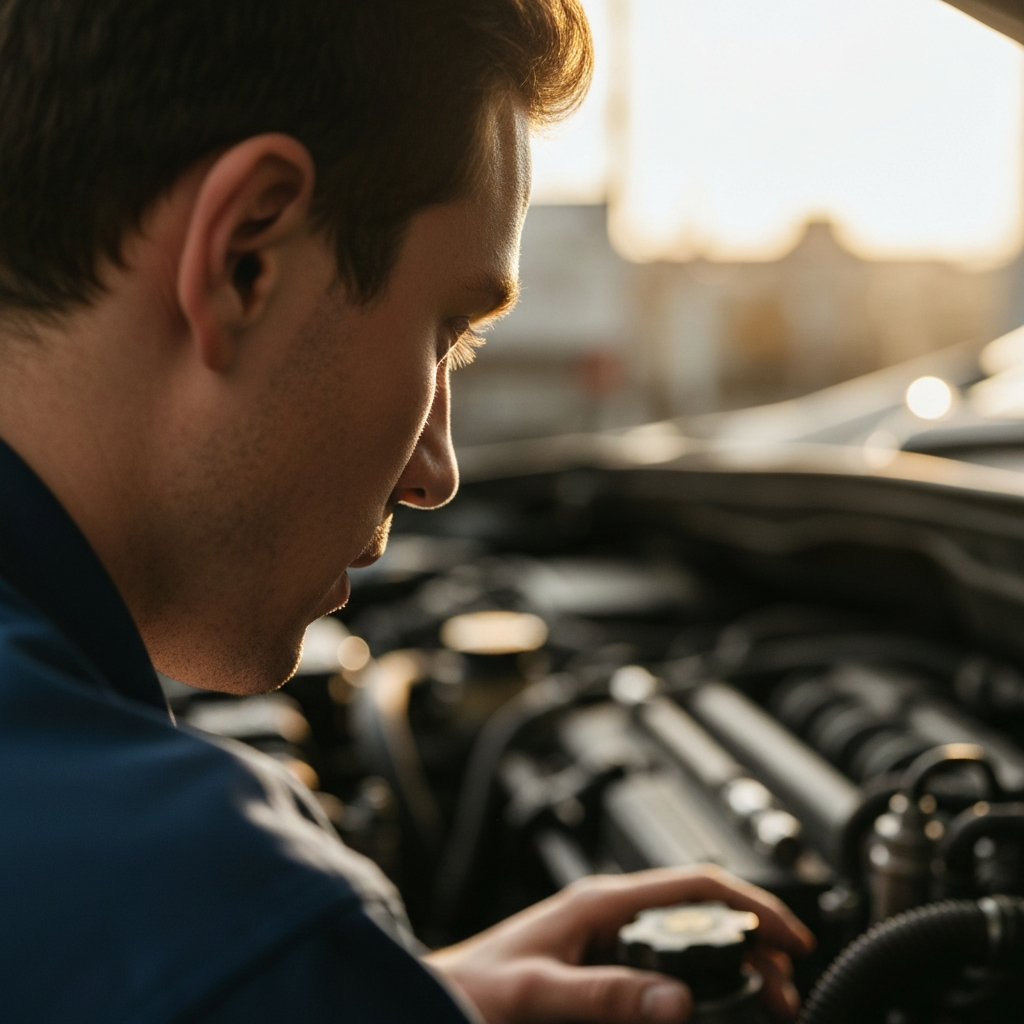
The first, and perhaps most crucial step, is to accurately describe the sound you're hearing. Is it a squeal, a grinding noise, a clunk, a rattle, or something else entirely? Consider the following descriptive terms: squealing, grinding, clicking, knocking, hissing, roaring, whistling, buzzing, or thumping. The specific sound is a key indicator of the problem area. For example, a high-pitched squeal is often associated with belts, while a grinding noise usually points to brakes or bearings. Try to be as specific as possible when describing the sound.
Step 2: Determine When the Sound Occurs
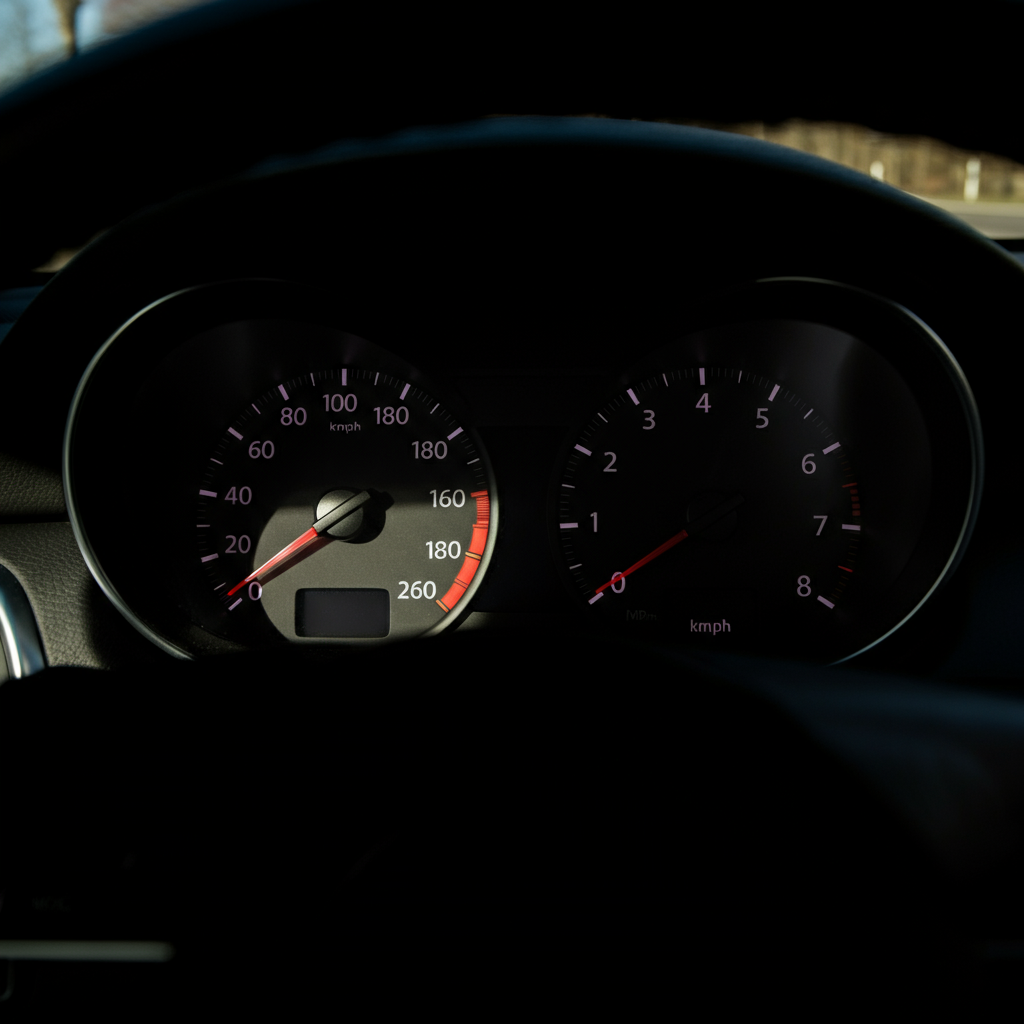
When do you hear the sound? This is another critical piece of information. Does it happen only when you start the car, while driving at a specific speed, when turning, when braking, or all the time? Sounds that occur only during specific actions strongly suggest the issue is related to that system. For instance, a sound that only happens when turning is likely related to the steering or suspension system, possibly a CV joint or a power steering pump. Note if the sound changes in intensity or frequency based on speed or engine RPM.
Step 3: Pinpoint the Location of the Sound
Try to determine where the sound is coming from. Is it from the front, the rear, the engine compartment, underneath the car, or inside the cabin? Having a general idea of the location can significantly narrow down the possibilities. If possible, have a passenger help you pinpoint the sound while you drive (safely, of course). Remember that sounds can be deceptive and travel through the car's structure. Sometimes, what sounds like it's coming from the front might actually be originating from the rear.

Step 4: Check the Battery and Starter (If the Car Won't Start)
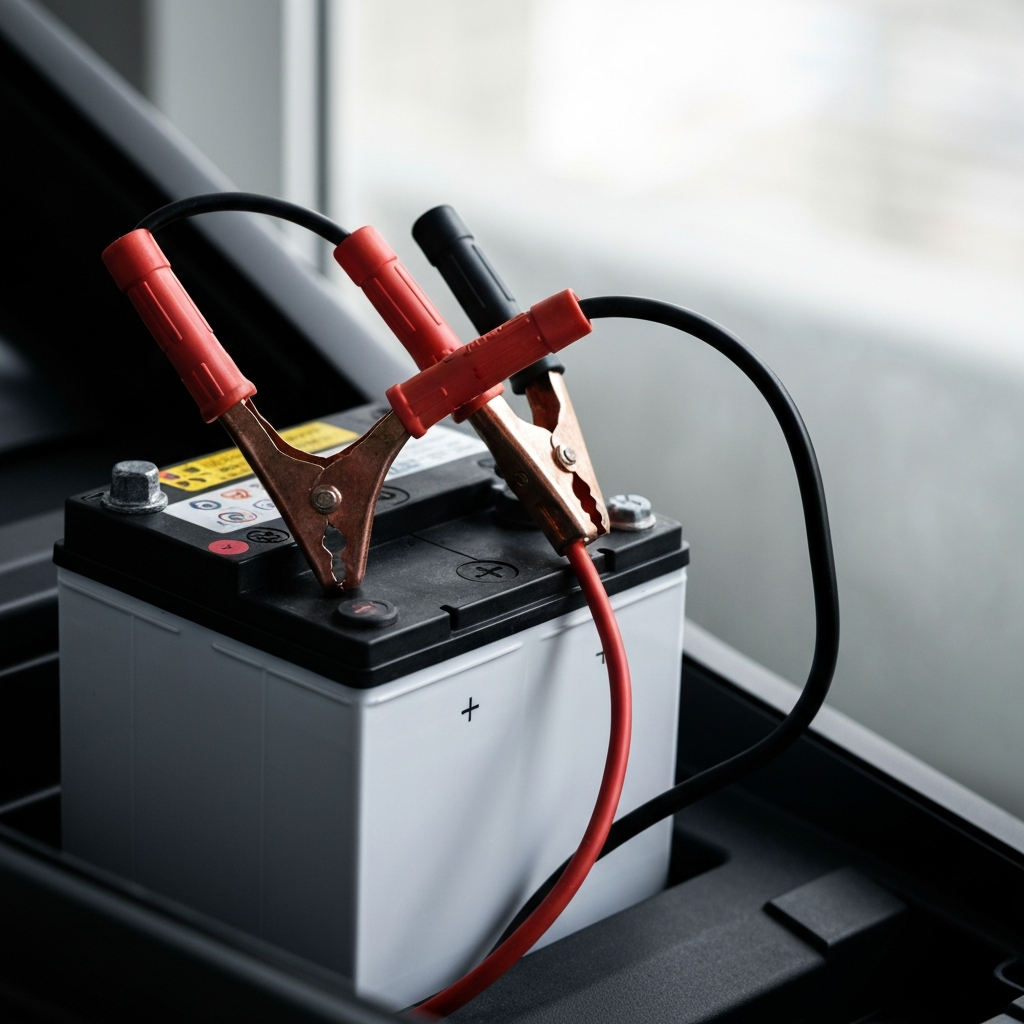
If the noise you're investigating is a *lack* of noise when trying to start the car, the problem likely lies with the battery or starter system. If you turn the key and hear nothing, or only a single click, this points to either a dead battery, a loose battery connection, or a faulty starter. Begin by checking the battery terminals for corrosion and ensuring they are tightly connected. If the terminals are clean and secure, try jump-starting the car with another vehicle. If the car starts with a jump, the battery is likely the culprit. If it still doesn't start, the problem could be with the starter, the starter solenoid, or other components in the starting system. If the battery is new and fully charged, the issue is most likely starter-related.
Step 5: Inspect Belts and Pulleys (For Squealing Sounds)
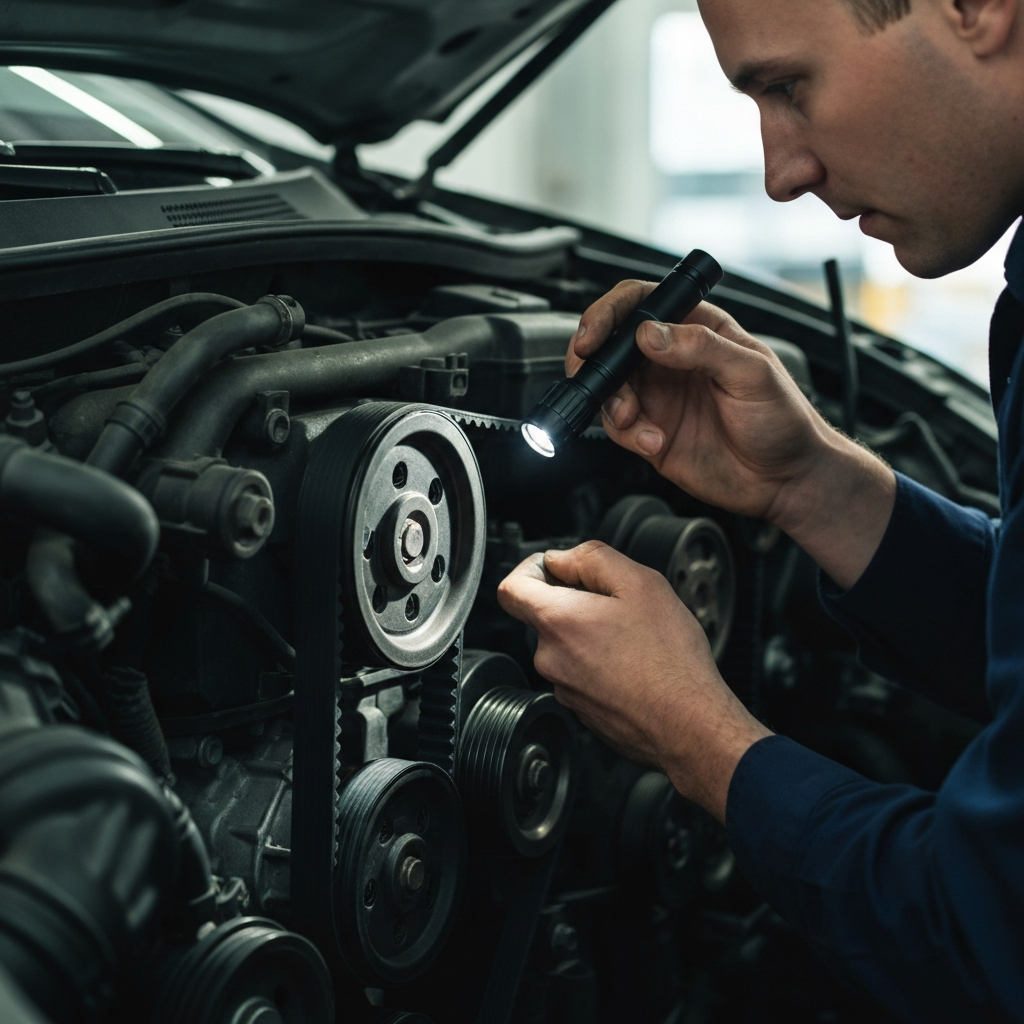
A common source of squealing sounds, especially upon startup, is the drive belt system. Inspect the belts for cracks, fraying, or glazing. A worn or loose belt can slip on the pulleys, causing a squealing noise. You can also try spraying a small amount of belt dressing on the belts while the engine is running (use caution!). If the squealing stops temporarily, it confirms that the belt is the source of the noise. Be careful not to over apply belt dressing, as this can actually cause the belts to slip *more* over time. Also, check the pulleys for any signs of damage or wobbling. A seized or damaged pulley can also cause belt squeal.
Step 6: Evaluate the Brakes (For Grinding, Squealing, or Clicking Sounds)
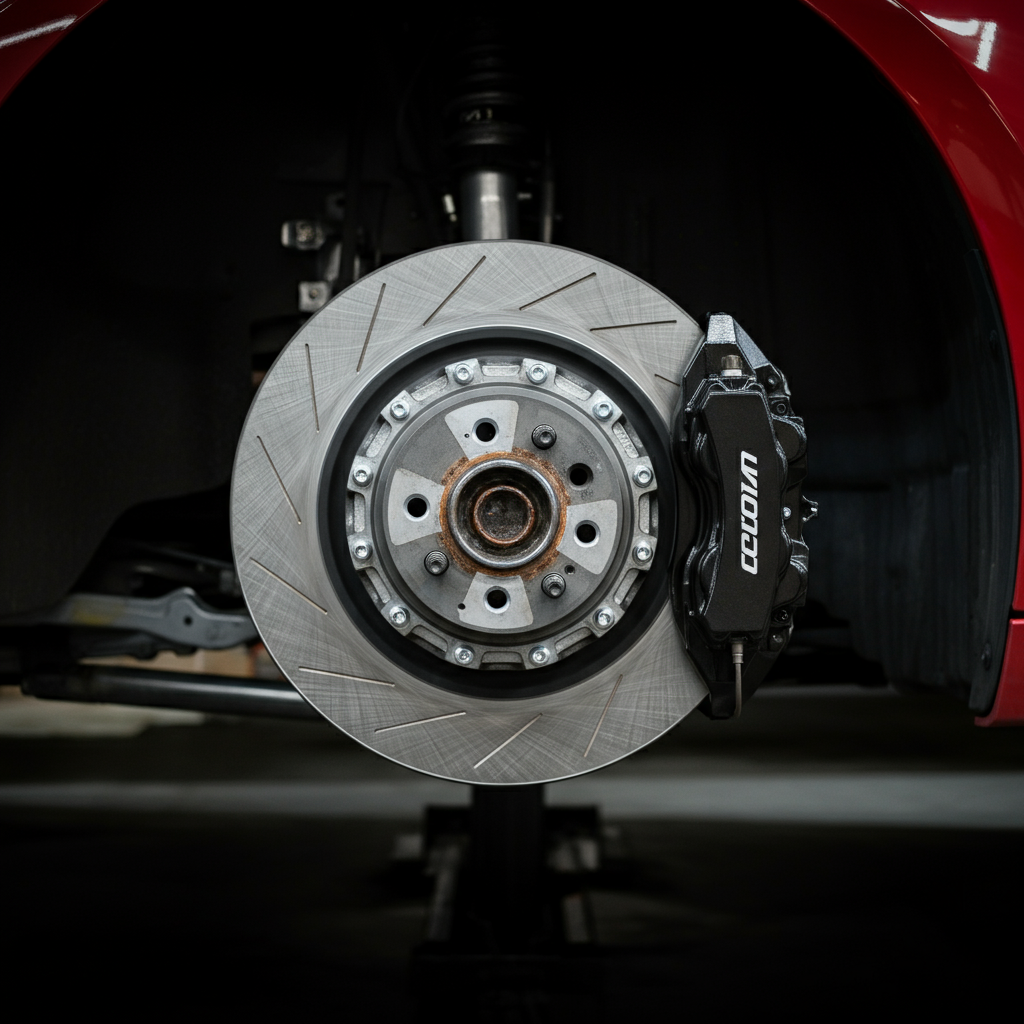
Brake noises are another common complaint. Grinding noises, particularly when braking, almost always indicate worn brake pads. Continuing to drive with severely worn brake pads can damage the rotors, leading to much more expensive repairs. Squealing brakes can also be a sign of worn pads, or simply dirty brakes. Sometimes, small stones can get lodged between the pad and rotor, causing a scraping or squealing sound. Clicking noises from the brakes can indicate loose brake hardware or worn anti-rattle clips. A qualified mechanic should always inspect any significant brake noises.
Step 7: Check Suspension Components (For Clunking, Banging, or Rattling Sounds)
Clunking, banging, or rattling sounds, especially when going over bumps, often point to suspension issues. Worn shocks or struts, loose ball joints, worn control arm bushings, or damaged sway bar links can all cause these types of noises. These issues can affect the handling and stability of your vehicle, so it's important to address them promptly. A visual inspection of the suspension components can often reveal obvious signs of damage, such as leaking shocks or cracked bushings. However, a professional inspection is recommended for a thorough diagnosis.
Step 8: Examine Tires and Wheel Bearings (For Roaring or Humming Sounds)
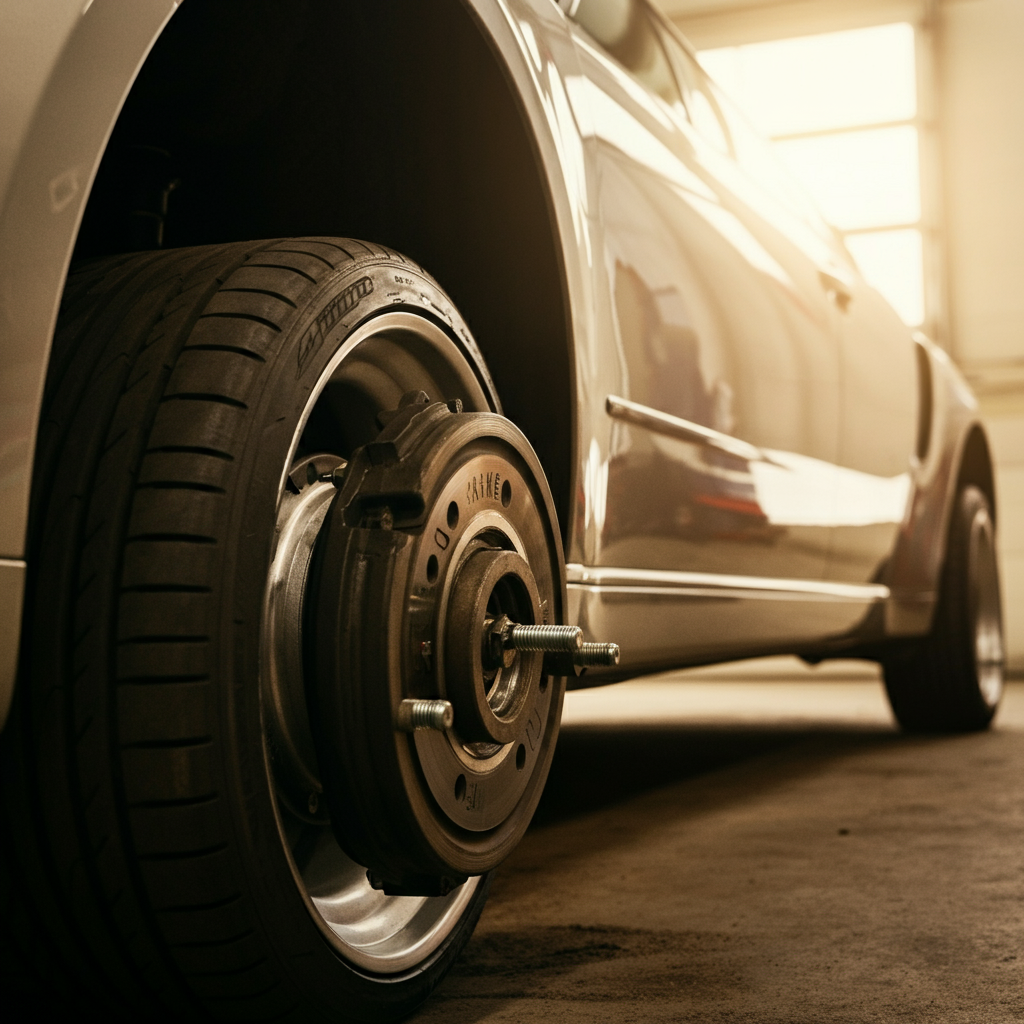
Roaring or humming sounds that increase with speed can be indicative of tire issues or worn wheel bearings. Uneven tire wear, such as cupping or feathering, can cause these noises. Rotating the tires can sometimes help reduce the noise, but if the wear is severe, the tires may need to be replaced. Wheel bearings that are failing will often produce a roaring or humming sound that gets louder as the car goes faster and may change in tone when turning. Bad wheel bearings can be dangerous and can lead to wheel failure, so they should be inspected and replaced as soon as possible.
Tools or Materials Required
- Mechanic's stethoscope (optional, but helpful)
- Jack and jack stands (for safely lifting the vehicle)
- Wheel chocks
- Flashlight
- Belt dressing (for diagnosing belt squeal)
- Basic hand tools (wrenches, sockets, screwdrivers)
- Gloves
- Safety glasses
Safety Considerations
- Always wear safety glasses when working under a vehicle.
- Use jack stands to support the vehicle if you need to lift it. Never rely solely on a jack.
- Disconnect the negative battery cable before working on any electrical components.
- Be careful when working around hot engine parts.
- If you are unsure about any procedure, consult a qualified mechanic.
Pro Tips
- Record the sound on your phone. This can be helpful when describing the noise to a mechanic.
- Try to isolate the sound by driving on different types of roads.
- Don't ignore unusual noises. They are often early warning signs of potential problems.
- Regular maintenance can help prevent many of these issues.
FAQ Section
Q: My car makes a clicking noise when I turn the key, but won't start. What could it be?
A: This is often a sign of a weak battery or a problem with the starter. Check the battery connections and try jump-starting the car. If that doesn't work, the starter may need to be replaced.
Q: My brakes squeal, but they seem to work fine. Is this something to worry about?
A: Squealing brakes can sometimes be caused by dirty brakes or small stones lodged between the pad and rotor. However, it can also be a sign of worn brake pads. It's best to have them inspected by a mechanic to be sure.
Q: How often should I have my car's suspension inspected?
A: It's generally recommended to have your car's suspension inspected at least once a year, or more often if you drive on rough roads frequently.
Conclusion
Diagnosing car sounds can be a challenging but rewarding task. By following the steps outlined in this guide, you can systematically narrow down the possibilities and gain a better understanding of what's happening with your vehicle. Remember to prioritize safety and consult with a qualified mechanic if you are unsure about any procedure. With a little patience and attention to detail, you can become a more informed and empowered car owner.