Facing a mysterious noise or performance issue with your car can be frustrating. Before immediately scheduling an appointment with a mechanic, you can take several steps to pinpoint the problem's source. Not only can this save you money, but it also provides you with valuable knowledge about your vehicle and ensures you communicate effectively with your mechanic, leading to a more efficient repair process.
This guide will equip you with practical troubleshooting techniques to identify common car problems, from strange sounds to performance hiccups. We'll cover visual inspections, performance evaluations, and simple tests that you can perform at home. Remember that safety is paramount – if you're uncomfortable performing any task, it's always best to consult a professional.
Understanding your car's symptoms allows you to describe the issue accurately to the mechanic, which helps them diagnose the problem more quickly and potentially reduce labor costs. It's about empowering yourself with information and taking a proactive approach to car maintenance.
Step 1: Gather Information: Observe and Document
Before diving into any physical checks, take a moment to gather information. Pay close attention to when the problem occurs: Is it during startup, while driving at a specific speed, when braking, or only when the engine is cold? Note any unusual sounds (clunking, squealing, hissing), smells (burning rubber, gasoline, sweet coolant), or visual cues (smoke, leaks, warning lights). Write down everything you observe as accurately as possible. This detailed log will be invaluable for your mechanic later.

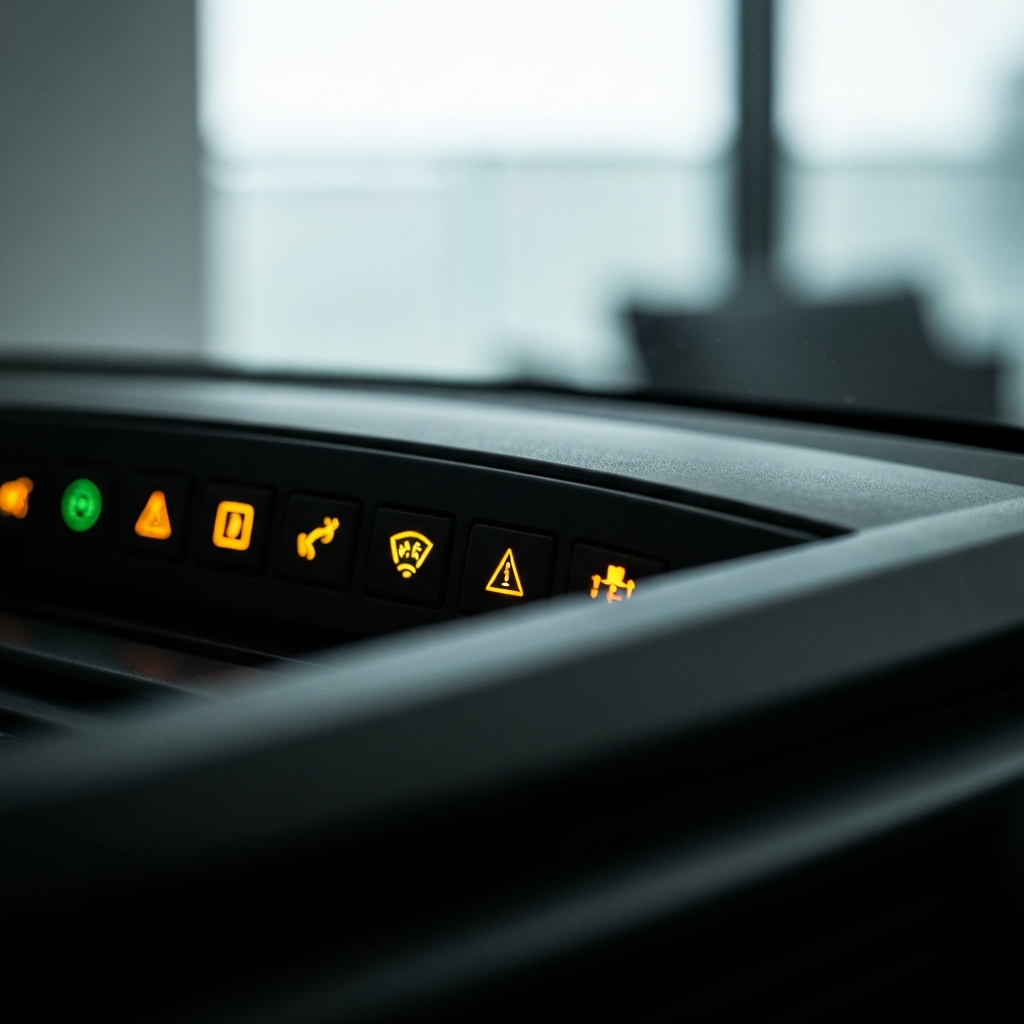
Step 2: Check the Warning Lights
Modern cars are equipped with a sophisticated array of sensors that trigger warning lights on the dashboard. While some lights are obvious (e.g., low fuel), others indicate more serious issues. The "Check Engine" light can be particularly enigmatic, often signaling anything from a loose gas cap to a major engine malfunction. Consult your owner's manual to understand what each warning light represents. If the check engine light is on steadily, it suggests a problem that needs attention soon. A flashing check engine light indicates a more urgent, potentially damaging situation that requires immediate professional help.
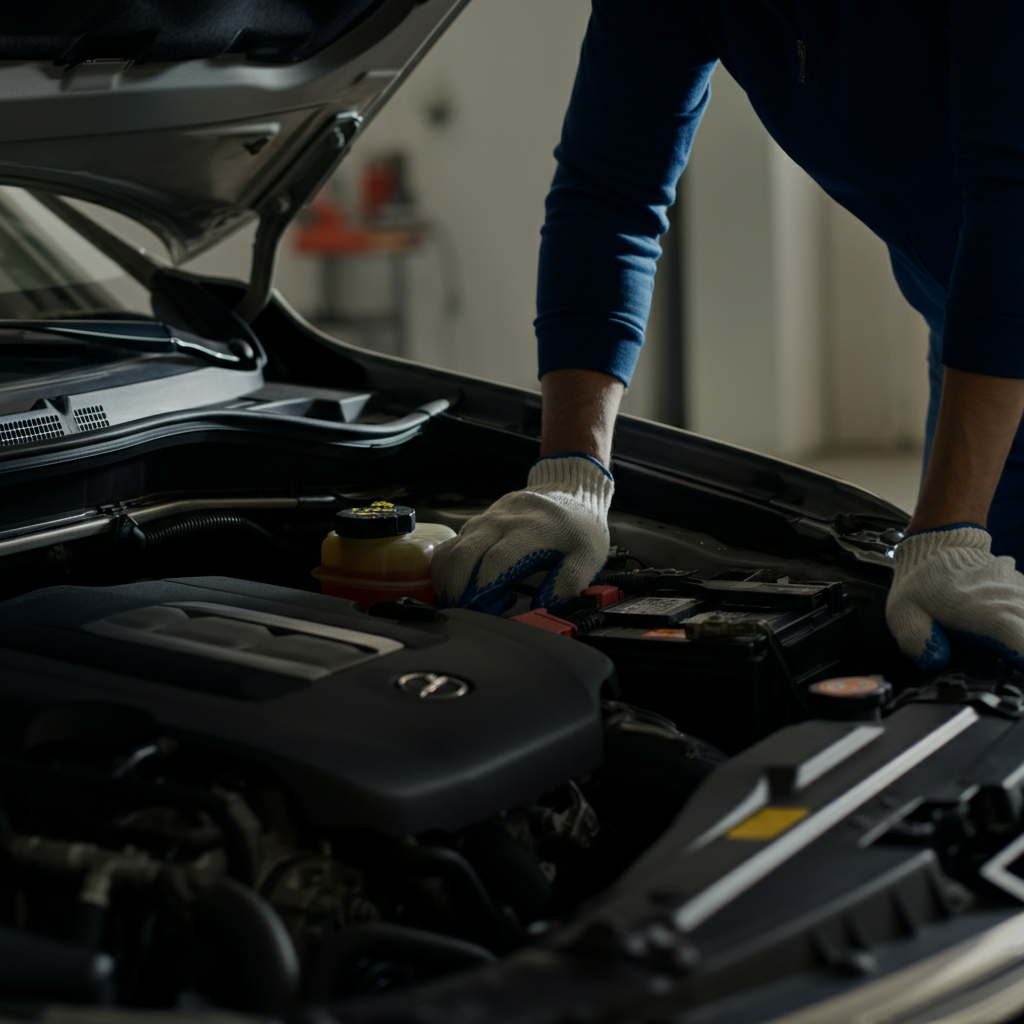
Step 3: Inspect Under the Hood
A visual inspection under the hood can reveal a surprising amount of information. Start by checking fluid levels: engine oil, coolant, brake fluid, power steering fluid, and windshield washer fluid. Low fluid levels could indicate leaks, which should be investigated further. Look for any signs of leaks around hoses, connections, and the engine itself. Check the condition of belts and hoses for cracks, fraying, or swelling. A worn belt can cause squealing noises and affect the performance of various components, like the alternator or power steering pump.
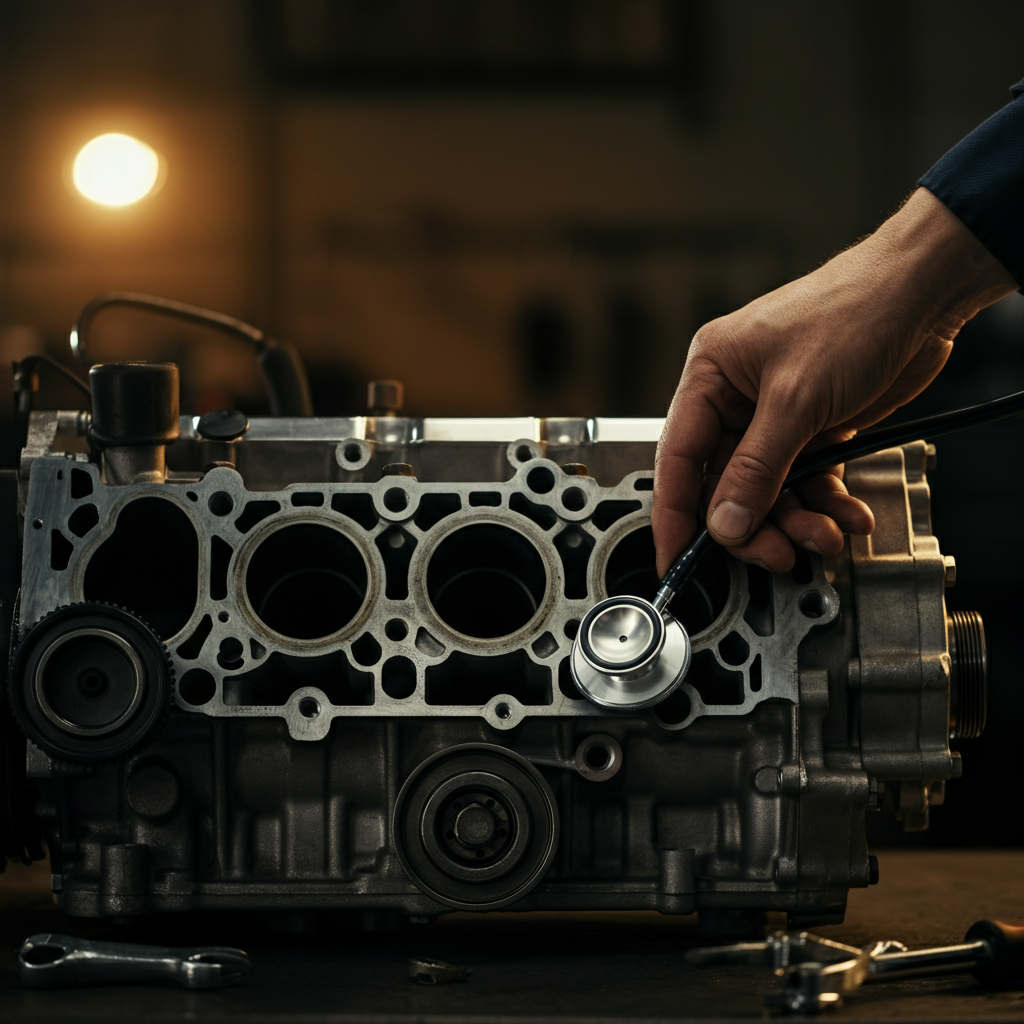
Step 4: Listen Carefully to the Engine
Start the engine and listen for any unusual noises. A healthy engine should run smoothly and quietly. Pay attention to any knocking, ticking, hissing, or squealing sounds. A knocking sound could indicate a serious internal engine problem, while a ticking sound might be a sign of a valve issue. Hissing sounds could be related to vacuum leaks, and squealing could be from a slipping belt. Try to pinpoint the location of the noise as accurately as possible; this information will be helpful for the mechanic.
Step 5: Evaluate the Exhaust
Examine the exhaust coming from the tailpipe. The color and smell of the exhaust can provide clues about potential problems. Normal exhaust should be nearly invisible. Blue smoke indicates burning oil, often a sign of worn piston rings or valve seals. Black smoke suggests that the engine is running rich (too much fuel), which could be caused by a faulty sensor or fuel injector. White smoke, especially if persistent, can indicate a coolant leak into the engine, which is a serious issue.
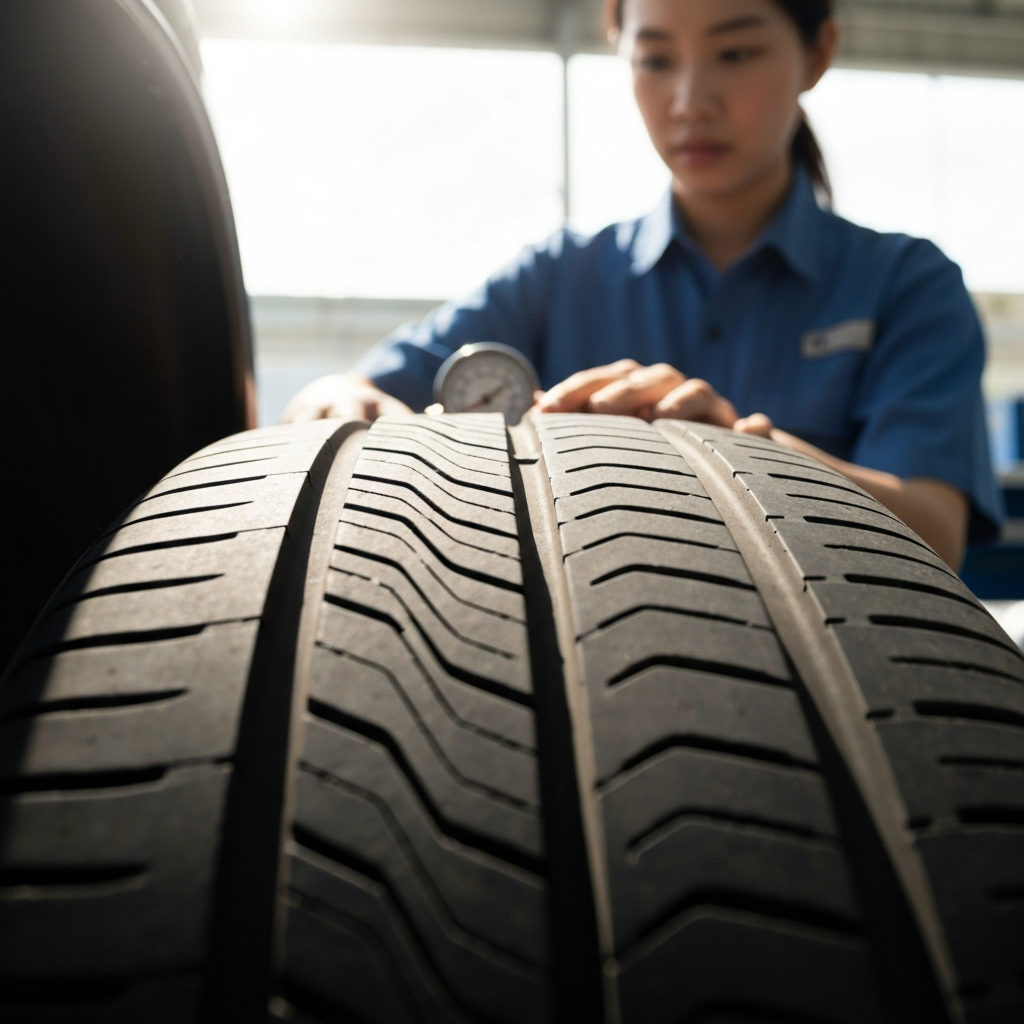
Step 6: Check the Tires and Brakes
Tires and brakes are crucial for safety, so any issues should be addressed promptly. Inspect your tires for uneven wear, bulges, or cuts. Uneven wear can indicate alignment problems or suspension issues. Check the tire pressure to ensure it's within the recommended range. Listen for any squealing, grinding, or clicking noises when braking. Squealing brakes usually indicate worn brake pads, while grinding noises suggest metal-on-metal contact, which means the brake pads are completely worn and damaging the rotors. A clicking noise might indicate a problem with the anti-lock braking system (ABS).
Tools or Materials Required
- Notebook and pen
- Owner's manual
- Flashlight
- Gloves
- Rags or paper towels
Safety Considerations
- Always allow the engine to cool completely before working under the hood.
- Disconnect the negative battery terminal if you're working on electrical components.
- Wear safety glasses to protect your eyes from fluids and debris.
- If you're unsure about any step, consult a qualified mechanic.
Common Mistakes to Avoid
- Ignoring warning lights: Address them promptly to prevent further damage.
- Overlooking obvious signs: A visual inspection can often reveal simple problems.
- Neglecting regular maintenance: Preventative maintenance is key to avoiding major repairs.
FAQ Section
Q: How often should I check my fluid levels?
A: Check your fluid levels at least once a month, or more frequently if you notice any leaks.
Q: What does it mean if my car is vibrating?
A: Vibration can be caused by various issues, including unbalanced tires, worn suspension components, or engine problems. It's best to have it checked by a mechanic.
Q: Can I drive with the check engine light on?
A: If the check engine light is on steadily, it's generally safe to drive a short distance to a mechanic. However, if the light is flashing, pull over immediately and call for assistance.
Conclusion
By following these steps, you can effectively diagnose many common car problems before calling a mechanic. Gathering information, performing visual inspections, and listening carefully can provide valuable insights into the issue. Remember, safety is always the top priority, and if you're uncomfortable performing any task, it's best to seek professional help. Armed with this knowledge, you can communicate more effectively with your mechanic and potentially save time and money on repairs.