That unsettling clunk, that high-pitched squeal, that persistent hum – car noises are rarely welcome. They can be subtle hints of minor issues or glaring warnings of impending mechanical doom. Learning to identify these sounds is a valuable skill for any car owner, potentially saving you money, time, and even preventing dangerous situations. This guide provides a systematic approach to diagnosing car noises, helping you pinpoint the source of the problem before heading to a mechanic.
Before you jump in, it's important to emphasize safety. Never attempt to diagnose or repair a vehicle on a public road or in a location where it could pose a hazard to yourself or others. Use appropriate safety gear, including gloves and eye protection, and always secure the vehicle properly with jack stands if you need to lift it. If you're uncomfortable with any of these steps, it's best to consult a professional.
This guide focuses on common noises and potential causes, but every vehicle is different. If you're unsure about a diagnosis, consult a qualified mechanic. With a little patience and careful observation, you can become adept at deciphering the language of your car.
Step 1: Gather Information - When Does the Noise Occur?
The first step is to gather as much information as possible about the noise. The more details you can provide, the easier it will be to narrow down the potential causes. Consider these questions: When do you hear the noise? Is it constant, or does it only occur under certain conditions? Does it happen when you start the engine, accelerate, brake, turn, or go over bumps? What is the speed that it happens at? Note the specific conditions that trigger the noise, as this is often the most crucial clue. Is the car cold or hot? Has it been raining? Is it a specific time of day?

Step 2: Identify the Type of Noise
Describing the noise accurately is essential. Is it a squeal, a grinding sound, a clunk, a hum, a rattle, a pop, or something else? Try to be as specific as possible. A "squeal" could indicate a slipping belt, while a "grinding" sound might suggest worn brake pads. A "clunk" could indicate worn suspension components. Is the noise rhythmic, or is it sporadic? Record a video or audio clip of the noise if possible, as this can be incredibly helpful for a mechanic. Imagine trying to imitate the noise or describe it to someone who's never heard a car before.
Step 3: Pinpoint the Location of the Noise
Determining where the noise is coming from is another critical step. Is it coming from the front, the back, one side, or the other? Is it coming from under the hood, under the car, or inside the cabin? Having a friend help you listen from different locations while you drive (under safe conditions, of course) can be invaluable. Pay attention to whether the noise seems to be related to a specific wheel or area of the car. Open your window and listen while driving slowly and safely, noting any changes in the noise.
Step 4: Check the Obvious Suspects: Tires and Brakes
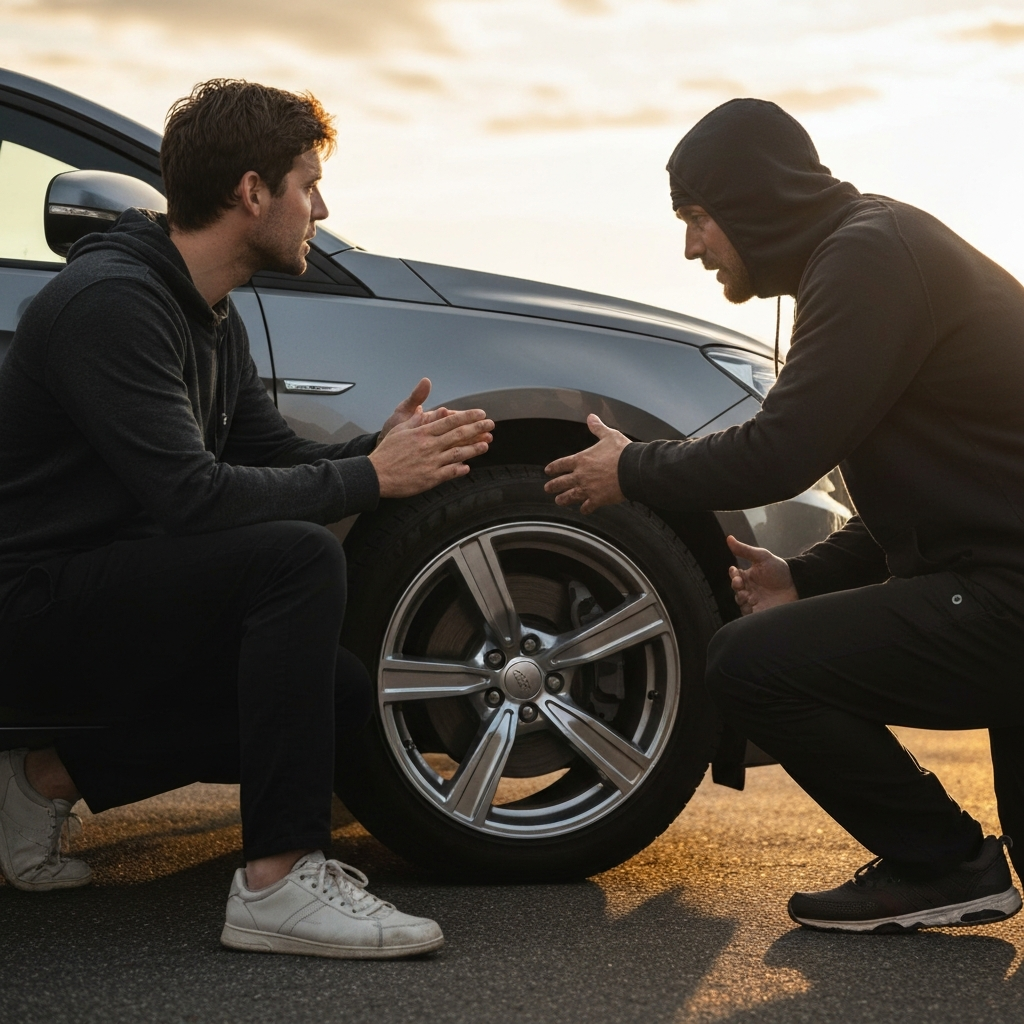
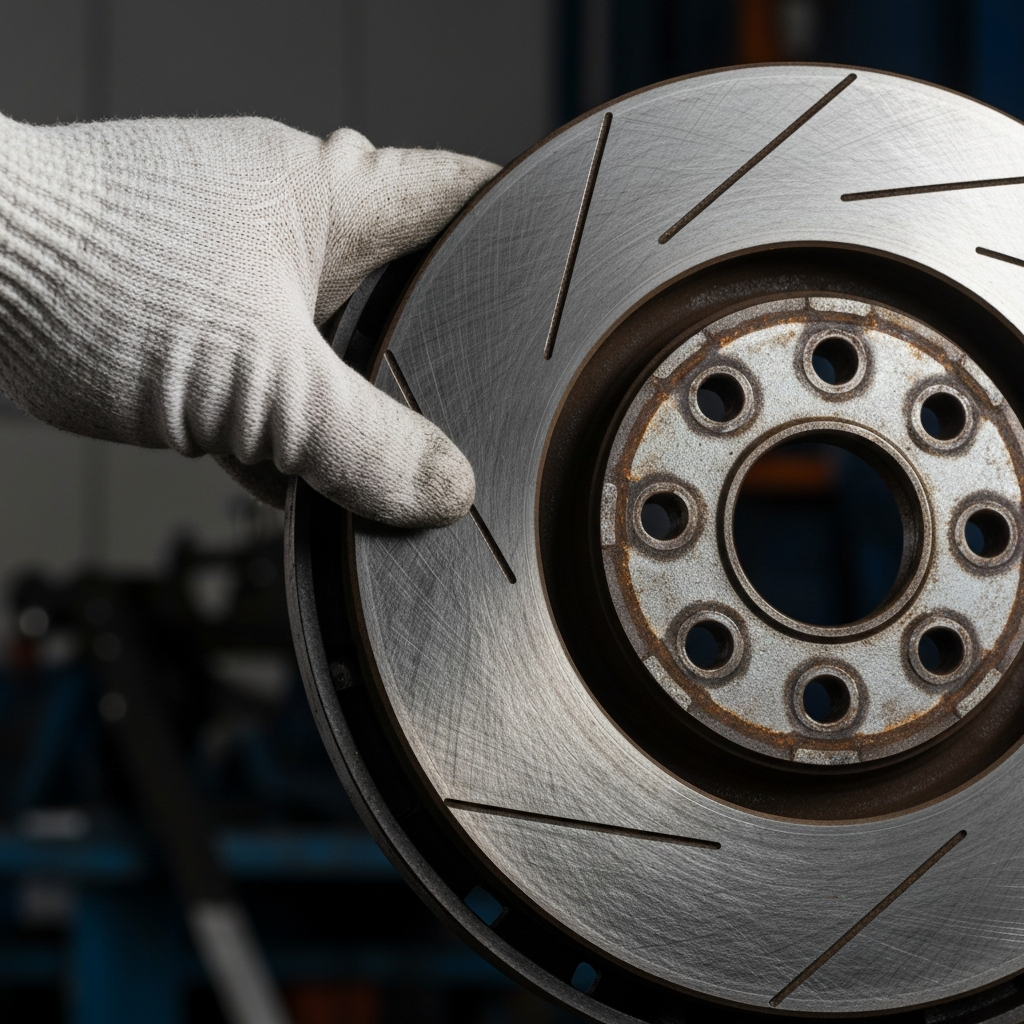
Before diving into more complex diagnoses, check the simple things first. Inspect your tires for signs of wear, damage, or embedded objects. Uneven tire wear can cause a humming or rumbling noise, especially at higher speeds. Next, check your brakes. Squealing brakes are often a sign of worn brake pads. Grinding brakes indicate that the pads are completely worn down, and the metal backing plate is rubbing against the rotor. Ignoring grinding brakes can damage the rotors and lead to more expensive repairs. Look closely at the brake rotors to see if they are scored or grooved.
Step 5: Suspension System Inspection
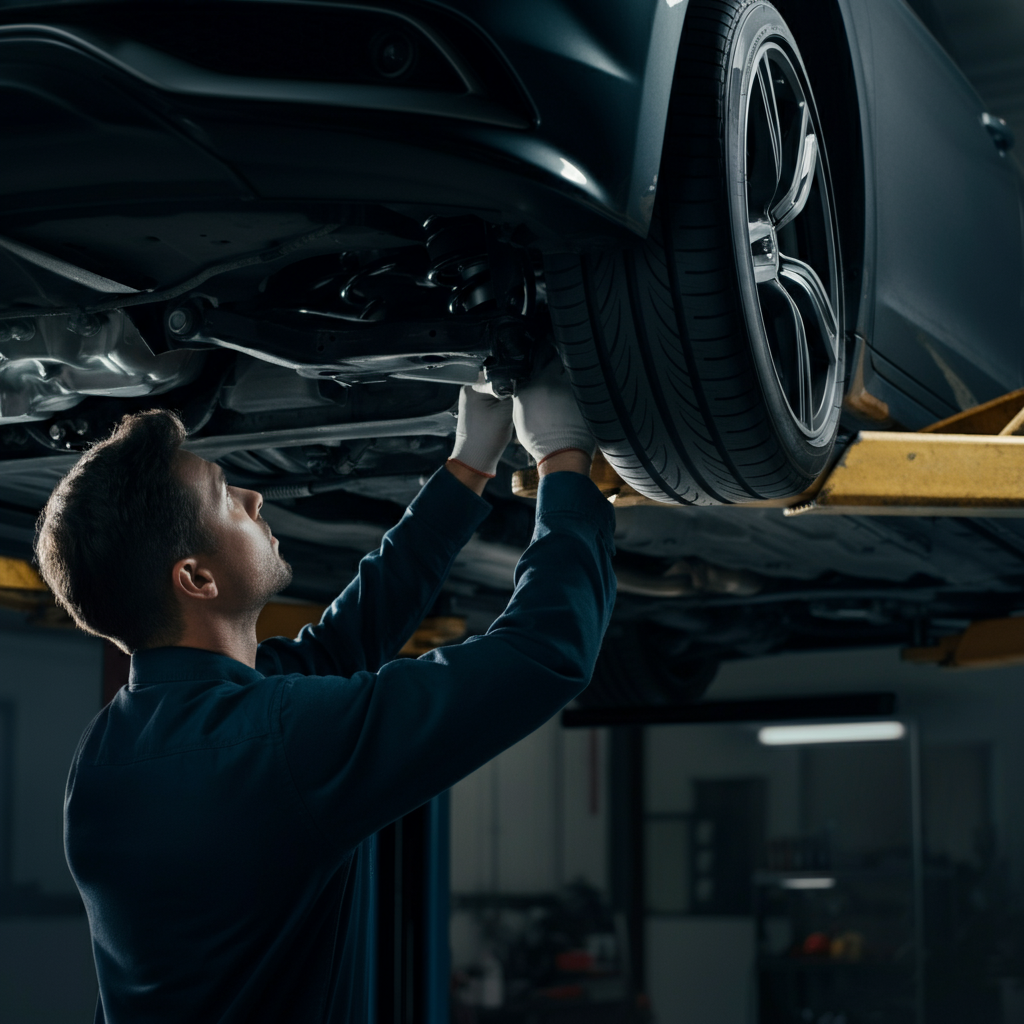
Noises when turning, going over bumps, or braking can often be traced to the suspension system. Listen for clunking, rattling, or squeaking sounds. Inspect the shocks, struts, ball joints, tie rod ends, sway bar links, and bushings. Look for signs of wear, damage, or looseness. Worn ball joints can cause a clunking noise when going over bumps or turning. Damaged sway bar links can cause a popping or knocking sound. Remember that suspension components are critical for safety, and any issues should be addressed promptly. According to the research data, suspension issues, such as bad CV joints, bushings, or ball joints are the most likely cause if you hear crunching or creaking from one side when you turn.
Step 6: Power Steering System Examination
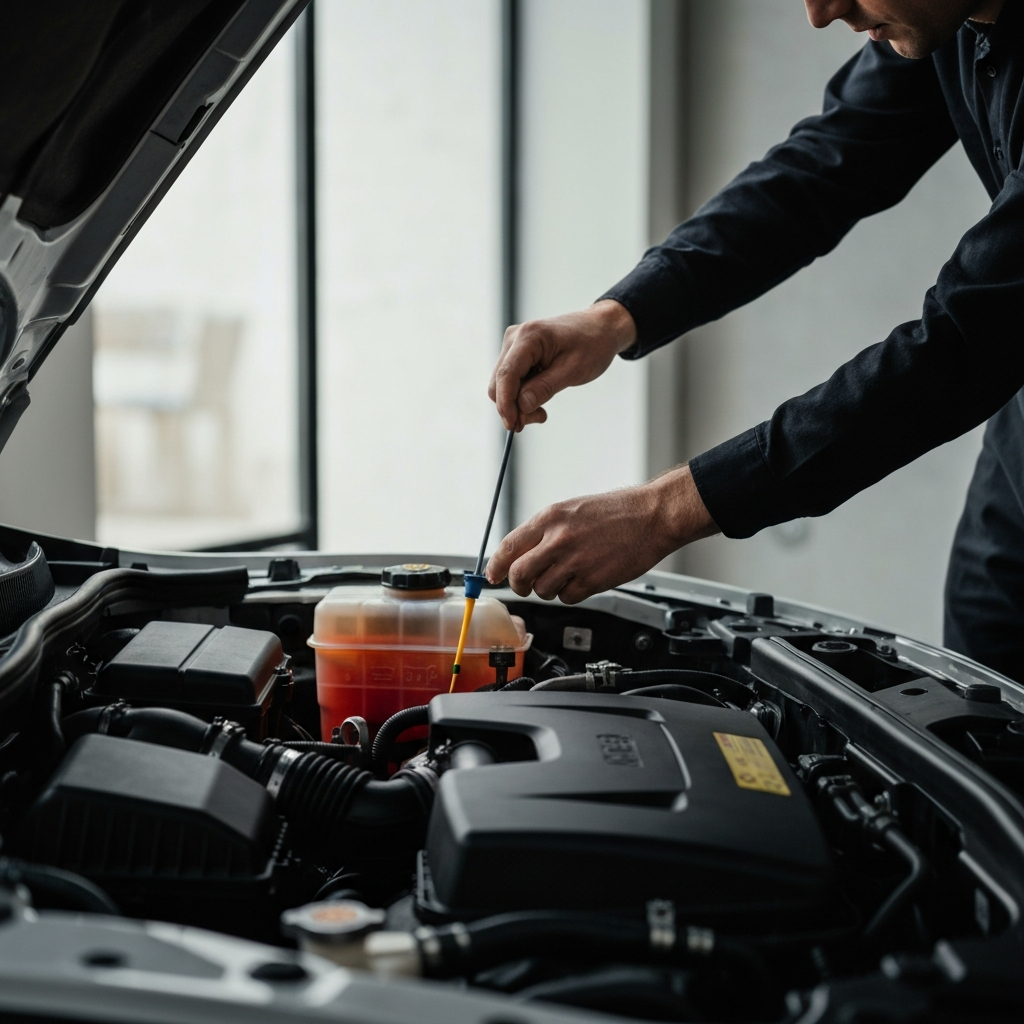
If you hear a whining or groaning noise when turning the steering wheel, especially at low speeds, the power steering system may be to blame. Check the power steering fluid level. Low fluid can cause the pump to whine. Also, inspect the power steering hoses for leaks. A failing power steering pump can also produce a whining or groaning noise. The power steering system is a complex combination of hoses, gears, and belts; if any of those components are damaged, it can interfere with your ability to steer properly. This will also make a ton of noise! Be sure to use the correct type of power steering fluid specified for your vehicle.
Step 7: Axles and CV Joints
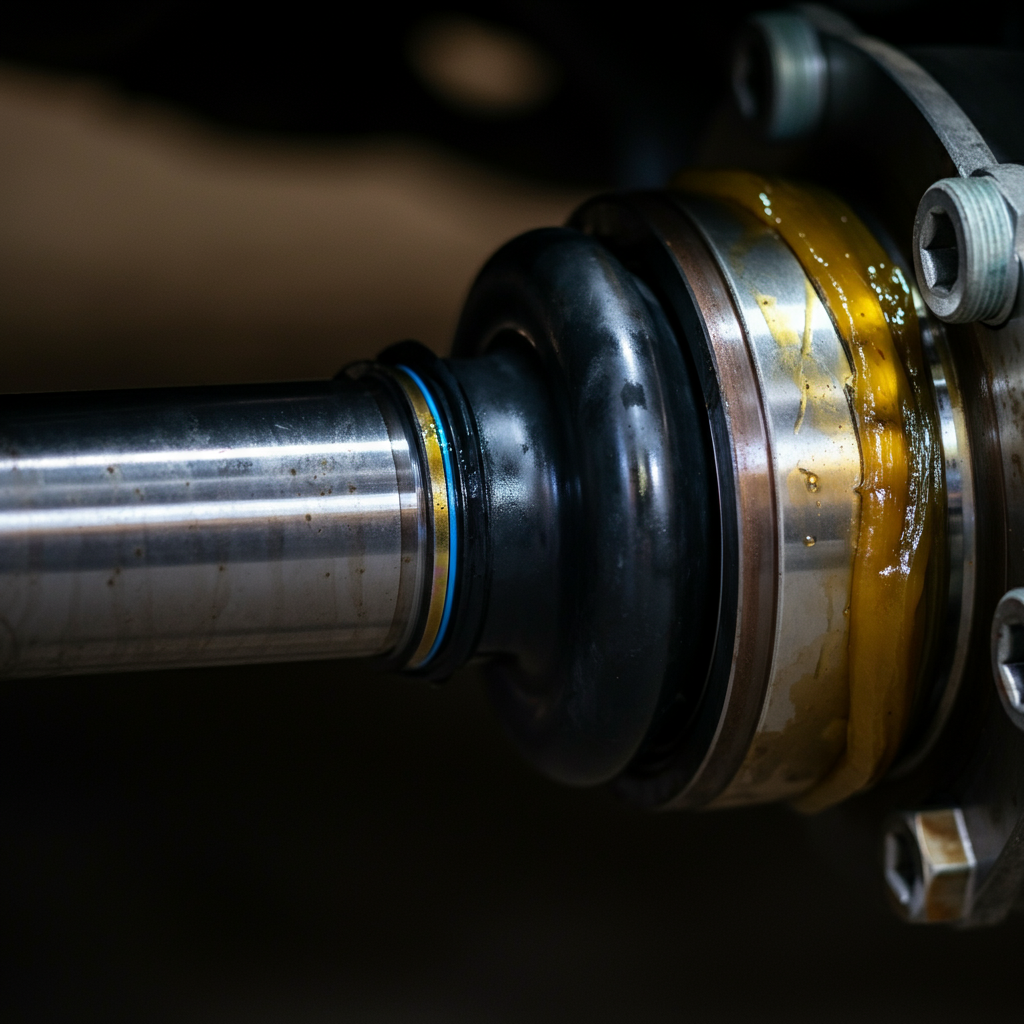
Clicking or popping noises when turning can often indicate a problem with the axles or CV (constant velocity) joints. These joints allow the wheels to turn smoothly at different angles. Damaged CV joints typically make a clicking noise when turning, especially at low speeds. If the damage is especially bad, you may also notice your car shaking when you accelerate. CV joint issues tend to worsen over time, so address them promptly to prevent further damage. The 4 CV joints connect each wheel to their respective axle. These joints allow the wheels to turn at different angles so that they don’t fight one another on sharp turns, and they help the transmission transfer power by rotating.
Tools or Materials Required
- Jack and jack stands
- Gloves
- Safety glasses
- Wheel chocks
- Mechanic's stethoscope (optional)
- Flashlight
- Recording device (phone or camera)
Safety Considerations
- Always use jack stands when working under a vehicle.
- Never work under a vehicle supported only by a jack.
- Wear safety glasses to protect your eyes from debris.
- Use gloves to protect your hands from dirt and grease.
- Set the parking brake and use wheel chocks to prevent the vehicle from rolling.
Common Mistakes to Avoid
- Ignoring noises for too long, which can lead to more serious and expensive repairs.
- Misdiagnosing the source of the noise.
- Attempting repairs beyond your skill level.
Conclusion
Diagnosing car noises can seem daunting, but by following a systematic approach and paying close attention to the details, you can often pinpoint the source of the problem. Remember to prioritize safety, gather as much information as possible, and don't hesitate to consult a professional mechanic when needed. Early diagnosis and prompt repairs can save you money and prevent more serious issues down the road. By being proactive, you can keep your car running smoothly and safely for years to come.