Your car is a complex machine, but often it communicates its problems through sound. Learning to listen carefully can save you time, money, and a potentially dangerous breakdown. While this guide isn't a substitute for a professional mechanic's diagnosis, it can help you pinpoint the source of the trouble and provide valuable information when you seek expert assistance.
Understanding the nuances of car sounds requires practice and familiarity with your vehicle. Pay attention to the normal sounds your car makes when it's running smoothly. This baseline will make it much easier to identify unusual noises that indicate a problem. Factors like ambient temperature and road conditions can also affect sounds, so always consider the context.
This guide will provide a step-by-step approach to diagnosing common car problems using sound alone. We will cover various areas of the car, from the engine to the brakes, and explain what certain sounds might indicate. Remember, safety is paramount. If you suspect a serious issue, such as brake failure, consult a qualified mechanic immediately.
Before we begin, remember that sound diagnosis is an art, not a science. Multiple components can create similar sounds, so use this guide as a starting point for further investigation.
Step 1: Engine Noises
Identifying Engine Sounds
The engine is the heart of your car, and its sounds can reveal a wealth of information. Listen for unusual noises like knocking, ticking, hissing, or whining. A consistent knocking sound, especially under load, often indicates worn-out connecting rod bearings. Ticking sounds could point to lifter issues, while hissing usually suggests a vacuum leak. Whining sounds are generally related to the alternator, power steering pump, or other belt-driven accessories.

Step 2: Exhaust System Sounds
Diagnosing Exhaust Leaks and Issues
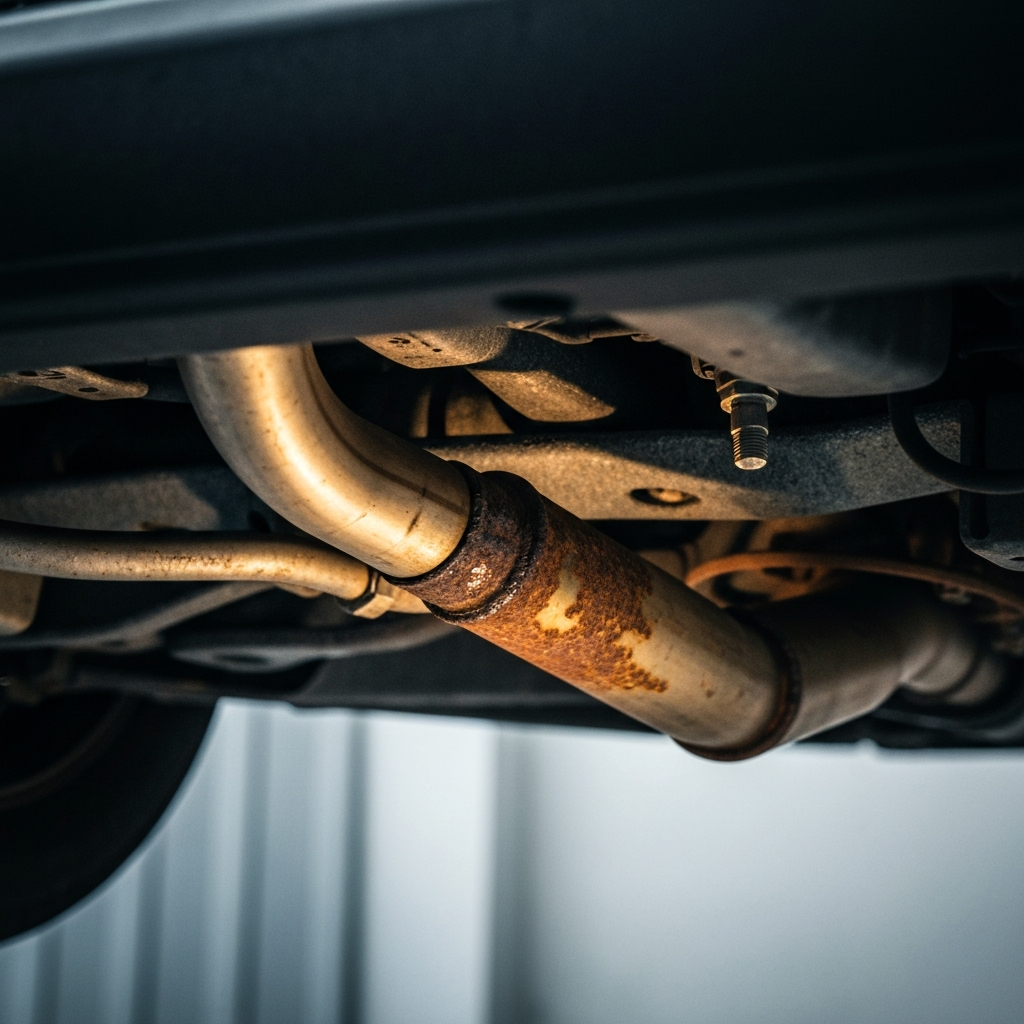
The exhaust system is responsible for channeling harmful gases away from the engine. Problems with the exhaust often manifest as loud roaring or hissing sounds. A persistent roaring noise, particularly noticeable during acceleration, is a classic sign of a hole in the exhaust pipe or a faulty muffler. A hissing sound could indicate an exhaust manifold leak, which is often more prominent when the engine is cold. It is worth checking the exhaust system for any visible damage to help narrow down the search.
Step 3: Transmission Noises
Recognizing Transmission Problems
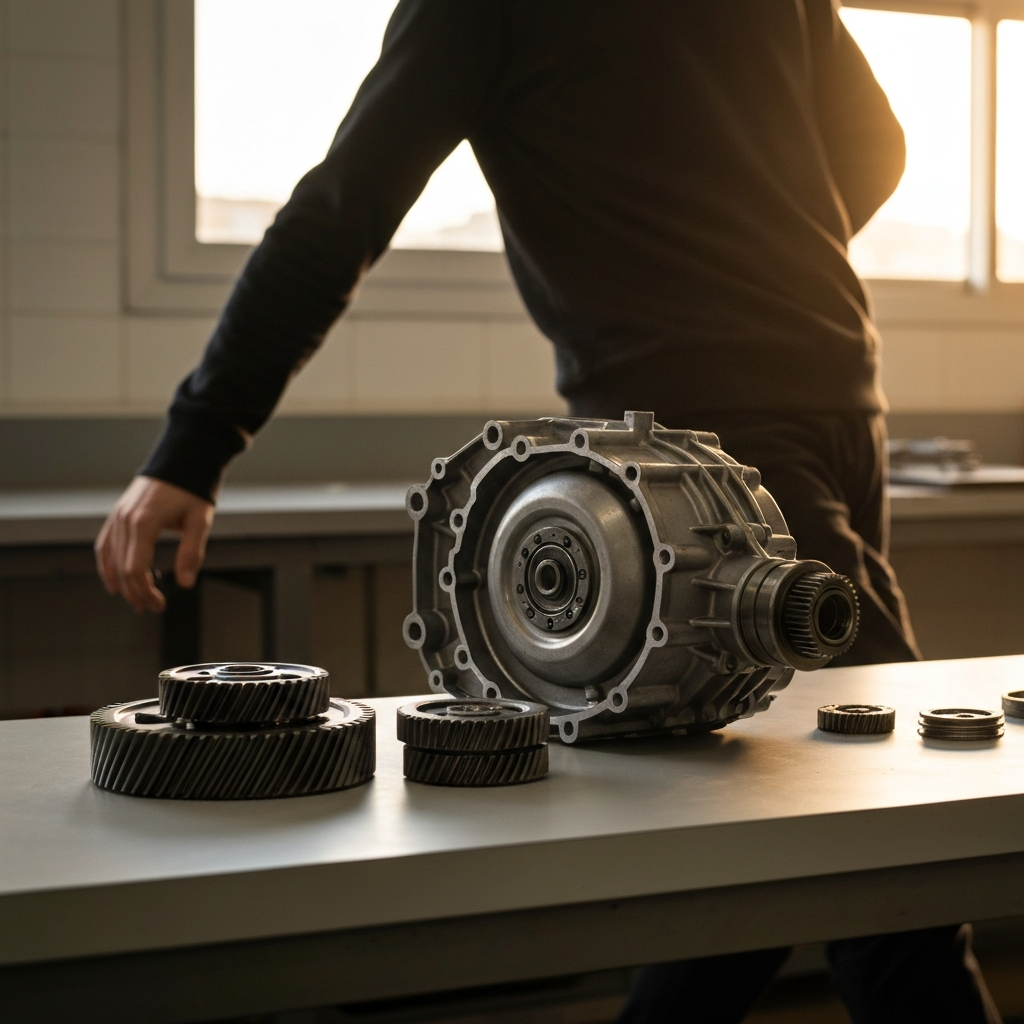
The transmission allows your car to shift gears smoothly. Unusual transmission noises often occur during gear changes or when the car is in specific gears. A whining sound that changes with engine speed may indicate low transmission fluid or worn-out gears. Clunking or banging sounds during gear shifts could suggest damaged gears, loose mounts or universal joints. In automatic transmissions, slipping or delayed gear engagement are also common symptoms of internal damage.
Step 4: Brake System Sounds
Analyzing Brake Noises for Safety
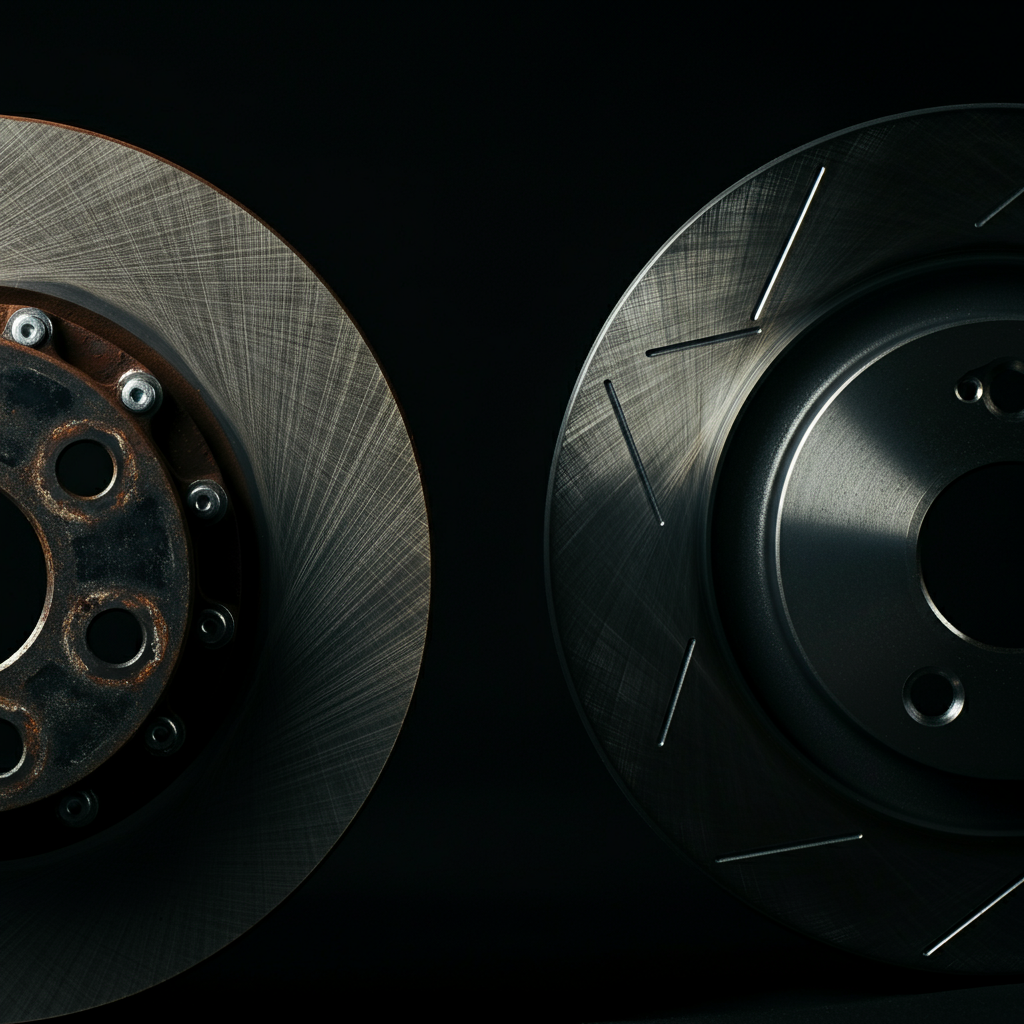
The brake system is critical for safety, and any unusual noises should be investigated immediately. Squealing brakes are a common symptom of worn brake pads. Grinding noises, on the other hand, are a serious warning sign that the brake pads have worn down completely and the rotors are being damaged. A pulsating feeling in the brake pedal accompanied by a thumping sound can indicate warped rotors. Any of these sounds warrants a prompt inspection by a qualified mechanic.
Step 5: Suspension Sounds
Isolating Suspension Issues with Audio Cues
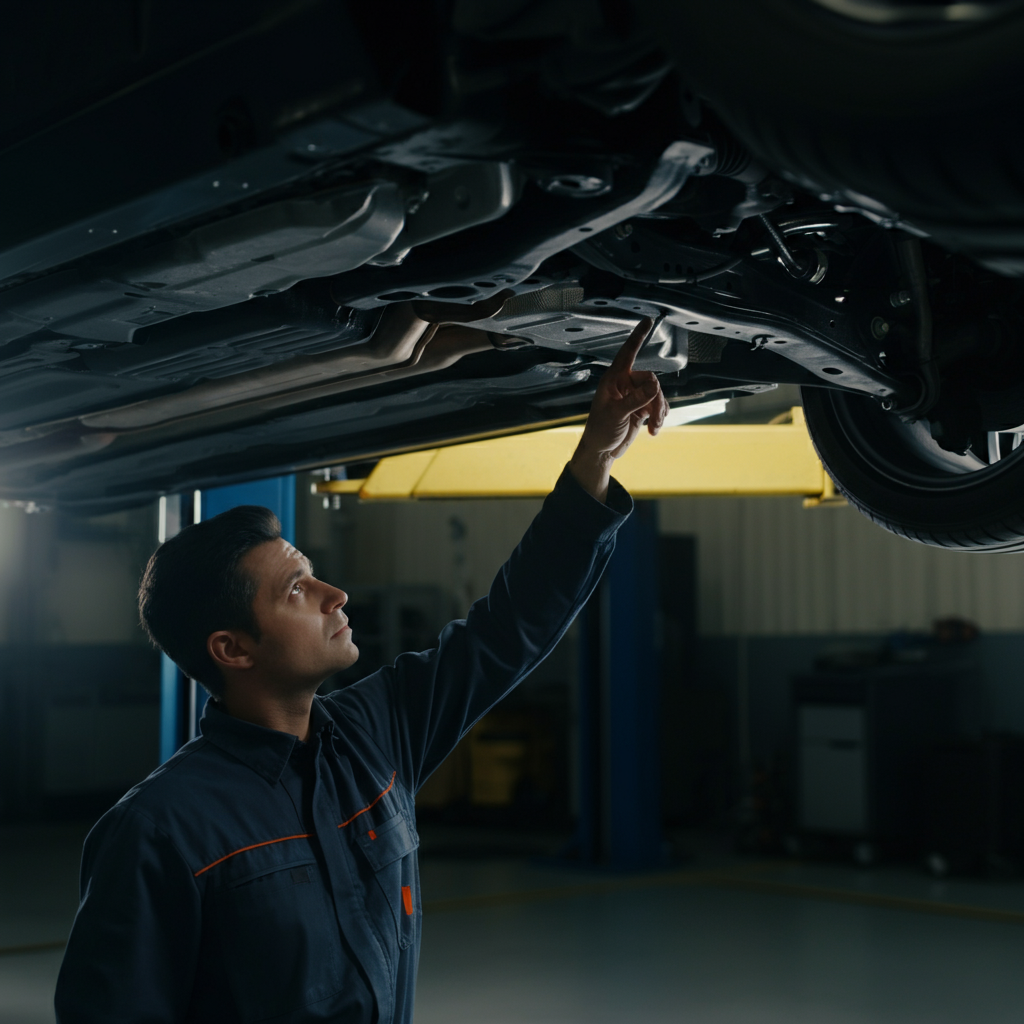
The suspension system ensures a smooth and controlled ride. Sounds like clunking, rattling, or squeaking, especially when going over bumps, often point to suspension problems. A consistent clunking sound from the front end could indicate worn-out ball joints, tie rod ends, or sway bar links. Squeaking sounds often come from worn-out bushings or shock absorbers. Rattling sounds might suggest loose suspension components. Have the suspension inspected if any of these sounds are persistent.
Step 6: Tire and Wheel Bearing Sounds
Pinpointing Tire and Wheel Issues
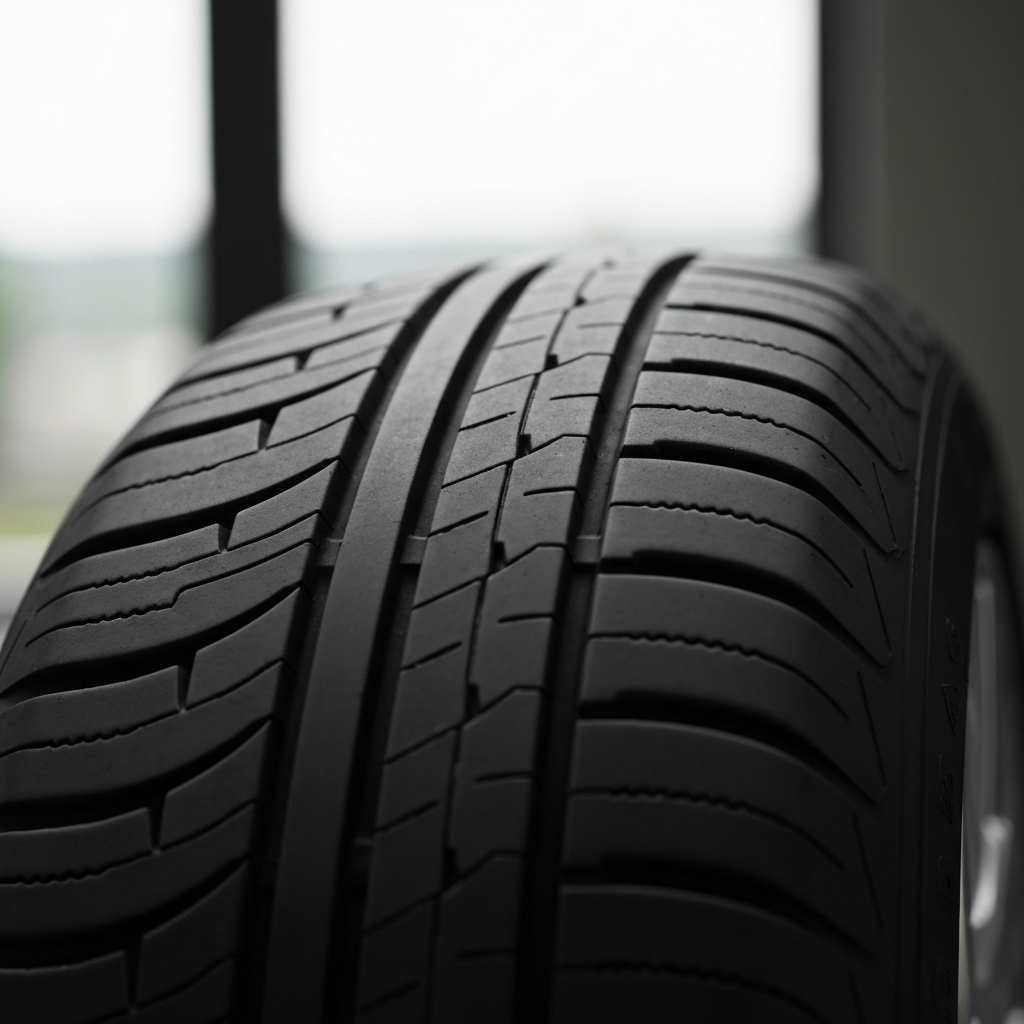
Tire and wheel bearing problems often produce distinct sounds that change with vehicle speed. A howling or rumbling noise that gets louder as the speed increases can indicate a failing wheel bearing. Uneven tire wear can lead to a rhythmic thumping sound at highway speeds. Check your tires for signs of cupping, feathering, or excessive wear. A constant clicking sound that increases with speed could be caused by a nail or screw embedded in the tire.
Tools or Materials Required
- A quiet environment for listening
- A notepad and pen (or a voice recorder) for taking notes
- Optional: A mechanic's stethoscope for pinpointing sounds (use with caution)
Common Mistakes to Avoid
- Ignoring subtle sounds that might indicate early-stage problems.
- Misinterpreting sounds due to unfamiliarity with your car.
- Attempting repairs beyond your skill level.
- Neglecting to consider external factors like road conditions and temperature.
Safety Considerations
- Never attempt to diagnose car problems in a hazardous location, such as a busy road.
- Be extremely cautious when working near moving parts.
- If you suspect a serious problem, such as brake failure, consult a professional mechanic immediately.
- Always use jack stands when working under a vehicle raised with a jack.
Pro Tips
- Record the sounds with your smartphone and replay them for comparison.
- Ask a friend or family member to listen with you to get a second opinion.
- When describing the sounds to a mechanic, be as specific as possible (e.g., "a high-pitched squeal that only occurs when braking").
- Consider taking your car to a mechanic for a professional diagnosis, even if you have a good idea of the problem.
FAQ Section
- Q: Can I really diagnose car problems just by listening?
- A: While sound diagnosis isn't foolproof, it can provide valuable clues about the source of the problem. Use it as a starting point for further investigation.
- Q: What if I can't identify the sound?
- A: If you're unsure, it's always best to consult a qualified mechanic. They have the experience and tools to accurately diagnose the issue.
- Q: Is it safe to drive my car if I hear a strange noise?
- A: It depends on the noise. If you suspect a serious problem, such as brake failure, it's best to have your car towed to a mechanic.
Conclusion
Diagnosing car troubles using sound alone is a valuable skill that can save you time and money. By carefully listening to your car and paying attention to unusual noises, you can often pinpoint the source of the problem and provide valuable information when you seek professional assistance. Remember, safety is paramount, and if you're ever unsure, it's always best to consult a qualified mechanic. The key is to be observant, patient, and persistent in your diagnostic efforts.