Diagnosing car problems can often feel like a daunting task, requiring specialized tools and in-depth mechanical knowledge. However, before rushing to a mechanic, you can often pinpoint the source of the issue using nothing more than your five senses. This guide will teach you how to leverage your sight, sound, smell, touch, and even taste (with extreme caution!) to identify common car troubles.
By carefully observing your vehicle and paying close attention to any unusual changes, you can save time and money by providing a more accurate description of the problem to your mechanic. You might even be able to fix some minor issues yourself. Remember to always prioritize safety and consult a professional when dealing with complex or potentially dangerous repairs.
This is not about performing advanced diagnostics, but rather about becoming more attuned to your vehicle's behavior. Think of it as developing a sixth sense for car troubles, allowing you to catch problems early and prevent them from escalating.
Step 1: Visual Inspection - What Does It Look Like?
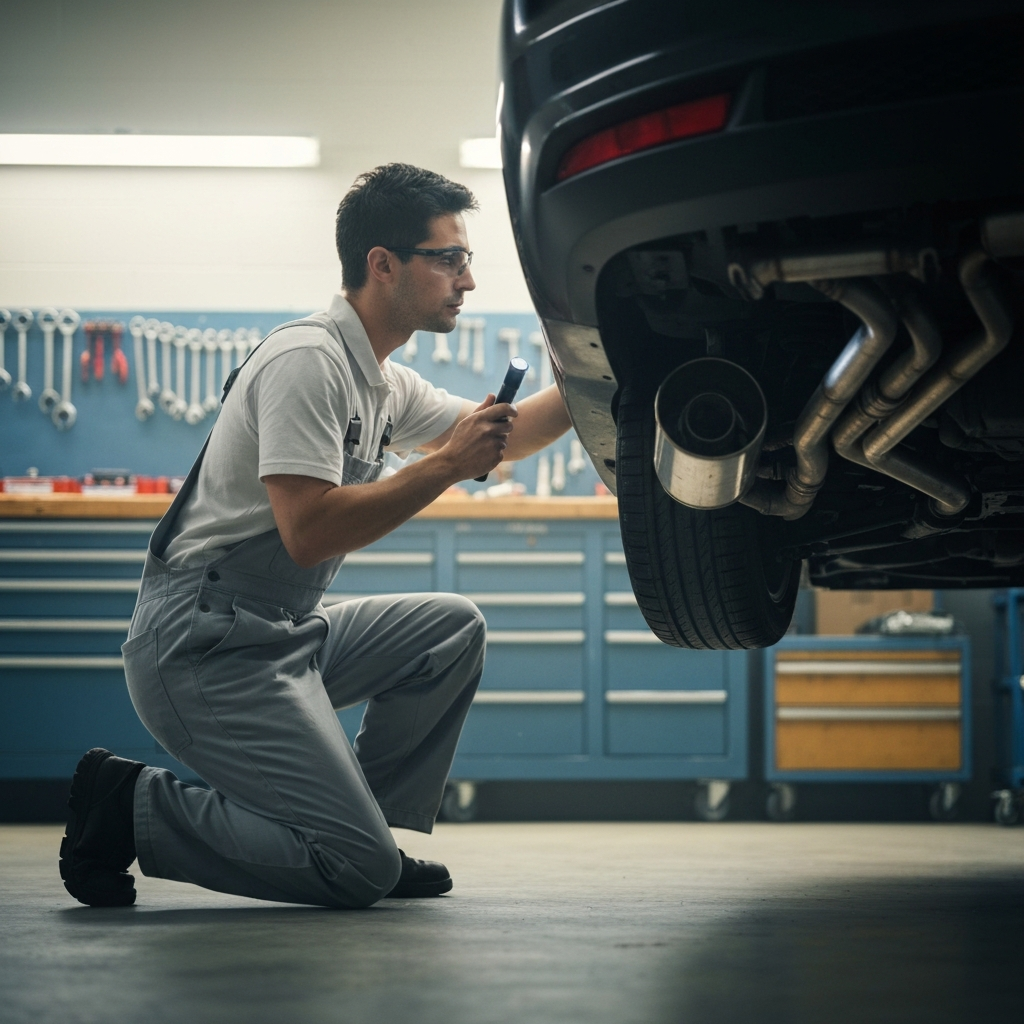
Begin with a thorough visual inspection of your car, both inside and out. Look for anything out of the ordinary, such as leaks, damaged components, or unusual wear and tear. Check the fluid levels (oil, coolant, brake fluid, power steering fluid, and windshield washer fluid) and note their color and consistency. A milky or foamy appearance in the oil or coolant could indicate a serious problem, such as a blown head gasket. Inspect your tires for uneven wear, bulges, or embedded objects. Check the condition of your belts and hoses for cracks or fraying. Pay attention to the exhaust coming from the tailpipe: excessive smoke, especially if it's blue, black, or white, can indicate engine problems.
Step 2: Listen Closely - What Do You Hear?
Your ears can be your greatest diagnostic tool. Start by listening to your car as it idles. Note any unusual noises, such as squealing, grinding, knocking, hissing, or popping. Squealing noises often indicate a worn belt, while grinding noises could point to brake problems. Knocking sounds are often a sign of internal engine damage. Hissing sounds could indicate a vacuum leak or a coolant leak. Drive your car slowly and listen for any changes in noise as you accelerate, decelerate, or turn. Pay attention to the sounds coming from the wheels, suspension, and engine compartment.

Step 3: The Sense of Smell - What Do You Smell?
Your nose can detect a wide range of potential car problems. A burning smell could indicate overheating brakes, a slipping clutch, or an electrical short. The scent of gasoline could point to a fuel leak. A sweet, maple syrup-like smell is often a sign of a coolant leak. A musty smell in the cabin could indicate mold or mildew in the air conditioning system. A rotten egg smell often indicates a problem with the catalytic converter. Be aware that exhaust fumes leaking into the car can be extremely dangerous and require immediate attention. If you detect an acrid, burning plastic smell, shut the car off immediately and investigate for an electrical fire.
Step 4: Touch and Feel - What Do You Feel?
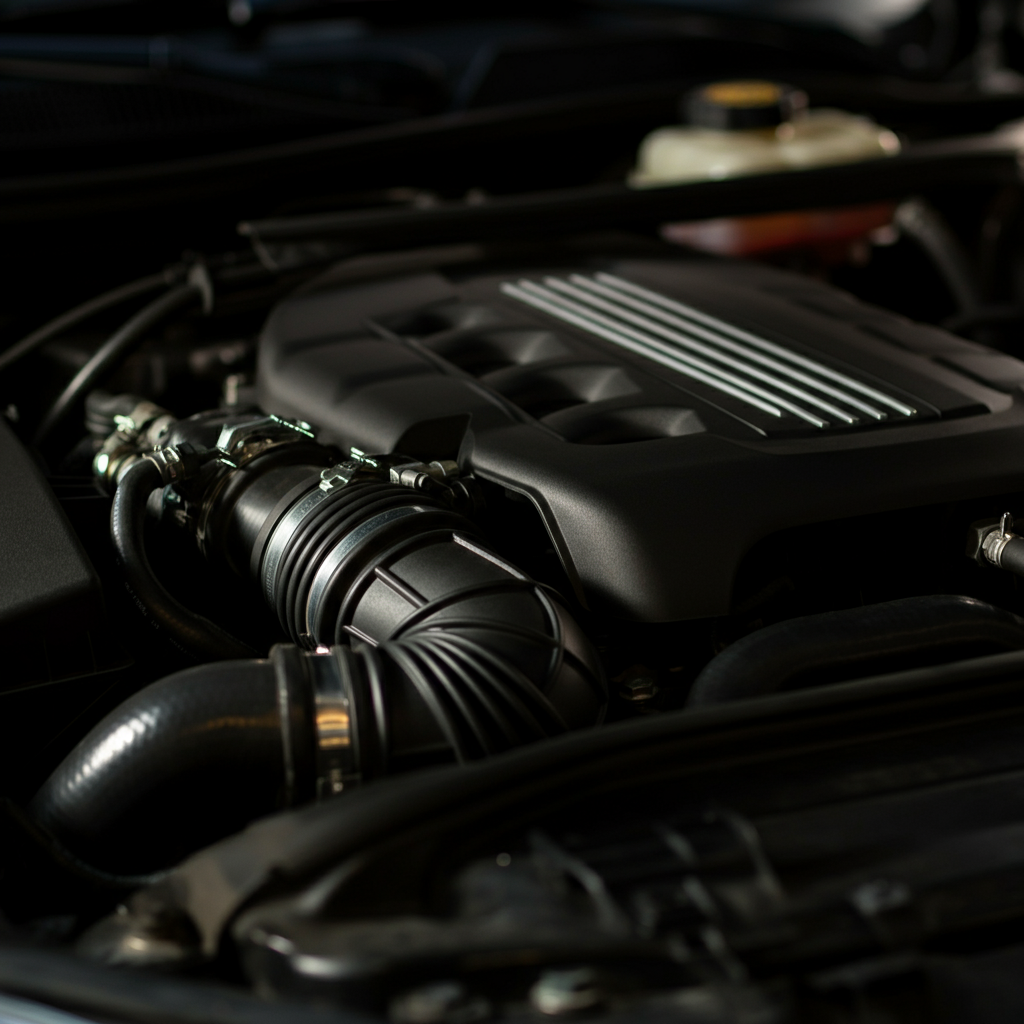
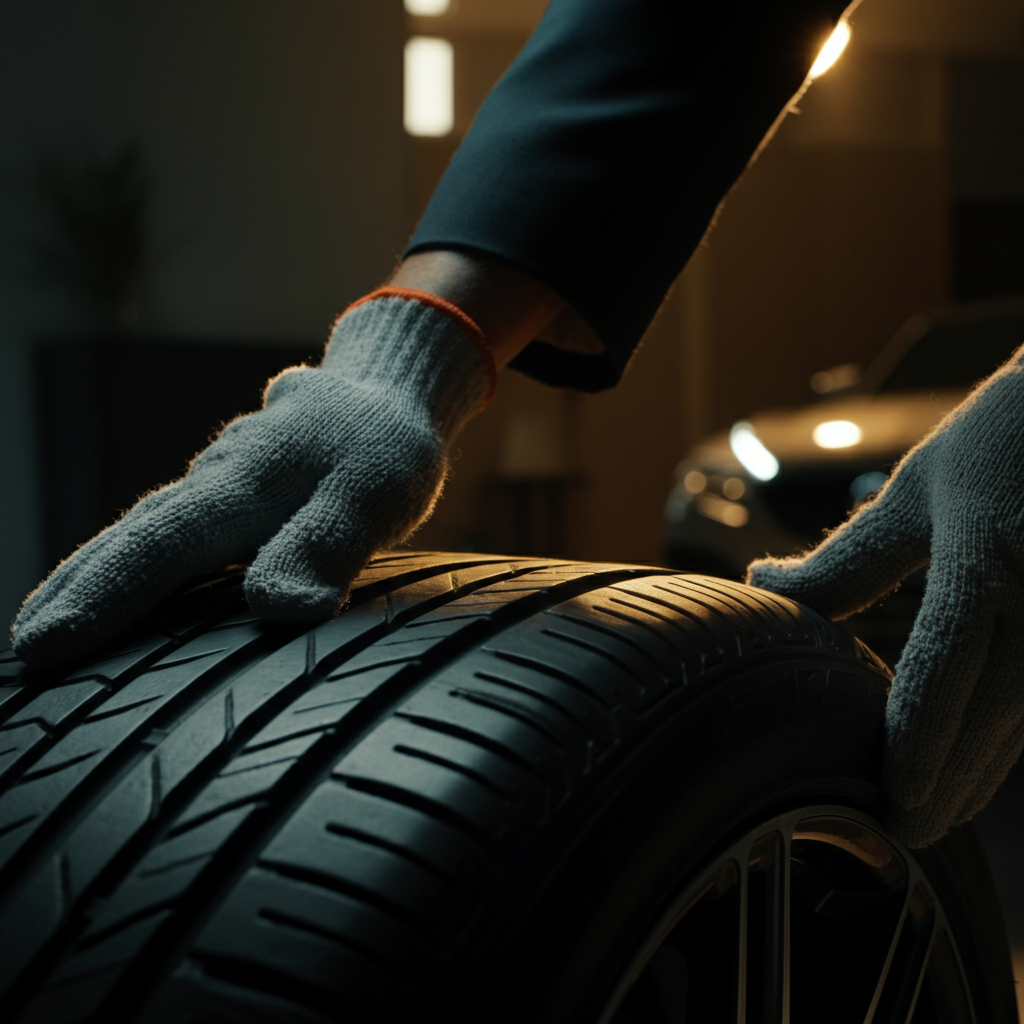
Your sense of touch can provide valuable information about your car's condition. Feel the temperature of your tires after driving – uneven temperatures could indicate a brake problem. Feel for vibrations in the steering wheel, seats, or floorboard, which could indicate tire imbalance, a worn suspension component, or engine problems. Carefully touch (when cool!) the radiator hoses to check for pressure and temperature variations. If one hose is hot and the other is cold, it could indicate a blocked radiator. Check the brake pedal for sponginess, which could indicate air in the brake lines. Inspect your tires for any unusual bumps or deformations.
Step 5: The Taste Test - Proceed with Extreme Caution!
This step is included for completeness only and should be approached with extreme caution. Never ingest automotive fluids intentionally! If you suspect a coolant leak, you can very carefully touch a tiny drop of the fluid to your tongue. Coolant has a distinctly sweet taste. However, remember that coolant is toxic and can cause serious health problems if ingested. Wash your hands thoroughly immediately after. This method is not recommended and should only be used as a last resort if other methods have failed to identify the problem and you are experienced. A safer alternative is to use litmus paper to test for acidity, which would indicate coolant.

Tools or Materials Required
* Flashlight * Gloves * Clean Rags * Litmus paper (optional, for coolant testing) * Safety GlassesCommon Mistakes to Avoid
* Ignoring unusual noises, smells, or vibrations. * Failing to check fluid levels regularly. * Attempting repairs beyond your skill level. * Neglecting basic maintenance tasks. * Not using proper safety precautions.Safety Considerations
* Always wear safety glasses and gloves when working on your car. * Never work under a car supported only by a jack – use jack stands. * Disconnect the negative battery cable before working on electrical components. * Be careful when working with hot engine components. * Properly dispose of used fluids and parts.Pro Tips
* Keep a log of any unusual symptoms or observations. * Take pictures or videos of any problems you find. * Consult a repair manual or online resources for more information. * Don't be afraid to ask for help from a qualified mechanic.FAQ Section
Q: My car is making a squealing noise when I start it up. What could it be?
A: This is most likely a worn serpentine belt. The belt may be loose or cracked and needs to be replaced.
Q: I smell gasoline when I drive. Is this dangerous?
A: Yes, a gasoline leak is dangerous and could cause a fire. Have your car inspected by a mechanic immediately.
Q: My steering wheel is vibrating. What could be the cause?
A: This could be caused by unbalanced tires, a worn suspension component, or a problem with your car's alignment. Have your tires balanced and your suspension inspected.
Conclusion
By developing your observational skills and paying close attention to your car's behavior, you can often diagnose problems early and prevent them from becoming more serious. Remember to always prioritize safety and consult a professional when necessary. Using your senses is a valuable tool in car maintenance and can save you time and money in the long run. Regularly engaging with your car using these techniques makes you a more informed and proactive owner.