Modern cars are complex machines, but diagnosing common problems doesn't require a mechanic's certification. With a bit of knowledge and a systematic approach, you can identify the source of many issues yourself, saving time and money. The key is to observe carefully, gather information, and use logical deduction. This guide provides a step-by-step approach to diagnosing car troubles, empowering you to become your own vehicle's detective.
Before you even think about tools, remember safety. Work in a well-lit, ventilated area, use jack stands when lifting the vehicle, and disconnect the negative battery terminal for electrical issues. Never work under a car supported only by a jack. This is where many DIY projects turn disastrous.
This guide will arm you with the fundamentals of DIY car diagnostics. It’s important to understand your limitations. Some issues require specialized tools or expertise. Knowing when to consult a professional is just as important as knowing how to diagnose the problem yourself.
Step 1: Gather Information & Observe
The first step is to become a keen observer. Pay attention to everything. What were the circumstances when the problem occurred? Was the car hot or cold? Were you accelerating, braking, or turning? Note the specific sounds, smells, and sensations. A detailed description of the issue is invaluable, even if you eventually take the car to a mechanic. Document everything: when did it start, how often does it occur, and what makes it worse or better? Check for any warning lights on the dashboard. Note their color and symbol.

Step 2: Check the Obvious First
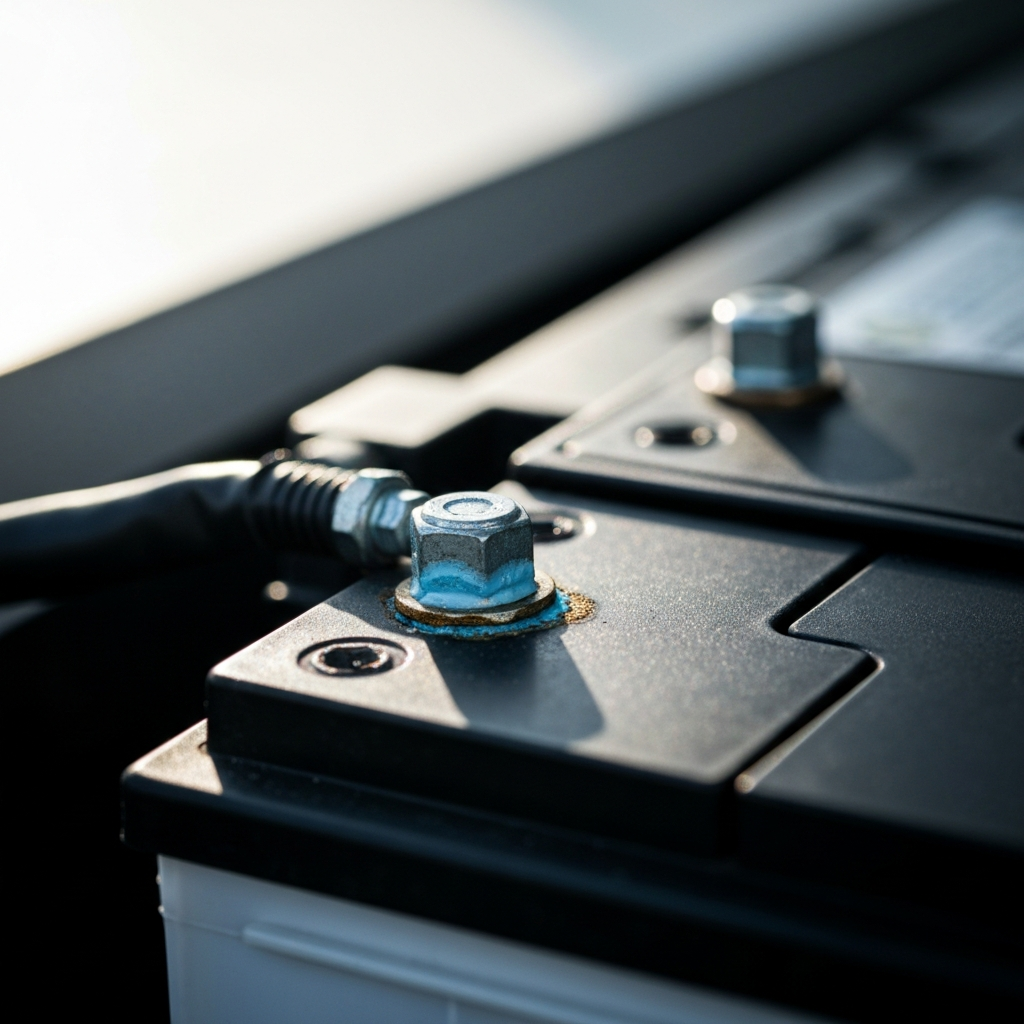
Before diving into complex diagnostics, rule out the simple things. Is the gas tank empty? Are the battery terminals corroded? Are any fluid levels low (oil, coolant, brake fluid, power steering fluid)? Check tire pressure and inspect the tires for damage. Sometimes, the simplest solution is the correct one. A visual inspection can often reveal obvious problems, such as a loose hose or a disconnected wire.
Step 3: Use an OBD-II Scanner
Modern cars have an On-Board Diagnostics (OBD-II) system that monitors various sensors and systems. An OBD-II scanner can read Diagnostic Trouble Codes (DTCs) that can point you in the right direction. Even if you don't understand the code, knowing it can save time and money when consulting a mechanic. You can purchase a basic scanner for a reasonable price, or some auto parts stores offer free code reading services. Remember that a DTC is a clue, not a definitive diagnosis. It indicates which system is experiencing a problem, but further investigation is often required.

Step 4: Inspect Fluids
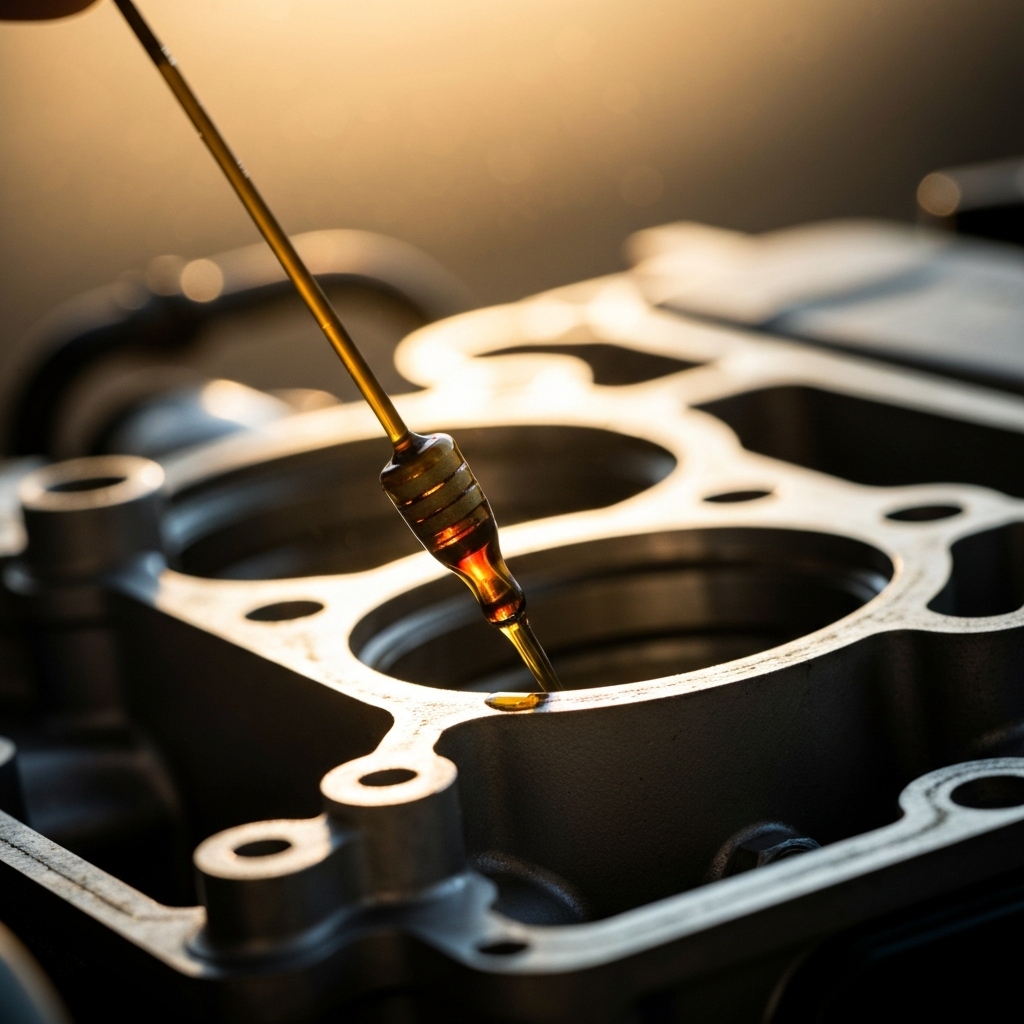
Checking your car's fluids is crucial for diagnosis. Low or contaminated fluids can cause a variety of problems. Check your engine oil level and condition. Look for a milky or foamy appearance, which could indicate a coolant leak. Check the coolant level in the overflow reservoir. Inspect brake fluid for a dark or murky color. Similarly, check power steering fluid and transmission fluid (if equipped with a dipstick) for proper levels and condition. The color and smell of these fluids can offer valuable clues about potential problems.
Step 5: Listen Carefully
Pay close attention to any unusual noises your car makes. Squealing brakes could indicate worn brake pads. A grinding noise could point to a wheel bearing issue. A knocking sound in the engine could be a serious problem. Record the sounds, if possible, and try to describe them accurately. Where is the sound coming from? Does it happen when the car is moving or stationary? Does it change with engine speed or vehicle speed? The more information you can gather, the better.

Step 6: Perform Basic Tests
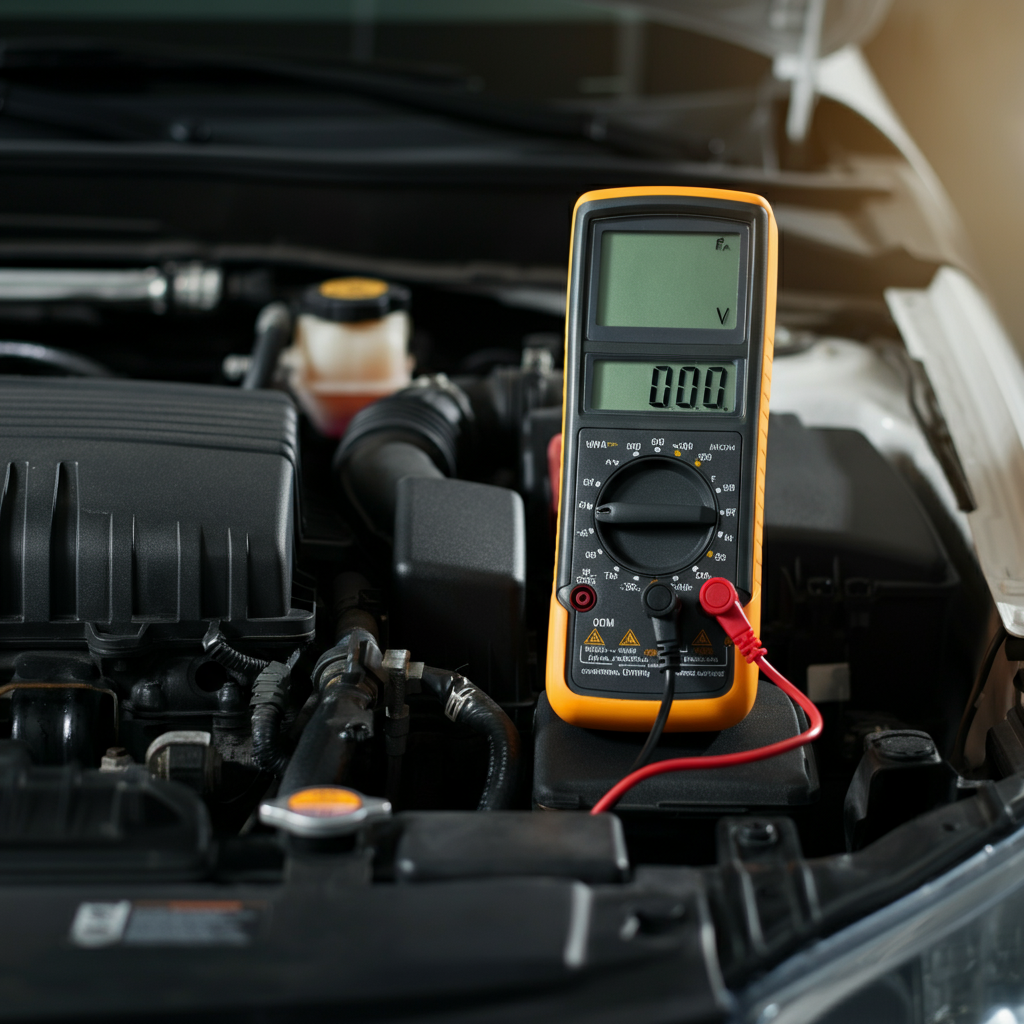
Depending on the symptoms, you can perform some basic tests. For example, if you suspect a battery problem, you can perform a load test using a multimeter. If you suspect a vacuum leak, you can use a can of carburetor cleaner to spray around vacuum lines and listen for changes in engine speed. Always research the proper procedure before performing any test, and follow safety precautions. Incorrect testing can damage components or cause injury.
Step 7: Research Your Findings
Once you've gathered information, checked the obvious, scanned for codes, inspected fluids, listened for noises, and performed basic tests, it's time to research your findings. Use online forums, repair manuals, and YouTube videos to learn more about the potential causes of your car's symptoms. Be wary of unqualified sources and always cross-reference information from multiple sources. Understanding the underlying principles of how your car works will make diagnosis much easier.

Tools or Materials Required
- OBD-II Scanner
- Basic socket set and wrenches
- Screwdrivers (various sizes and types)
- Multimeter
- Jack and jack stands
- Gloves
- Safety glasses
- Flashlight or work light
- Shop rags
Safety Considerations
- Always disconnect the negative battery terminal before working on electrical components.
- Use jack stands when lifting the vehicle. Never work under a car supported only by a jack.
- Wear safety glasses to protect your eyes from debris and fluids.
- Work in a well-ventilated area, especially when working with flammable fluids.
- Be careful when working around hot engine components.
FAQ Section
- Q: My check engine light is on, but the car seems to be running fine. Should I still get it checked?
- A: Yes, even if the car seems to be running fine, a check engine light indicates that there is a problem. Ignoring it could lead to more serious damage and costly repairs down the road. Use an OBD-II scanner to read the code and investigate the issue.
- Q: How do I find reliable information about car repair?
- A: Look for reputable sources such as factory service manuals, online forums dedicated to your specific vehicle make and model, and YouTube channels hosted by experienced mechanics. Cross-reference information from multiple sources to ensure accuracy.
- Q: When should I take my car to a professional mechanic?
- A: If you are uncomfortable performing a repair, lack the necessary tools or expertise, or suspect a serious problem, it's best to consult a professional mechanic. Don't risk damaging your car or injuring yourself. Also, emissions related issues may require professional diagnostic and repair.
In conclusion, diagnosing car troubles like a pro is about combining observation, basic mechanical knowledge, and a systematic approach. By following these steps, you can identify many common problems yourself, saving time and money. Remember to prioritize safety and know when to seek professional help. With practice, you'll become more confident in your ability to diagnose and repair your own vehicle.