Your car speaks volumes, even when it's not visually apparent that something is wrong. Becoming adept at auditory diagnosis can save you time, money, and potentially prevent further damage to your vehicle. This guide will walk you through the essential sounds to listen for and what they might indicate, helping you become a more informed car owner and communicate effectively with your mechanic.
The ability to identify problems early on is a crucial skill. Many mechanical issues start subtly, manifesting as slight changes in sound or vibration. By paying close attention to your car's auditory cues, you can often catch these early warning signs before they escalate into major, costly repairs. This skill is invaluable whether you're performing your own maintenance or simply trying to describe the issue accurately to a professional.
This guide will delve into the specific sounds associated with common car problems, providing detailed descriptions and diagnostic steps. We'll cover engine noises, brake sounds, suspension issues, and more. With practice and a keen ear, you can significantly improve your ability to understand and address your car's needs.
Step 1: Identifying Engine Noises
Listening for Knocks, Taps, and Hisses
The engine is a complex symphony of moving parts, and any deviation from its normal rhythm can signal trouble. Pay close attention to the type, location, and frequency of any unusual sounds coming from under the hood. A distinct "knocking" sound, especially when the engine is cold or under load, could indicate worn connecting rod bearings. A rapid "tapping" might point to valve train issues, such as a worn lifter or rocker arm. A "hissing" sound, often accompanied by a smell, could indicate a vacuum leak or a coolant leak.

Step 2: Analyzing Brake Sounds
Squeals, Grinding, and Pulsations
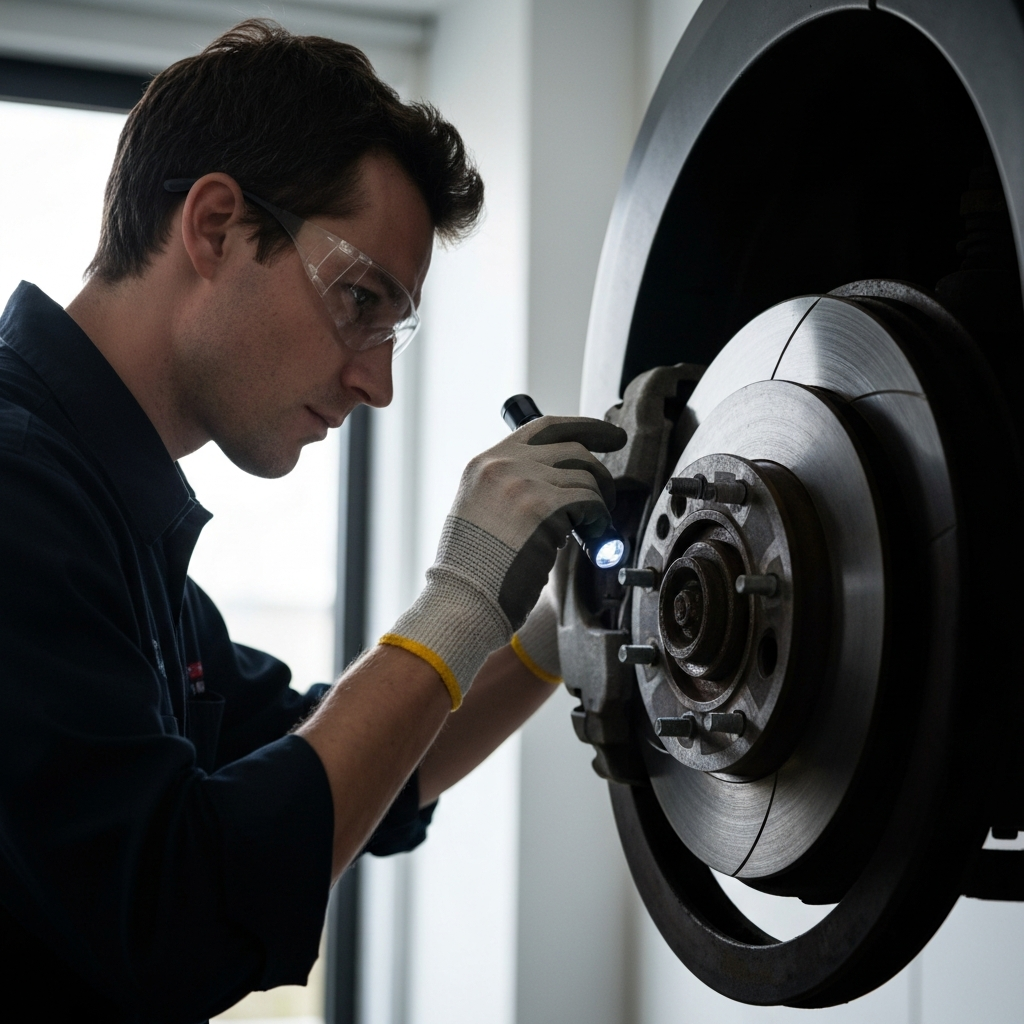
Your brakes are your primary safety system, so any unusual noises here demand immediate attention. A high-pitched "squealing" when braking is often a sign that your brake pads are nearing the end of their life and the wear indicators are making contact with the rotors. A persistent "grinding" sound, even when not braking, likely indicates that the brake pads are completely worn down and the metal backing plates are grinding against the rotors. A "pulsating" sensation in the brake pedal, accompanied by a rhythmic noise, could indicate warped rotors.
Step 3: Detecting Suspension Issues
Clunks, Squeaks, and Rattles
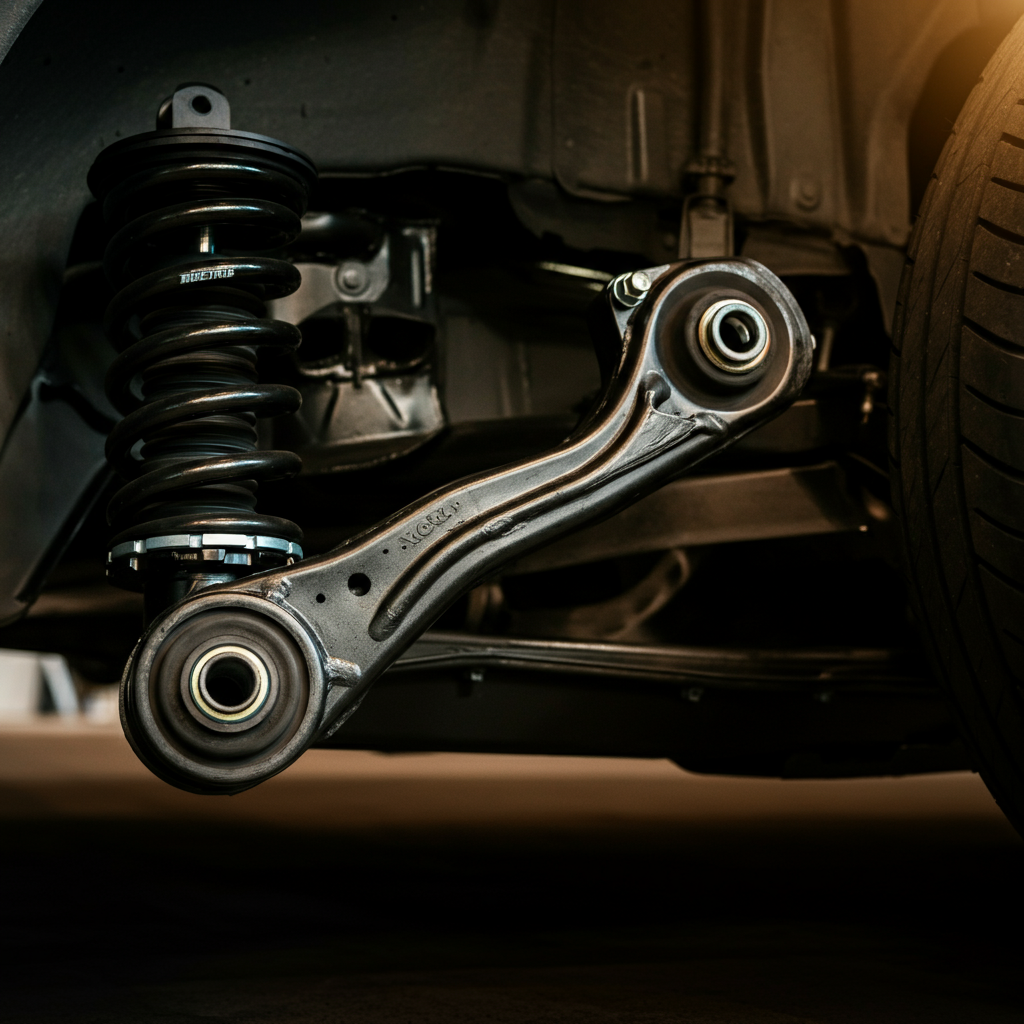
The suspension system is responsible for providing a smooth and controlled ride, and its sounds can often pinpoint specific problems. A "clunking" sound, especially when going over bumps, could indicate worn ball joints, tie rod ends, or sway bar links. A "squeaking" noise, often heard when the car is in motion or when turning, might be caused by worn bushings or shock absorbers. A "rattling" sound, particularly on uneven surfaces, could suggest loose suspension components or worn strut mounts. Pay attention to the location and timing of these sounds to help narrow down the source.
Step 4: Identifying Tire Noises
Humming, Roaring, and Thumping
Tire noises can often provide valuable clues about the health of your tires and the alignment of your vehicle. A constant "humming" or "roaring" sound that increases with speed is often a sign of worn wheel bearings. Uneven tire wear can also create distinctive noises, such as a "thumping" sound, indicating a need for wheel alignment or tire rotation. Pay attention to whether the noise changes when turning, as this can help pinpoint the location of the problem.

Step 5: Differentiating Exhaust Sounds
Loudness, Hissing, and Puttering
The exhaust system plays a crucial role in reducing emissions and noise. A sudden increase in exhaust "loudness" can indicate a leak in the system, often caused by rust or damage. A "hissing" sound coming from the exhaust manifold could be a sign of a cracked manifold gasket. A "puttering" sound, especially at idle, might indicate a problem with the catalytic converter or a blockage in the exhaust system. Examine the exhaust system visually for signs of corrosion or damage to corroborate your auditory diagnosis.
Tools or Materials Required
While this guide focuses on using your hearing, having a few simple tools on hand can aid in the diagnosis process:
- A stethoscope (optional, but helpful for isolating sounds in the engine compartment)
- A notepad and pen to record your observations
Safety Considerations
Always prioritize safety when diagnosing car trouble. Never work under a vehicle supported only by a jack. Use jack stands to provide secure support. Be cautious around moving parts, and avoid touching hot components such as the exhaust system. Wear appropriate safety gear, including eye protection and gloves.
Pro Tips
- Record the sounds using your smartphone. This can be useful for comparing noises over time and sharing with a mechanic.
- Try to isolate the sound by having someone rev the engine while you listen or by driving slowly over bumps while a passenger listens for suspension noises.
- Consult your car's owner's manual for information about normal operating sounds.
FAQ Section
Q: How accurate is auditory diagnosis?
A: Auditory diagnosis is a valuable skill, but it's not a substitute for a thorough mechanical inspection. It can help you identify potential problems and communicate effectively with a mechanic, but a professional diagnosis is always recommended.
Q: Can I fix all car problems based on sound alone?
A: No. Many car problems require visual inspection and specialized tools to diagnose and repair. Use auditory diagnosis as a starting point, and seek professional help when needed.
Conclusion
Developing the ability to diagnose car trouble using only your ears is a valuable skill that can save you time, money, and potential headaches. By carefully listening to your car's sounds and understanding what they might indicate, you can become a more informed car owner and take proactive steps to address potential problems. Remember to always prioritize safety and consult with a professional mechanic when needed. With practice, you'll become more attuned to your car's unique "voice" and be able to identify and address issues early on.