Your car speaks to you, not in words, but in sounds. These sounds, often subtle at first, can be vital clues to underlying mechanical issues. Learning to interpret these auditory signals can save you time, money, and potential breakdowns. This guide will equip you with the knowledge and skills to effectively diagnose car problems using sound, turning you into an automotive audio detective.
While modern diagnostic tools are incredibly useful, the human ear remains a powerful instrument. Understanding the nuances of engine noises, brake squeals, and suspension clunks provides a layer of insight that complements electronic diagnostics. This guide emphasizes practical listening techniques and provides a framework for identifying common car problems based on the sounds they produce. Remember, always prioritize safety and consult a professional mechanic when unsure.
This "how-to" is structured to help you systematically identify and interpret the sounds your car makes. We'll cover common noises, their potential causes, and what steps you can take to further investigate. With a little practice, you'll be able to differentiate between a minor annoyance and a major mechanical concern.
Step 1: Initial Assessment: The Sound Environment
Before you even start the engine, take a moment to assess your surroundings. A quiet environment is crucial for accurate sound diagnosis. Park your car in a location away from traffic, construction, or other sources of noise pollution. Close the windows and doors to isolate the sounds coming specifically from your vehicle. Pay attention to the ambient temperature; cold weather can sometimes amplify or alter certain noises. Consider recording the sounds with your smartphone for later analysis or to share with a mechanic.
Step 2: Starting the Engine: The First Listen
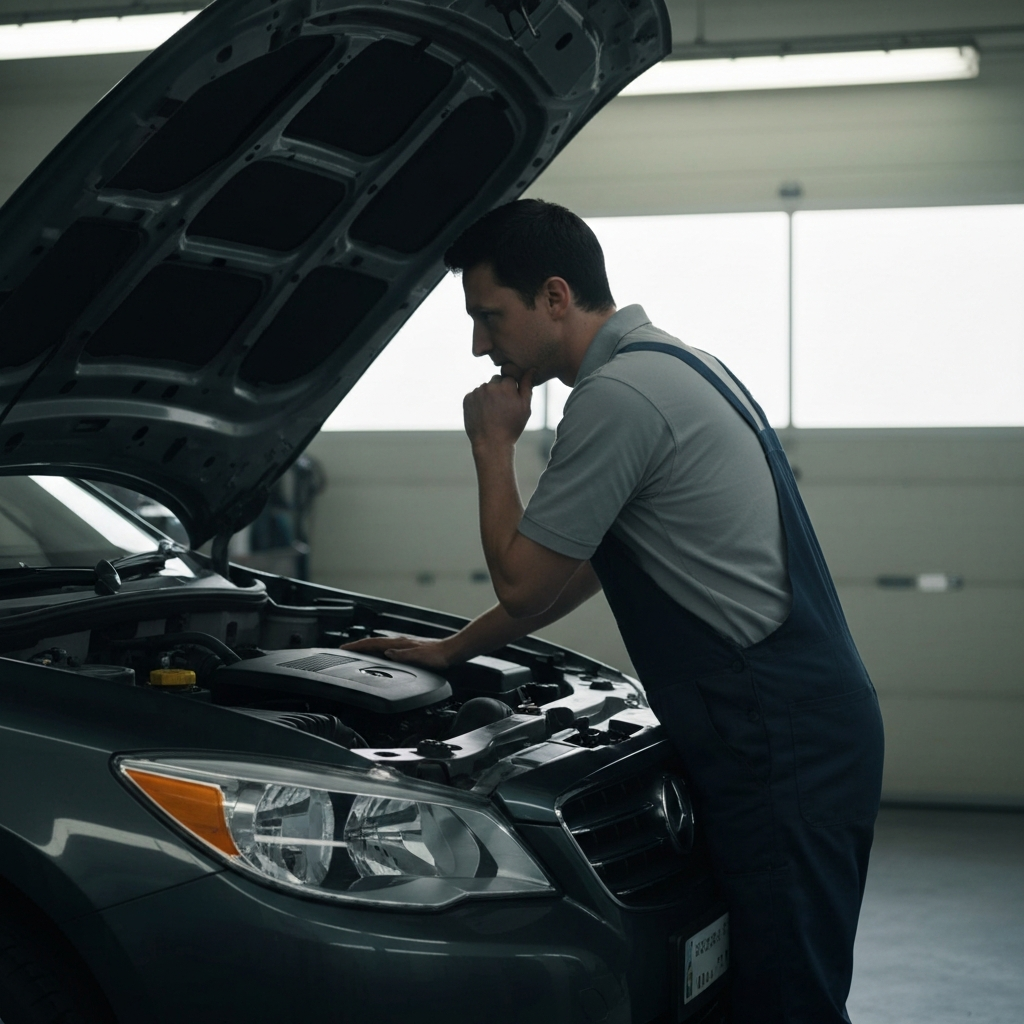
Start the engine and listen carefully. Pay close attention to the sounds during the starting process. A healthy engine should start smoothly and quietly. Grinding, clicking, or whirring noises during startup can indicate issues with the starter motor, battery, or flywheel. A prolonged cranking time before the engine starts could suggest fuel delivery problems or low compression. Immediately after starting, observe the engine idle. An uneven or rough idle often points to vacuum leaks, faulty spark plugs, or issues with the fuel injectors.

Step 3: Identifying Common Engine Noises
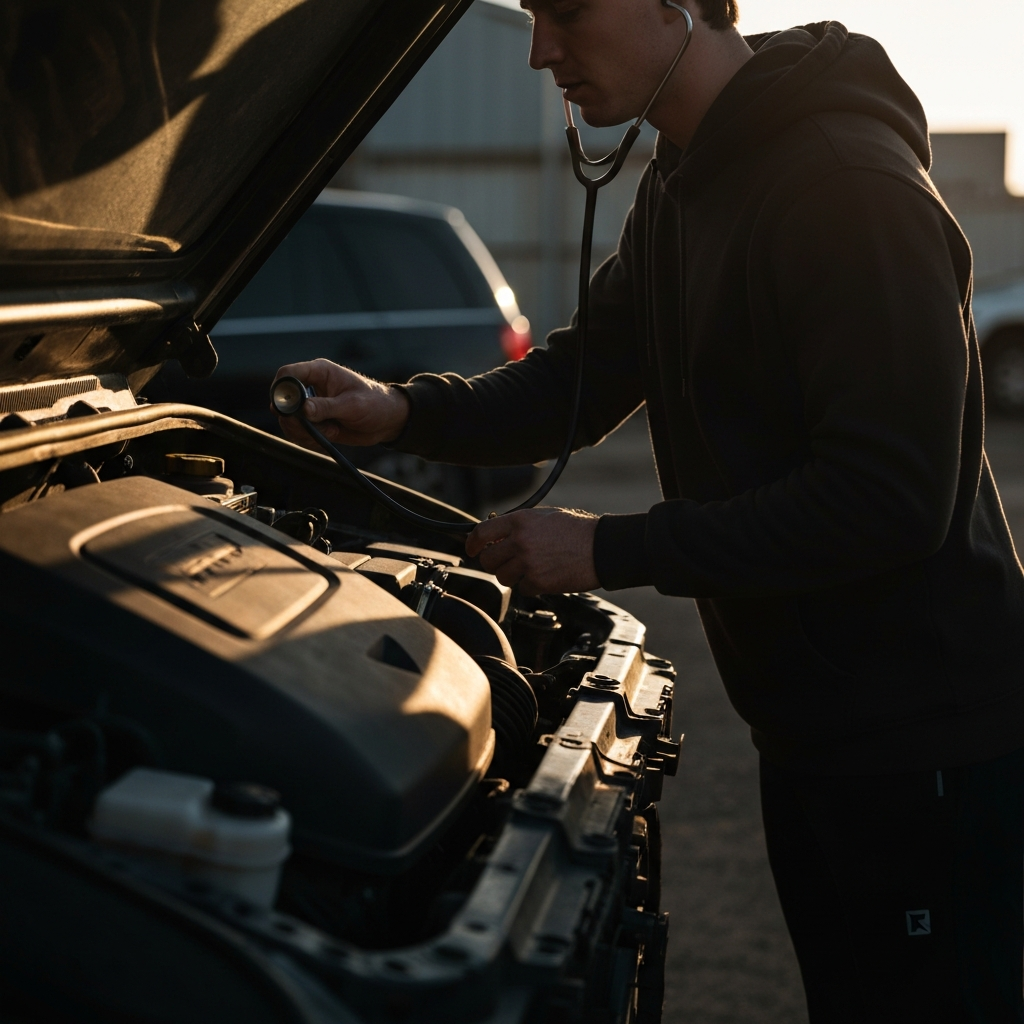
Once the engine is running smoothly (or as smoothly as it will), focus on identifying specific engine noises. A consistent ticking sound, especially one that increases with engine speed, could indicate a problem with the valves or lifters. A deep knocking sound, often referred to as "rod knock," is a serious sign of bearing damage and requires immediate attention. A hissing sound might point to a vacuum leak or an exhaust leak. A whining sound, particularly from the front of the engine, could be a sign of a failing water pump, alternator, or power steering pump. Carefully note the location and characteristics of each noise.
Step 4: Evaluating Exhaust Sounds
Move to the rear of the car and listen to the exhaust. A healthy exhaust should produce a steady, even sound. A hissing or sputtering sound could indicate an exhaust leak. A popping or backfiring sound often points to unburnt fuel igniting in the exhaust system, which can be caused by a lean fuel mixture or ignition problems. A rattling sound from the catalytic converter could mean the internal components are damaged. Note the color and smell of the exhaust fumes; white smoke can indicate a coolant leak, while blue smoke suggests burning oil.

Step 5: Assessing Suspension and Steering Noises
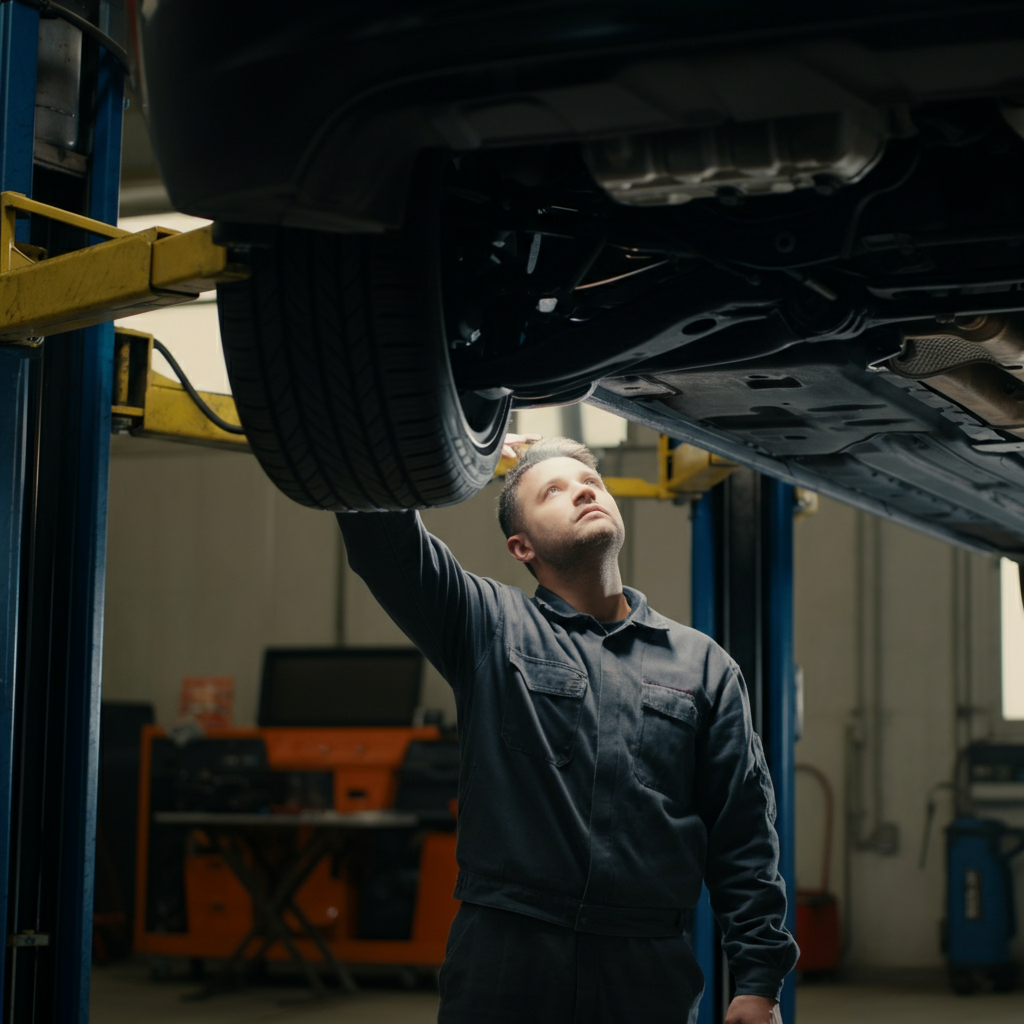
With the engine off, rock the car back and forth and listen for suspension noises. Clunking or rattling sounds from the suspension can indicate worn-out shocks, struts, ball joints, or control arm bushings. Turn the steering wheel from lock to lock and listen for any groaning or squealing noises, which might be caused by low power steering fluid or a failing power steering pump. A clicking sound that increases with speed while turning is a classic symptom of a failing constant velocity (CV) joint.
Step 6: Evaluating Brake Sounds
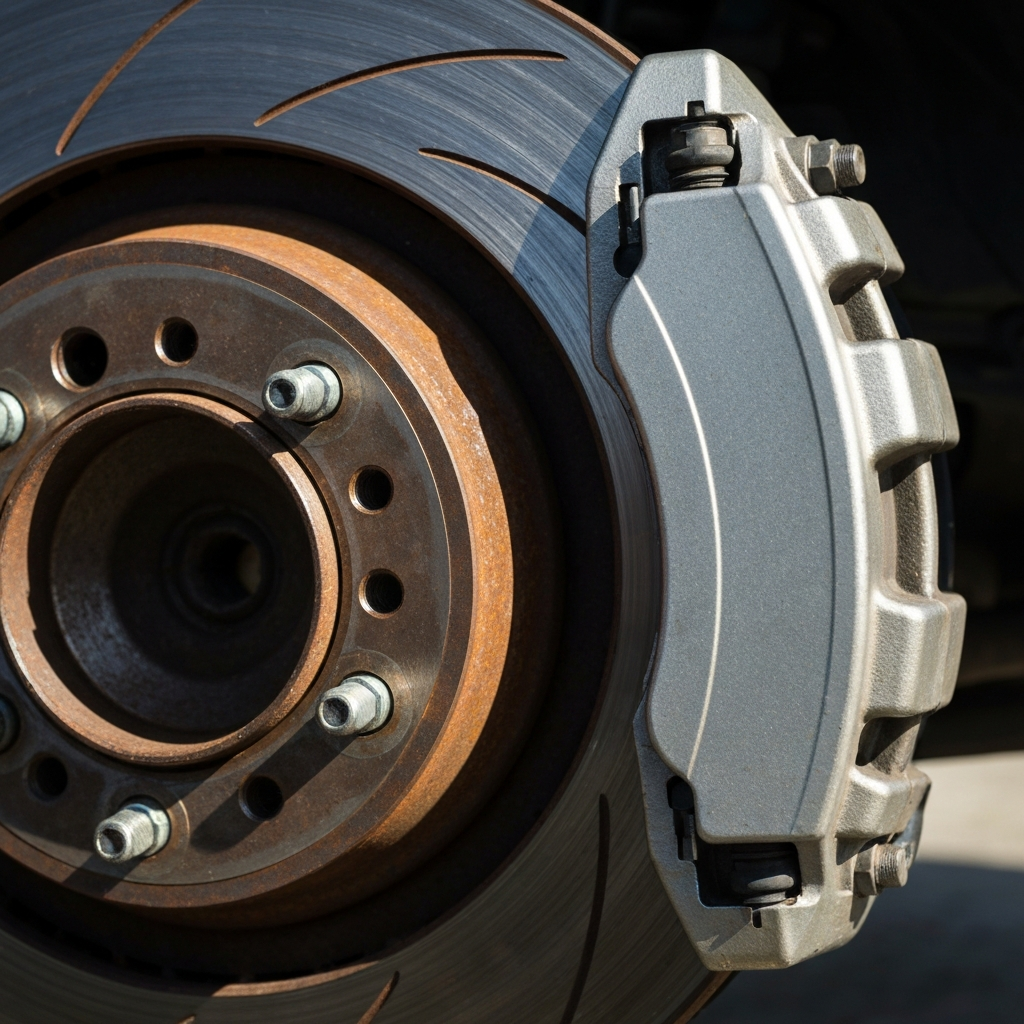
Brake noises are often a clear indication of brake system issues. Squealing brakes are typically caused by worn brake pads. Grinding brakes indicate that the brake pads are completely worn and the metal backing plates are rubbing against the rotors, which can cause significant damage. A pulsating sensation in the brake pedal accompanied by a scraping sound could mean warped rotors. A hissing sound when applying the brakes might indicate a leak in the brake lines or master cylinder.
Step 7: Road Test (Proceed with Caution)
If the initial assessment doesn't reveal the source of the noise, a short road test might be necessary. Drive the car at varying speeds and listen for changes in the noise. Pay attention to when the noise occurs – during acceleration, deceleration, turning, or braking. Do not perform this test if you suspect a critical mechanical failure that could compromise your safety or the safety of others. If you're unsure, consult a professional mechanic.

Tools or Materials Required
- A quiet environment
- A stethoscope (optional, but helpful for pinpointing noises)
- A notepad and pen (or a smartphone) for recording observations
- Earplugs (to protect your hearing from loud noises)
Safety Considerations
- Always prioritize your safety. If you are unsure about the source of a noise or how to address it, consult a qualified mechanic.
- Never work under a vehicle supported only by a jack. Use jack stands for support.
- Wear appropriate safety gear, including eye protection and gloves.
- Be mindful of hot engine components and exhaust systems.
FAQ Section
Q: How accurate is diagnosing car problems based on sound alone?
A: While sound can be a valuable diagnostic tool, it's not always 100% accurate. It's best used in conjunction with other diagnostic methods, such as visual inspection and diagnostic codes.
Q: Can I fix all car problems myself after diagnosing them with sound?
A: Not necessarily. Some repairs require specialized tools and knowledge. If you're not comfortable performing a repair, it's best to consult a professional mechanic.
Q: How can I improve my ability to diagnose car problems using sound?
A: Practice is key. Listen to different cars, research common noises, and consult with experienced mechanics. The more you listen, the better you'll become at identifying different sounds and their potential causes.
Conclusion
Diagnosing car problems using sound is a valuable skill that can save you time and money. By learning to listen to your car and interpreting the noises it makes, you can identify potential problems early and prevent costly repairs. Remember to prioritize safety, use this guide as a starting point, and consult with a professional mechanic when in doubt. With practice and patience, you'll become a more confident and knowledgeable car owner.