That unsettling clunk, squeal, or rumble coming from your car can be incredibly unnerving. Before you resign yourself to a hefty mechanic's bill, know that you can often pinpoint the source of the noise yourself. Diagnosing car noises isn't just about saving money; it's about understanding your vehicle and potentially preventing a minor issue from escalating into a major repair.
This guide will equip you with the knowledge and techniques to identify common car noises, helping you determine the potential cause and the urgency of the problem. We'll walk you through a systematic approach, from listening carefully to performing basic visual inspections. Remember, safety is paramount, so always exercise caution and consult a professional mechanic if you're unsure or uncomfortable.
By following these steps, you'll be able to describe the noise accurately to your mechanic, potentially saving time and money on the repair. You might even discover it's a simple fix you can handle yourself!
Step 1: Gather Information – The Art of Listening
Hone Your Hearing and Note the Details
The first and most crucial step is to listen carefully and gather as much information as possible about the noise. Don't just say "it's making a noise." Describing the sound accurately is paramount. Is it a squeal, a grinding, a clicking, a thumping, a humming, or something else entirely? When does the noise occur? Is it constant, or does it only happen under specific conditions, such as when you're braking, accelerating, turning, or driving over bumps? What speed are you going when the noise occurs? Also, try to pinpoint the location of the noise. Does it seem to be coming from the front, rear, left, or right side of the car? Is it from under the hood, under the car, or inside the cabin? The more details you gather, the better equipped you'll be to diagnose the problem.

Step 2: The Visual Inspection – Eyes on the Prize
Take a Walk Around and Under Your Vehicle
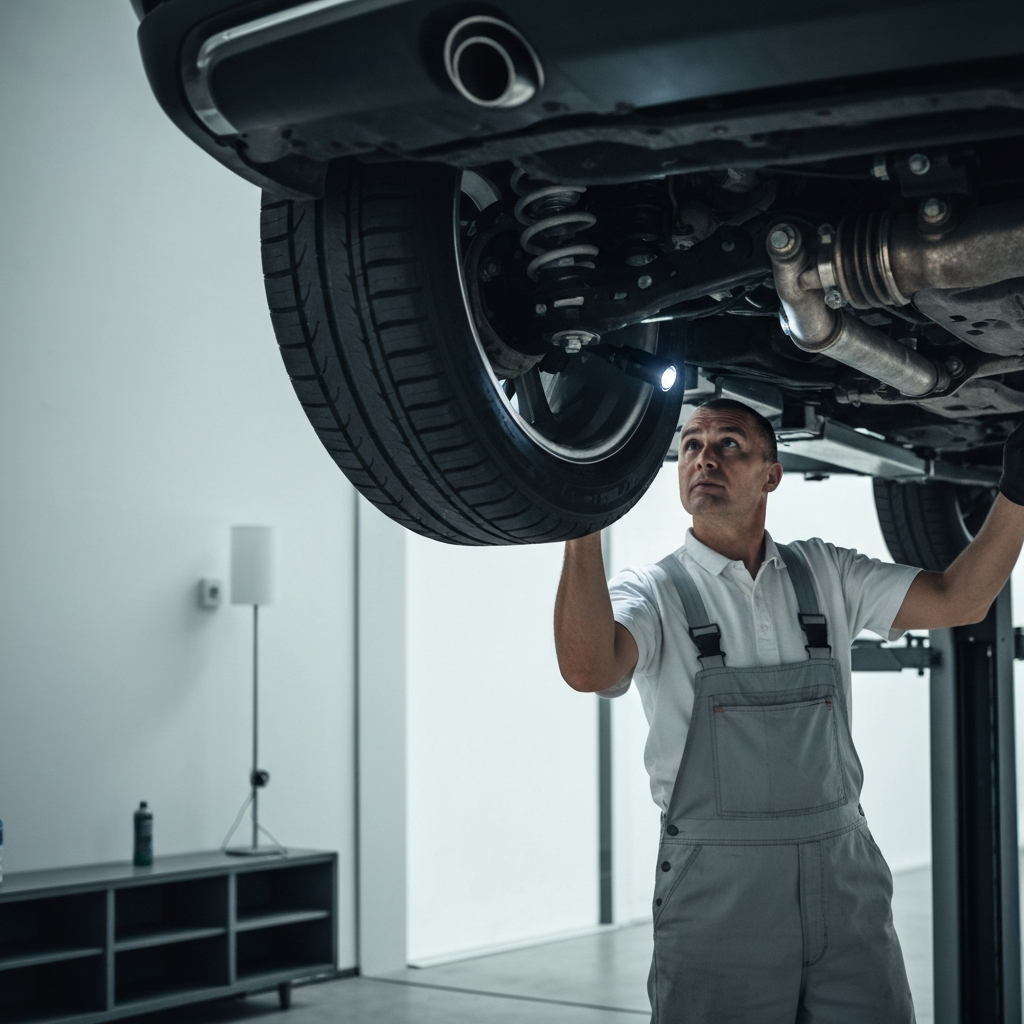
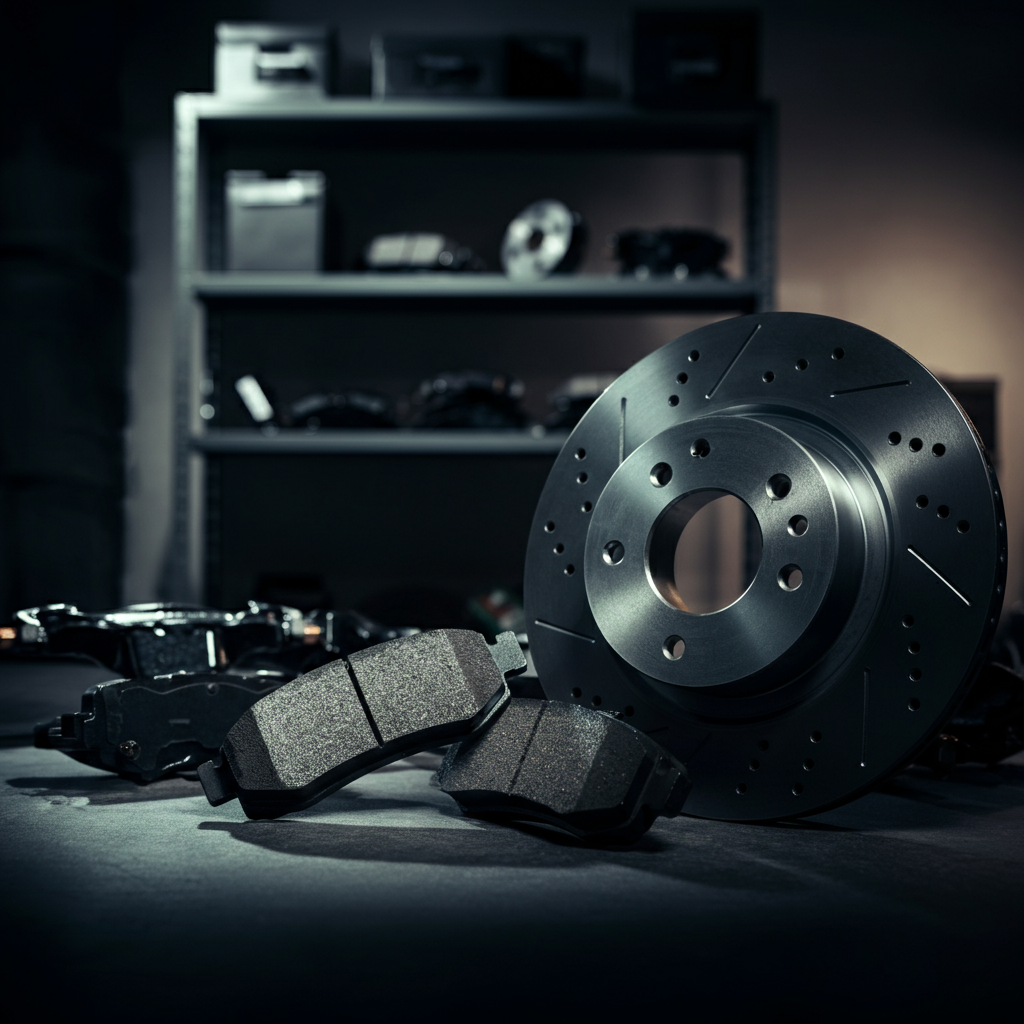
Once you have a good understanding of the noise, conduct a thorough visual inspection. Start by checking your tires for any signs of damage, such as bulges, cuts, or uneven wear. Look at your brake rotors and pads for excessive rust, cracks, or wear. Inspect your suspension components, such as shocks, struts, and springs, for any leaks, damage, or corrosion. If you can safely do so (using jack stands!), get under your car and look for any loose or damaged components, leaking fluids, or unusual wear patterns. Pay close attention to areas near where you suspect the noise is originating. Don't forget to check under the hood for anything obviously amiss, such as loose belts, leaking fluids, or damaged hoses.
Step 3: Test Driving – Recreating the Symphony of Sounds
Safely Replicate the Noise While Driving
After your visual inspection, take your car for a short test drive to try to recreate the noise. This will help confirm your initial observations and provide additional clues about the source of the problem. Be sure to choose a safe location, away from heavy traffic, and obey all traffic laws. Try to replicate the conditions that cause the noise to occur. For example, if the noise only happens when you're turning, try making some slow, controlled turns. If it only happens when you're braking, try applying the brakes gently and firmly. Pay close attention to any changes in the noise as you vary your driving conditions.

Step 4: Common Noises and Their Likely Causes
Decoding the Automotive Orchestra
Here are some common car noises and their potential causes, to guide your diagnosis:
- Squealing from the front: Usually indicates worn brake pads, especially when braking. It could also be a loose or worn serpentine belt, particularly if it occurs when the engine is first started.
- Grinding from the brakes: Indicates severely worn brake pads that have worn down to the metal backing plates. This requires immediate attention and brake replacement.
- Clicking or popping when turning: Often points to a worn CV joint in the front axles. The clicking usually gets louder and more frequent as you turn sharper.
- Thumping or rumbling: Could indicate a tire issue, such as a flat spot, bulge, or separation in the tire. It could also be a wheel bearing problem.
- Humming noise that changes with speed: Often a sign of a worn wheel bearing. The hum usually gets louder as your speed increases.
- Knocking from the engine: A serious issue that can indicate worn engine bearings or other internal engine damage. Seek professional help immediately.
- Clunking over bumps: Could be caused by worn suspension components, such as ball joints, tie rod ends, or sway bar links.
Step 5: Narrowing Down the Possibilities
Combining Clues for Accurate Diagnosis
Now, use the information you've gathered to narrow down the possibilities. Consider the type of noise, when it occurs, where it seems to be coming from, and any visual observations you've made. For example, if you hear a squealing noise from the front brakes only when you're braking, and you see that your brake pads are thin, then it's highly likely that your brake pads need to be replaced. If you hear a clicking noise when turning, and you see a torn CV boot on the axle, then it's likely that your CV joint is worn. Don't jump to conclusions, but use the evidence to make an educated guess.
Tools or Materials Required
- Jack and jack stands (for safely lifting the vehicle)
- Flashlight (for visual inspection)
- Gloves (to protect your hands)
- Wheel chocks (for safety)
- Basic tools (wrench, socket set)
Safety Considerations
- Always use jack stands when working under a vehicle. Never rely solely on a jack.
- Wear safety glasses to protect your eyes from debris.
- Disconnect the negative battery cable before working on any electrical components.
- Work in a well-ventilated area, especially when dealing with fluids.
- Consult a professional mechanic if you are unsure about any procedure.
Common Mistakes to Avoid
- Ignoring warning signs for too long.
- Misdiagnosing the noise based on limited information.
- Attempting repairs beyond your skill level.
- Using incorrect parts or tools.
- Neglecting basic safety precautions.
FAQ Section
Q: My car is making a noise, but it's hard to describe. What should I do?
A: Try to think of similar sounds or objects that make a similar noise. Is it like rubbing metal, a hissing sound, or a rattle? Even if you can't describe it perfectly, any details you can provide will be helpful.
Q: I've identified the noise, but I'm not sure how to fix it. What should I do?
A: If you're not comfortable performing the repair yourself, consult a qualified mechanic. Be prepared to describe the noise in detail and explain what you've already done to diagnose the problem.
Q: How important is it to address car noises promptly?
A: It's very important! Ignoring car noises can lead to more serious damage and costly repairs down the road. Some noises indicate safety-critical issues that should be addressed immediately.
Pro Tips
- Use a mechanic's stethoscope (or even a long screwdriver placed against your ear and different parts of the engine) to pinpoint the exact location of noises under the hood.
- Record the noise with your smartphone. This can be helpful when describing the issue to a mechanic.
- Consult online forums and communities specific to your car make and model. Other owners may have experienced similar noises and can offer valuable insights.
Conclusion
Diagnosing car noises can seem daunting, but with a systematic approach and a little patience, you can often pinpoint the source of the problem. By gathering information, performing visual inspections, and understanding common noise patterns, you'll be better equipped to communicate with your mechanic and potentially save time and money on repairs. Remember to prioritize safety and consult a professional when in doubt. Happy diagnosing!