Diagnosing car noises can seem daunting, but with a systematic approach, you can pinpoint the source of the problem and potentially save yourself a costly trip to the mechanic. The key is to listen carefully, gather as much information as possible, and use your senses to identify the type, location, and frequency of the sound. This guide will walk you through the process, helping you become a more informed car owner and a better troubleshooter.
Before you begin, remember that safety is paramount. Always work in a well-ventilated area and use proper safety equipment, such as gloves and eye protection. Furthermore, never work under a vehicle supported only by a jack; always use jack stands. With these precautions in mind, let's dive into the world of automotive acoustics!
This isn't about magically knowing what's wrong. It's about being methodical and using your powers of observation to narrow down the possibilities. Remember, even professional mechanics rely on a combination of experience, diagnostic tools, and a logical approach to identify the root cause of car noises. You can learn to do the same.
Step 1: Identify the Type of Noise
Listen Carefully and Describe the Sound
The first step is to accurately describe the noise. Is it a squeal, a grind, a clunk, a rattle, a hum, or something else entirely? Note when the noise occurs – is it constant, intermittent, or only present under certain conditions (e.g., when braking, turning, accelerating)? The more precise you can be in describing the noise, the easier it will be to narrow down the potential causes. Consider using descriptive words like "high-pitched," "low-pitched," "metallic," or "dull." The frequency of the sound (how often it repeats) can also be a crucial clue.

Step 2: Determine When the Noise Occurs
Context is Key: When Does the Noise Happen?
When does the noise occur? Is it present only when the engine is cold, or only when it's warm? Does it happen when you accelerate, decelerate, turn, or brake? Does it change with engine speed (RPM)? Does the noise only appear when the car is in motion or can it be replicated while stationary? This is arguably the most important step in the diagnostic process. For example, a squealing noise only when starting the engine might indicate a worn serpentine belt, while a clunking noise when going over bumps suggests a suspension issue.

Step 3: Pinpoint the Location of the Noise
Locating the Source: Narrowing Down the Area
Try to pinpoint the general area where the noise is coming from. Is it from the front, rear, left, right, under the hood, or underneath the car? Use your ears and focus your attention on different areas while the noise is occurring. If you can safely have someone else drive the car while you listen from the passenger seat or even the back seat, this can be very helpful. Be cautious when working around moving parts. Once you have a general area, you can begin to investigate further.
Step 4: Perform Basic Visual Inspections
Visual Clues: Look for the Obvious
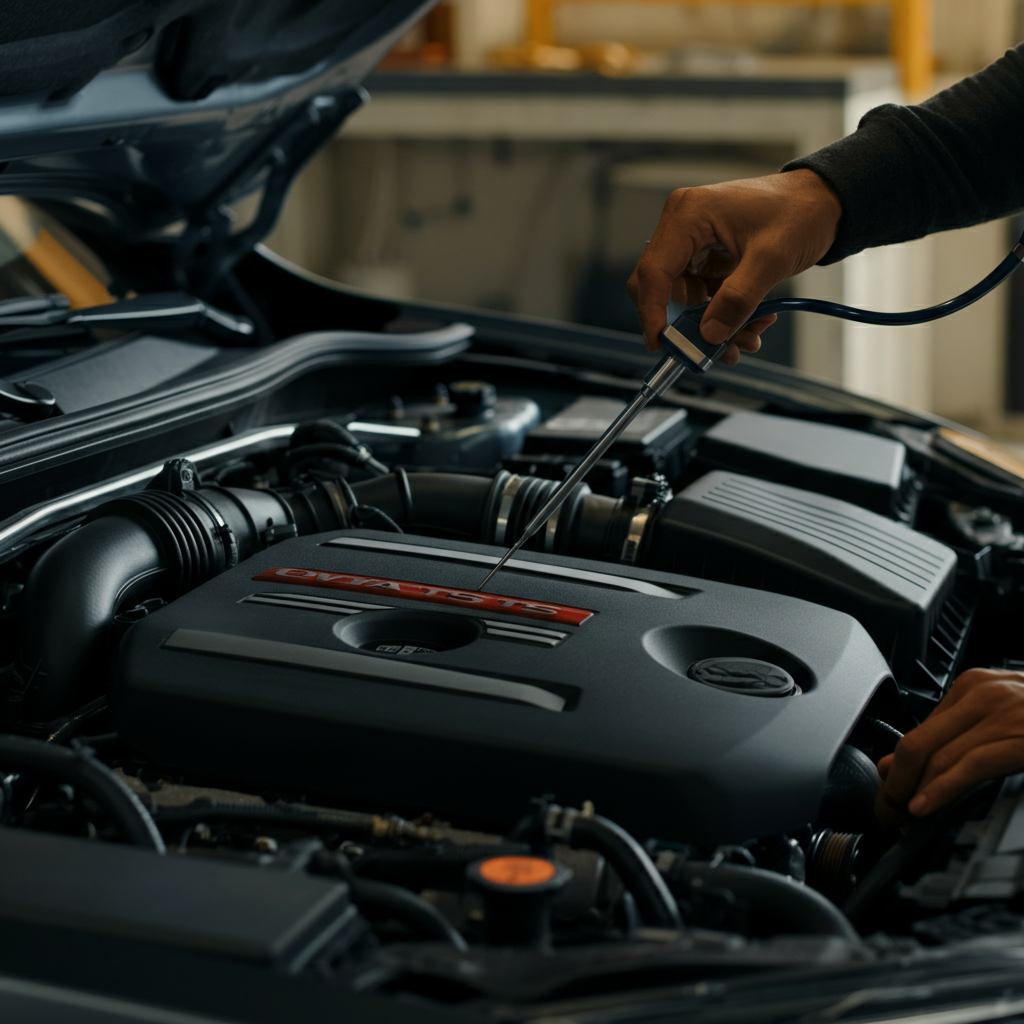
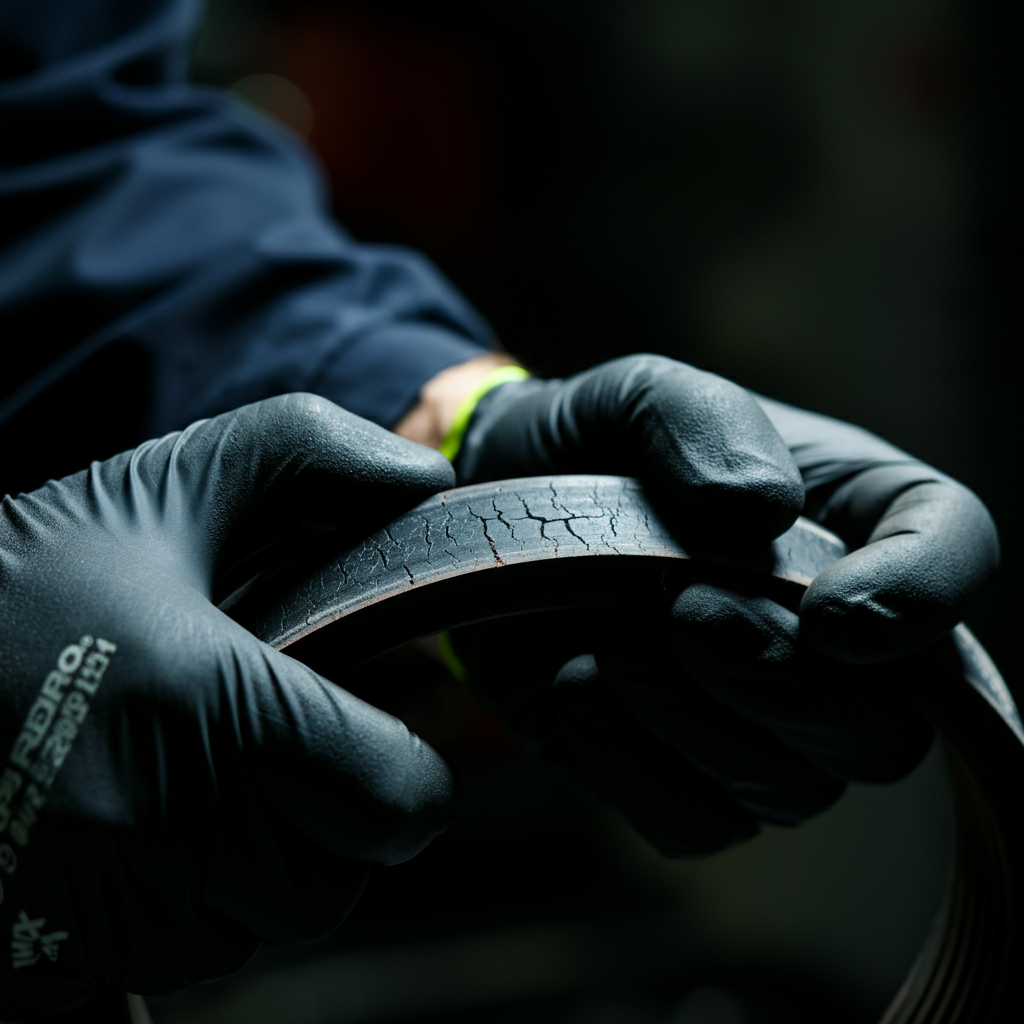
Even before you start tearing things apart, conduct a thorough visual inspection. Look for obvious signs of wear, damage, or leaks. Check the condition of belts, hoses, tires, and suspension components. Look for loose or corroded connections. A visual inspection can often reveal the source of the noise, saving you time and effort. For example, a visibly cracked belt could be the culprit of a squealing noise. Always check fluid levels, including oil, coolant, brake fluid, and power steering fluid. Low fluid levels can sometimes cause unusual noises.
Step 5: Utilize Basic Diagnostic Tools
Tools of the Trade: Helpful Gadgets for Noise Diagnosis
While you don't need a fully equipped mechanic's shop, a few basic tools can be helpful. A mechanic's stethoscope can help you isolate noises in the engine compartment. A code reader can check for error codes that might be related to the noise, even if the check engine light isn't on. A simple jack and jack stands (used safely!) will allow you to inspect the suspension and undercarriage. A tire pressure gauge ensures tires are properly inflated, ruling out tire-related noises. Don't underestimate the power of a good flashlight for visual inspections!
Step 6: Test Drive with a Purpose
The Test Drive: Replicating and Analyzing
If the noise only occurs while driving, conduct a test drive specifically to replicate and analyze the sound. Pay attention to the speed, road conditions, and driving maneuvers that trigger the noise. Try different scenarios: accelerating, braking, turning sharply, and driving over bumps. Note any changes in the noise under these different conditions. Bringing a notepad and pen to record your observations is a good practice. Be sure to test drive in a safe environment and obey all traffic laws.

Step 7: Consider Common Culprits
The Usual Suspects: Common Noise Sources
Familiarize yourself with common car noise sources. Squealing brakes often indicate worn brake pads or rotors. A grinding noise during turns could be a wheel bearing issue. A clunking from the suspension is often caused by worn-out bushings or ball joints. A rattling exhaust system might indicate a loose heat shield or a damaged muffler. Knowing the typical symptoms associated with different problems can significantly speed up the diagnostic process. Online forums and repair manuals can be excellent resources for learning about common issues and their associated noises.

Step 8: Don't Be Afraid to Seek Professional Help
When to Call in the Experts: Knowing Your Limits
If you've followed these steps and are still unable to diagnose the noise, or if you're uncomfortable performing any repairs yourself, don't hesitate to seek professional help. A qualified mechanic has the experience, tools, and knowledge to accurately diagnose and repair the problem. Describe the noise, when it occurs, and the steps you've already taken to diagnose it. This will help the mechanic efficiently troubleshoot the issue. Trying to fix something you're not qualified to repair can sometimes make the problem worse and more expensive to fix.

Safety Considerations
Always prioritize safety when working on your car. Use jack stands when working under the vehicle, disconnect the negative battery terminal before working on electrical components, and wear eye protection and gloves. Be aware of hot surfaces and moving parts. If you're unsure about any procedure, consult a professional mechanic.
Common Mistakes to Avoid
A common mistake is to immediately assume the worst-case scenario and start replacing expensive parts without proper diagnosis. Another mistake is to ignore the noise and hope it goes away. Car noises are often early warning signs of more serious problems, and addressing them promptly can prevent costly repairs down the road.
FAQ Section
Q: What if the noise is intermittent and hard to replicate?
A: Try to identify any specific conditions that trigger the noise. It may be helpful to record the noise with your phone and show it to a mechanic.
Q: How can I tell if a noise is serious or just a minor annoyance?
A: Any unusual noise should be investigated. If the noise is accompanied by other symptoms, such as a warning light, reduced performance, or fluid leaks, it's more likely to be a serious problem.
Conclusion
Diagnosing car noises like a mechanic requires a combination of careful listening, thorough observation, and a systematic approach. By following these steps, you can become a more informed car owner and potentially save yourself time and money. Remember to prioritize safety and don't hesitate to seek professional help when needed. Happy diagnosing!