The All-Terrain Vehicle (ATV), once primarily seen as a recreational toy, has evolved into a versatile workhorse for landowners, outdoor enthusiasts, and adventurers. Whether you're traversing acres of property, navigating challenging trails, or simply seeking a reliable way to explore the great outdoors, understanding how to maximize your ATV's potential is crucial. This guide will provide you with expert tips and practical advice on upgrading, maintaining, and utilizing your ATV to its fullest extent.
Beyond the initial thrill of riding, unlocking your ATV's full potential requires a proactive approach. This includes preventative maintenance to ensure reliability, strategic upgrades to enhance functionality, and a keen understanding of safety practices to minimize risks. Many riders underestimate the importance of regular maintenance, leading to avoidable breakdowns and costly repairs. Similarly, neglecting to equip your ATV with appropriate accessories can severely limit its capabilities in various situations.
This comprehensive guide will walk you through essential steps to transform your ATV into a powerful tool, ready to tackle any challenge you throw its way. From essential maintenance checks to strategic upgrades for work and play, we'll cover everything you need to know to get the most out of your ATV investment.
Step 1: Regular Battery Servicing and Inspection
Understanding Your ATV Battery
Your ATV's battery is the heart of its electrical system, responsible for starting the engine and powering essential accessories. Regular servicing and inspection are crucial to ensure reliable performance. For conventional batteries, periodically check the electrolyte fluid levels. Carefully remove the caps (if applicable) and add distilled water to any cells where the fluid is low. Be aware that many newer ATV batteries are sealed and maintenance-free, meaning you cannot access or adjust the fluid levels. Consult your owner's manual for specific instructions related to your battery type.

Inspect for Corrosion and Damage
Frequent inspection is just as important as servicing. Look for signs of leaking acid, which can cause corrosion and damage to surrounding components. Examine the battery terminals for any signs of corrosion, such as a white or bluish powdery substance. Clean any corrosion with a wire brush and apply a battery terminal protector spray to prevent future buildup. Ignoring these signs can lead to starting problems and reduced battery life.

Step 2: Installing a Winch for Utility and Safety
Transform Your ATV into a Workhorse
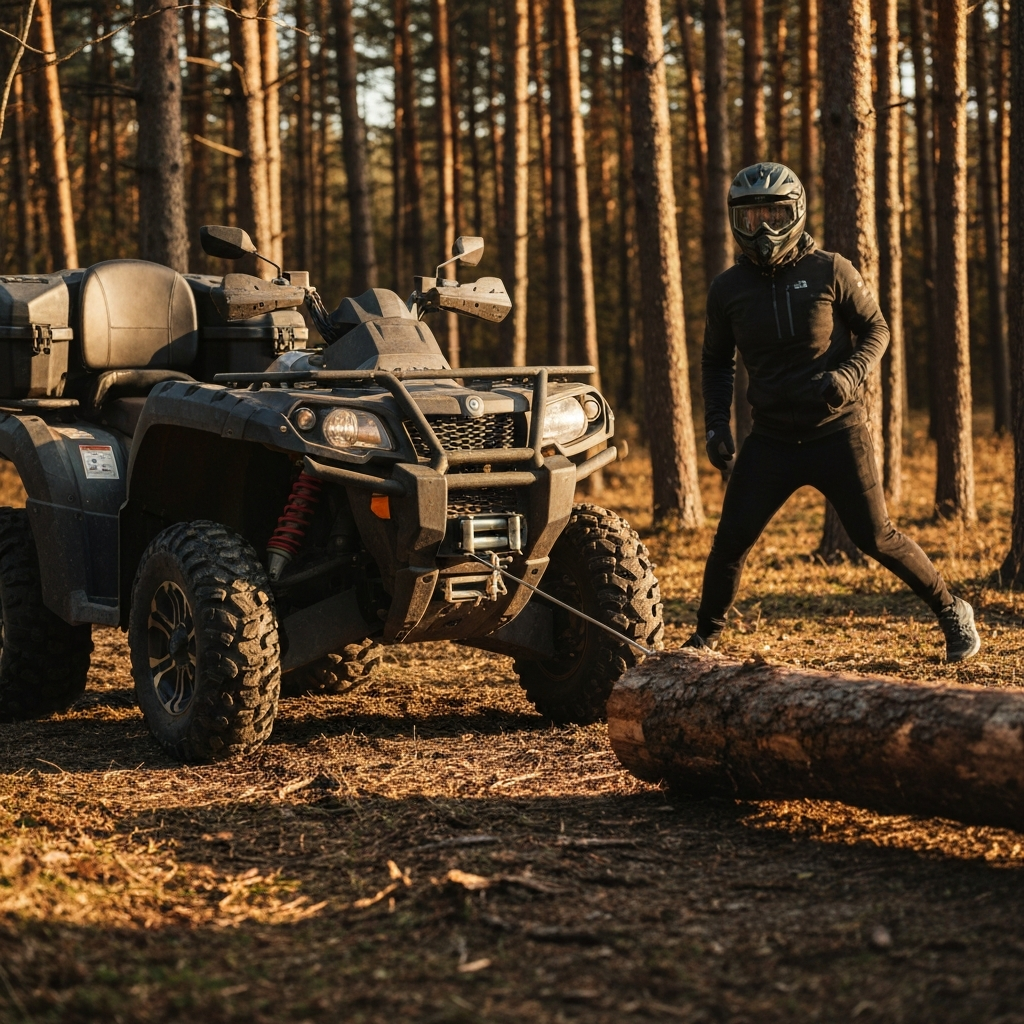
Adding a winch to your ATV dramatically increases its utility. A winch provides pulling power for a variety of tasks, from removing heavy brush and debris on your property to assisting in challenging off-road situations. On camping or hunting trips, a winch can be invaluable for moving firewood, recovering stuck vehicles, or even assisting with game retrieval. Consider the pulling capacity you need based on the weight of your ATV and the types of tasks you anticipate performing.
Choosing the Right Winch
Selecting the right winch involves considering factors like pulling capacity (measured in pounds), cable type (steel or synthetic), and mounting options. Synthetic winch cables are generally lighter and safer than steel cables, but they may be more susceptible to abrasion. Ensure the winch is properly mounted to a sturdy winch plate specifically designed for your ATV model. A poorly mounted winch can be dangerous and ineffective. Always consult a professional if you are unsure about the installation process.

Step 3: Attaching a Plow for Snow Removal
Clearing Paths and Driveways with Ease
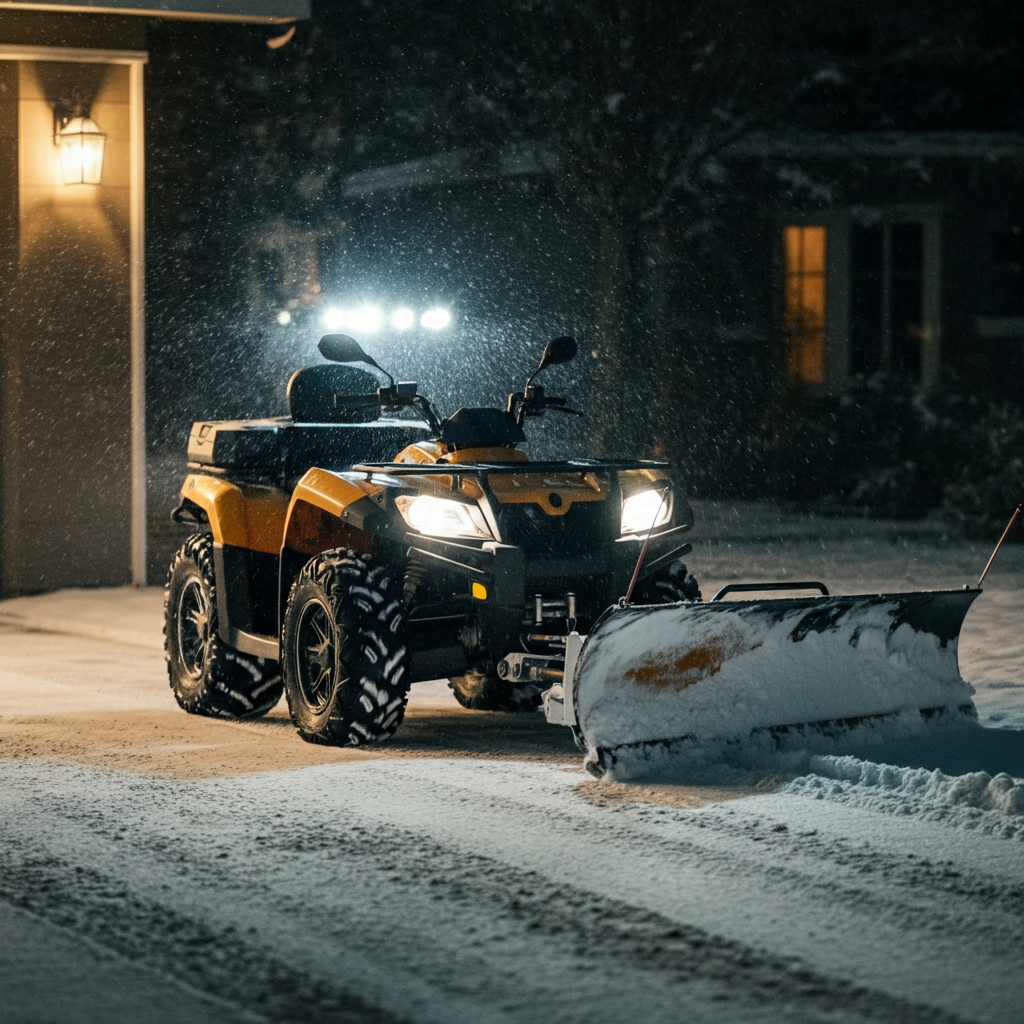
During winter months, attaching a plow to your ATV can transform it into a snow-clearing machine. Instead of being confined indoors, you can use your ATV to keep your property accessible and clear pathways through snowdrifts. This can be especially beneficial for those with long driveways or large properties to maintain.
Selecting and Installing the Right Plow
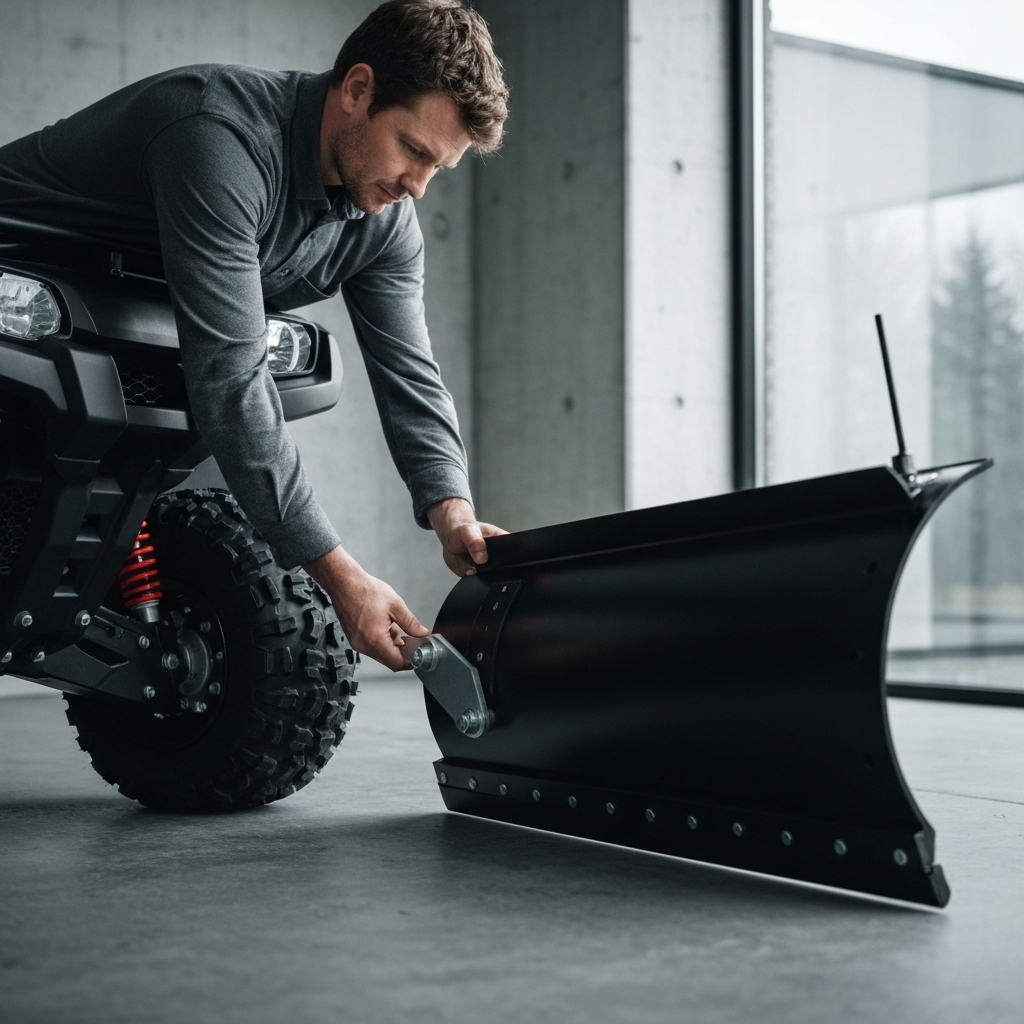
When choosing a plow, consider the width of the blade, the angle of adjustment, and the lifting mechanism (manual or electric). A wider blade will clear more snow in a single pass, but it may also require more power from your ATV. An electric lift mechanism makes it easier to raise and lower the plow. Proper installation is crucial for safe and effective snow removal. Ensure the plow is securely attached to the ATV frame and that the lifting mechanism operates smoothly. Regularly inspect the plow for wear and tear, and lubricate moving parts to prevent rust and corrosion. Always clear debris and obstacles from the area you plan to plow to avoid damaging the plow or your ATV.
Step 4: Utilizing a Trailer for Cargo Hauling
Expanding Your ATV's Carrying Capacity
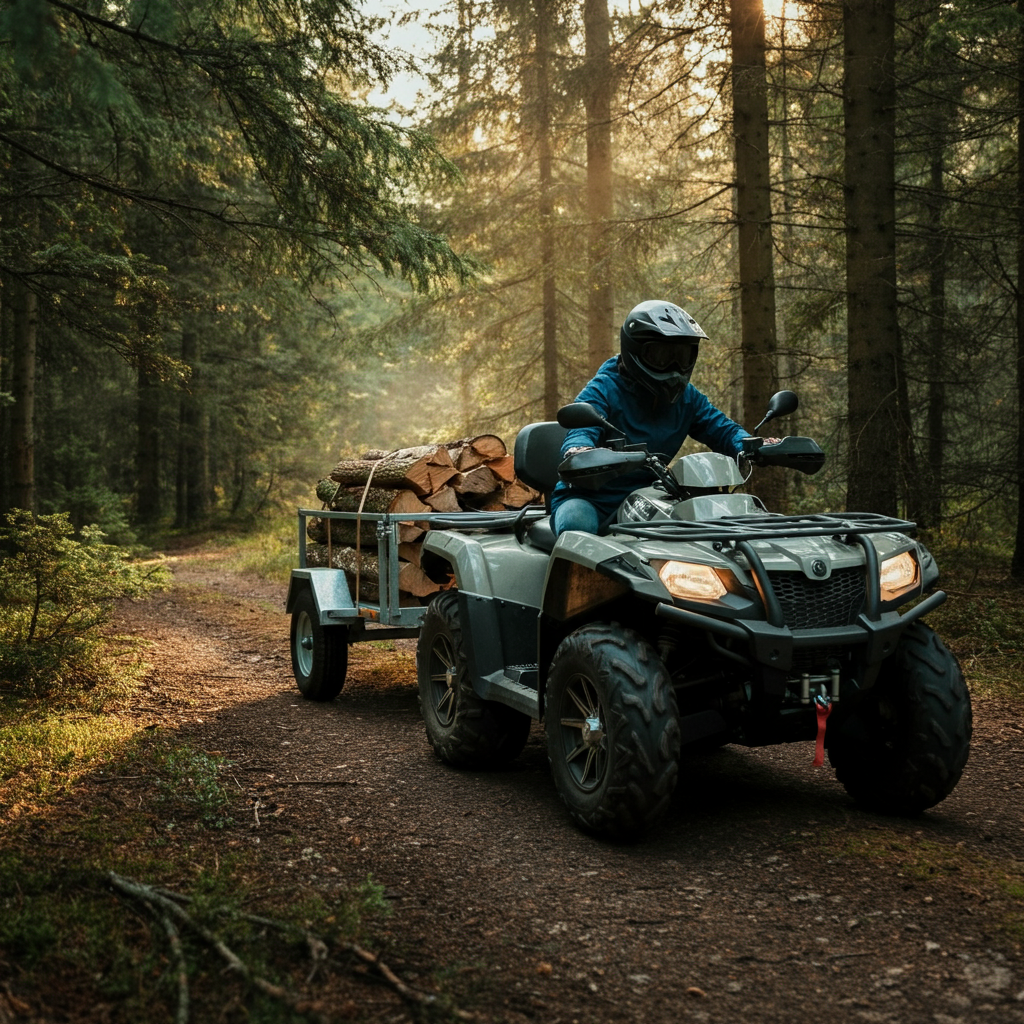
Attaching a trailer to the rear of your ATV significantly expands its cargo-carrying capabilities. This allows you to easily transport animal feed, lumber, machine parts, or containers of fluids across your property without straining yourself or risking injury. A trailer can also be invaluable for hauling camping gear, hunting equipment, or other supplies into remote areas.
Choosing and Using the Right Trailer
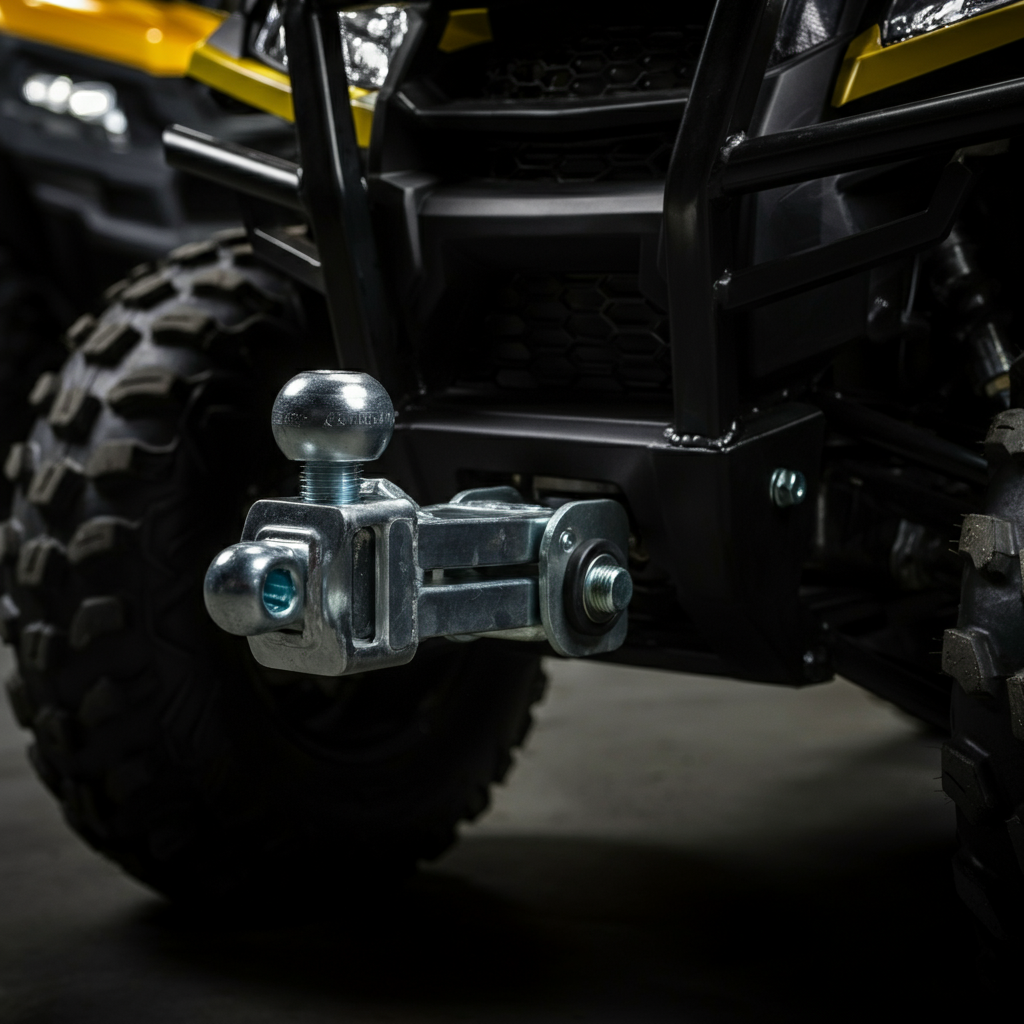
Select a trailer that is appropriately sized and rated for the weight you plan to carry. Consider factors like trailer bed size, axle capacity, and tire size. Ensure the trailer hitch is securely attached to your ATV and that the trailer lights are properly connected and functioning. When towing a trailer, be aware of the increased turning radius and braking distance. Drive slowly and cautiously, especially on uneven terrain. Distribute the load evenly in the trailer to maintain stability and prevent swaying. Regularly inspect the trailer for signs of wear and tear, such as loose bolts, cracked welds, or worn tires.
Step 5: Enhancing Safety with Lights and GPS
Transforming Your ATV into a Survival Tool
Equipping your ATV with bright headlights and a GPS system can transform it into a valuable survival tool, especially when venturing into remote or unfamiliar areas. Upgraded headlights significantly improve visibility during nighttime riding or in low-light conditions, reducing the risk of accidents. A GPS system provides accurate navigation, helping you stay on course and find your way back to safety if you become lost. These upgrades can provide peace of mind, knowing you have a way to navigate and signal for help in potentially dangerous situations.
Choosing and Using Lights and GPS
When selecting headlights, consider LED options for their brightness, energy efficiency, and long lifespan. Ensure the headlights are properly aimed to provide optimal visibility without blinding oncoming riders. For GPS systems, choose a model with a large, easy-to-read screen and pre-loaded maps of the areas you plan to explore. Familiarize yourself with the GPS system's features and functions before heading out on the trail. Always carry extra batteries or a portable power bank to ensure your GPS remains functional. In addition to GPS, consider carrying a traditional map and compass as a backup navigation tool.
Safety Considerations
Operating an ATV can be inherently dangerous. Prioritize safety by always wearing a helmet, eye protection, gloves, and appropriate riding gear. Take an ATV safety course to learn proper riding techniques and hazard avoidance. Never ride under the influence of alcohol or drugs. Be aware of your surroundings and adjust your speed to match the terrain and conditions. Avoid riding on paved roads unless specifically permitted by local laws. Respect private property and stay on designated trails. Regularly inspect your ATV for mechanical issues before each ride. Inform someone of your planned route and estimated return time. Carry a first-aid kit and a communication device in case of emergency.
Common Mistakes to Avoid
One of the most common mistakes is neglecting regular maintenance, leading to breakdowns and costly repairs. Another common mistake is exceeding the ATV's weight capacity or towing limits, which can damage the vehicle and compromise safety. Ignoring warning signs, such as unusual noises or vibrations, can lead to more serious problems. Using improper fluids or lubricants can damage the engine and other components. Failing to properly secure cargo can cause it to shift or fall off during transport. Neglecting to wear appropriate safety gear is a major safety hazard. Riding beyond your skill level can lead to accidents and injuries. Always prioritize safety and maintenance to ensure a positive and trouble-free ATV experience.
FAQ Section
Q: How often should I service my ATV battery?
A: For conventional batteries, check the fluid levels monthly or more frequently in hot climates. Inspect the battery terminals for corrosion at least every three months.
Q: What is the recommended pulling capacity for an ATV winch?
A: As a general rule, the winch should have a pulling capacity of at least 1.5 times the weight of your ATV.
Q: How wide of a snowplow blade should I choose for my ATV?
A: Consider the size of the area you need to clear. A wider blade will clear more snow in a single pass, but it may require more power from your ATV. A blade that is 60-72 inches wide is a common choice for ATVs.
Conclusion
By following these steps and prioritizing regular maintenance and strategic upgrades, you can unlock the full potential of your ATV. From enhancing its utility for work and recreation to ensuring your safety in remote environments, understanding how to maximize your ATV's capabilities will provide you with years of reliable service and unforgettable outdoor adventures. Remember that safety should always be your top priority, and that proper maintenance is key to keeping your ATV running smoothly for years to come.