Low engine oil pressure is a serious issue that can lead to catastrophic engine damage. Oil is the lifeblood of your engine, lubricating moving parts and preventing excessive wear. When the oil pressure drops, these crucial components are no longer adequately protected, leading to increased friction, heat, and potential failure. Ignoring a low oil pressure warning can be incredibly costly, resulting in expensive repairs or even a complete engine replacement.
This guide will walk you through the common causes of low engine oil pressure, from simple fixes like topping off the oil to more complex repairs requiring professional attention. We'll provide clear steps, diagnostic tips, and safety precautions to help you identify and resolve the problem effectively. Remember, if you're not comfortable working on your car, it's always best to consult a qualified mechanic. Safety should always be your top priority.
By understanding the underlying causes and taking prompt action, you can protect your engine and avoid costly repairs. Let's dive in and explore the steps you can take to address low engine oil pressure.
Step 1: Check the Engine Oil Level
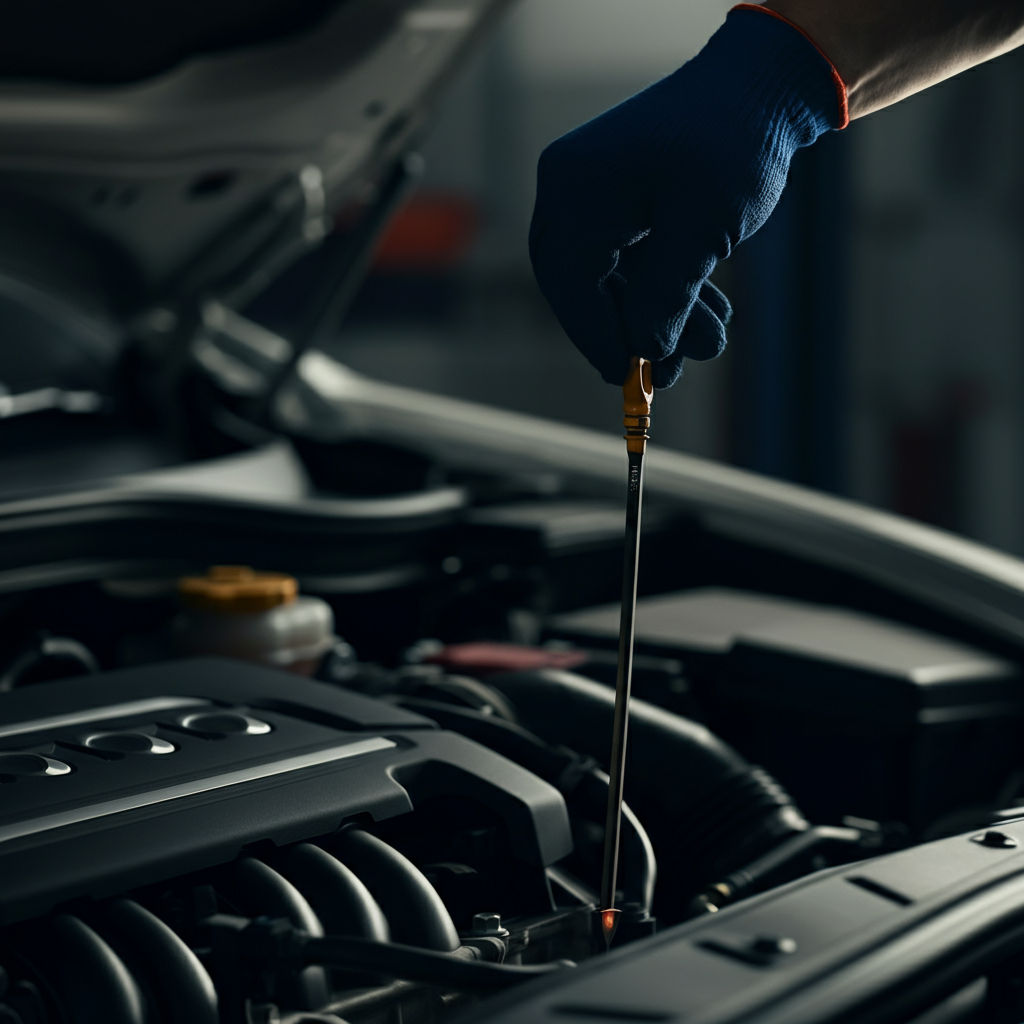
The first and easiest step is to check your engine oil level. Low oil is a very common cause of low oil pressure. Over time, engines can slowly burn or leak oil, leading to a decrease in the oil level. This can happen even if there are no obvious signs of leaks. A low oil level means the oil pump has less fluid to circulate, resulting in reduced pressure throughout the engine. Check the dipstick to determine if the oil level is within the recommended range. The dipstick typically has markings indicating the "min" and "max" levels. Make sure your car is parked on a level surface for an accurate reading.
Step 2: Top Off the Engine Oil
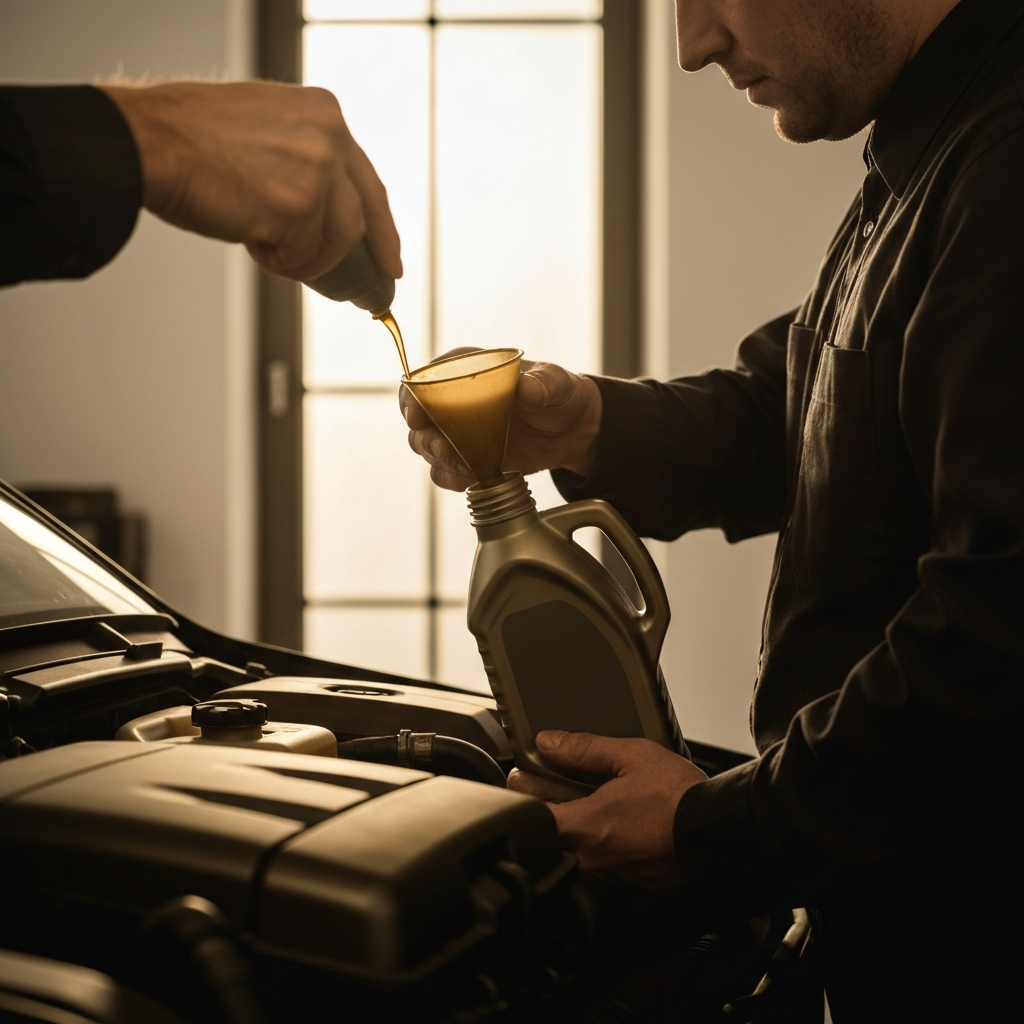
If the dipstick reading indicates a low oil level, add oil to bring it up to the "max" mark. Be sure to use the correct type of oil specified for your vehicle. This information is usually found in your owner's manual or on the oil filler cap. Adding the wrong type of oil can negatively affect your engine's performance. Use a funnel to avoid spills and add oil in small increments, rechecking the dipstick after each addition to avoid overfilling. Overfilling can also cause problems. Once the oil level is correct, start the engine and observe the oil pressure gauge or warning light. If the pressure returns to normal, the problem is solved. If the pressure remains low, proceed to the next step.
Step 3: Inspect for Oil Leaks
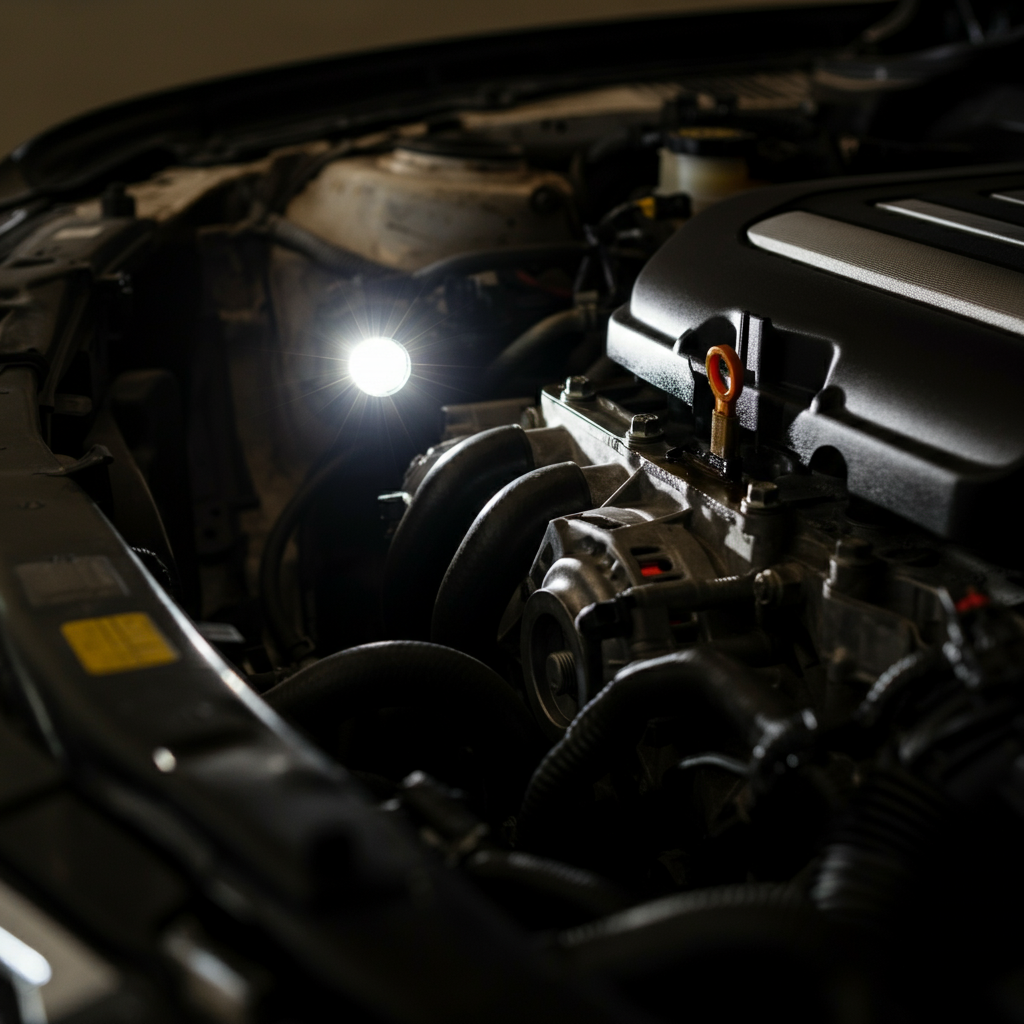
If topping off the oil doesn't solve the problem, and you find yourself adding oil frequently, suspect an oil leak. Common leak locations include the valve cover gasket, oil pan gasket, rear main seal, and oil filter. Carefully inspect these areas for signs of oil seepage or drips. A small leak might seem insignificant, but over time it can lead to a substantial loss of oil. Look for oil stains on the ground beneath your car, especially after it has been parked for a while. Leaks can also occur around oil lines and fittings, so pay close attention to these areas as well. If you find a leak, it will need to be repaired to restore proper oil pressure.
Step 4: Check the Oil Filter
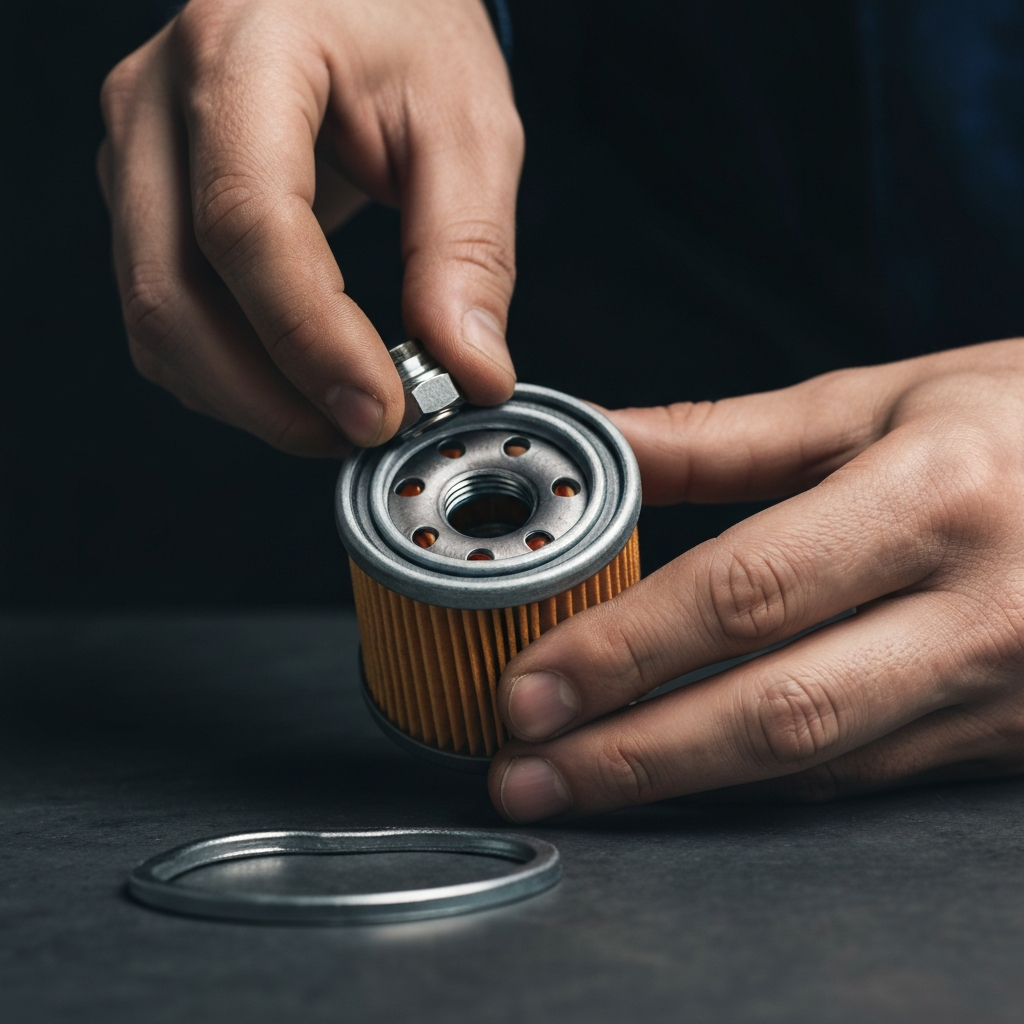
A clogged or faulty oil filter can restrict oil flow and reduce oil pressure. The oil filter is responsible for removing contaminants from the oil, preventing them from circulating through the engine. If the filter becomes clogged, it can create a significant restriction. Remove the oil filter and inspect it for excessive debris or damage. If the filter appears to be clogged, replace it with a new one. Make sure to properly lubricate the new filter's rubber gasket with clean oil before installation. Also ensure that the filter is tightened to the manufacturer's specified torque. An overtightened filter can be difficult to remove later, while an undertightened filter can leak.
Step 5: Evaluate the Oil Pressure Sensor
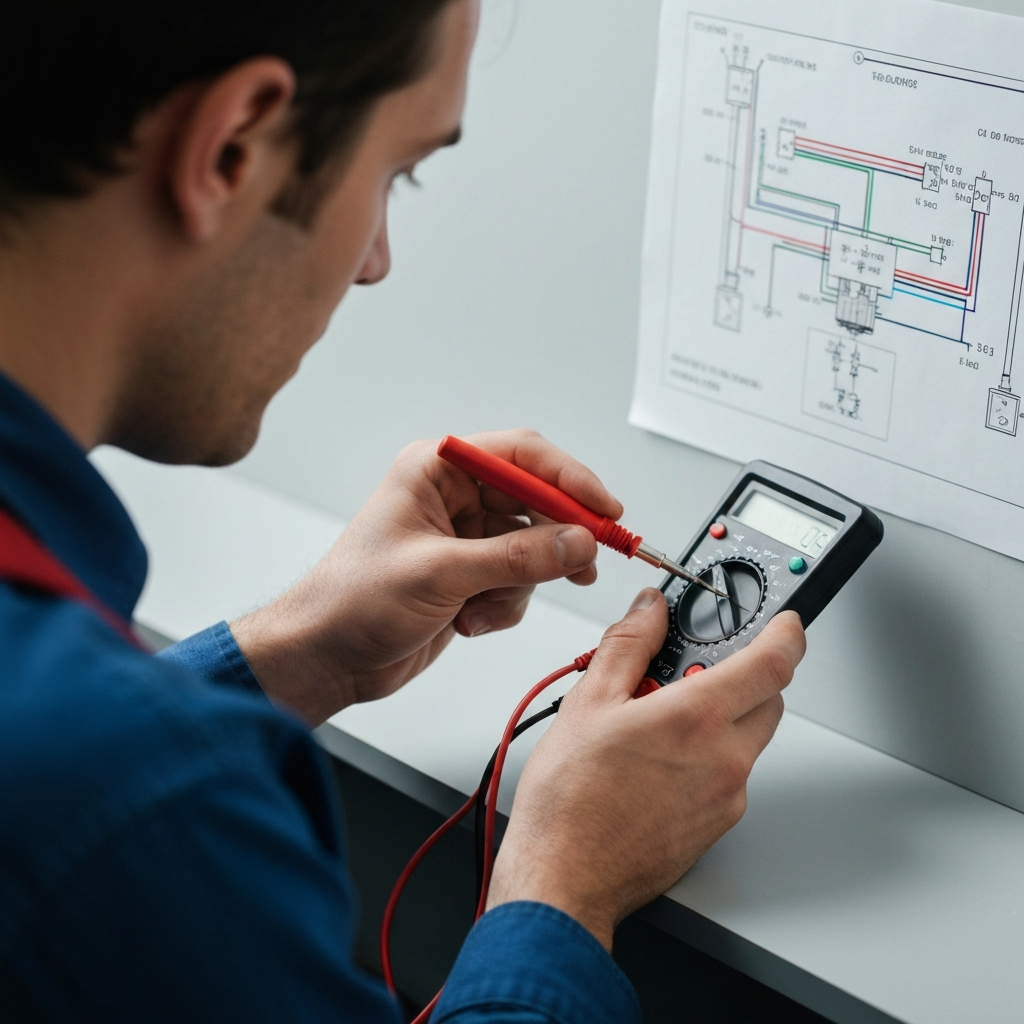
The oil pressure sensor, also known as the oil pressure sending unit, monitors the oil pressure in your engine. If the sensor fails, it can send an incorrect reading to the instrument cluster, indicating low oil pressure even when the actual pressure is normal. A faulty sensor can trigger the oil pressure warning light unnecessarily. To test the sensor, you will need a multimeter and the vehicle's wiring diagram. Consult your vehicle's repair manual for the correct testing procedure. If the sensor is faulty, replace it with a new one. Be careful when removing and installing the sensor, as they can be easily damaged.
Step 6: Inspect the Oil Pump
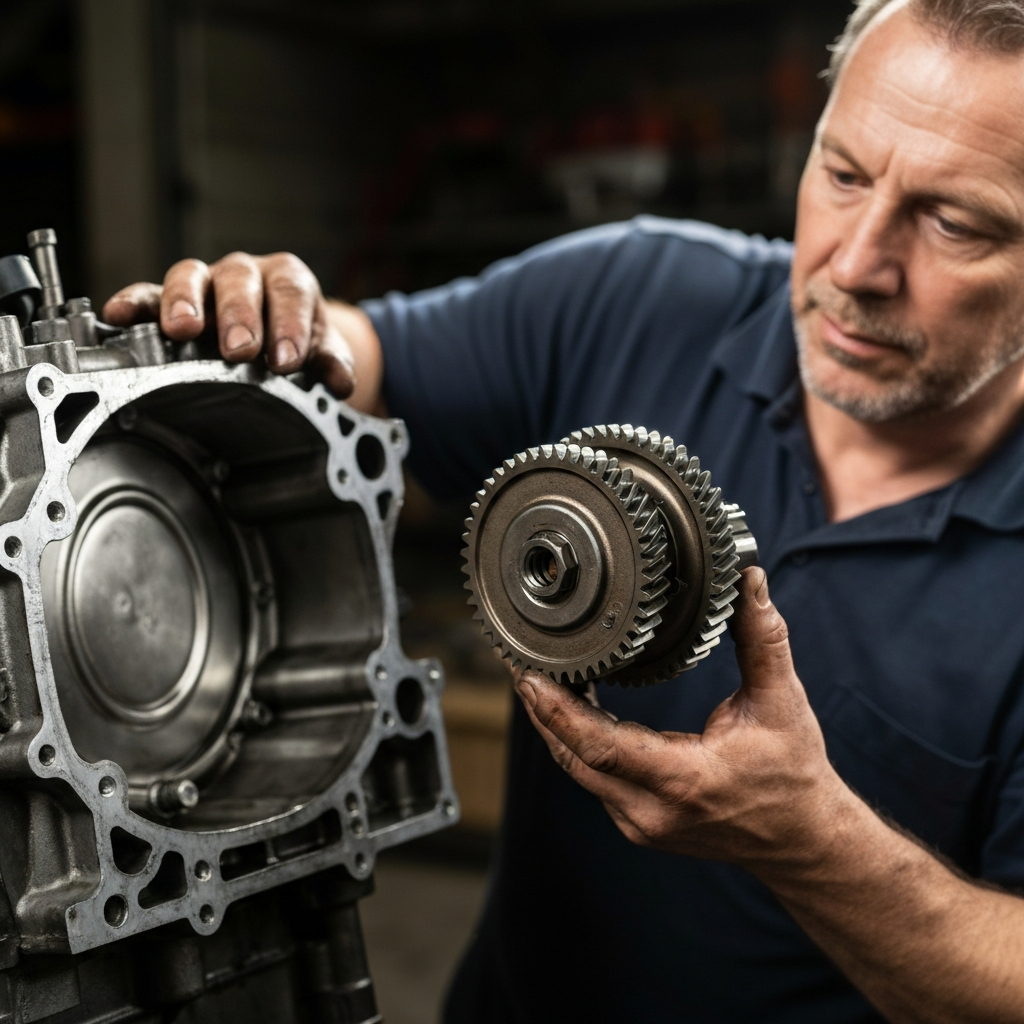
The oil pump is responsible for circulating oil throughout the engine. If the oil pump is worn or damaged, it may not be able to generate sufficient pressure. This is a more serious issue that often requires professional diagnosis and repair. Symptoms of a failing oil pump include persistently low oil pressure, unusual engine noises, and overheating. Replacing an oil pump is a complex task best left to a qualified mechanic. They will need to access the pump, which often involves removing other engine components. They can also properly inspect the old pump for signs of wear or damage to confirm the diagnosis.
Step 7: Check for Engine Wear
In older engines with high mileage, internal wear can contribute to low oil pressure. Worn bearings, for example, can increase clearances within the engine, allowing oil to escape more easily and reducing overall pressure. Significant engine wear often manifests as persistent low oil pressure, even after addressing other potential causes. A compression test can help assess the overall condition of the engine. If engine wear is suspected, a more thorough inspection by a mechanic may be necessary. Engine rebuild or replacement might be the only solution in severe cases.
Safety Considerations
- Always allow the engine to cool down before working on the oil system to avoid burns.
- Disconnect the negative battery terminal before working on any electrical components.
- Wear safety glasses to protect your eyes from oil and debris.
- Work in a well-ventilated area.
- Properly dispose of used oil and filters according to local regulations.
Tools or Materials Required
- Wrench set
- Socket set
- Oil filter wrench
- Funnel
- New oil filter
- Correct type of engine oil
- Multimeter
- Rags
- Gloves
- Safety glasses
Conclusion
Fixing low engine oil pressure requires a systematic approach, starting with the simplest solutions and progressing to more complex diagnostics. Checking the oil level, inspecting for leaks, and replacing the oil filter are relatively straightforward tasks that can often resolve the issue. However, if these steps don't work, it's crucial to seek professional assistance to diagnose and repair potential problems with the oil pressure sensor, oil pump, or internal engine components. By addressing low oil pressure promptly, you can protect your engine and avoid costly repairs.