A UTV (Utility Task Vehicle) is a significant investment, built for both work and recreation. To ensure your UTV remains a reliable partner for years to come, consistent and proper maintenance is paramount. Ignoring even seemingly minor issues can lead to costly repairs down the road, shortening the lifespan of your machine. This guide provides actionable steps you can take to proactively extend the life of your UTV, keeping it performing at its peak.
We'll delve into crucial cleaning practices, preventative measures, and inspection routines that go beyond basic upkeep. From protecting critical components from mud and debris to ensuring proper electrical connections, following these steps will significantly contribute to the longevity and performance of your UTV. Remember, a well-maintained UTV is a safer and more enjoyable UTV.
This isn't just about washing your UTV after a ride (though that's important too!). We're talking about a comprehensive approach to UTV care that addresses common problem areas and helps you identify potential issues before they escalate. So, let's get started!
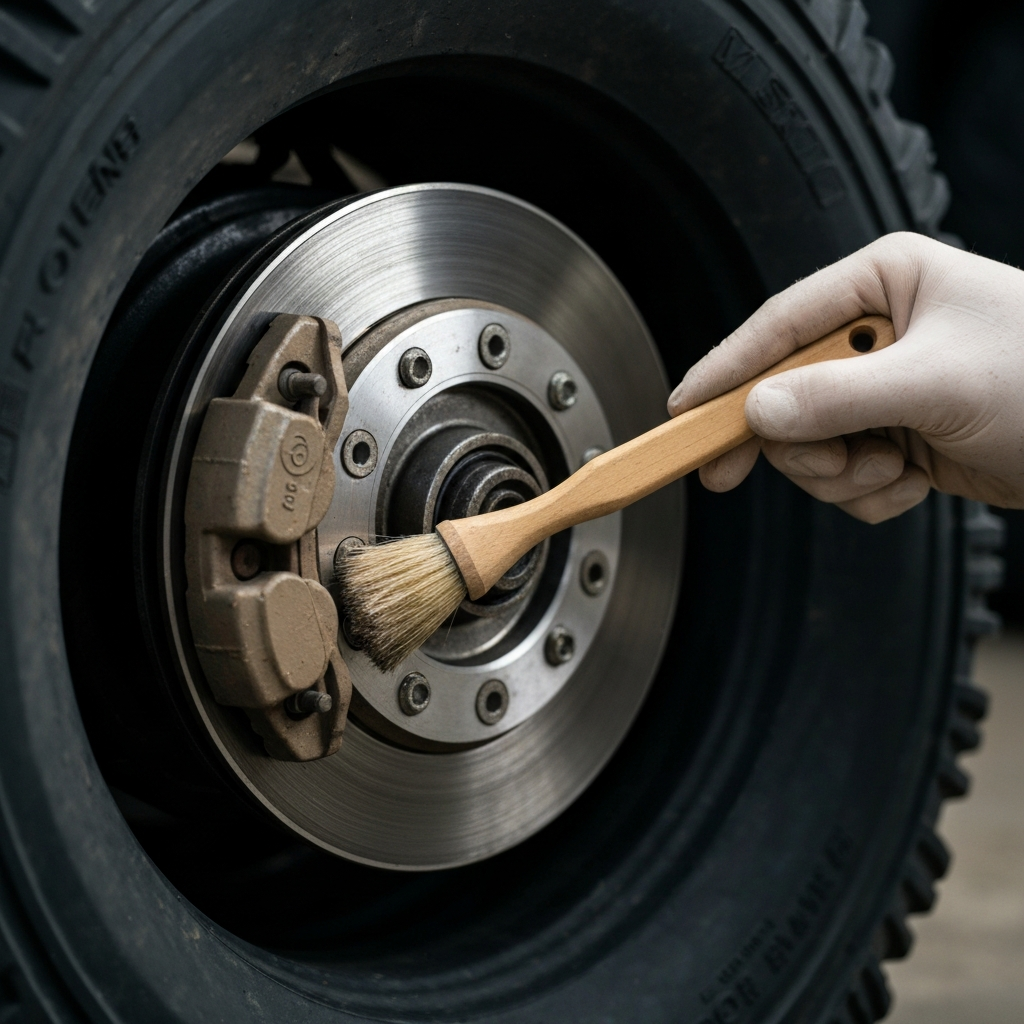
Step 1: Brake Pad and Caliper Cleaning
Mud and debris are the enemies of your braking system. After a ride, especially through muddy terrain, it's critical to thoroughly clean behind your brake pads. Mud hardens over time, creating a grinding paste that prematurely wears down your brake pads and rotors. This hardened mud can also restrict the movement of the caliper, leading to reduced braking performance and even a persistent squeaking noise. Use a brush and a gentle stream of water to dislodge any accumulated mud and grime. Be meticulous; this is a critical area for maintenance.
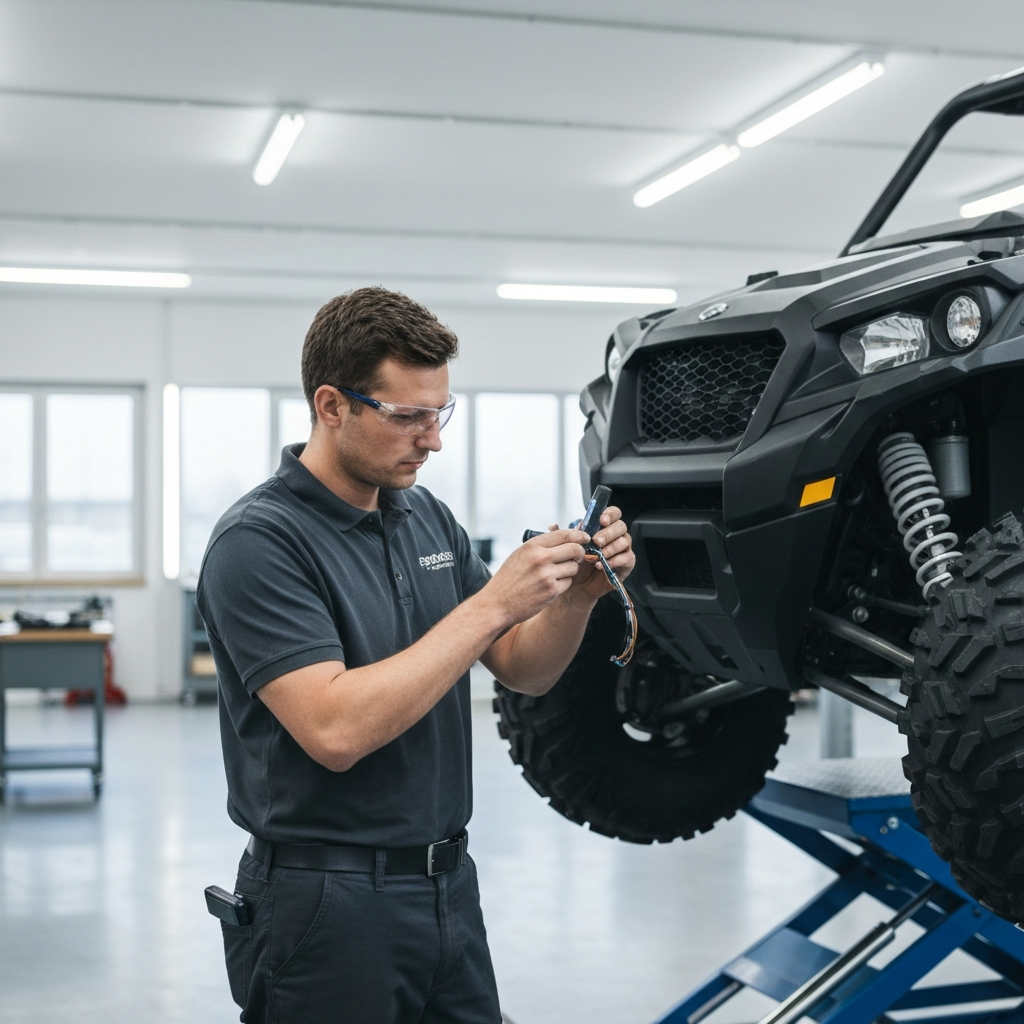
Step 2: Inspect and Clean Electrical Connections
Your UTV's electrical system is vulnerable to corrosion and damage from mud and moisture. Regularly inspect all electrical connections, clamps, bolts, and nuts for signs of mud accumulation. Even a thin layer of mud can impede electrical conductivity, leading to a variety of issues. When cleaning these components, avoid using high-pressure water, which can force water into connectors and exacerbate corrosion. Instead, use a brush and a specialized electrical contact cleaner. Applying dielectric grease to connections after cleaning can help prevent future corrosion.
Wiring Harness Inspection
Pay close attention to the wiring harness, especially where it runs along the frame. The harness is often not held perfectly tight, allowing mud to pack between it and the frame. Over time, this mud hardens and acts as an abrasive, causing the harness to rub against the frame, leading to shorts and other electrical problems. Gently clean these areas, taking care not to damage the wiring. Use zip ties to secure the harness away from potential rubbing points.
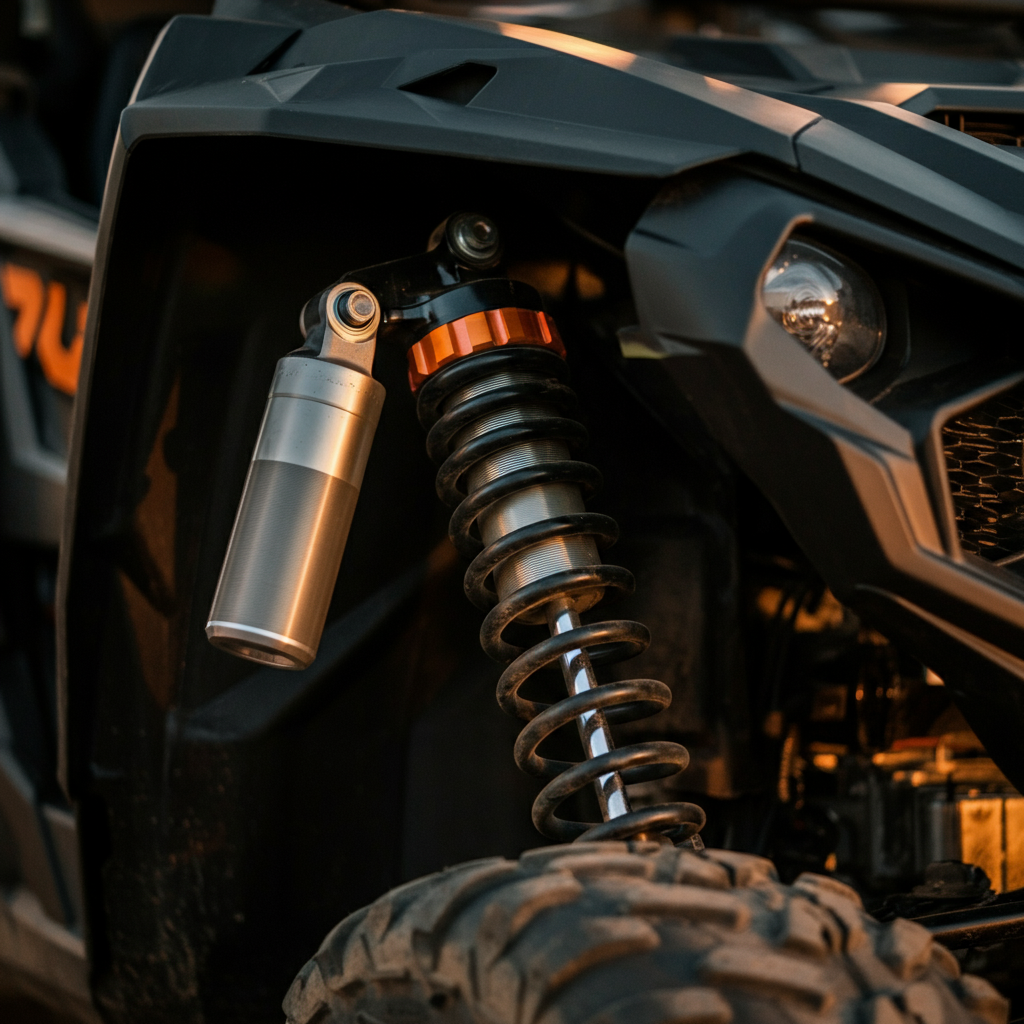
Step 3: Protect Shafts and Seals
Suspension components like shocks, springs, and CV axles are crucial for a smooth and controlled ride. Mud accumulation around these components can cause significant damage. Mud can work its way into seals, causing leaks and drastically affecting suspension performance. Regularly clean these areas to prevent mud buildup. Also, inspect the seals for any signs of damage or leaks. If you notice any leaks, replace the seals immediately to prevent further damage. Consider using a protective spray on your shocks and springs to repel mud and water.
Step 4: Body and Radiator Cleaning
While it might seem obvious, cleaning the body of your UTV is about more than just aesthetics. Heavy, packed mud on fenders can add significant weight, potentially causing them to crack or deform. After each ride, thoroughly clean the body to remove any accumulated mud and debris.
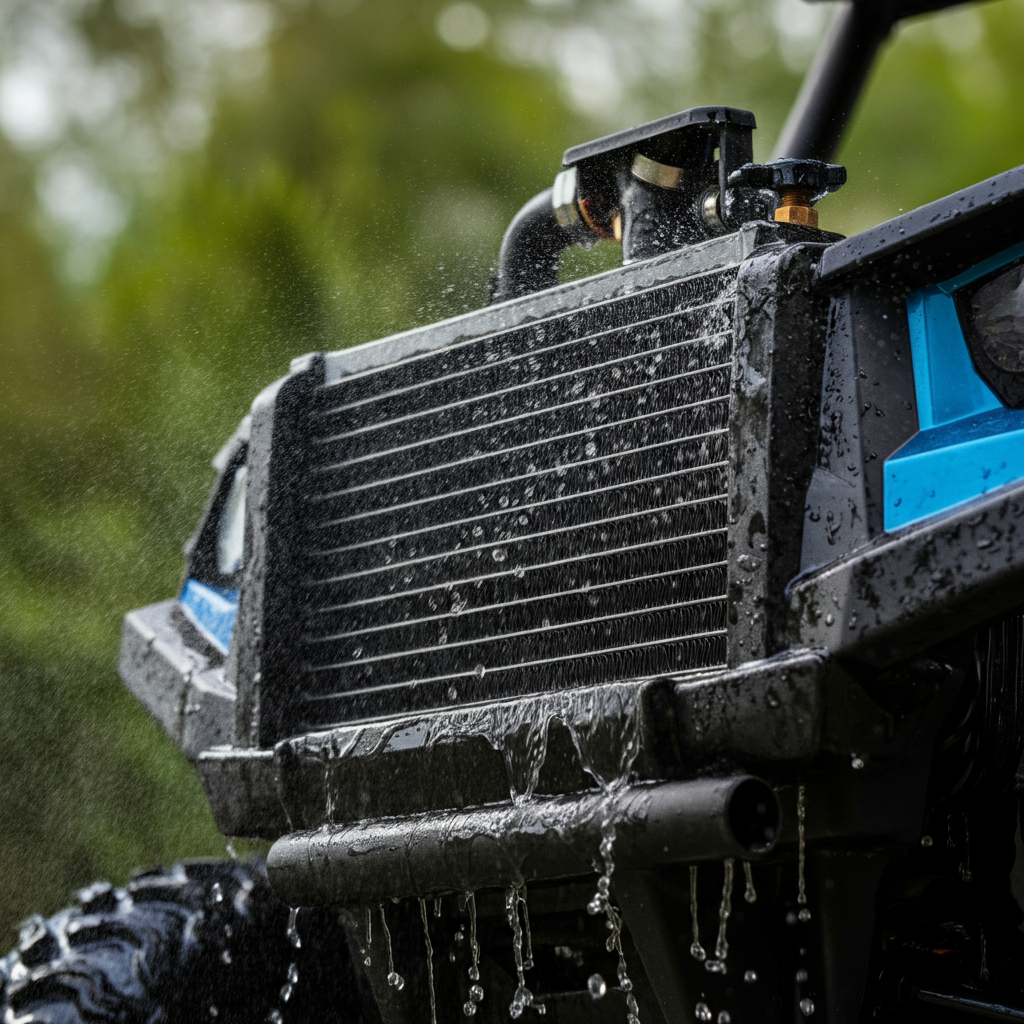
Radiator Servicing: The Most Overlooked Step
The most crucial, yet often overlooked, aspect of UTV cleaning is radiator servicing. A clogged radiator will prevent your UTV from properly cooling itself, leading to major engine damage. Never use a pressure washer directly on the radiator fins; the high pressure can easily bend and damage them, further restricting airflow. Instead, use a gentle stream of water from a garden hose to flush out any mud and debris. Work from the back of the radiator to the front to avoid pushing debris further into the fins. Regular radiator cleaning is essential for preventing overheating and engine damage.
Tools or Materials Required
- Garden hose with adjustable nozzle
- Buckets
- Soft brushes (various sizes)
- Microfiber cloths
- Electrical contact cleaner
- Dielectric grease
- Protective spray for suspension components
- Zip ties
Common Mistakes to Avoid
- Using a pressure washer directly on the radiator fins.
- Neglecting to clean behind brake pads and calipers.
- Ignoring electrical connections and allowing corrosion to develop.
- Failing to inspect and clean suspension components regularly.
- Using harsh chemicals that can damage paint or plastic.
Safety Considerations
- Always disconnect the battery before performing any electrical work.
- Wear eye protection when cleaning to prevent debris from getting into your eyes.
- Allow the engine and exhaust system to cool down before cleaning.
- Work in a well-ventilated area when using cleaning chemicals.
Pro Tips
- Apply a coat of wax to the body of your UTV to help repel mud and make cleaning easier.
- Use compressed air to dry hard-to-reach areas after washing.
- Store your UTV in a dry, covered area to prevent rust and corrosion.
- Schedule regular maintenance checks with a qualified UTV mechanic.
FAQ Section
- How often should I wash my UTV? After every ride, especially if it was muddy.
- What kind of soap should I use? Automotive-specific wash soap is recommended to avoid damaging the finish.
- How can I prevent rust? Keep your UTV clean and dry, and apply rust inhibitor to vulnerable areas.
By following these steps and incorporating them into your regular UTV maintenance routine, you can significantly extend the life of your machine, reduce the likelihood of costly repairs, and ensure years of reliable performance. Remember, proactive maintenance is the key to a long-lasting and enjoyable UTV ownership experience. Take the time to care for your UTV, and it will continue to serve you well for years to come.