Sharing the road with large commercial vehicles like tractor trailers can be a daunting experience for many drivers. Their size, weight, and limited maneuverability present unique challenges that demand heightened awareness and responsible driving practices. Understanding the specific limitations and operational characteristics of these vehicles is crucial for preventing accidents and ensuring the safety of all road users. This guide provides expert insights and practical steps to help you navigate safely around tractor trailers, minimizing risks and promoting a smoother flow of traffic.
From understanding blind spots to anticipating wide turns, each aspect of driving near these massive vehicles requires a thoughtful approach. This isn't just about following traffic laws; it's about adopting a proactive mindset that anticipates potential hazards and allows you to react appropriately. By becoming a more informed and considerate driver, you contribute to a safer environment for yourself and everyone else on the road.
This guide aims to equip you with the knowledge and skills necessary to confidently and safely share the road with tractor trailers. Remember, patience, vigilance, and a healthy dose of respect for these large vehicles are key to a successful and accident-free journey.
-
Step 1: Maintain a Safe Following Distance
Maintaining an adequate following distance is paramount when driving behind a tractor trailer. These vehicles require significantly longer stopping distances than passenger cars, especially when fully loaded or traveling downhill. A general rule of thumb is to allow at least 4-6 seconds of following distance, increasing this margin in adverse weather conditions such as rain, snow, or fog. This extra space provides you with sufficient time to react to sudden stops or unexpected maneuvers by the truck driver.

-
Step 2: Stay Out of the "No Zones" (Blind Spots)
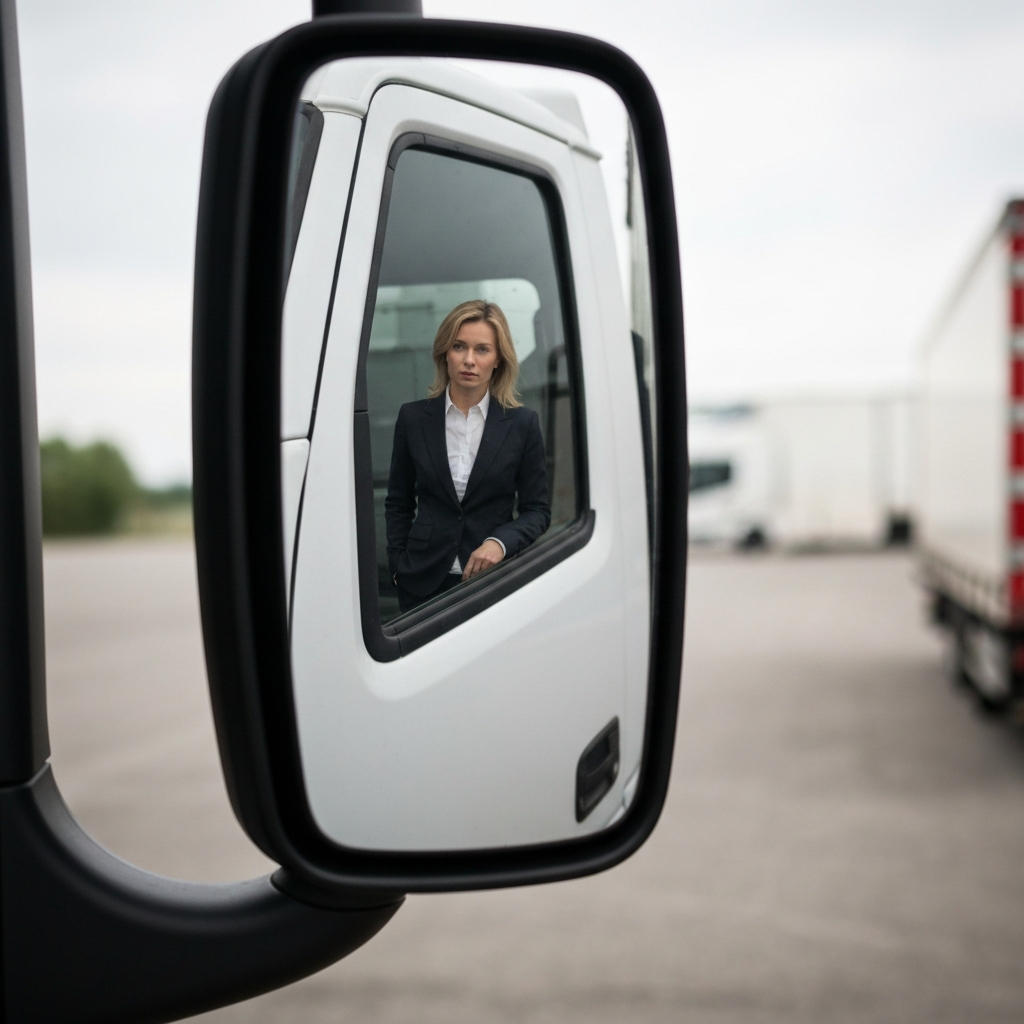
Tractor trailers have extensive blind spots, often referred to as "No Zones." These include areas directly in front, behind, and alongside the truck. If you cannot see the truck driver's reflection in their side mirrors, assume they cannot see you. Avoid lingering in these blind spots, especially on the right side of the truck, where the blind spot is significantly larger. Pass quickly and safely or drop back to ensure visibility.
-
Step 3: Anticipate Wide Turns
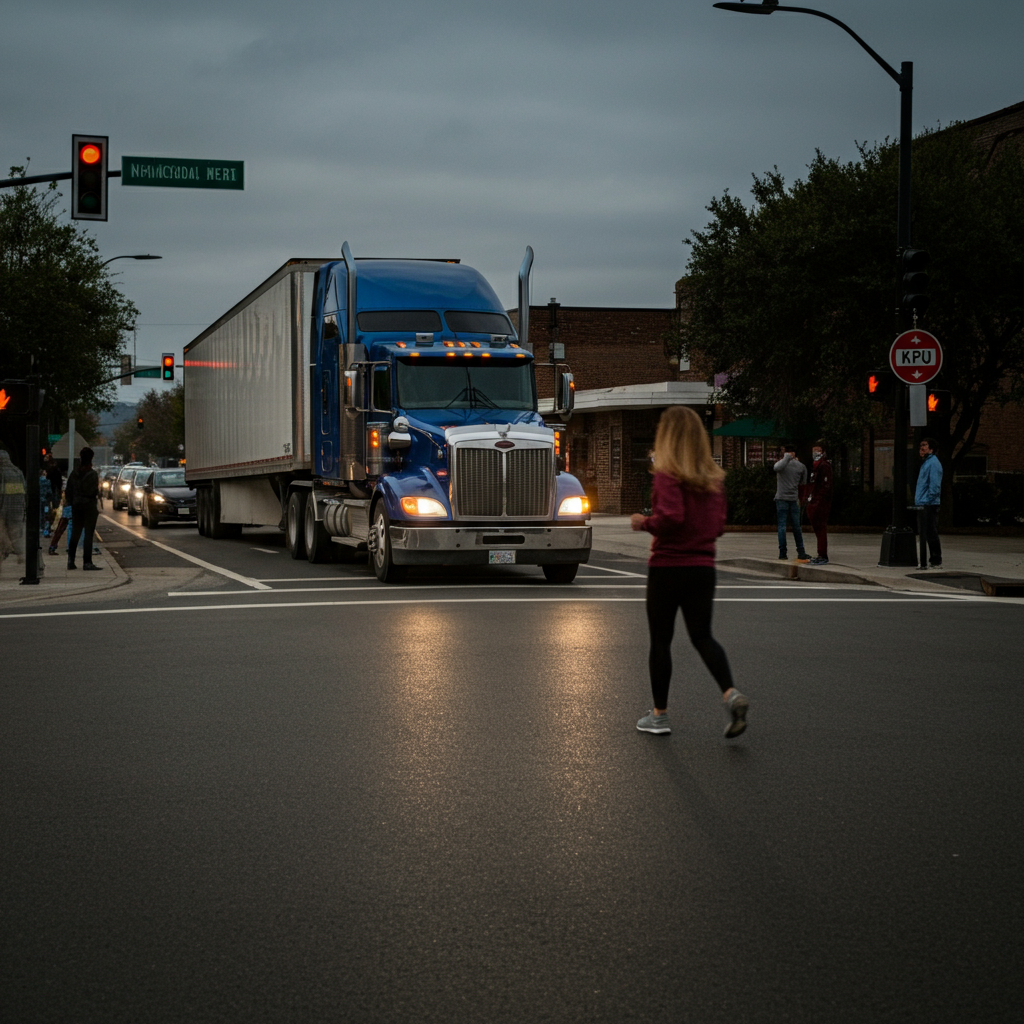
Tractor trailers require considerable space to execute turns, particularly right turns. They often swing wide to the left before initiating the turn to provide sufficient clearance for the trailer. Never attempt to squeeze past a truck that is preparing to turn, even if you believe there is enough space. Wait for the truck to complete the turn before proceeding, and be mindful of the trailer's movement.
-
Step 4: Pass Safely and Efficiently
Passing a tractor trailer requires careful planning and execution. Ensure that you have ample space and visibility before initiating the pass. Signal your intentions clearly and accelerate smoothly. Once you have passed the truck, avoid cutting back in front too quickly. Allow for a safe following distance before merging back into the lane. Passing on an uphill grade can be particularly challenging, as the truck may be struggling to maintain speed.

-
Step 5: Be Aware of Turbulence and Wind Effects
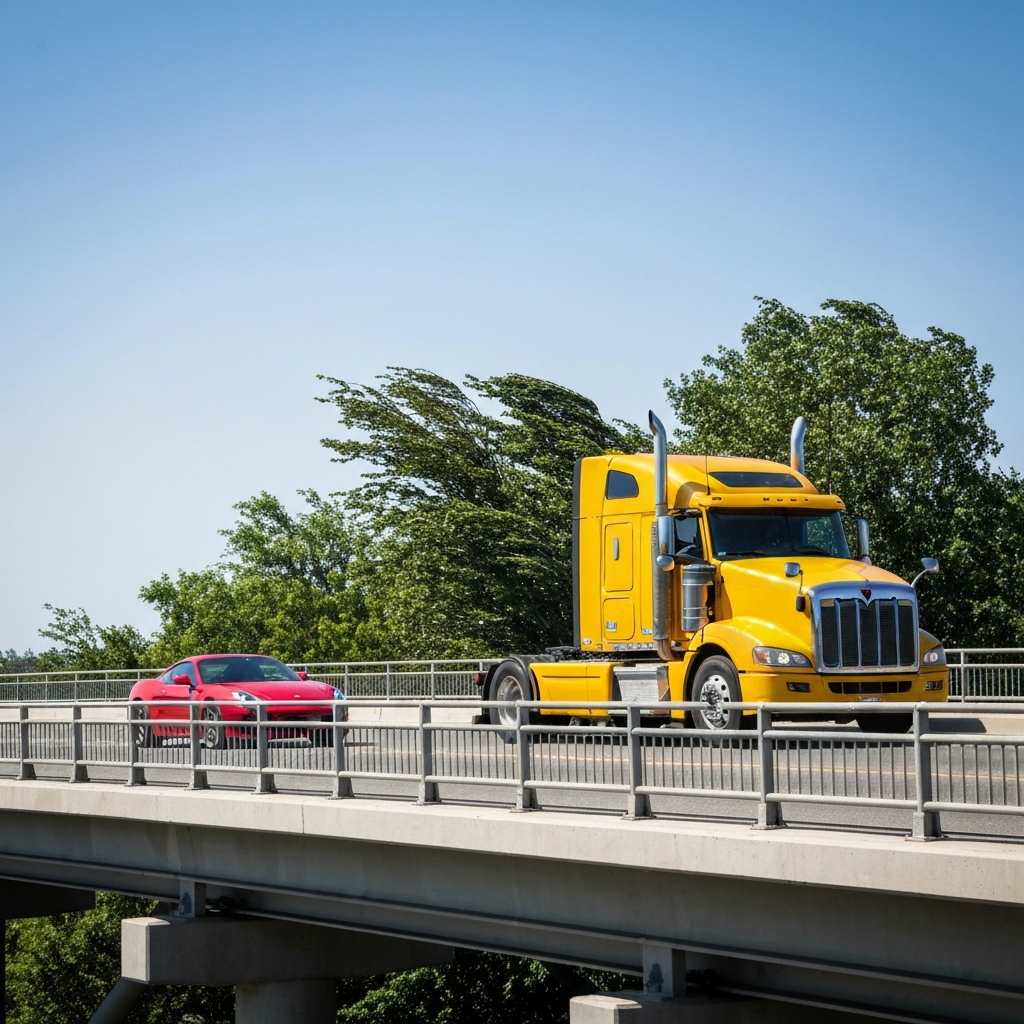
The size and shape of tractor trailers can create significant turbulence, especially in windy conditions. When driving alongside or passing a truck, be prepared for sudden gusts of wind that can affect your vehicle's stability. Grip the steering wheel firmly and maintain a steady speed. Avoid making sudden lane changes or braking abruptly.
-
Step 6: Maintain Visibility at Night and in Low Light
Night driving near tractor trailers demands increased vigilance. Ensure your headlights are properly adjusted and functioning correctly. Pay close attention to the truck's running lights and reflectors, which help indicate its size and position. Avoid high beams when following a truck, as they can cause glare in the truck driver's mirrors. Be extra cautious in areas with poor visibility, such as fog or heavy rain.

Safety Considerations
Always wear your seatbelt, regardless of the distance you are traveling. Ensure your vehicle is properly maintained, with functioning brakes, tires, and lights. Avoid distractions such as cell phones or eating while driving. Be aware of your surroundings and anticipate potential hazards. If you are feeling tired or fatigued, pull over to a safe location and rest.
Common Mistakes to Avoid
- Cutting in front of a tractor trailer too quickly after passing.
- Lingering in the truck's blind spots.
- Failing to signal intentions clearly.
- Underestimating the truck's stopping distance.
- Driving aggressively or impatiently around trucks.
Pro Tips
- If a truck driver flashes their headlights, it's often a signal that it's safe for you to merge in front of them.
- Be courteous and respectful to truck drivers. They are professionals doing a demanding job.
- Use your turn signals well in advance of any lane changes or turns.
- If you are unsure about something, err on the side of caution.
FAQ Section
- Q: What should I do if a tractor trailer is tailgating me?
- A: Safely increase your following distance from the vehicle in front of you to create more space. If possible, and safe to do so, change lanes to allow the truck to pass.
- Q: How can I tell if a truck driver can see me?
- A: If you can see the truck driver's reflection in their side mirrors, they can likely see you. However, it's always best to assume that they cannot see you, especially if you are in their blind spots.
In conclusion, driving safely near tractor trailers requires a combination of knowledge, awareness, and responsible driving practices. By understanding the limitations and operational characteristics of these large vehicles, you can significantly reduce the risk of accidents and contribute to a safer road environment for everyone. Remember to maintain a safe following distance, stay out of blind spots, anticipate wide turns, pass safely, and be aware of turbulence and wind effects. Always prioritize safety and exercise caution when sharing the road with tractor trailers.