Drifting an ATV is an exhilarating experience that combines skill, control, and a healthy dose of adrenaline. However, it’s not a maneuver to be taken lightly. Mastering the art of drifting requires a solid understanding of your ATV, terrain awareness, and precise execution. This guide provides a step-by-step approach to learning how to drift safely and effectively, transforming you from a novice into a skilled ATV drifter.
Before you even think about attempting a drift, ensure you have the proper safety gear and a suitable practice area. We're talking a wide-open space, free from obstacles and other people. Rushing into it without preparation is a recipe for disaster. Remember, safety first, then skill, then thrills. With dedication and careful practice, you'll be carving smooth, controlled drifts in no time.
This guide assumes you possess basic ATV riding skills. If you're a complete beginner, it's crucial to gain experience with general ATV operation before attempting advanced techniques like drifting. Familiarize yourself with throttle control, braking, and steering on varied terrain.
-
Step 1: Finding the Right Environment
The first step to learning how to drift is selecting the right environment. Look for a wide-open space with a surface that offers a balance between traction and slippage. Ideal surfaces include loose dirt, gravel, or sand. Avoid pavement or extremely grippy surfaces initially, as these can lead to sudden loss of control or even flipping the ATV. Ensure the area is free from obstacles like rocks, trees, and other vehicles. Safety is paramount, so scout the area thoroughly before starting.

-
Step 2: Mastering Throttle and Brake Control
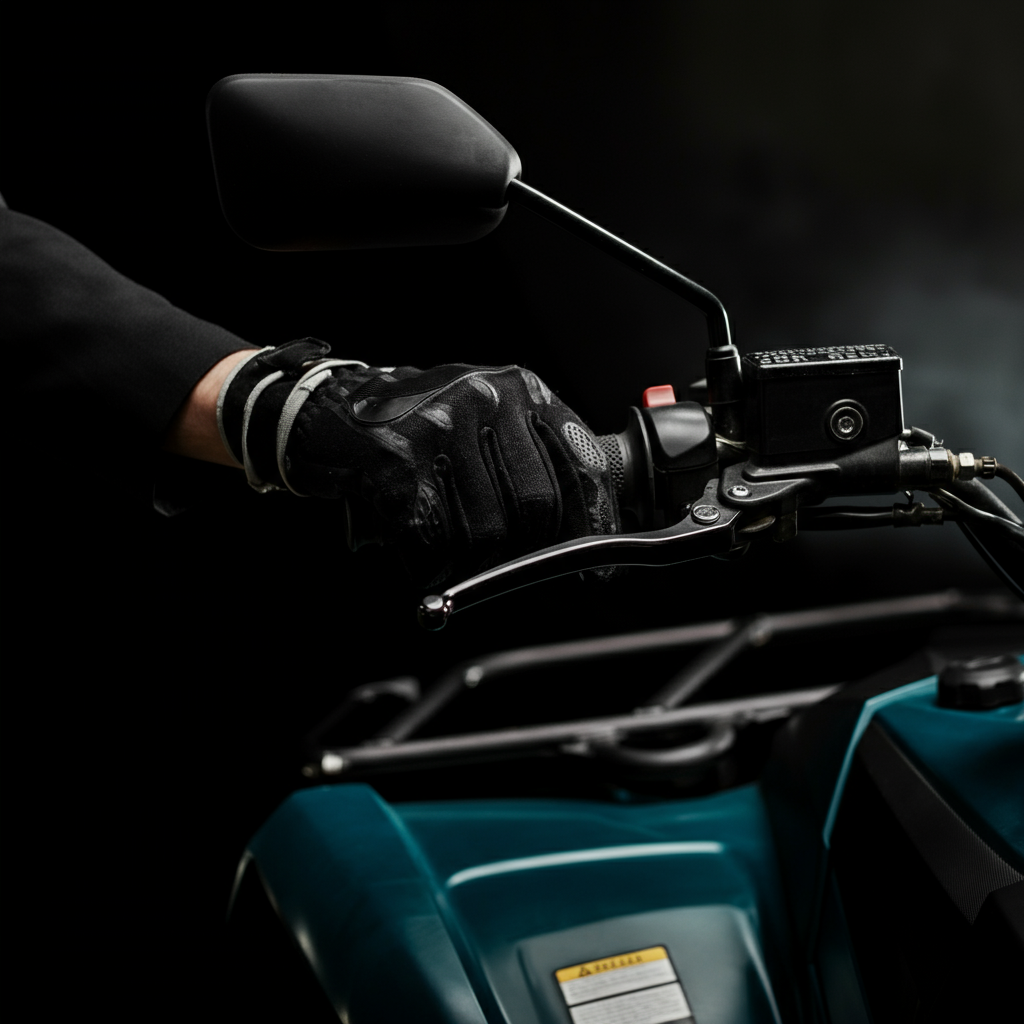
Throttle and brake control are the keys to initiating and maintaining a drift. Practice feathering the throttle and applying the rear brake independently. Start by accelerating smoothly and then gently applying the rear brake while maintaining a consistent throttle input. This will help you understand how the ATV responds to these inputs. Avoid abrupt or jerky movements, as these can upset the balance and cause you to lose control. A common mistake is grabbing the brake too hard, which can cause the ATV to abruptly stop, potentially leading to an accident.
-
Step 3: Initiating the Drift
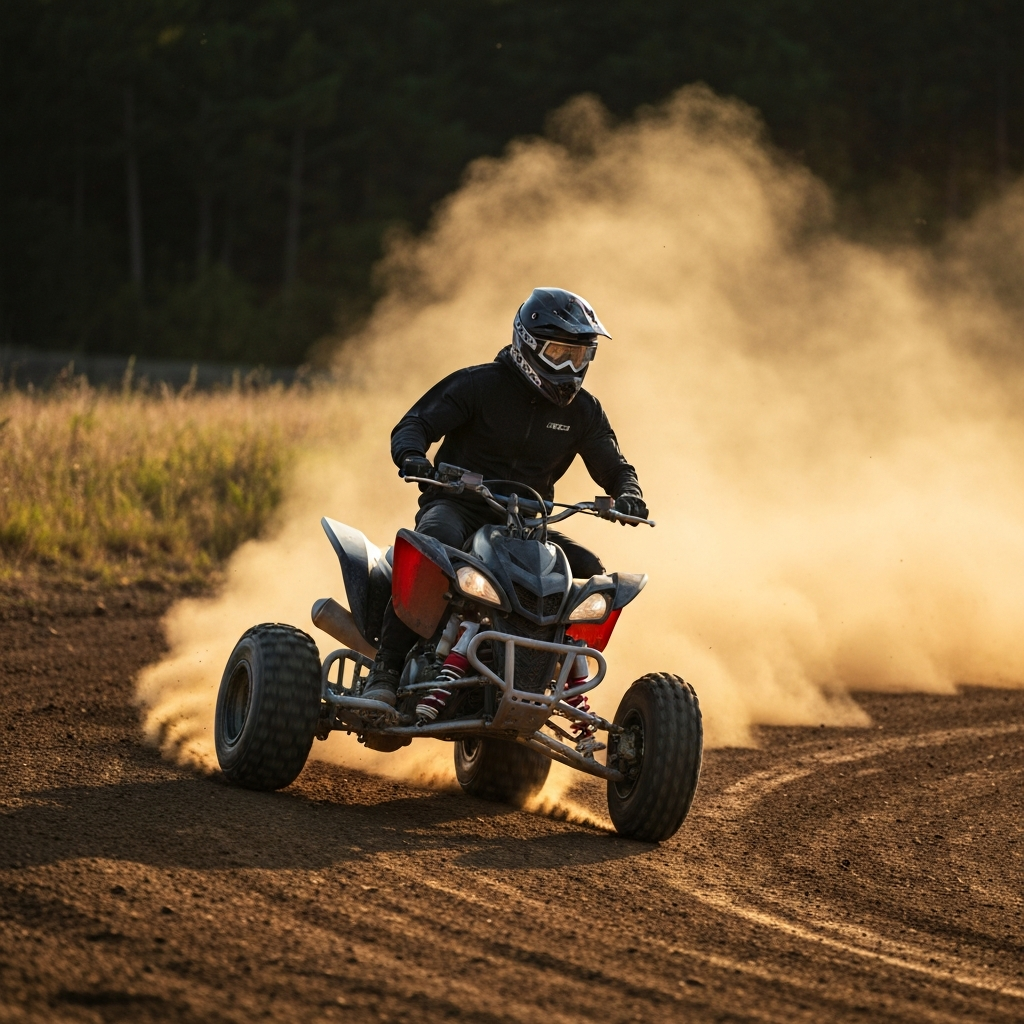
Once you're comfortable with throttle and brake control, it's time to initiate the drift. Approach your chosen corner or turning point at a moderate speed. Just before the turn, slightly increase the throttle while simultaneously turning the handlebars sharply in the direction you want to drift. As you turn, gently apply the rear brake to break traction in the rear wheels. The amount of rear brake needed will vary depending on the surface and the ATV. A little practice will help develop your feel for it.
-
Step 4: Maintaining the Drift
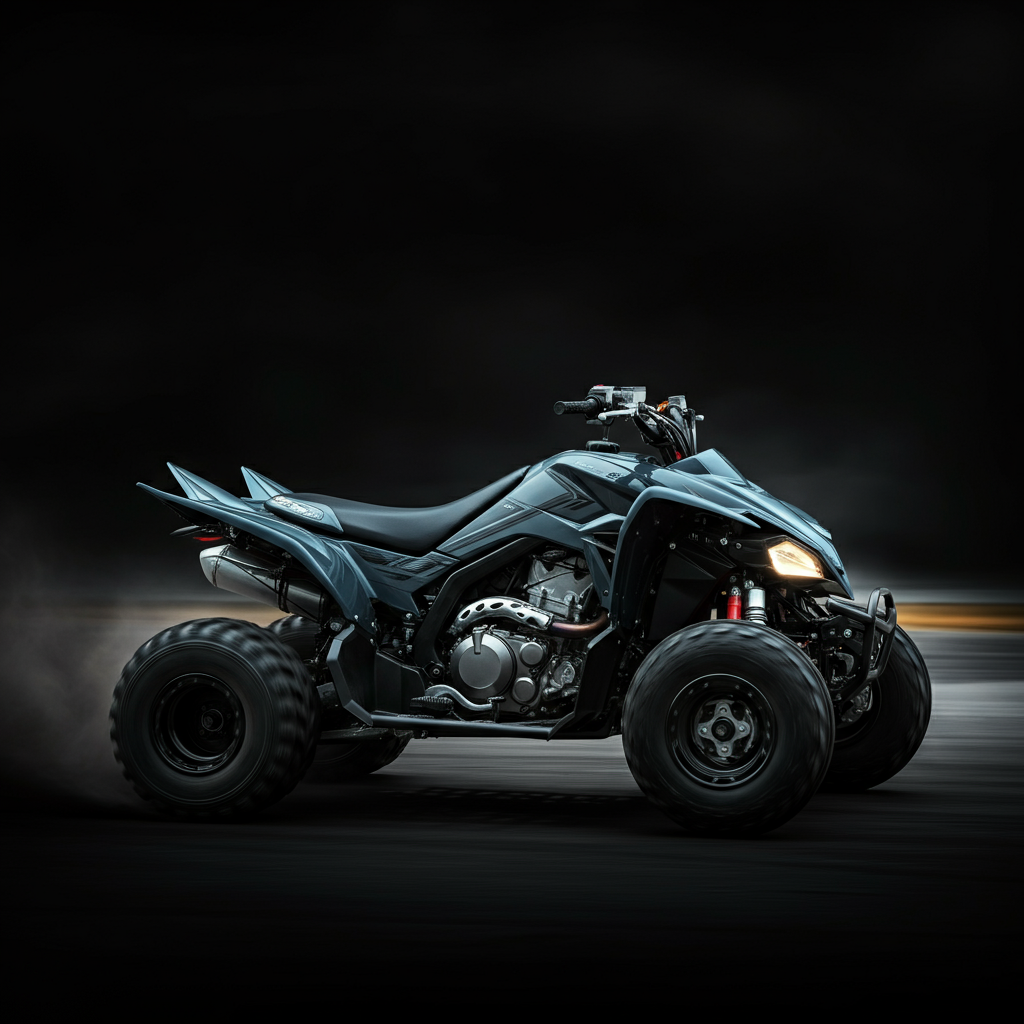
Maintaining the drift requires constant adjustments to throttle, steering, and body weight. Once the ATV is sideways, modulate the throttle to control the speed of the drift. More throttle increases the drift angle and speed; less throttle reduces it. Steer into the drift (counter-steer) to maintain the desired angle. Shifting your weight to the outside of the turn helps to keep the ATV balanced and prevents it from tipping over. Remember to look ahead and anticipate any changes in the terrain or conditions.
-
Step 5: Recovering from a Drift
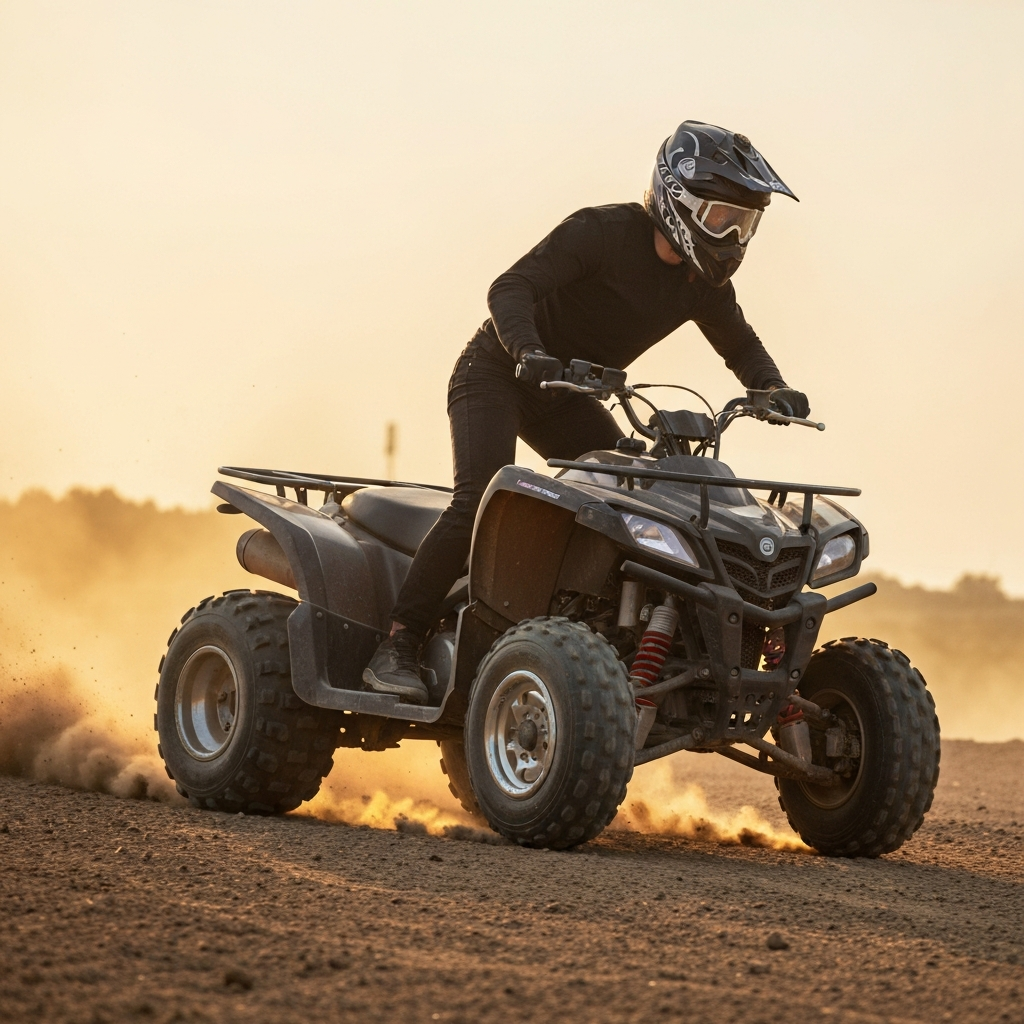
Knowing how to recover from a drift is just as important as knowing how to initiate one. If you feel the ATV starting to lose control or over-rotate, immediately reduce the throttle and steer in the direction you want to go (straighten the handlebars). Avoid sudden braking, as this can cause the ATV to snap back into line abruptly and potentially flip. Gentle corrections are key to regaining control. Practice recovering from drifts at slower speeds to build confidence and develop your reflexes.
Safety Considerations
Safety should always be your top priority when learning to drift an ATV. Always wear a helmet, eye protection (goggles), gloves, long sleeves, long pants, and sturdy boots. Choose an area that is free from obstacles and other people. Let someone know where you will be riding and when you expect to return. Regularly inspect your ATV to ensure it is in good working condition. Never ride under the influence of drugs or alcohol. Start slowly and gradually increase your speed and drift angle as you gain experience. Be aware of your surroundings and anticipate potential hazards. Drifting is inherently risky, so always err on the side of caution.
Common Mistakes to Avoid
- Applying the brakes too aggressively, causing the ATV to stop abruptly.
- Using too much throttle, resulting in loss of control.
- Failing to counter-steer, leading to over-rotation.
- Not shifting your weight to the outside of the turn, increasing the risk of tipping over.
- Practicing in an unsuitable environment with obstacles or other people.
Pro Tips
- Experiment with different tire pressures to find the optimal balance between traction and slippage.
- Practice on different surfaces to develop your skills in varied conditions.
- Watch videos of experienced ATV drifters to learn new techniques and strategies.
- Consider taking a professional ATV riding course to improve your skills and safety.
FAQ Section
- What type of ATV is best for drifting?
- Sport ATVs with powerful engines and good suspension are generally preferred for drifting. However, you can drift on utility ATVs as well, although it might be more challenging.
- Is drifting illegal?
- Drifting laws vary by location. It's essential to check local regulations regarding ATV use on public and private lands.
- How long does it take to learn how to drift?
- It varies greatly depending on your skill level, dedication, and practice environment. Some may pick it up quickly, while others may require more time and patience.
In conclusion, drifting an ATV is a challenging but rewarding skill that requires patience, practice, and a strong focus on safety. By following the steps outlined in this guide, understanding the common mistakes to avoid, and prioritizing safety, you can learn to drift effectively and enjoy the thrill of controlled sideways action. Remember, mastery comes with time and consistent effort, so don't get discouraged if you don't get it right away. Keep practicing, stay safe, and have fun!