Drifting an ATV can be an exhilarating experience, but it requires skill, control, and a thorough understanding of your machine. This guide will walk you through the steps necessary to safely and effectively drift your ATV, providing expert tips and highlighting potential hazards along the way. Remember, safety is paramount, and practicing in a controlled environment is crucial before attempting more advanced maneuvers.
Before even thinking about drifting, you need to be intimately familiar with your ATV. Understand its handling characteristics, braking response, and power delivery. Only attempt drifting after you've developed strong foundational riding skills. This guide assumes you are operating a rear-wheel drive ATV.
This guide focuses on controlled drifting techniques and emphasizes safety at all times. Always wear appropriate safety gear and never attempt these maneuvers beyond your skill level.
Step 1: Gear Up and Prepare Your ATV
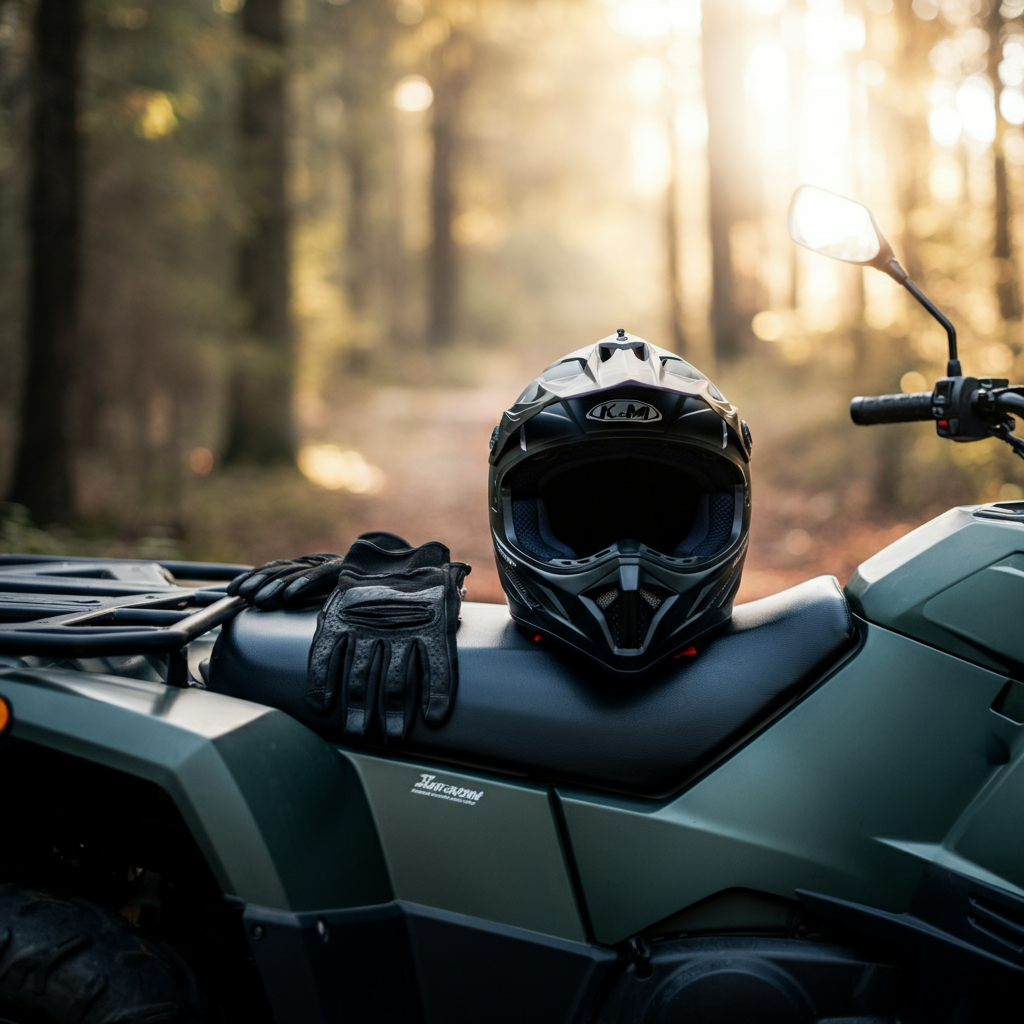
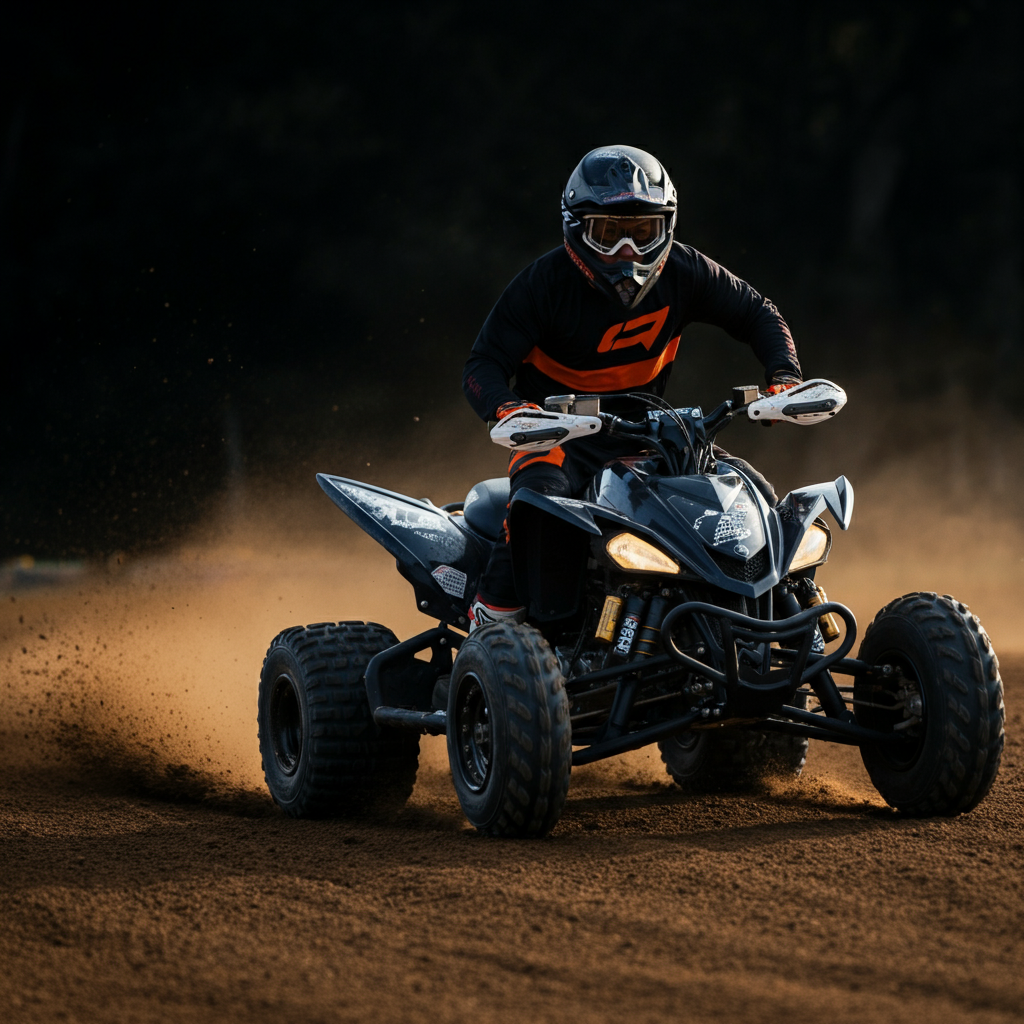
Before you even think about starting your ATV, make sure you're wearing the appropriate safety gear. This includes a properly fitted helmet, eye protection (goggles or a face shield), gloves, long sleeves, long pants, and sturdy boots that provide ankle support. Never compromise on safety gear – it's your first line of defense. Check your ATV's tire pressure, ensure all fluids are at the correct levels, and inspect the brakes for proper function. Confirm your ATV is in rear-wheel drive.
Step 2: Find the Right Terrain
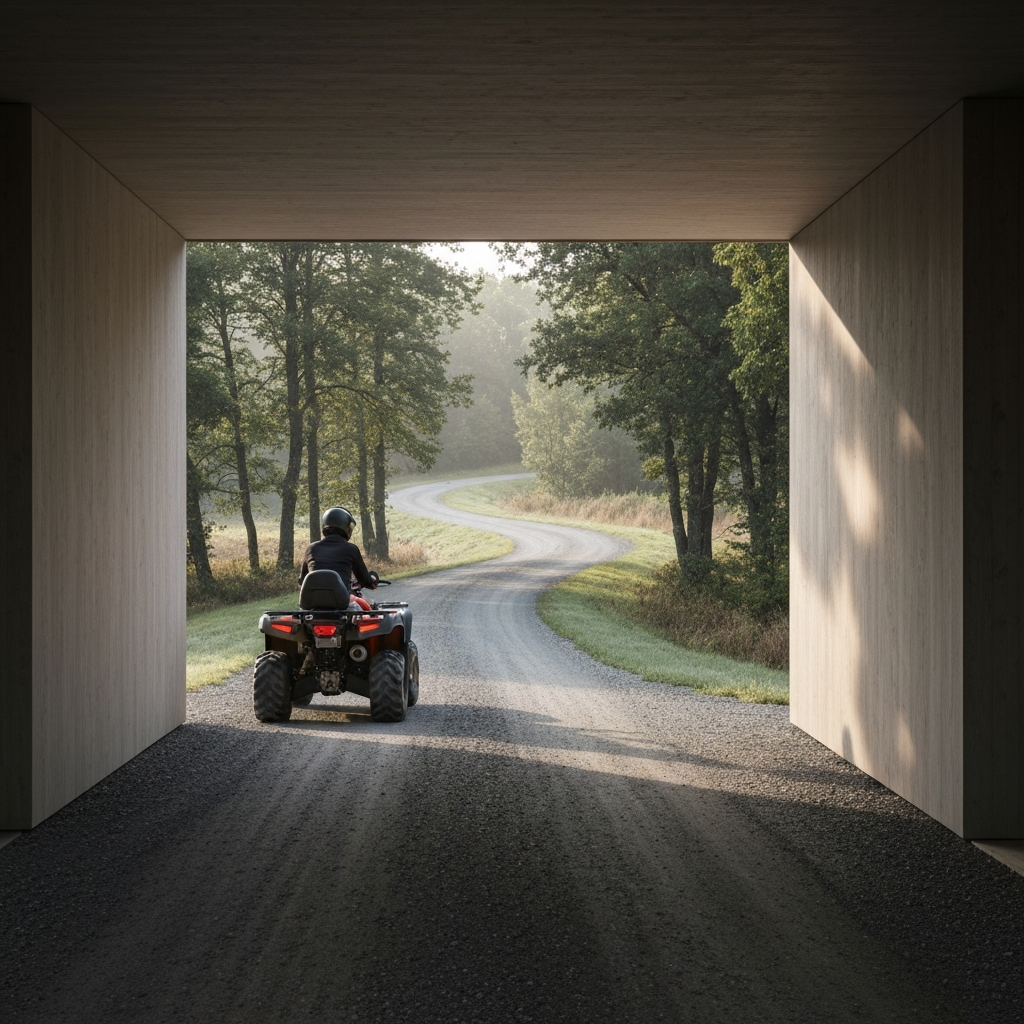
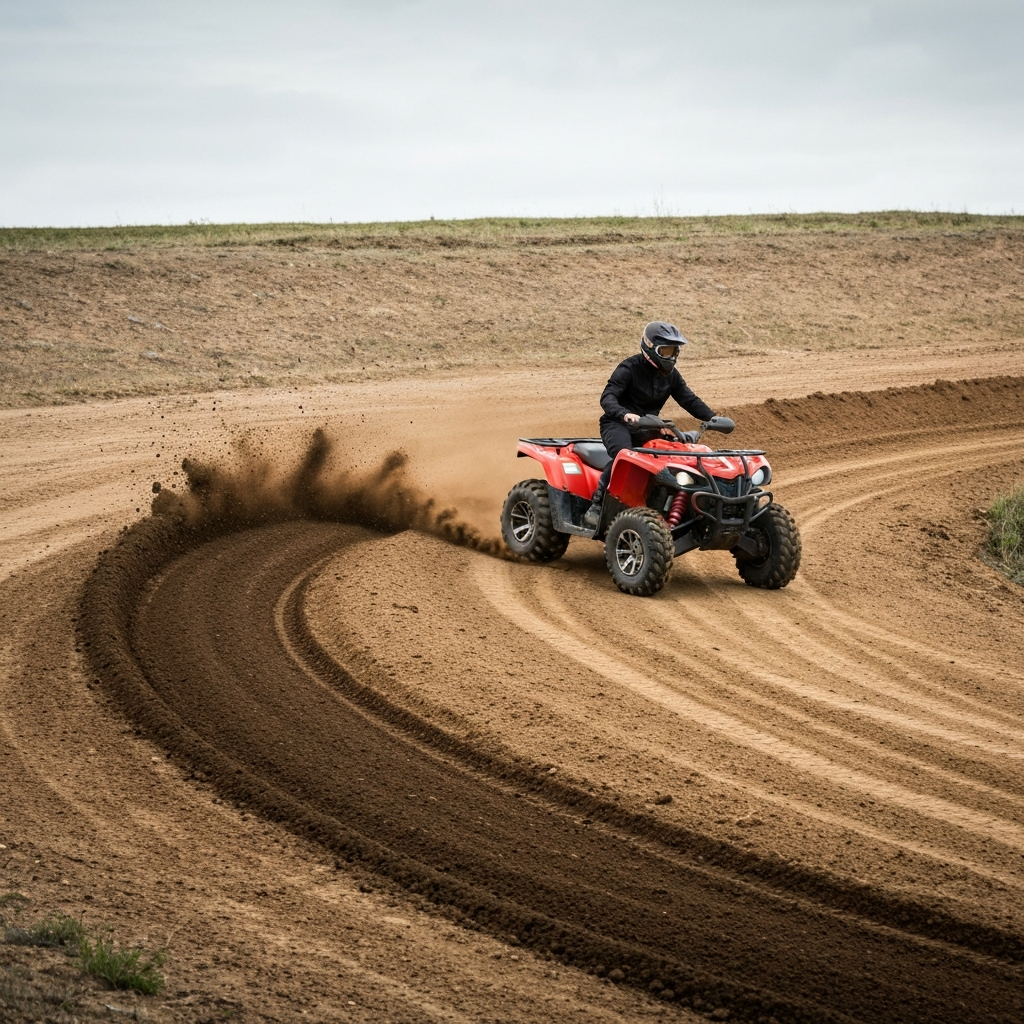
The ideal surface for learning to drift is a low-traction environment like a gravel road or a muddy field. These surfaces allow the rear tires to break traction more easily, making it easier to initiate and control a drift. Avoid paved roads or surfaces with high traction, as these can be unpredictable and potentially dangerous. Starting on a forgiving surface is essential for developing the necessary skills without risking loss of control. Ensure the area is clear of obstacles and other people.
Step 3: Master the Throttle and Brake Balance
Drifting is all about maintaining a delicate balance between throttle input and brake application. Start by accelerating to a moderate speed, about half or less of your ATV's top speed. Then, initiate the drift by turning the handlebars slightly in the direction you want to drift and simultaneously applying the rear brake. The key is to use the rear brake to break traction and initiate the slide, not to stop the ATV. Be very careful not to use the front brake, as this can cause the ATV to flip or lose control suddenly.
Step 4: Initiate the Drift
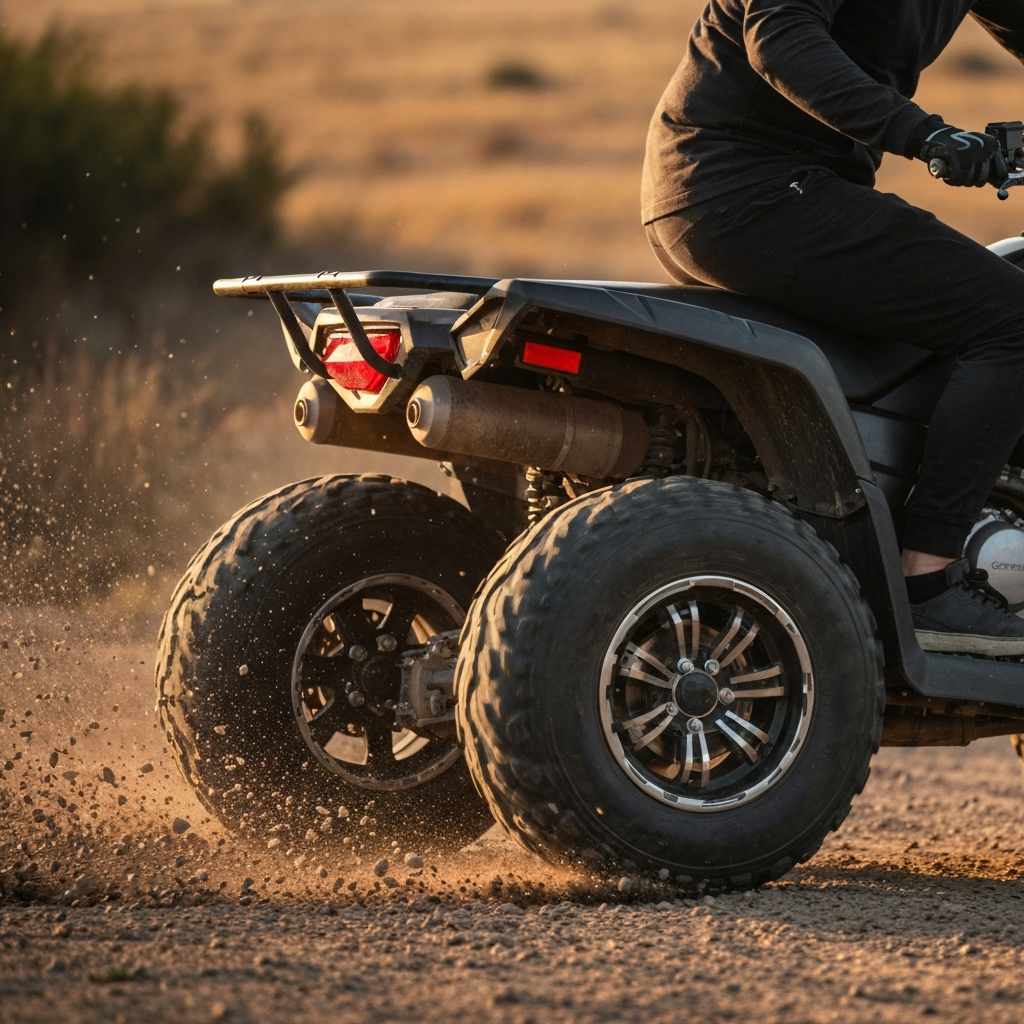
As you turn the handlebars and apply the rear brake, feel the rear tires begin to lose traction. Once the rear end starts to slide, gently ease off the brake and use the throttle to maintain the drift. Counter-steer by turning the handlebars in the opposite direction of the slide to keep the ATV from spinning out. Counter-steering is crucial for maintaining control and preventing over-rotation. This requires practice and quick reflexes.
Step 5: Maintain and Control the Drift
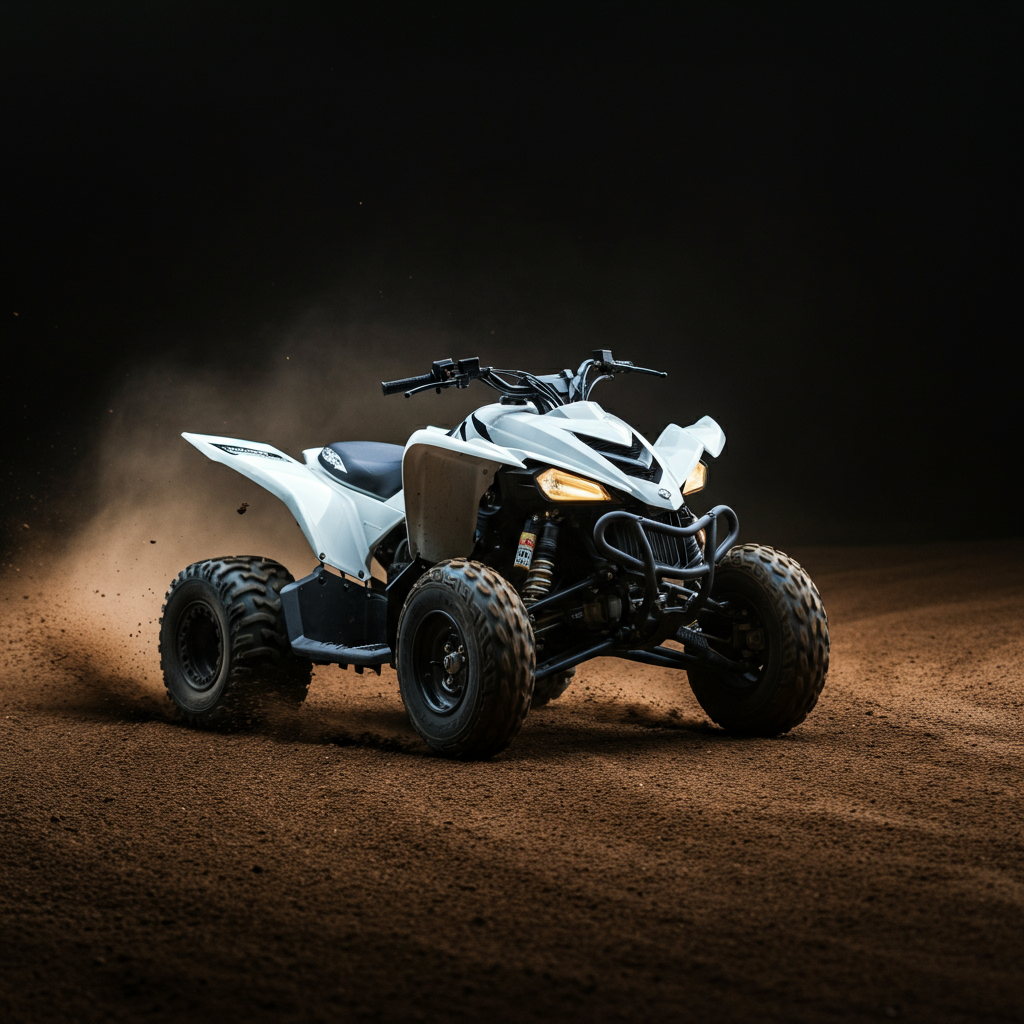
Maintaining a controlled drift requires constant adjustments to the throttle and steering. Use the throttle to control the angle of the slide – more throttle will increase the angle, while less throttle will decrease it. Continue counter-steering to keep the ATV pointed in the desired direction. Small, precise adjustments are more effective than large, abrupt movements. Focus on keeping the ATV balanced and predictable.
Step 6: Straighten Out and Regain Traction
To end the drift, gently straighten the handlebars and ease off the throttle. Allow the rear tires to regain traction gradually. Avoid sudden braking or steering inputs, as these can cause the ATV to become unstable. Smooth transitions are key to a controlled and safe recovery. Practice transitioning in and out of drifts smoothly.
Safety Considerations
- Always wear appropriate safety gear.
- Start in a controlled environment with low traction.
- Never drift on paved roads or surfaces with high traction.
- Be aware of your surroundings and potential hazards.
- Never drift under the influence of drugs or alcohol.
- Ensure your ATV is in good working condition.
- Do not use the front brake during a drift.
Common Mistakes to Avoid
- Using the front brake, which can cause the ATV to flip.
- Over-correcting, leading to a spin-out.
- Entering the drift at too high a speed.
- Failing to wear appropriate safety gear.
- Not counter-steering effectively.
Pro Tips
- Practice weight shifting to influence the ATV's balance.
- Experiment with different tire pressures to find what works best for your terrain.
- Record yourself drifting to analyze your technique and identify areas for improvement.
- Consider taking an advanced ATV riding course to learn from experienced instructors.
Tools or Materials Required
- Rear-wheel drive ATV with a functioning rear brake.
- Helmet, goggles, gloves, long sleeves, long pants, and sturdy boots.
- Appropriate riding area (gravel road, muddy field).
- Basic ATV maintenance tools (tire pressure gauge, wrench).
FAQ Section
- Q: Is drifting an ATV dangerous?
- A: Yes, drifting can be dangerous if not done properly. It requires skill, control, and a thorough understanding of your ATV. Always prioritize safety and practice in a controlled environment.
- Q: What type of ATV is best for drifting?
- A: Rear-wheel drive ATVs are best suited for drifting because they allow the rear tires to break traction more easily.
- Q: Can I drift an ATV on pavement?
- A: It's not recommended. Pavement offers high traction, making it difficult to control the drift and increasing the risk of accidents.
- Q: What should I do if I start to lose control?
- A: Immediately straighten the handlebars, ease off the throttle, and gently apply the brakes to regain traction. Avoid sudden movements that can destabilize the ATV.