Experiencing a flashing check engine light accompanied by a shaking car can be a truly unnerving experience. It's a clear signal that something is seriously wrong under the hood, and ignoring it could lead to significant engine damage and costly repairs. This isn't just an annoying dashboard light; it's your car's way of screaming for help. Your immediate reaction should be caution and careful assessment.
This guide is designed to walk you through the potential causes of this problem, offering actionable steps to diagnose the issue and understand your repair options. We'll cover everything from the most common culprits, like faulty spark plugs, to less frequent but equally important issues like air mixture problems and crankshaft sensor failures. We aim to empower you with the knowledge to make informed decisions about your vehicle's health.
However, it’s crucial to remember that working on your car can be dangerous. Always prioritize safety and, when in doubt, consult a qualified mechanic. This guide is for informational purposes only and should not be considered a substitute for professional automotive advice.
Step 1: Understanding the Symptoms
Decoding the Flashing Light and Shaking
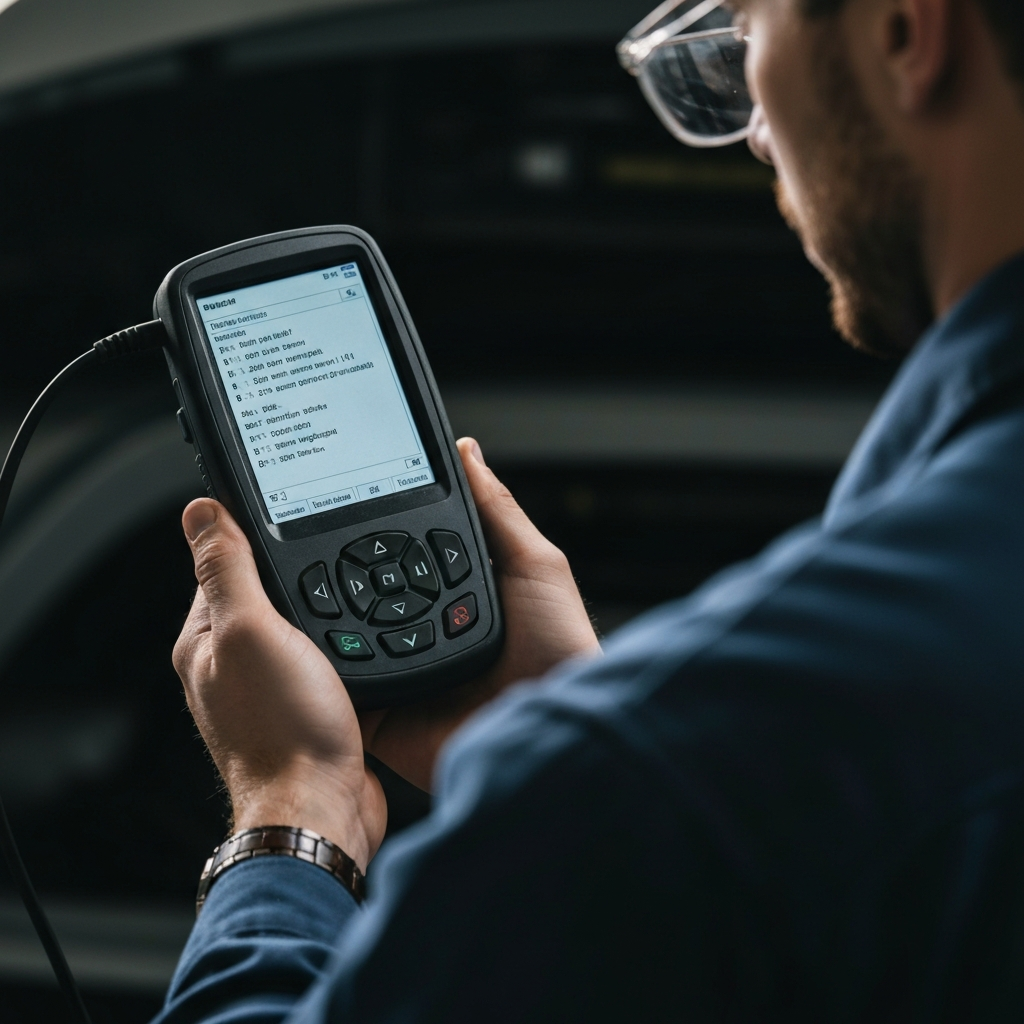
The combination of a flashing check engine light and a shaking car almost invariably points to an engine misfire. A misfire occurs when one or more of your engine's cylinders fails to fire correctly, disrupting the combustion process. The flashing light indicates a severe misfire that could damage your catalytic converter if left unaddressed. The shaking you feel is the result of the engine's unbalanced operation, as some cylinders are contributing power while others are not. A solid, non-flashing check engine light suggests a less urgent issue, but a flashing light demands immediate attention.
Step 2: Identifying Common Culprits: Spark Plugs and Ignition Coils
Checking Spark Plugs: The First Suspect
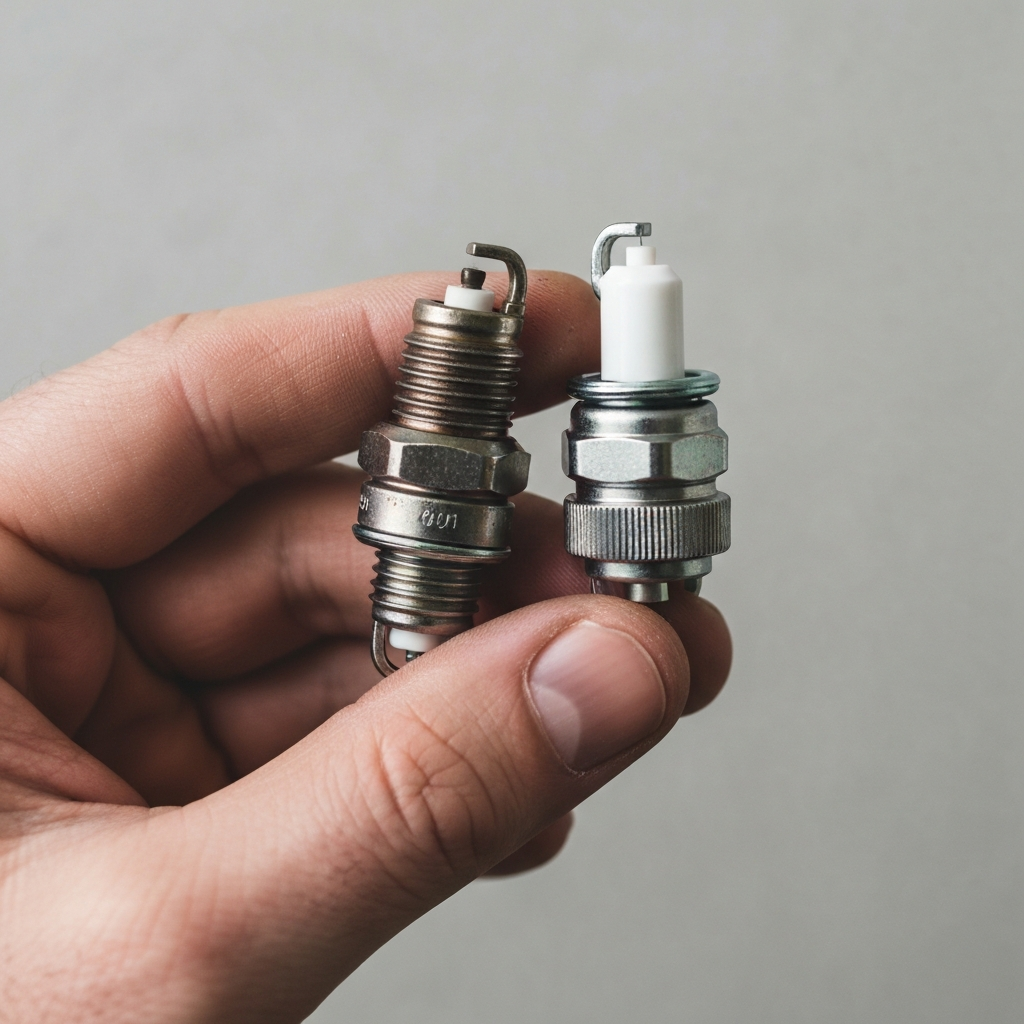
Worn or faulty spark plugs are a very common cause of engine misfires, particularly in older vehicles. Spark plugs provide the crucial spark needed to ignite the air-fuel mixture in the cylinders. Over time, spark plugs can become fouled, corroded, or simply worn out, leading to a weak or nonexistent spark. This is usually the first place to start when troubleshooting a misfire, especially if your car has high mileage. Signs can include rough idling, difficulty starting, and decreased fuel efficiency. Consider that replacing all spark plugs at once is often the most cost-effective long-term solution.
Step 3: Ignition Coil Inspection
Delving into Ignition Coils
If the spark plugs appear to be in good condition, the next most likely culprit is the ignition coils. Ignition coils are responsible for providing the high-voltage electrical pulse that triggers the spark plugs. A failing ignition coil can deliver a weak or inconsistent spark, leading to a misfire. Symptoms of a faulty ignition coil are often very similar to those of bad spark plugs, including rough idling, shaking, and a flashing check engine light. It is vital to note that the location of the ignition coils will vary from vehicle to vehicle.

Step 4: Addressing Airflow Sensor Issues
MAF Sensor Cleaning and Replacement
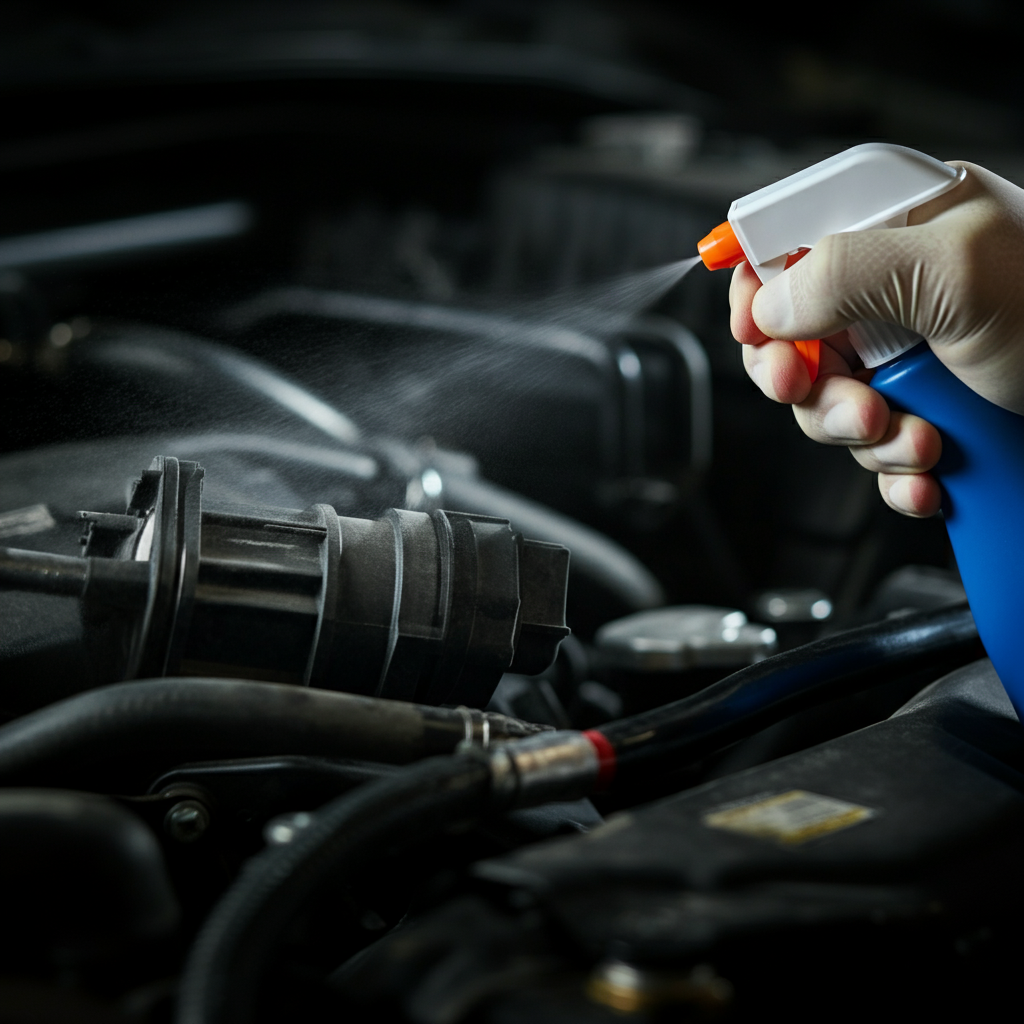
A malfunctioning Mass Airflow (MAF) sensor can also cause engine misfires and shaking, although the nature of the shaking might be slightly different. A bad MAF sensor can send inaccurate information to the engine control unit (ECU) about the amount of air entering the engine. This can lead to an incorrect air-fuel mixture, resulting in misfires, hesitation, and jerky acceleration. If the shaking feels more like a stuttering or jerking motion, the MAF sensor should be a prime suspect. Use a specialized MAF cleaner only – other solvents can damage the sensor.
Step 5: Understanding Air Mixture Problems
Vacuum Leaks and Timing Chain Issues
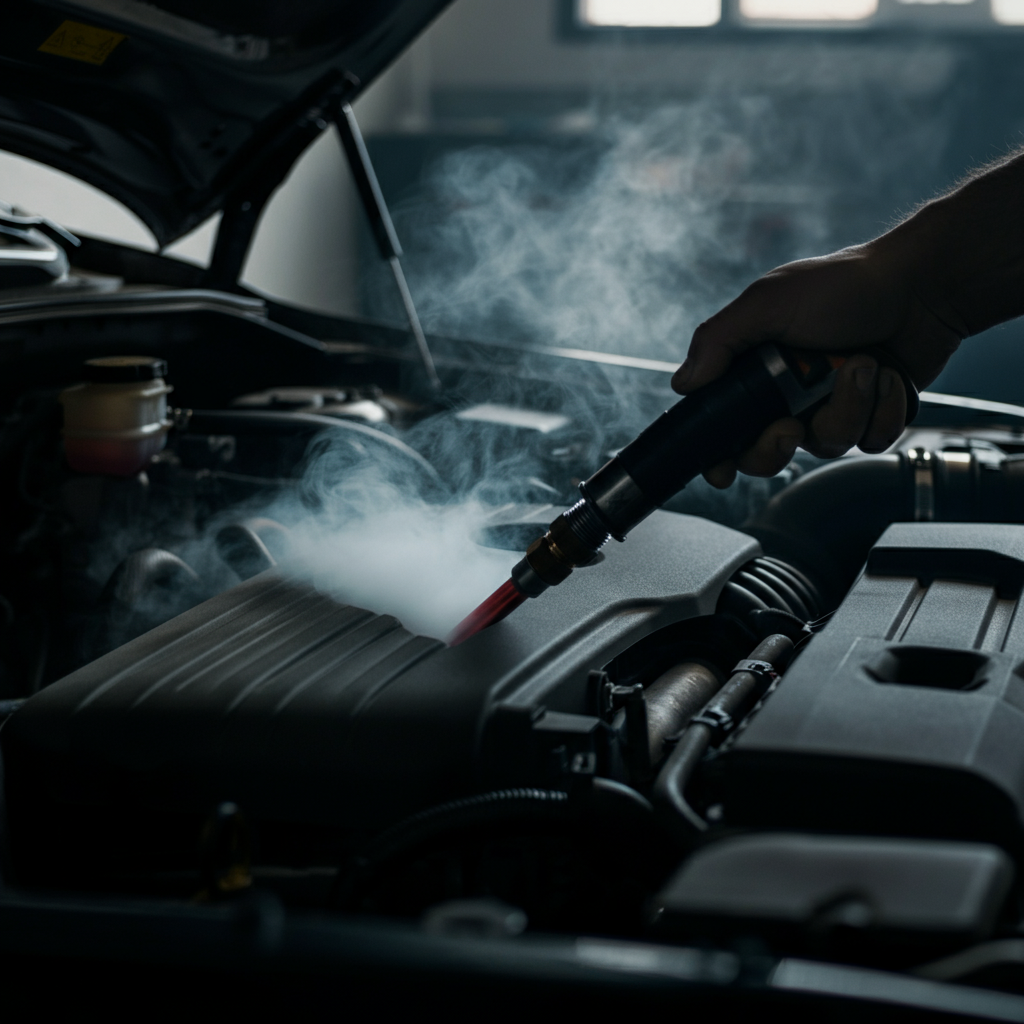
Less common, but still possible, are air mixture problems that can cause misfires. These can stem from a vacuum leak, allowing unmetered air to enter the engine, or a jumped timing chain, disrupting the engine's valve timing and airflow. Air mixture issues usually present with additional symptoms, such as unusual noises from the engine bay or a loss of power steering. Diagnosing these issues typically requires specialized tools and expertise, making it a task best left to a qualified mechanic.
Step 6: Crankshaft Sensor Considerations
Investigating Crankshaft Sensor Malfunctions
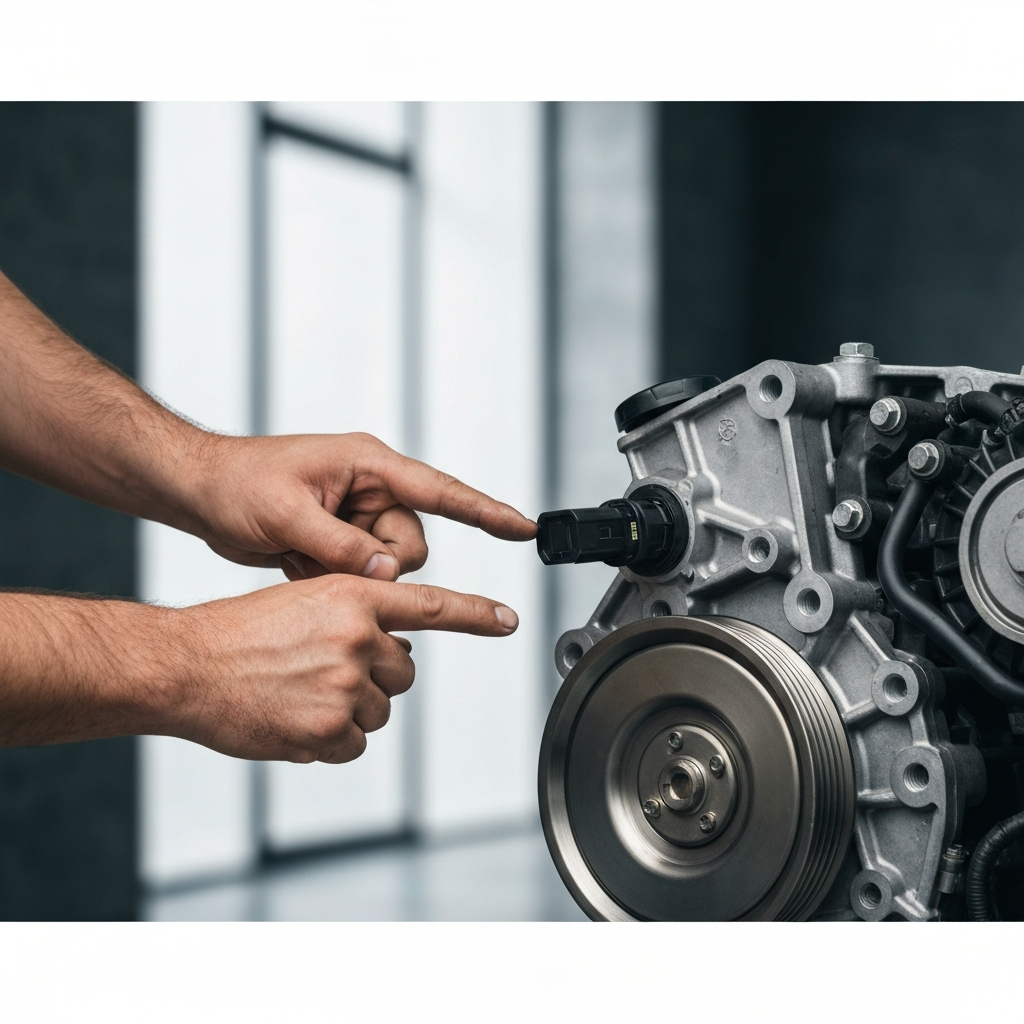
Although less likely to directly cause shaking, a faulty crankshaft sensor can contribute to engine misfires and trigger a flashing check engine light. The crankshaft sensor monitors the engine's crankshaft position and speed, providing crucial data for ignition timing and fuel injection. If the sensor malfunctions, it can disrupt these processes, leading to misfires. While the engine might not shake violently, you may experience other symptoms like stalling or difficulty starting.
Step 7: Emissions System Problems
Examining the Emissions System
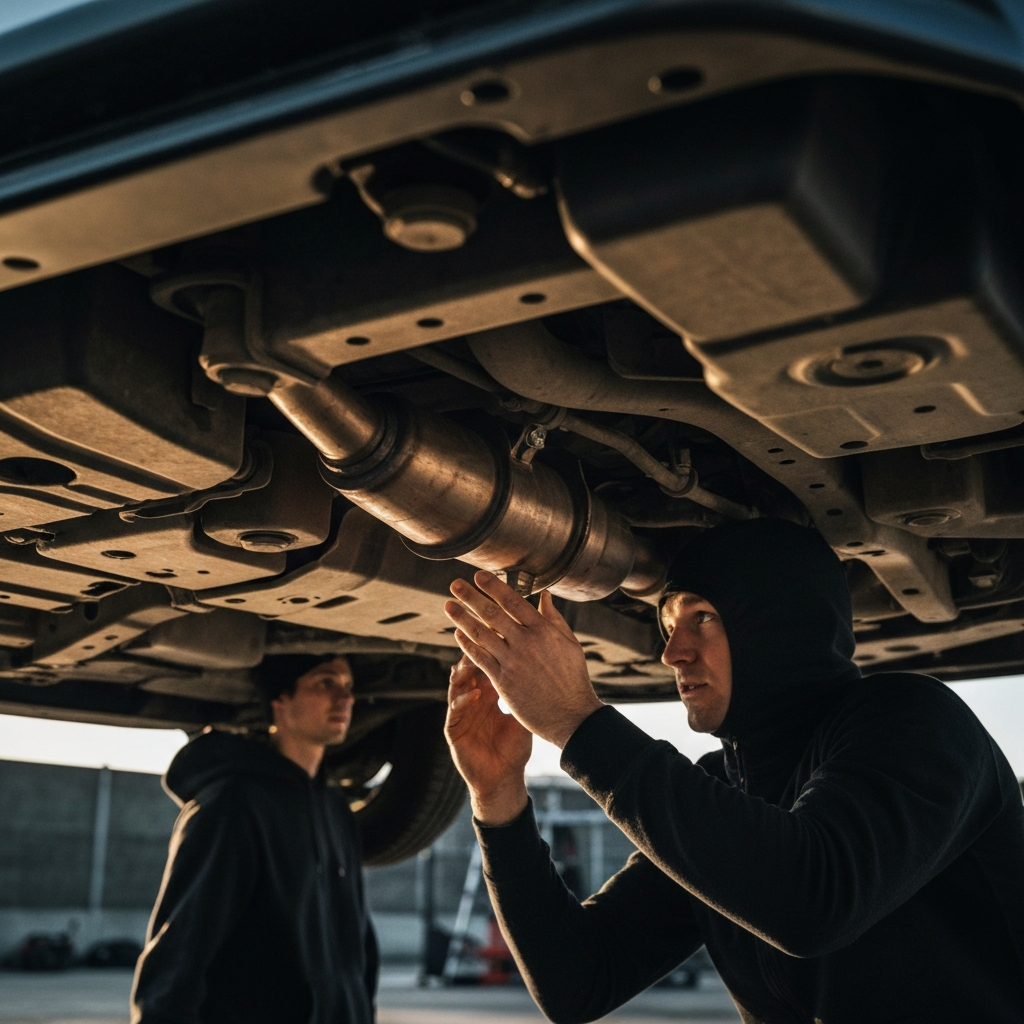
Problems with the emissions system are more likely to cause a solid check engine light, but in some cases, they can contribute to a flashing light and misfires. Leaks or malfunctions in the emissions system can allow exhaust gases to flow back into the engine, disrupting the combustion process. This is particularly true if there's a problem with the catalytic converter or related components. Emissions-related issues often require specialized diagnostic equipment and expertise to resolve effectively.
Step 8: Diagnosing the Problem with an OBD-2 Scanner
Utilizing an OBD-2 Scanner
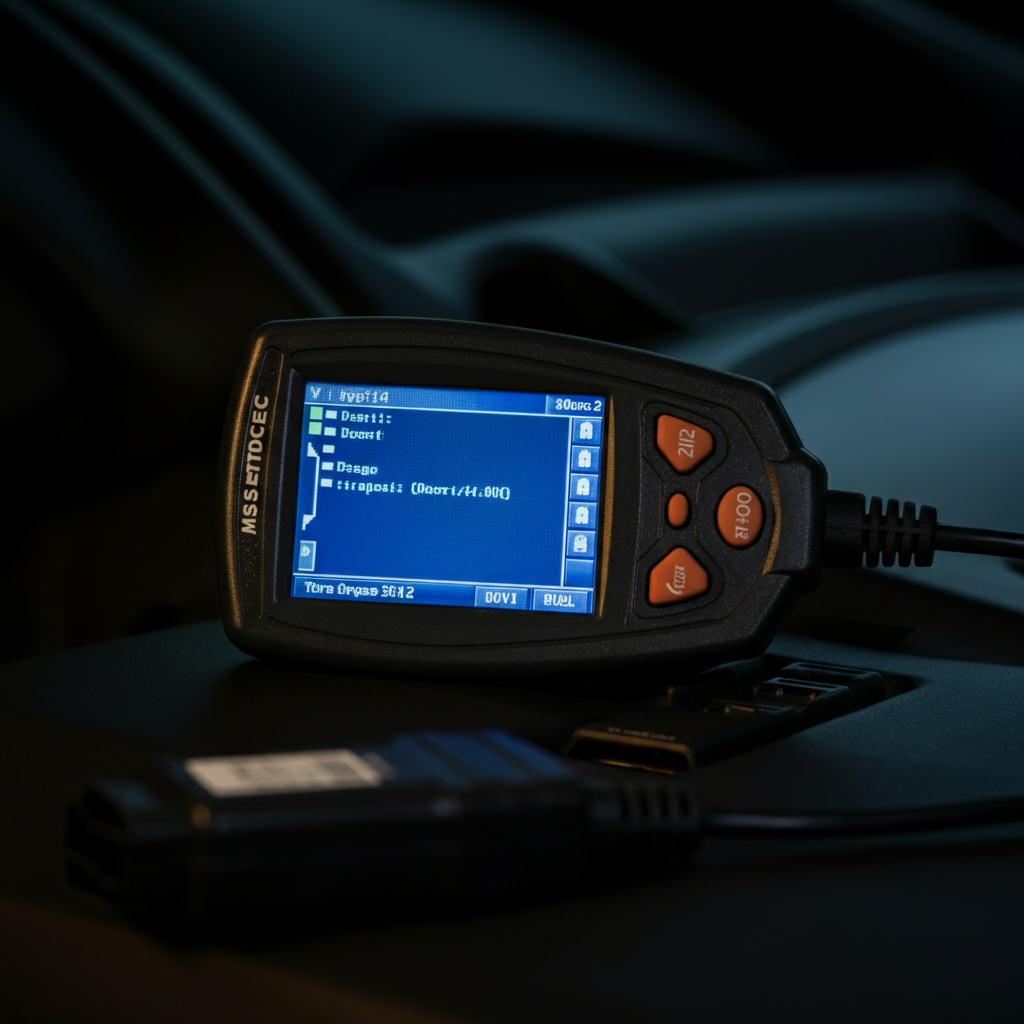
The most effective way to pinpoint the cause of the flashing check engine light is to use an OBD-2 scanner. This tool plugs into your car's OBD-2 port, typically located under the steering wheel, and reads diagnostic trouble codes (DTCs) stored in the ECU. These codes provide valuable information about the specific problem triggering the check engine light. Research the code and the misfire cylinder to direct your repairs.
Step 9: Safety First: When to Call a Tow Truck
The Importance of Towing
It's crucial to reiterate: Do not continue driving with a flashing check engine light and a shaking car. A misfiring engine is not only damaging to your vehicle but also poses a safety risk. You could experience a sudden loss of power, leading to dangerous situations on the road. Pull over to a safe location as soon as possible, turn off the engine, and call a tow truck to transport your vehicle to a trusted mechanic. The risks of further damage far outweigh the cost of a tow.
Tools or Materials Required
- OBD-2 Scanner
- Spark plug socket and wrench
- New spark plugs (matching your vehicle's specifications)
- New ignition coils (if necessary)
- MAF cleaner
- Basic hand tools (screwdrivers, pliers, etc.)
- Safety glasses and gloves
Common Mistakes to Avoid
- Ignoring a flashing check engine light
- Continuing to drive with a shaking car
- Using the wrong type of spark plugs
- Over-tightening spark plugs
- Using harsh chemicals to clean the MAF sensor
- Not disconnecting the battery before working on electrical components
Safety Considerations
- Always wear safety glasses and gloves when working on your car.
- Disconnect the negative battery terminal before working on any electrical components.
- Work in a well-ventilated area.
- Never work under a car supported only by a jack; always use jack stands.
- If you're not comfortable performing a repair, consult a qualified mechanic.
Pro Tips
- Keep a record of your car's maintenance history, including spark plug replacements.
- Use high-quality replacement parts that meet your vehicle's specifications.
- Regularly inspect your engine for signs of wear and tear.
- Address small problems before they escalate into major issues.
FAQ Section
- Q: How much does it cost to fix a flashing check engine light and shaking car?
- A: The cost can vary greatly depending on the underlying cause. Simple fixes like replacing spark plugs might cost a few hundred dollars, while more complex repairs like replacing a catalytic converter can cost thousands.
- Q: Can I drive my car if the check engine light is on but not flashing?
- A: If the check engine light is solid and the car is running normally, it's generally safe to drive a short distance to a mechanic. However, it's still important to have the problem diagnosed and repaired as soon as possible.
- Q: Is it possible to fix a misfire myself?
- A: Simple repairs like replacing spark plugs or cleaning the MAF sensor can often be done by a competent DIYer. However, more complex repairs should be left to a professional.
Conclusion
A flashing check engine light coupled with a shaking car is a serious issue that demands immediate attention. By understanding the potential causes, following a systematic diagnostic approach, and prioritizing safety, you can effectively address the problem and minimize potential damage to your vehicle. Remember, when in doubt, consult a qualified mechanic for professional assistance. Early intervention is key to preventing costly repairs and ensuring the long-term health of your engine.