Maximizing cargo space is crucial for road trips, family vacations, or even just hauling gear for weekend adventures. When your vehicle's interior simply isn't enough, the roof becomes a valuable extension of your carrying capacity. However, improperly securing luggage on your car's roof can lead to dangerous situations, damaged belongings, and even legal penalties. This guide will provide you with a comprehensive, step-by-step approach to safely and effectively transporting luggage on top of your vehicle.
From selecting the right equipment to employing proper loading and securing techniques, each aspect plays a vital role in ensuring a smooth and secure journey. We'll cover different types of roof-mounted cargo solutions, weight distribution considerations, and essential safety precautions to mitigate risks and prevent accidents. So, whether you're a seasoned traveler or a first-time adventurer, this guide will equip you with the knowledge and confidence to carry luggage on your car's roof with peace of mind.
Before you even consider loading up your luggage, taking the time to plan and prepare is paramount. This includes assessing your vehicle's capabilities, understanding legal requirements, and carefully selecting the appropriate gear. Let's dive in!
Step 1: Assessing Your Vehicle and Determining Load Capacity
Before anything else, you need to know your vehicle's roof load capacity. Consult your owner's manual or a sticker typically found on the driver's side doorjamb for the manufacturer's specified maximum weight. This number includes the weight of the rack or carrier itself, plus the luggage you intend to transport. Exceeding this limit can compromise your vehicle's handling, stability, and braking performance, leading to a dangerous situation. Don't guess – know the limit! Keep in mind that the type of vehicle (e.g., sedan, SUV, minivan) and its roof structure significantly influence this capacity. Some vehicles may require aftermarket roof racks if they don't come with factory-installed ones.

Step 2: Choosing the Right Roof-Mounted Cargo Solution
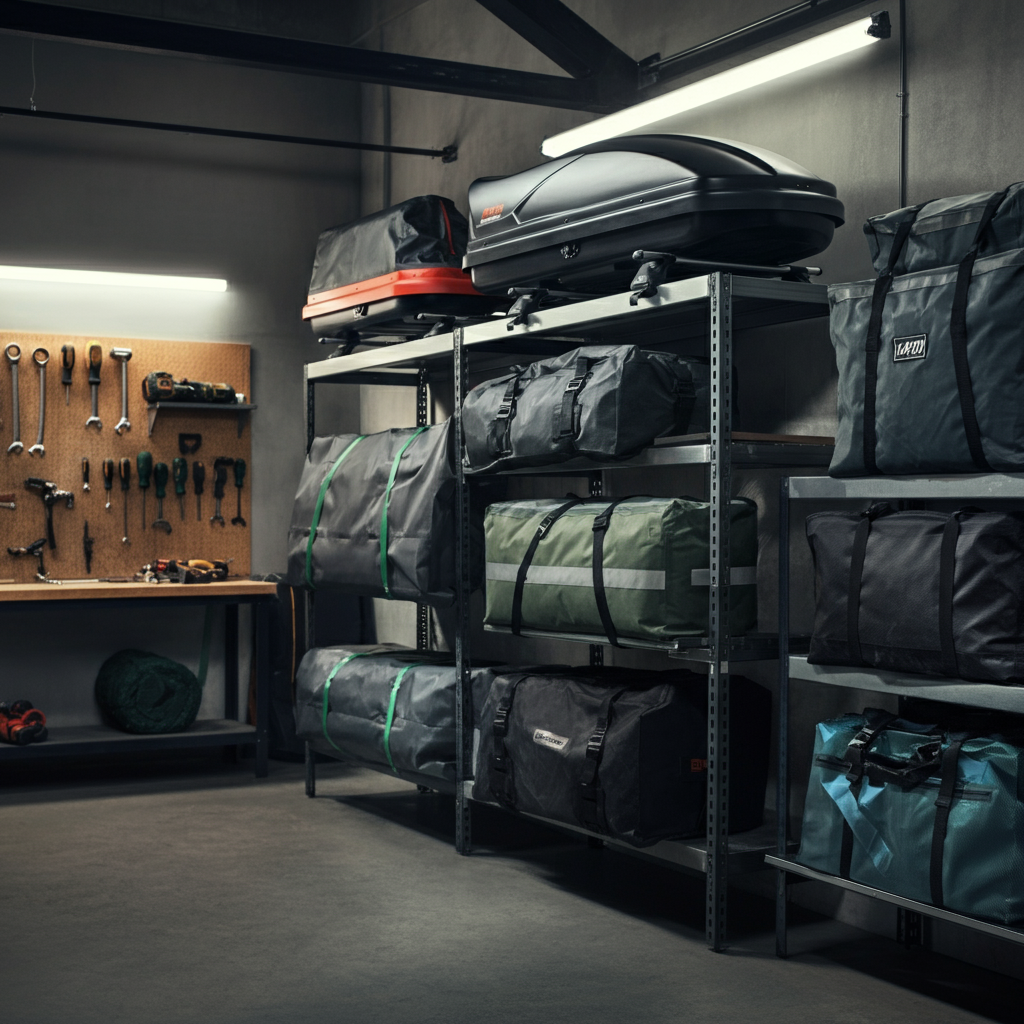
Several options are available for carrying luggage on your car's roof, each with its own pros and cons. These include:
- Roof Racks: Provide a base for attaching other cargo carriers. They typically consist of two bars that span the width of the roof.
- Cargo Boxes: Hard-shelled containers that offer excellent protection from the elements and added security.
- Cargo Bags: Soft-sided, weather-resistant bags that strap directly to the roof rack or vehicle's roof.
- Roof Baskets: Open containers with raised sides, ideal for carrying oddly shaped items or wet gear.
Step 3: Preparing Your Luggage
Properly packing your luggage is just as important as securing it to the roof. Use durable, weather-resistant bags to protect your belongings from rain, wind, and road debris. Avoid packing excessively heavy items in a single bag. Distribute the weight evenly across multiple bags to make them easier to handle and distribute the load effectively on the roof. If using a cargo bag or roof basket, consider using packing cubes or smaller bags to organize your belongings and prevent them from shifting during transit. Wrap fragile items in padding or blankets to prevent damage.

Step 4: Loading and Distributing Weight Evenly
When loading your luggage onto the roof, prioritize weight distribution. Place heavier items in the center of the cargo carrier and lighter items towards the edges. This helps maintain the vehicle's stability and prevents it from becoming top-heavy. If using a roof rack, ensure that the weight is evenly distributed between the front and rear bars. Avoid stacking items too high, as this can increase wind resistance and make the vehicle more susceptible to crosswinds. Securely close and latch all cargo carriers before proceeding.

Step 5: Securing the Luggage with Straps or Nets
Once your luggage is loaded, it's crucial to secure it properly to prevent it from shifting or falling off during transit. Use heavy-duty ratchet straps or cargo nets to secure the luggage to the roof rack or cargo carrier. Ensure that the straps are properly tightened and that there is no slack. Check the straps after driving a short distance and re-tighten as needed, as the luggage may settle during the initial stages of the journey. For cargo bags and roof baskets, use multiple straps or nets to provide maximum security. Ensure that the straps are routed in a way that prevents them from rubbing against the vehicle's paint or causing damage.

Step 6: Performing a Final Security Check
Before you hit the road, perform a final security check to ensure that everything is properly secured. Give the luggage a firm shake to see if anything shifts or moves. If you detect any movement, re-tighten the straps or nets until the luggage is completely secure. Check that all latches and closures on the cargo carrier are properly engaged. Ensure that the straps are not obstructing your vision or interfering with the vehicle's operation. Take a quick test drive around the block to further assess the stability of the load.

Safety Considerations
- Obey Speed Limits: Driving with luggage on the roof increases wind resistance and can affect the vehicle's handling. Reduce your speed and drive cautiously, especially in windy conditions or on uneven roads.
- Increase Following Distance: The added weight of the luggage increases your stopping distance. Increase your following distance to allow for more time to react to potential hazards.
- Be Aware of Height Restrictions: When driving under bridges, overpasses, or parking garages, be mindful of the added height of the luggage.
- Inspect Regularly: Stop every few hours to inspect the luggage and straps. Re-tighten as needed.
Common Mistakes to Avoid
- Overloading the Vehicle: Exceeding the vehicle's roof load capacity is a common and dangerous mistake.
- Improper Weight Distribution: Placing too much weight on one side of the roof can compromise the vehicle's stability.
- Using Inadequate Straps: Weak or damaged straps can fail, causing the luggage to fall off the roof.
- Failing to Secure the Load Properly: Leaving straps loose or failing to use enough straps can allow the luggage to shift or fall off.
Pro Tips
- Use a non-slip mat or rubberized surface under the luggage to prevent it from sliding on the roof.
- Consider using a cargo carrier with an integrated locking system for added security.
- Practice loading and securing the luggage before your trip to familiarize yourself with the process.