Seeing your plant's vibrant green leaves turn yellow can be alarming for any plant enthusiast. Yellowing leaves, or chlorosis, are a common symptom that indicates an underlying issue affecting your plant's health. Don't panic! Often, yellowing leaves are a signal that something needs adjusting in your plant's environment or care routine. By carefully observing your plant and understanding the potential causes, you can often diagnose and correct the problem, restoring your plant to its former glory.
This guide will walk you through the most common reasons why your plant's leaves are turning yellow, offering practical steps and expert advice to help you identify and address the issue. From watering problems to nutrient deficiencies, we'll cover everything you need to know to keep your plants thriving. Understanding the nuances of plant care is key, and with the right knowledge, you can effectively troubleshoot and provide the optimal conditions for your green companions.
We will explore solutions applicable to both indoor and outdoor plants, though specific environmental considerations may differ. Remember that different plant species have varying needs, so always research the specific requirements of your plant to ensure accurate diagnosis and treatment. The goal is to provide a framework for understanding plant health and empowering you to make informed decisions for your plant's well-being.
1. Overwatering
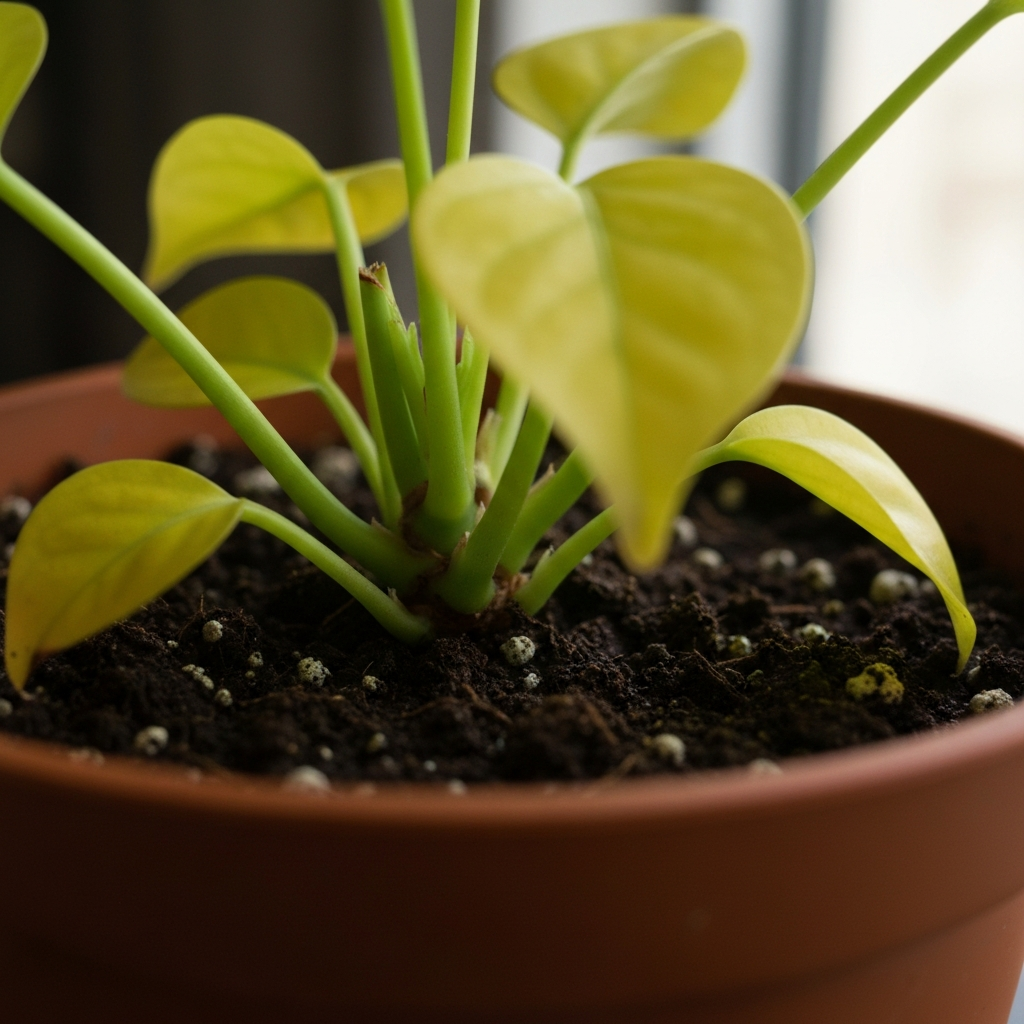
Overwatering is one of the most frequent culprits behind yellowing leaves. When a plant's roots are constantly submerged in water, they are deprived of oxygen. This lack of oxygen inhibits the plant's ability to absorb nutrients, leading to chlorosis. The telltale signs of overwatering include consistently soggy soil, leaves that are yellow and possibly drooping, and in severe cases, root rot, which is characterized by a foul smell emanating from the soil. A helpful test is to press your finger about two inches into the soil. If it feels consistently wet, it's a sign of overwatering.
2. Underwatering
On the opposite end of the spectrum, underwatering can also cause yellow leaves. When a plant doesn't receive enough water, it prioritizes survival by diverting resources away from older leaves, causing them to turn yellow and eventually brown. Look for leaves that are dry, crispy, and drooping, especially those at the bottom of the plant. The soil will typically be dry to the touch, and the pot may feel lighter than usual. However, be careful not to assume underwatering is the problem just because the leaves are yellow. Always check the soil moisture levels before adding water.

3. Insufficient Light
Plants need light to photosynthesize, the process of converting light energy into chemical energy for growth. When a plant doesn't receive enough light, it can't produce chlorophyll, the pigment that gives leaves their green color. This deficiency results in yellowing leaves, often starting with the lower leaves that are furthest from the light source. The plant may also exhibit leggy growth, with long, stretched stems as it tries to reach for more light. Different plants have different light requirements, so research your plant's specific needs. South-facing windows generally provide the most light.

4. Excessive Light
While insufficient light can cause problems, too much direct sunlight can also lead to yellowing leaves, specifically sun scorch. This is particularly true for plants that are not acclimated to intense sunlight. Sun scorch appears as bleached or yellowed patches on the leaves, often on the side of the plant facing the sun. Delicate plants can experience leaf burn if suddenly exposed to direct sun after being in shaded conditions. Move your plant to a location with filtered light or provide shade during the hottest part of the day.
5. Nutrient Deficiencies
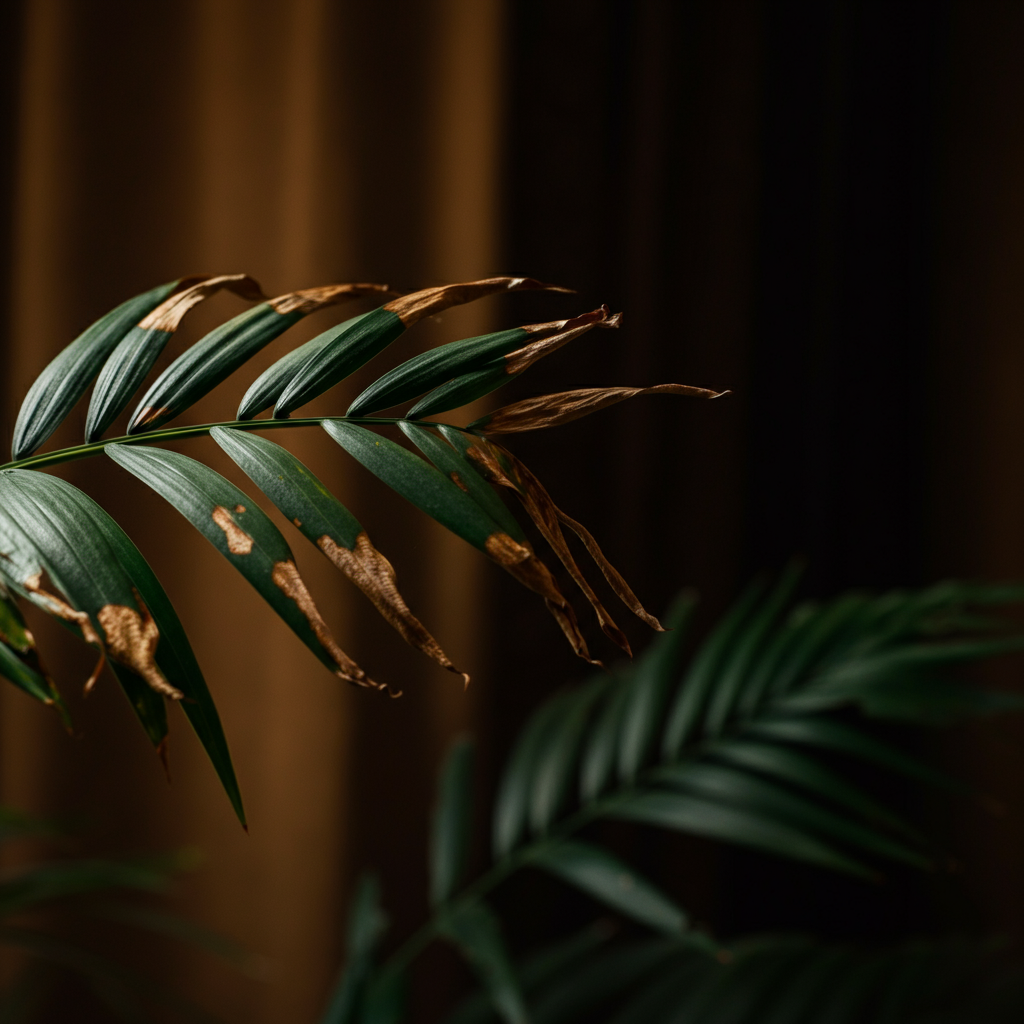
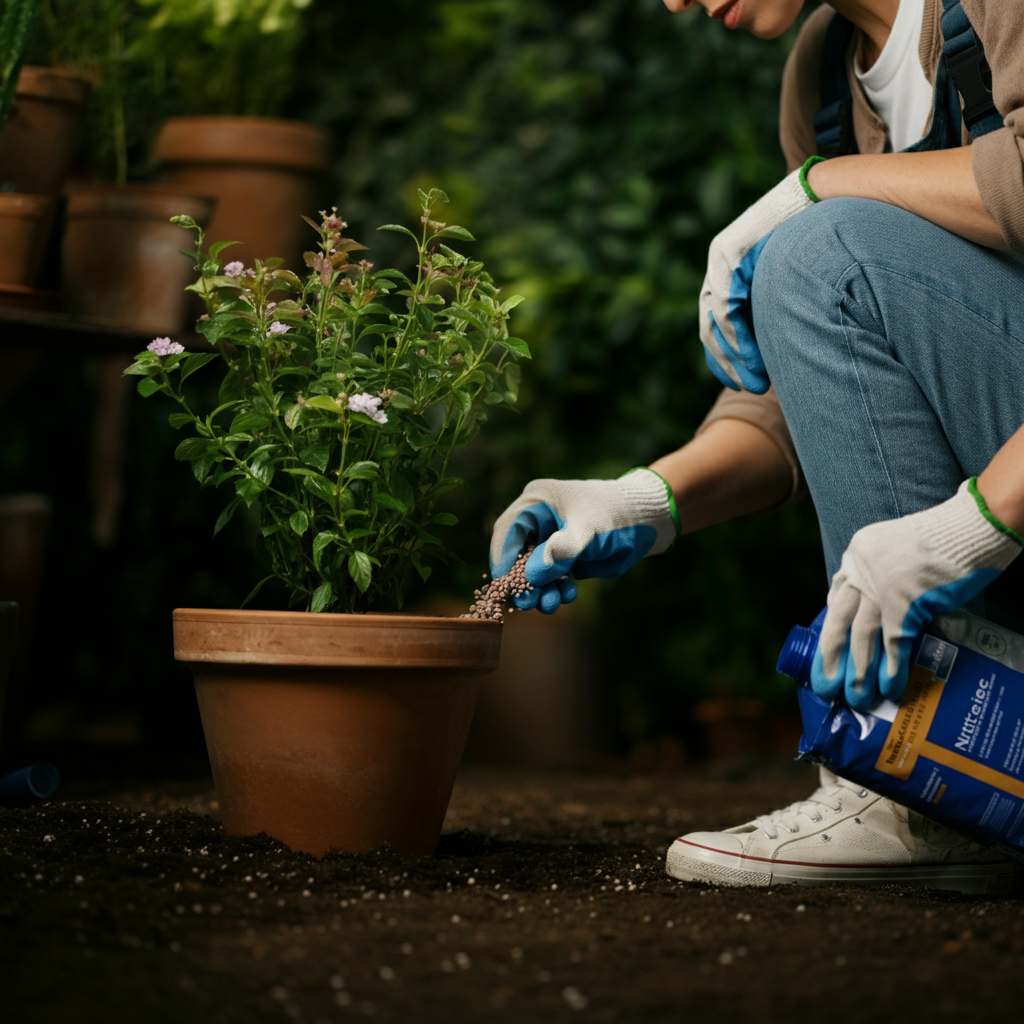
Plants require a variety of nutrients to thrive, including nitrogen, phosphorus, potassium, iron, and magnesium. A deficiency in any of these nutrients can manifest as yellowing leaves. Nitrogen deficiency, for example, often causes older leaves to turn yellow first, while iron deficiency typically affects newer leaves, causing them to turn yellow while the veins remain green (a condition called interveinal chlorosis). A soil test can help determine which nutrients are lacking. Consider using a balanced fertilizer or a fertilizer specifically formulated to address the identified deficiency.
6. Pests and Diseases
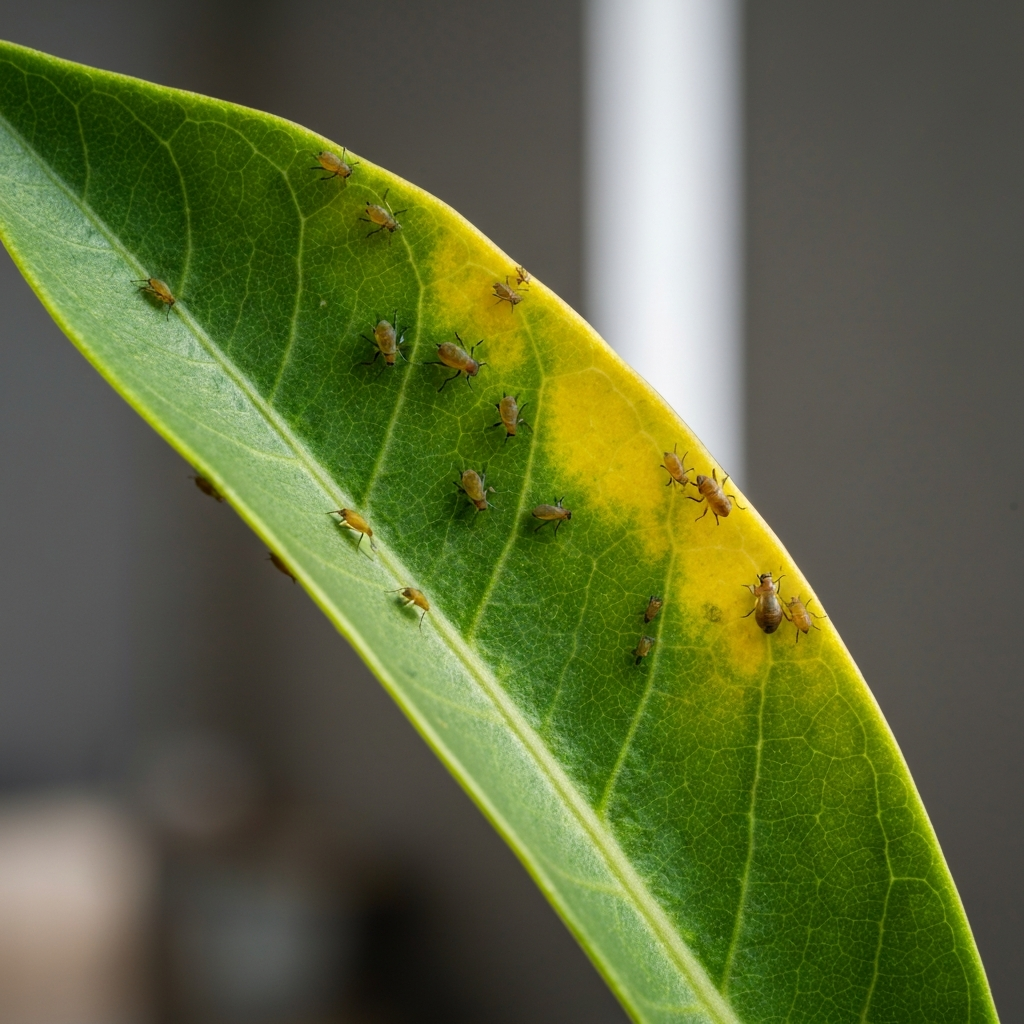
Various pests and diseases can also cause yellowing leaves. Sap-sucking insects, such as aphids, spider mites, and mealybugs, can weaken the plant by feeding on its sap, leading to yellowing and stunted growth. Fungal diseases, such as root rot and leaf spot, can also cause yellow leaves and other symptoms like lesions and wilting. Inspect your plant regularly for signs of pests or diseases, such as small insects, webbing, or unusual spots on the leaves. Early detection and treatment are crucial to prevent the problem from spreading.
7. Temperature Stress
Extreme temperatures, both hot and cold, can stress plants and cause their leaves to turn yellow. Cold drafts can damage delicate foliage, while excessive heat can lead to dehydration and leaf scorch. Avoid placing your plants near drafts, air conditioning vents, or heaters. Maintain a consistent temperature range that is suitable for your plant species. Be especially cautious during seasonal changes.

8. Soil pH Imbalance
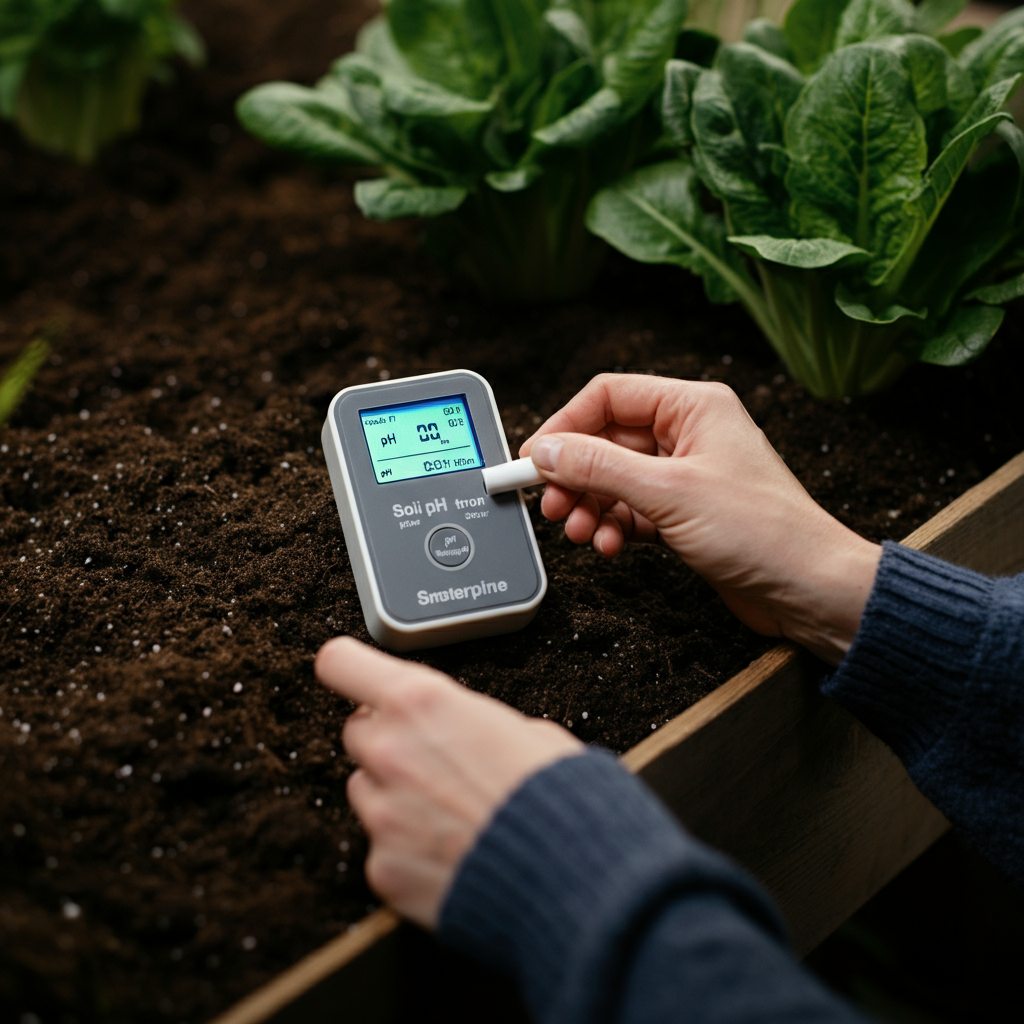
The pH of the soil affects a plant's ability to absorb nutrients. If the soil pH is too high (alkaline) or too low (acidic), certain nutrients may become unavailable to the plant, even if they are present in the soil. This can lead to nutrient deficiencies and yellowing leaves. Soil pH can be tested with a home test kit or by sending a sample to a lab. Amend the soil with lime to raise the pH or sulfur to lower the pH, as needed, based on your plant's requirements. Most plants prefer a slightly acidic to neutral pH (around 6.0 to 7.0).
9. Natural Aging
Sometimes, yellowing leaves are simply a sign of natural aging. As plants mature, older leaves naturally die off to make way for new growth. This is a normal process and usually affects the lower leaves of the plant. If the rest of the plant appears healthy and is producing new growth, there is likely no cause for concern. Simply remove the yellowed leaves to improve the plant's appearance and prevent the spread of any potential disease. However, be sure to rule out other potential causes before attributing yellowing leaves to natural aging.
Tools or Materials Required
* Watering can or hose * Soil moisture meter * Fertilizer (balanced or specific to the deficiency) * Pest control products (insecticidal soap, neem oil) * Pruning shears or scissors * Soil pH testing kit * Gloves * Potting mix (if repotting)Common Mistakes to Avoid
* Ignoring the plant's specific needs and watering requirements. * Over-fertilizing, which can lead to nutrient toxicity. * Failing to inspect plants regularly for pests and diseases. * Making drastic changes to the plant's environment all at once. * Assuming the problem is always one thing without investigating all possibilities.Pro Tips
* Always use well-draining soil to prevent overwatering. * Water deeply but infrequently, allowing the soil to dry out slightly between waterings. * Provide adequate drainage by using pots with drainage holes. * Rotate your plants regularly to ensure even light exposure. * Maintain proper humidity levels, especially for tropical plants. * Remove yellow leaves promptly to prevent the spread of disease.FAQ Section
Q: How often should I fertilize my plants?
A: Fertilization frequency depends on the plant species and the type of fertilizer used. Follow the instructions on the fertilizer packaging for guidance.
Q: Can I use tap water for my plants?
A: Tap water can be used for most plants, but it may contain chlorine or other chemicals that can be harmful to sensitive species. Consider using filtered water or rainwater.
Q: How do I know if my plant has root rot?
A: Signs of root rot include yellowing leaves, wilting, stunted growth, and a foul smell emanating from the soil. The roots may appear brown and mushy.
Conclusion
Yellowing leaves are a common plant problem, but with careful observation and a systematic approach, you can often identify and correct the underlying issue. Remember to consider all potential causes, from watering problems to nutrient deficiencies, pests, and diseases. By providing your plants with the right environment and care, you can help them thrive and enjoy their vibrant green foliage for years to come. Always prioritize understanding your plant's individual needs for optimal health and longevity.