Gardening doesn't have to be back-breaking labor. In fact, with a few strategic tweaks, you can enjoy a bountiful harvest with minimal effort. This guide is designed for the "lazy" gardener – those who appreciate the beauty and bounty of a garden but prefer to achieve it with maximum efficiency and minimal exertion. We'll explore techniques that prioritize long-term sustainability, reduce maintenance, and leverage nature's own systems to do the heavy lifting.
Forget endless weeding, constant watering, and obsessive pruning. This isn't about cutting corners; it's about working *with* nature, not against it. By embracing a "lazy" approach, you'll not only save time and energy but also create a healthier, more resilient garden that practically takes care of itself.
Ready to kick back and enjoy the fruits (and vegetables) of your *strategic* laziness? Let's dive in!
Step 1: Plan for Perennials (The Gift That Keeps on Giving)
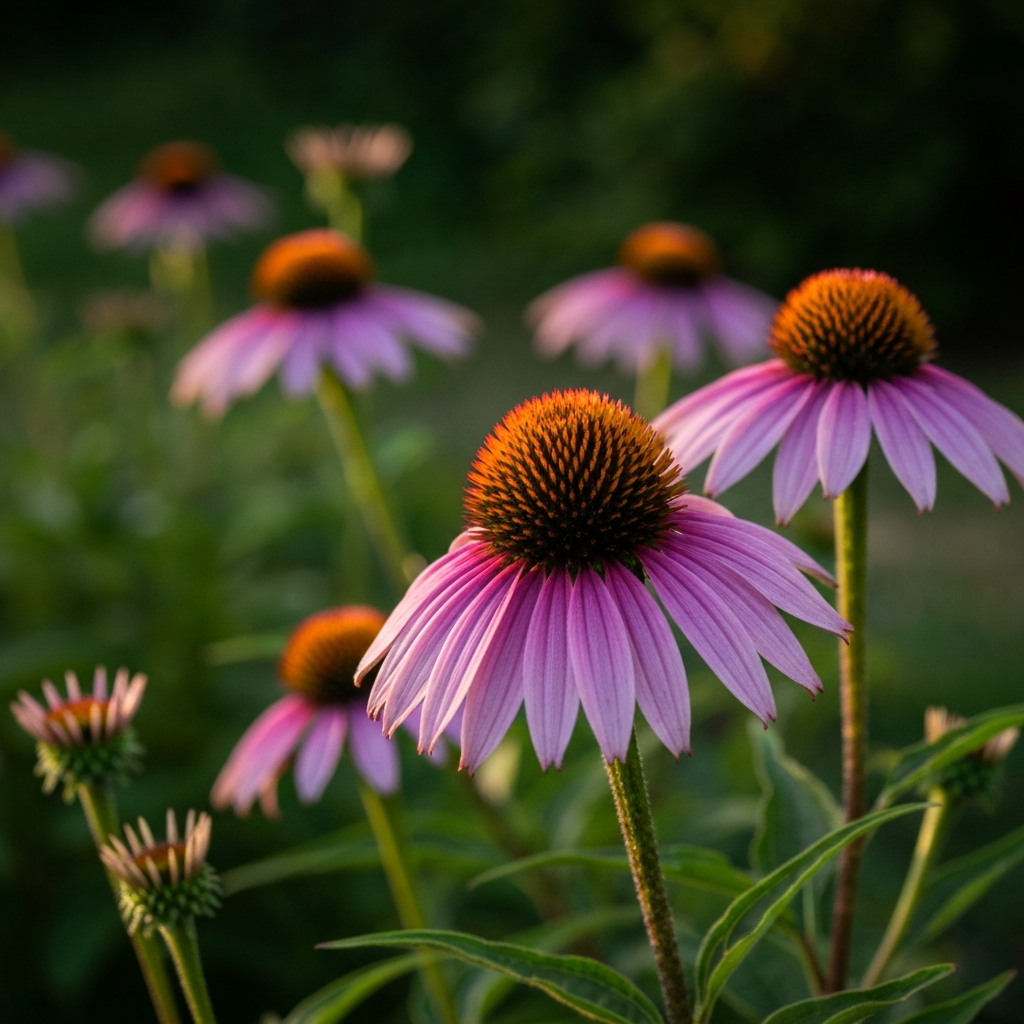
Annuals are beautiful, but they demand yearly replanting, a significant time investment. Perennials, on the other hand, return year after year, requiring only occasional maintenance. Think of it as planting once and reaping the rewards for years to come. Choose perennials suited to your climate and soil conditions. Consider fruit trees, berry bushes, asparagus, rhubarb, herbs like mint, chives, oregano and flowers like daylilies, hostas, and coneflowers.
When selecting perennials, research their mature size to avoid overcrowding. Give them ample space from the start to minimize future transplanting. A common mistake is planting perennials too close together, leading to competition for resources and increased susceptibility to disease.
Step 2: Embrace Mulch (Your Weed-Fighting, Moisture-Retaining Ally)
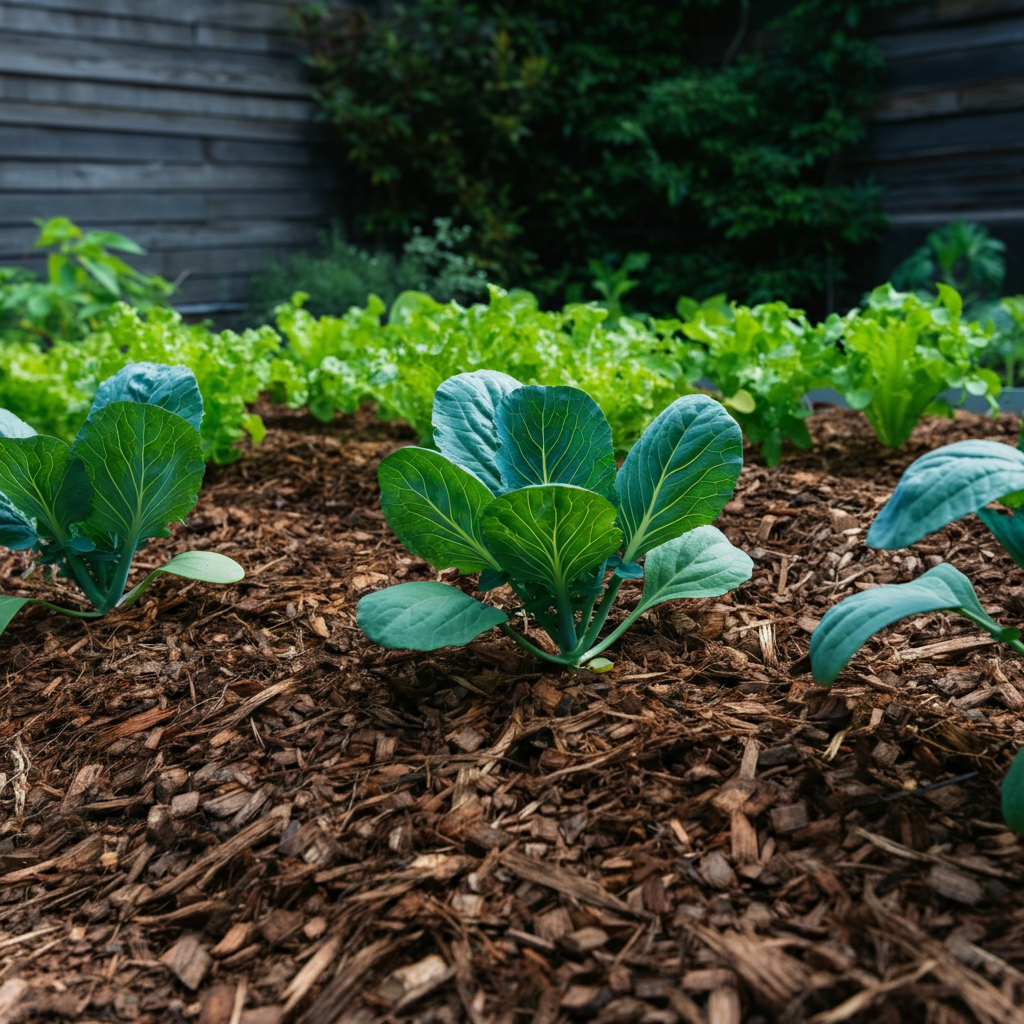
Mulch is a lazy gardener's best friend. It suppresses weeds, retains soil moisture, regulates soil temperature, and adds organic matter as it decomposes. Organic mulches like wood chips, straw, shredded leaves, and compost are excellent choices. Apply a thick layer (2-4 inches) around your plants, being careful not to pile it directly against the stems.
Consider using different types of mulch for different areas of your garden. Wood chips are great for pathways, while compost is ideal for vegetable beds. Avoid using inorganic mulches like plastic sheeting, as they can prevent water from reaching the soil and suffocate plant roots. Regular replenishment is key, as organic mulches decompose over time.
Step 3: Drip Irrigation or Soaker Hoses (Watering Made Easy)
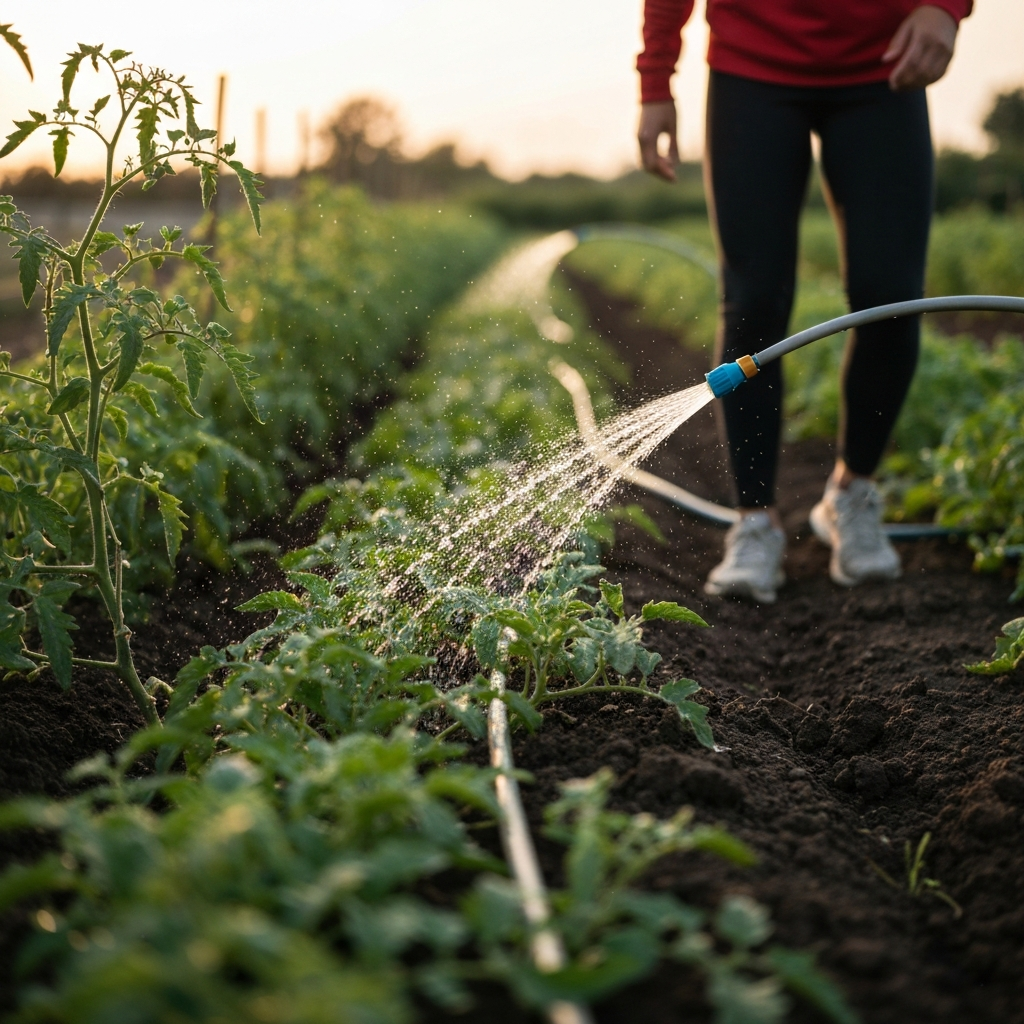
Forget hauling hoses around the garden. Drip irrigation and soaker hoses deliver water directly to the roots of your plants, minimizing water waste and reducing the frequency of watering. Install a system that covers your entire garden, connecting it to a timer for automatic watering.
When setting up your irrigation system, consider the water needs of different plants. Group plants with similar watering requirements together to avoid overwatering or underwatering. Regularly inspect your system for leaks and clogs to ensure optimal performance. Don't bury soaker hoses too deeply; they work best when placed on the soil surface under mulch.
Step 4: No-Till Gardening (Disturb the Soil No More)
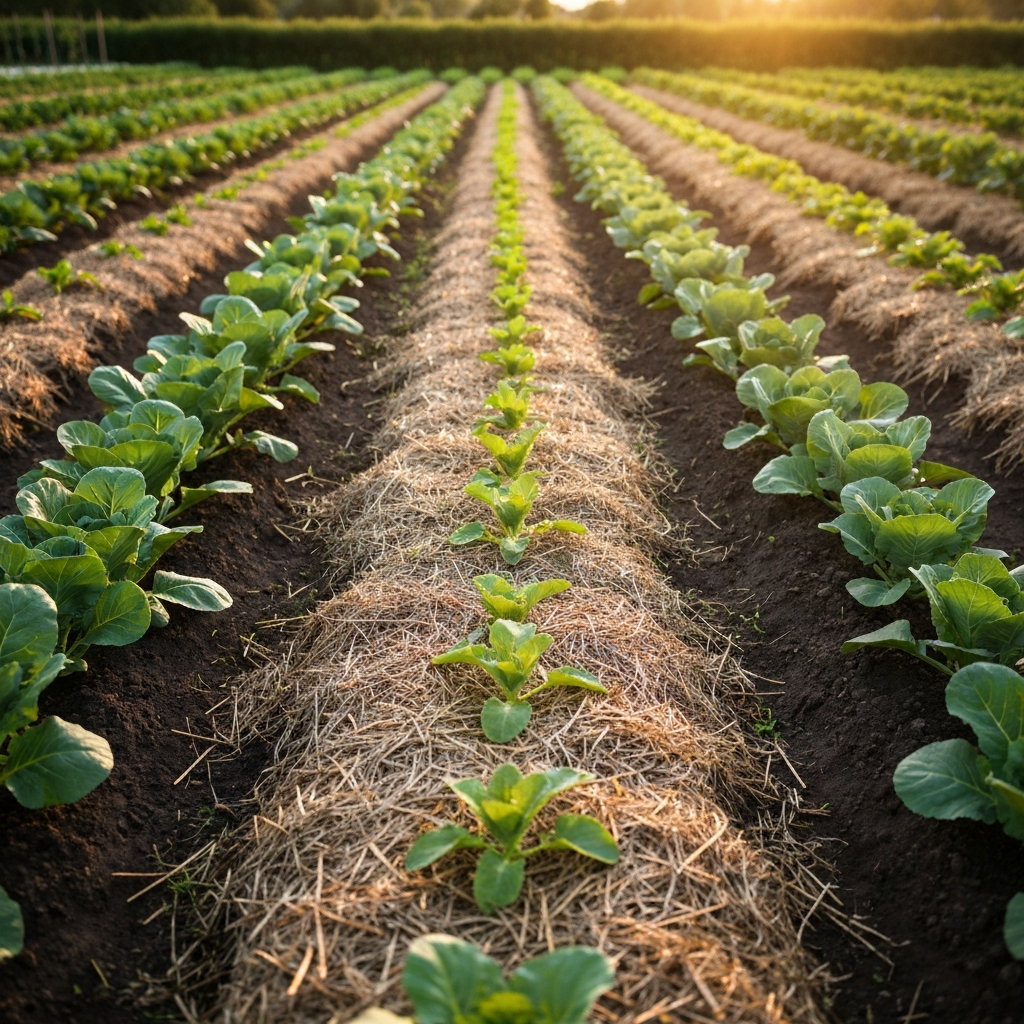
Tilling disrupts the soil ecosystem, damaging beneficial microorganisms and bringing weed seeds to the surface. No-till gardening, on the other hand, preserves soil structure, reduces erosion, and enhances soil fertility. Instead of tilling, add organic matter like compost and cover crops to improve soil health.
Start with a thick layer of cardboard or newspaper to smother existing weeds, then layer compost, straw, and other organic materials on top. Over time, the soil will become richer and more fertile. A common mistake is attempting no-till gardening on heavily compacted soil; it's best to start with a soil test and amend the soil as needed.
Step 5: Companion Planting (Nature's Helpers)
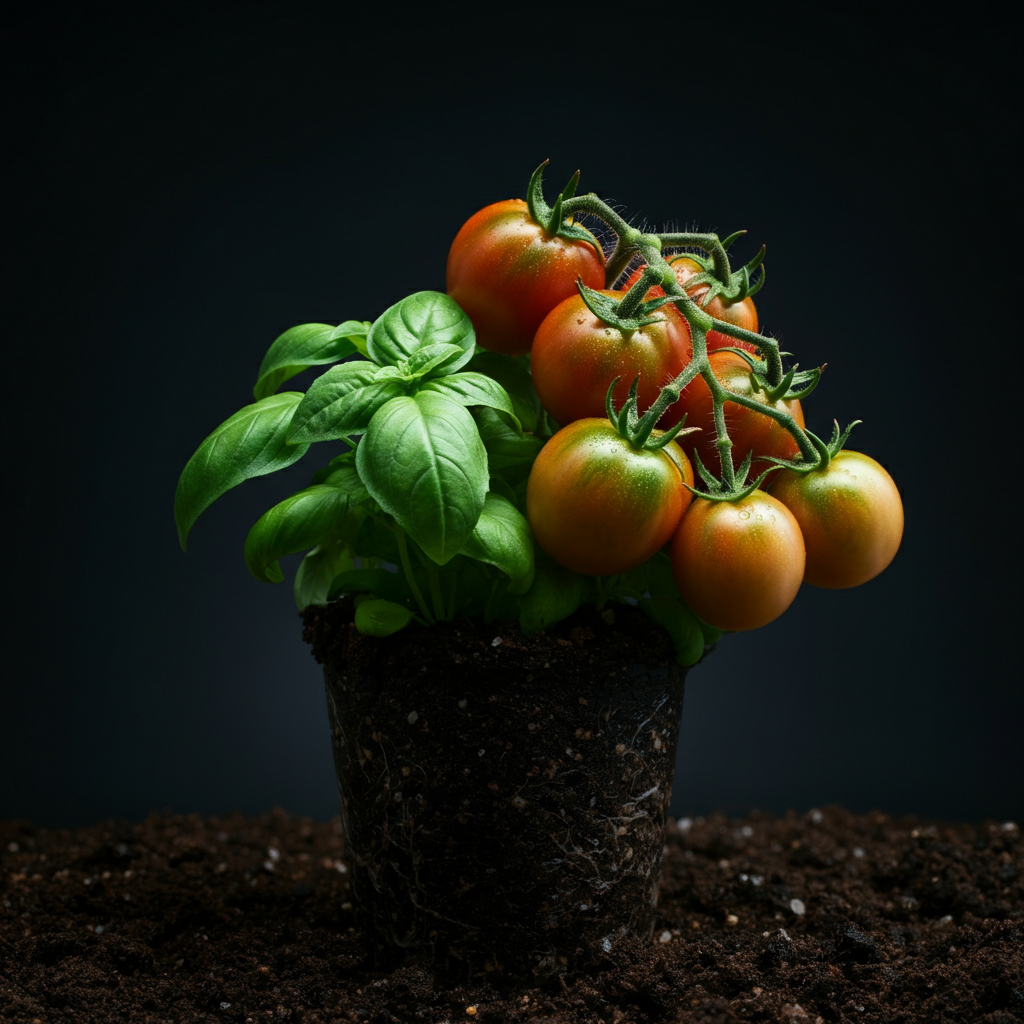
Certain plants benefit each other when grown together. This is known as companion planting. For example, basil repels pests that attack tomatoes, while marigolds deter nematodes. Research companion planting combinations to maximize your garden's productivity and minimize pest problems.
When planning your garden, consider the size and growth habits of different companion plants. Avoid planting aggressive plants that could smother their companions. Experiment with different combinations to find what works best in your garden. Remember that companion planting is not a foolproof solution; you may still need to take other pest control measures.
Step 6: Integrated Pest Management (IPM): A Balanced Approach
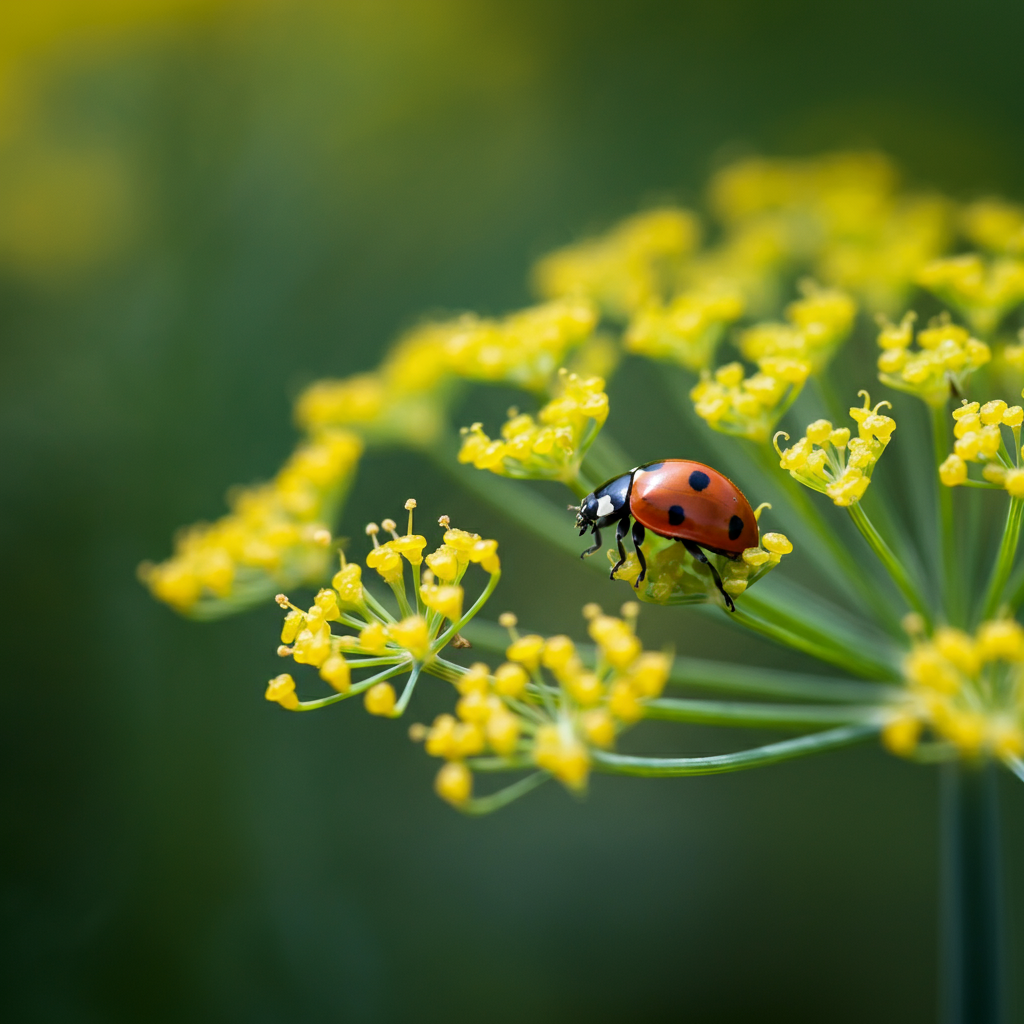
Instead of resorting to harsh chemicals, adopt an integrated pest management (IPM) approach. This involves using a combination of strategies to prevent and control pests, including attracting beneficial insects, hand-picking pests, and using organic pesticides only as a last resort.
Attract beneficial insects like ladybugs, lacewings, and parasitic wasps by planting flowering plants like yarrow, dill, and fennel. Regularly inspect your plants for signs of pests and diseases. A common mistake is waiting until a pest infestation is severe before taking action; early intervention is key. When using organic pesticides, follow the instructions carefully and avoid spraying during the heat of the day.
Step 7: Succession Planting (Extending the Harvest)
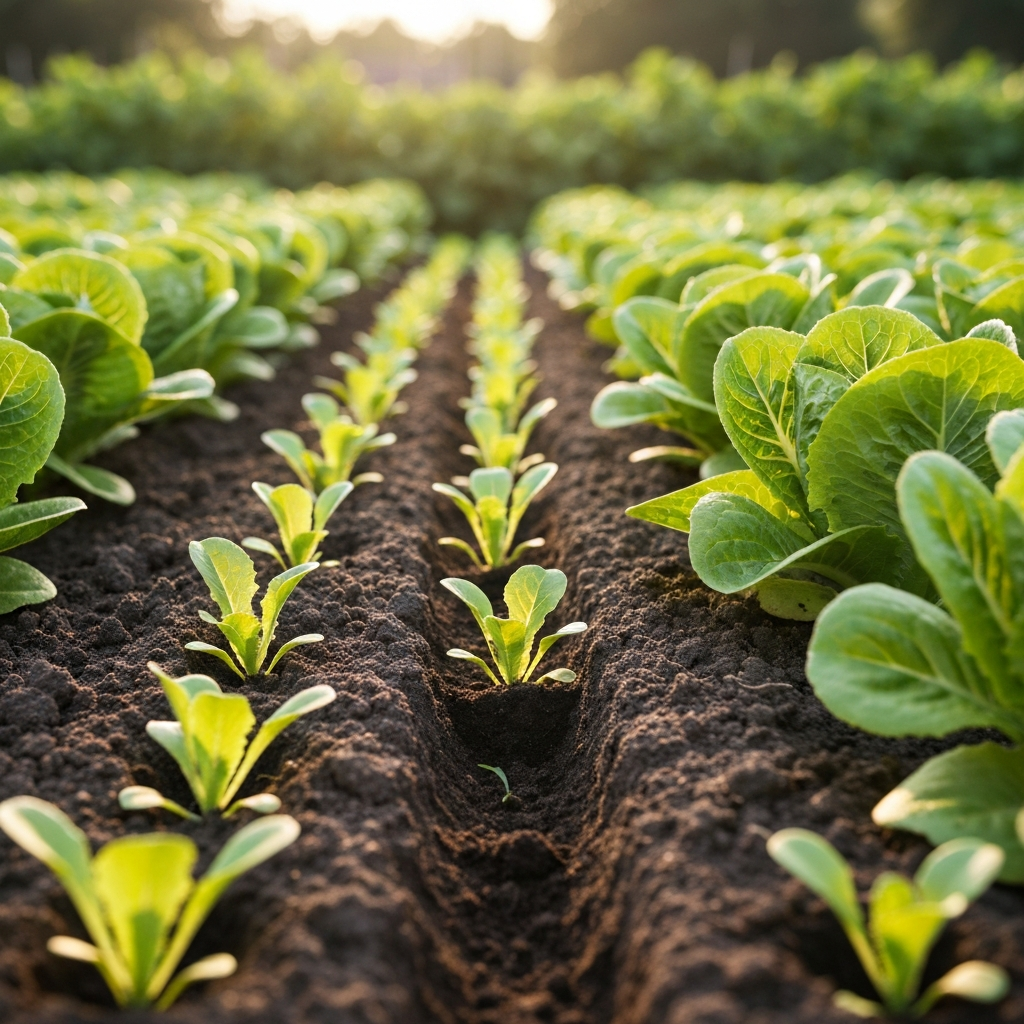
Don't plant everything at once! Succession planting involves planting crops in intervals to extend your harvest season. Plant a new batch of lettuce every two weeks, for example, to ensure a continuous supply of fresh greens. This technique also helps to distribute your workload, making gardening less overwhelming.
When planning your succession plantings, consider the maturity dates of different crops. Choose varieties that mature at different times to avoid having everything ripen at once. Keep a gardening journal to track your planting dates and harvest times, allowing you to fine-tune your succession planting schedule. A common mistake is planting too much of one crop at once, resulting in a glut of produce that you can't use.
Tools or Materials Required
- Perennial plants suited to your climate
- Organic mulch (wood chips, straw, compost)
- Drip irrigation system or soaker hoses
- Cardboard or newspaper
- Cover crop seeds
- Companion plants
- Beneficial insect attractant plants
- Organic pesticides (optional)
- Gardening journal
Common Mistakes to Avoid
- Planting perennials too close together
- Using inorganic mulches like plastic sheeting
- Overwatering or underwatering plants
- Attempting no-till gardening on heavily compacted soil
- Planting aggressive companion plants
- Waiting until a pest infestation is severe before taking action
- Planting too much of one crop at once
Pro Tips
- Start small! Don't try to do everything at once. Choose a few techniques to focus on each season.
- Compost your kitchen and yard waste to create a free source of organic fertilizer.
- Collect rainwater to supplement your irrigation system.
- Join a local gardening club to learn from experienced gardeners.
FAQ Section
- Q: What if I have a lot of weeds?
- A: Start by smothering them with cardboard or newspaper, then apply a thick layer of mulch. You may need to hand-pull some weeds, but over time, the mulch will suppress their growth.
- Q: How do I know what kind of soil I have?
- A: Conduct a soil test. You can purchase a soil test kit online or from your local garden center. This will tell you the pH and nutrient content of your soil, allowing you to amend it as needed.
- Q: What if I don't have a lot of space?
- A: Consider container gardening. Many vegetables, herbs, and flowers can be grown in pots on a balcony or patio.
Conclusion
Gardening smarter, not harder, is all about working with nature and embracing efficiency. By prioritizing perennials, using mulch, installing drip irrigation, practicing no-till gardening, companion planting, implementing IPM, and succession planting, you can create a beautiful and productive garden with minimal effort. So, ditch the back-breaking labor and embrace the lazy gardener's approach. Your body (and your garden) will thank you for it!