Is your garden more jungle than juniper? Has nature taken over to the point where you're afraid to venture beyond the patio? Fear not! Transforming an overgrown garden into a serene oasis is a challenging, but deeply rewarding project. With the right approach, tools, and a bit of elbow grease, you can reclaim your outdoor space and create a garden you'll love to spend time in.
This comprehensive guide will take you through the process step-by-step, from assessing the damage and clearing debris to planning your new layout and planting for success. We'll cover everything from taming unruly weeds to pruning overgrown shrubs and creating a garden that is both beautiful and manageable. Get ready to roll up your sleeves and transform your garden jungle into a tranquil escape.
Remember, patience is key. Don't try to tackle everything at once. Break the project down into smaller, more manageable tasks, and celebrate your progress along the way. A little effort each day can make a big difference.
Step 1: Assess the Damage and Create a Plan
Before you start hacking away at the undergrowth, take some time to assess the situation. Walk around your garden and identify the major problem areas. What's overgrown? What's dead or dying? What plants do you want to keep, and which ones need to go? Creating a rough sketch of your garden's current state will be extremely helpful. Note the sunny and shady spots, existing structures, and any features you want to preserve.
Now, envision your ideal garden. What do you want it to look like? What do you want to use it for? Do you want a relaxing retreat, a vibrant flower garden, a productive vegetable patch, or a combination of all three? Consider your lifestyle and how much time you're willing to dedicate to maintenance. This initial assessment will guide your subsequent actions and prevent you from making costly mistakes. Think about the overall aesthetic you're aiming for – cottage garden, modern minimalist, or perhaps a more naturalistic style.

Step 2: Clear the Debris and Overgrowth
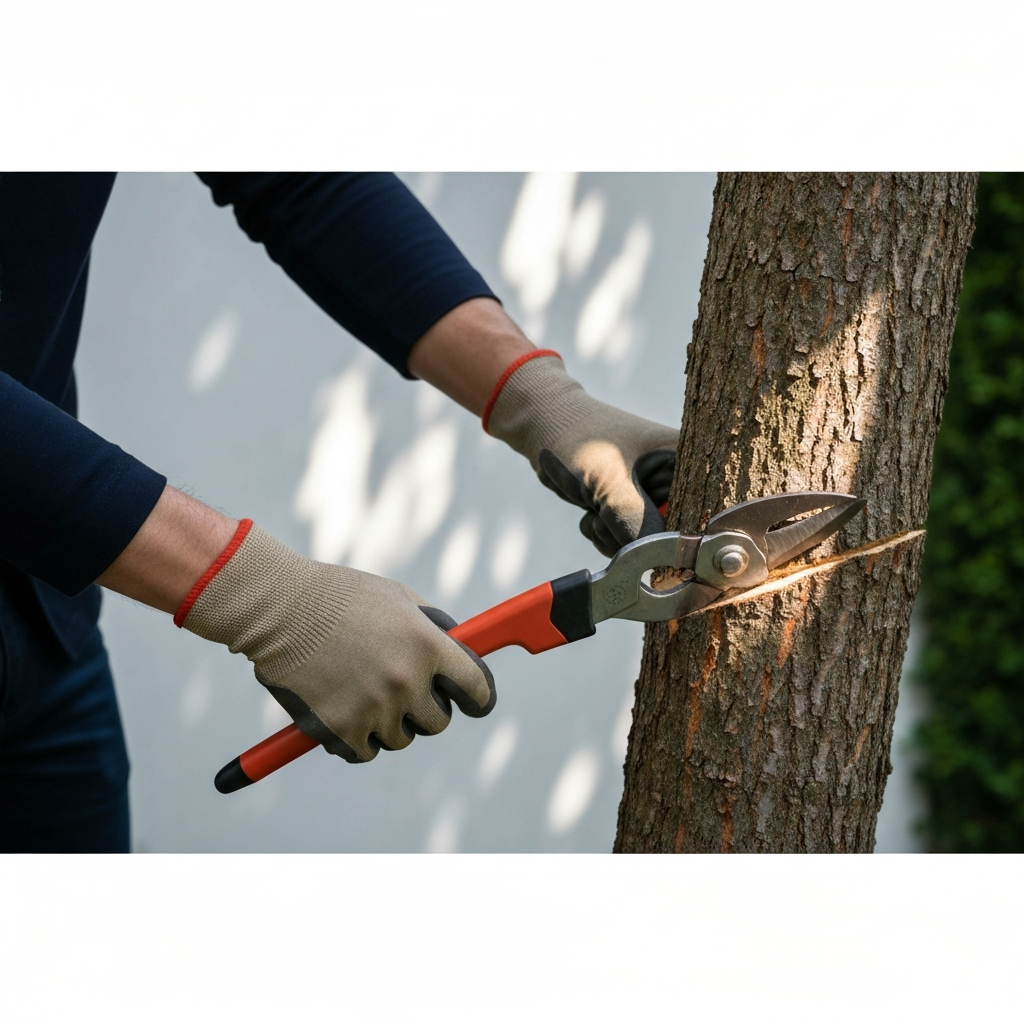
Armed with your plan, it's time to get your hands dirty. Start by clearing away any loose debris, such as fallen leaves, branches, and dead plants. This will make it easier to see what you're working with and prevent tripping hazards. Next, tackle the overgrowth. Use loppers, pruning shears, or a saw to cut back overgrown shrubs and trees. Work from the outside in, gradually removing unwanted growth. Be careful not to damage any plants you want to keep.
For large areas of weeds, consider using a weed whacker or a scythe. Alternatively, you can smother the weeds with cardboard or black plastic. This will take several weeks, but it's an effective way to kill them without using herbicides. When removing weeds, be sure to pull them out by the roots to prevent them from growing back. Composting the plant matter you remove is a great way to reduce waste and enrich your garden soil later on. Renting a wood chipper could be helpful for processing larger branches.
Step 3: Taming the Soil
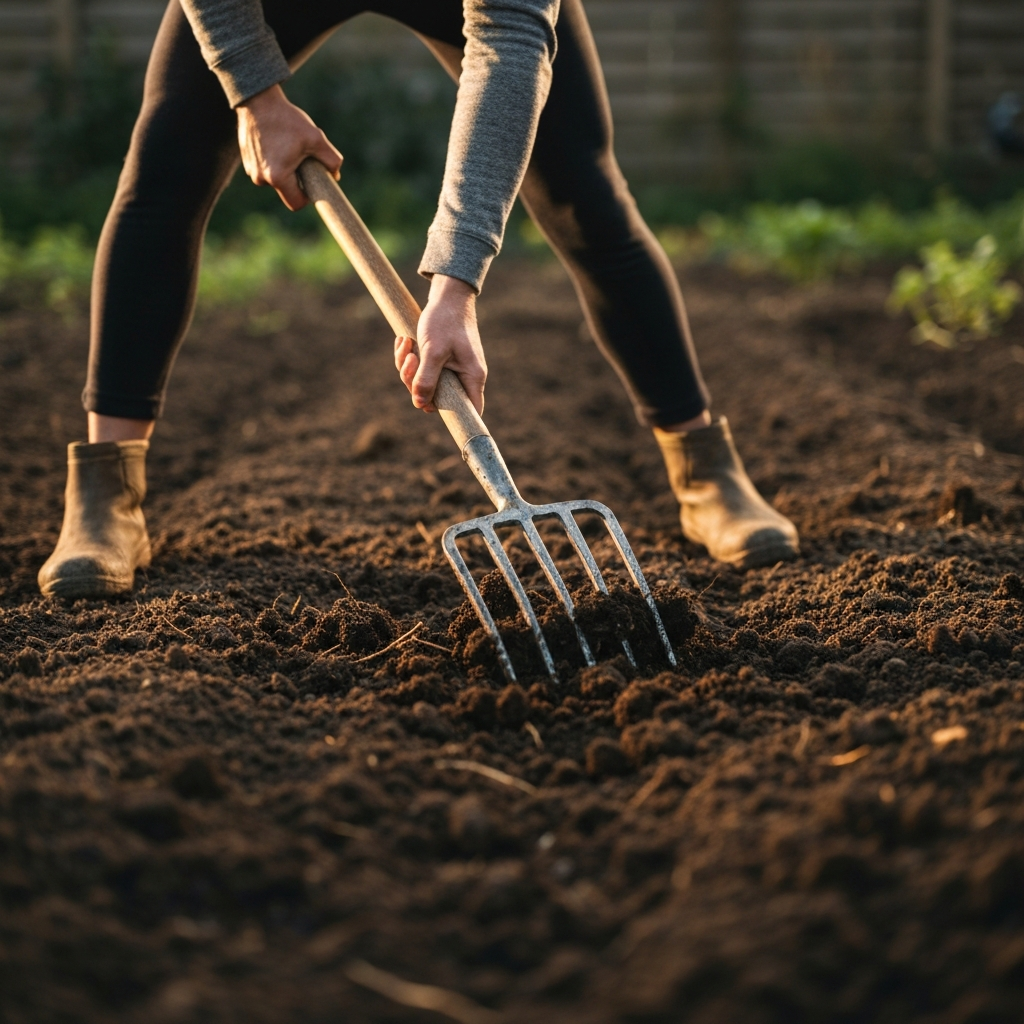
Once the debris and overgrowth are cleared, it's time to address the soil. Overgrown gardens often have compacted, nutrient-depleted soil that is not conducive to plant growth. Start by loosening the soil with a garden fork or tiller. Break up any large clumps and remove any rocks or roots. If the soil is very poor, consider amending it with compost, manure, or other organic matter.
A soil test can help you determine the pH and nutrient levels of your soil. This will allow you to make informed decisions about what amendments to add. Pay attention to drainage. If water pools in certain areas, you may need to improve drainage by adding sand or gravel. Raised garden beds can also be a good option for improving drainage and soil quality.
Step 4: Prune and Shape Existing Plants
Now that you've cleared the overgrowth, it's time to prune and shape the plants you want to keep. Pruning can improve the health and appearance of your plants, as well as encourage new growth. Remove any dead, diseased, or damaged branches. Shape the plants to your desired form, keeping in mind their natural growth habits.
Research the specific pruning requirements of each plant. Some plants, such as roses, need to be pruned heavily in the spring, while others, such as hydrangeas, should only be pruned lightly. Use sharp, clean pruning shears to make clean cuts. Avoid tearing or crushing the branches, as this can make them susceptible to disease. Proper pruning will allow sunlight to reach the inner parts of the plant and promote better air circulation.

Step 5: Design Your Oasis
With the garden cleared and the soil prepped, it's time to design your oasis. Consider the layout of your garden, the types of plants you want to grow, and any features you want to add, such as a patio, walkway, or water feature. Sketch out your design on paper or use a garden planning app. Think about how the different elements of your garden will work together to create a cohesive and inviting space.
Choose plants that are well-suited to your climate, soil, and light conditions. Consider the size and shape of the plants at maturity. Group plants with similar needs together to make watering and fertilizing easier. Add some focal points to your garden, such as a beautiful tree, a striking sculpture, or a colorful flower bed. Don't be afraid to experiment with different textures, colors, and heights to create visual interest.

Step 6: Planting and Mulching
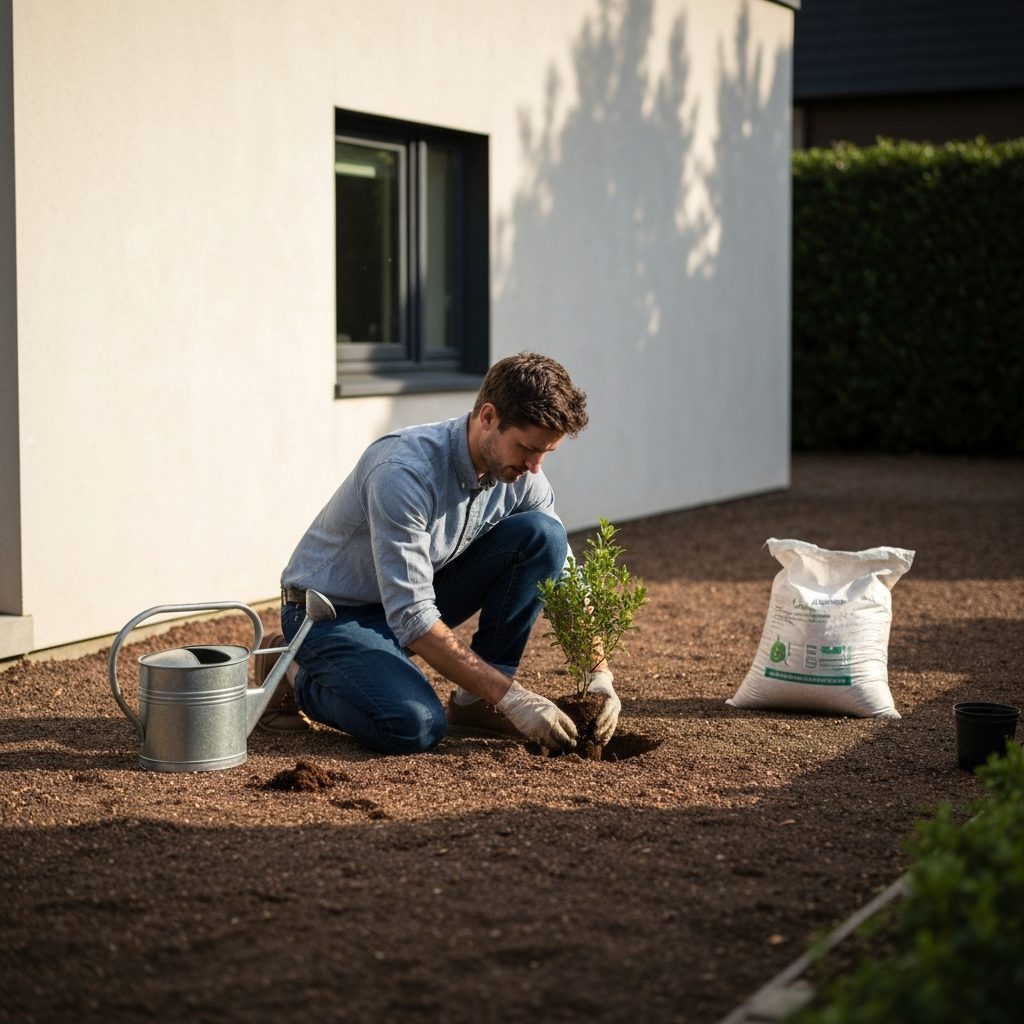
Now for the fun part: planting! Choose high-quality plants from a reputable nursery. Dig holes that are slightly larger than the root balls of the plants. Gently loosen the roots before planting. Place the plants in the holes and backfill with soil. Water thoroughly after planting. Add a layer of mulch around the plants to help retain moisture, suppress weeds, and regulate soil temperature.
Organic mulches, such as wood chips, shredded bark, or straw, will also break down over time and enrich the soil. Be careful not to pile mulch up against the stems of the plants, as this can cause them to rot. Water new plants regularly until they are established. Fertilize as needed, following the instructions on the fertilizer label.
Step 7: Maintenance and Enjoyment
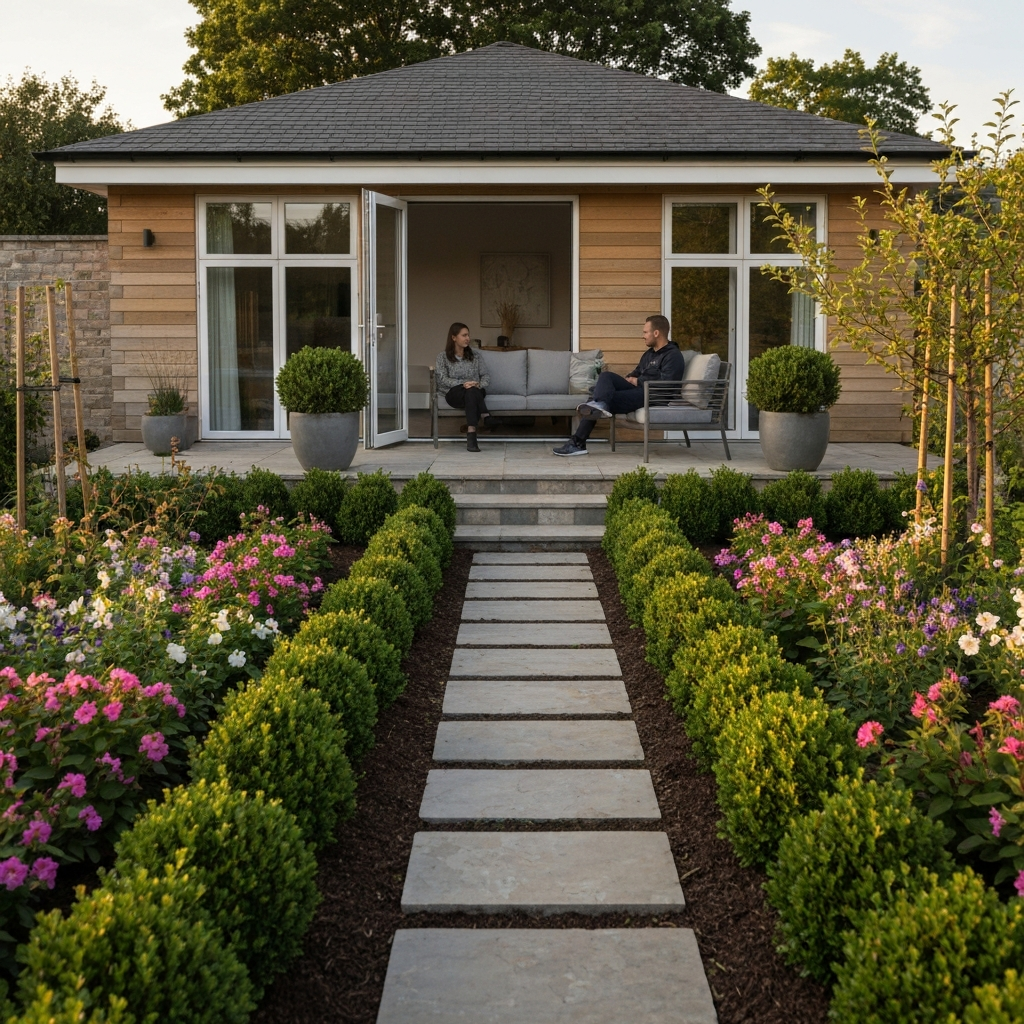
Your garden oasis is now complete! But the work doesn't stop here. Regular maintenance is essential to keep your garden looking its best. Water, weed, and fertilize as needed. Prune plants to maintain their shape and remove any dead or diseased growth. Monitor for pests and diseases and take action to control them. Most importantly, take time to enjoy your garden. Relax in your outdoor space, invite friends over, and appreciate the beauty of nature.
Remember that gardening is a learning process. Don't be afraid to experiment and try new things. With a little effort and dedication, you can create a garden that is both beautiful and fulfilling. Enjoy your outdoor paradise!
Tools or Materials Required
- Gardening Gloves
- Loppers
- Pruning Shears
- Saw
- Weed Whacker or Scythe
- Garden Fork or Tiller
- Compost, Manure, or Other Organic Matter
- Soil Testing Kit
- Plants
- Mulch
- Watering Can or Hose
- Fertilizer
Common Mistakes to Avoid
- Trying to do too much at once.
- Not assessing the situation properly.
- Damaging plants you want to keep.
- Not improving the soil.
- Planting the wrong plants for your climate or soil.
- Not watering or fertilizing properly.
- Neglecting maintenance.
Safety Considerations
- Wear appropriate clothing, including gloves, eye protection, and sturdy shoes.
- Use tools safely and follow the manufacturer's instructions.
- Be aware of your surroundings and watch out for hazards, such as uneven ground or sharp objects.
- Avoid working in extreme heat or cold.
- Stay hydrated and take breaks when needed.
Pro Tips
- Start small and focus on one area at a time.
- Take before and after photos to track your progress.
- Don't be afraid to ask for help from friends, family, or professional gardeners.
- Consider hiring a professional for tasks that are beyond your skill level.
- Join a local gardening club for support and inspiration.
FAQ Section
- How long will it take to transform my overgrown garden?
- The time it takes will depend on the size and condition of your garden, as well as your skill level and the amount of time you can dedicate to the project. It could take anywhere from a few weeks to several months.
- What is the best way to kill weeds?
- There are several ways to kill weeds, including pulling them by hand, using herbicides, or smothering them with cardboard or black plastic. The best method will depend on the type of weeds and the size of the infestation. Always prioritize organic methods when possible.
- How often should I water my plants?
- The frequency of watering will depend on the type of plants, the climate, and the soil conditions. As a general rule, water deeply and less often, rather than shallowly and frequently. Check the soil moisture before watering to avoid overwatering. Morning is the best time to water.
- How do I improve drainage in my garden?
- You can improve drainage by adding sand or gravel to the soil, creating raised garden beds, or installing drainage pipes.
Conclusion
Conquering your garden jungle and transforming it into a thriving oasis is a rewarding journey. By following these steps, you can reclaim your outdoor space and create a garden that you'll enjoy for years to come. Remember to assess, clear, amend, plan, plant, and maintain. Happy gardening!