Sour cream, that tangy and creamy condiment, is a staple in many kitchens. From topping tacos to enriching baked goods, it adds a delightful zest to various dishes. However, like all dairy products, sour cream has a limited shelf life. Knowing when your sour cream has turned is crucial for preventing unpleasant tastes and potential foodborne illnesses. But with its naturally sour aroma, distinguishing good sour cream from bad can be tricky.
This comprehensive guide will walk you through the telltale signs of spoiled sour cream, ensuring you can confidently discern whether that tub in your refrigerator is safe to use or needs to be tossed. We’ll cover everything from visual cues to olfactory hints and even, as a last resort, a taste test. By the end, you'll be a sour cream safety expert!
Don't let the fear of spoilage keep you from enjoying this versatile ingredient. With a little knowledge, you can keep your dishes delicious and your stomach happy.
Step 1: Check the Expiration Date (But Don't Rely Solely On It)
The first thing you should always do is check the "sell-by" or "use-by" date printed on the container. This date is a general guideline, not a strict deadline. Sour cream can often be safe to consume for a week or two beyond this date, provided it's been stored properly. However, if the date has passed by a significant margin (more than two weeks), proceed with extra caution and rely more on the other indicators in this guide. Remember, the date is just a starting point, and visual and olfactory cues are often more reliable.
Step 2: Visually Inspect the Sour Cream
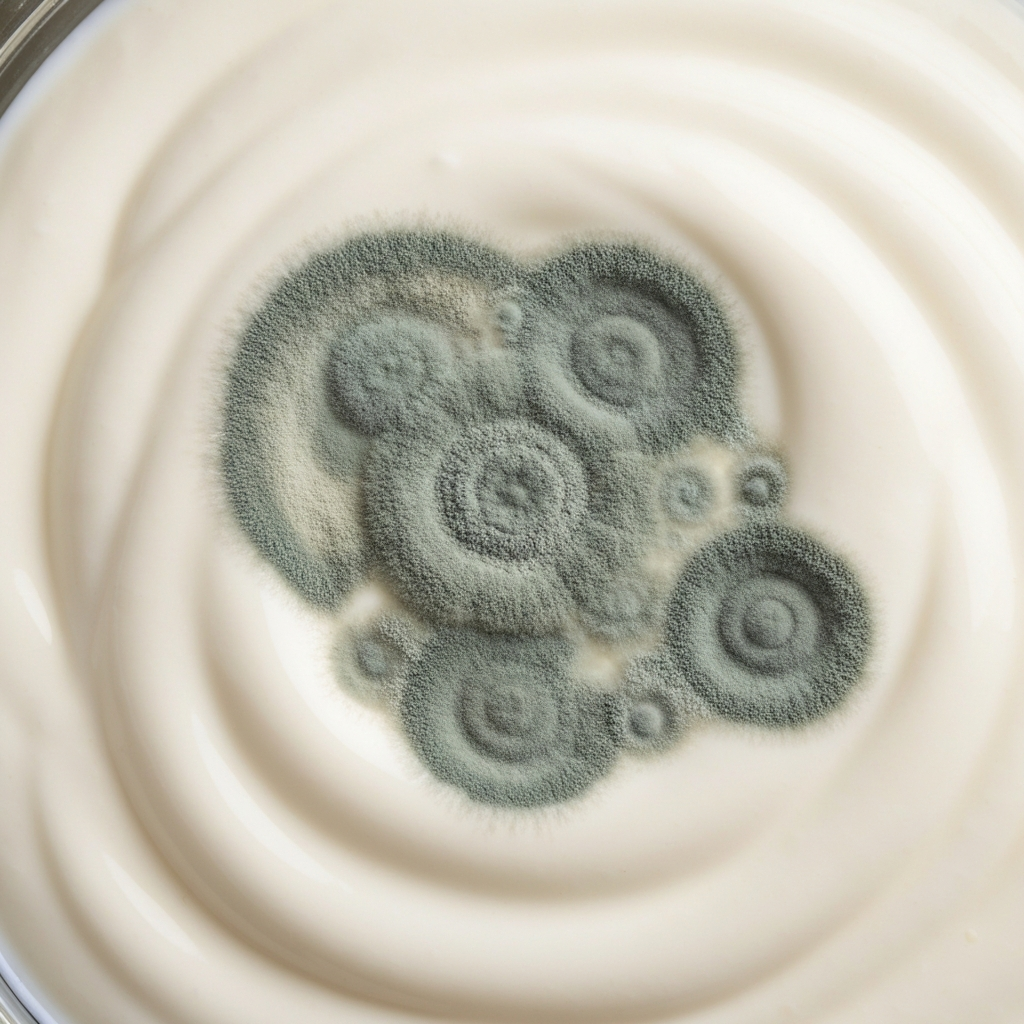
Appearance is often the first and most obvious indicator of spoilage. Healthy sour cream should be a smooth, creamy white color. Look for any signs of discoloration, such as yellowing, green spots, or any other unusual hues. Mold, even small spots, is a definite red flag, indicating that the entire container is contaminated and should be discarded immediately. Also, check for signs of curdling or excessive liquid separation, though a small amount of clear liquid (whey) on the surface is normal and can simply be stirred back in.
Step 3: Give It a Sniff Test
Sour cream, by its nature, has a slightly tangy or sour smell. However, a strong, unpleasant, or rancid odor is a clear sign of spoilage. If the sour cream smells excessively sour, cheesy, or even yeasty, it's likely gone bad. Trust your nose! If the smell makes you hesitate, it's best to err on the side of caution and discard it. Sometimes, even without visible signs of spoilage, the odor can be a dead giveaway.
Step 4: Examine the Texture
The texture of sour cream should be smooth and creamy. A slimy or excessively watery consistency is a sign that bacteria have been at work. Also look for any signs of graininess or lumps that aren't normally present. If the sour cream appears separated and doesn't return to a smooth consistency when stirred, it's likely spoiled. Remember, while a small amount of whey is normal, a significant change in texture is not.
Step 5: The Last Resort: A Tiny Taste Test
If you've carefully considered the appearance, smell, and texture and are still unsure, you can perform a taste test – but only as a last resort and only with a very small amount. Use a clean spoon to take a tiny sample and taste it. Spoiled sour cream will have a distinctly sour, bitter, or rancid taste that is far more pronounced than its normal tangy flavor. If it tastes off in any way, discard the entire container immediately. Important safety note: If you have any doubts or if the sour cream is significantly past its expiration date, skip the taste test altogether to avoid potential food poisoning.
Safety Considerations
Food poisoning from spoiled dairy products can cause unpleasant symptoms such as nausea, vomiting, and diarrhea. While most cases are mild and resolve on their own, it's best to avoid the risk altogether. Always prioritize safety when dealing with potentially spoiled food. When in doubt, throw it out!
Common Mistakes to Avoid
- Using a dirty spoon: Always use a clean spoon when scooping sour cream to avoid introducing bacteria.
- Leaving the container open: Properly seal the container after each use to prevent contamination and drying out.
- Storing at the wrong temperature: Keep sour cream refrigerated at a consistent temperature below 40°F (4.4°C).
- Ignoring the signs: Don't rely solely on the expiration date; pay attention to visual and olfactory cues.
Pro Tips
- Store sour cream upside down in the refrigerator. This creates a tighter seal and helps prevent spoilage.
- Consider buying smaller containers of sour cream if you don't use it frequently to minimize waste.
- Some brands offer squeezable pouches of sour cream, which can help minimize air exposure and extend shelf life.
FAQ Section
- How long does sour cream typically last after opening?
- Sour cream usually lasts for 1-3 weeks after opening, provided it's stored properly in the refrigerator.
- Can I freeze sour cream?
- Yes, you can freeze sour cream, but the texture will change. It may become more watery after thawing, so it's best used in cooked dishes where the texture is less critical.
- Is it safe to eat sour cream with a little bit of liquid on top?
- Yes, a small amount of clear liquid (whey) on the surface is normal and safe to eat. Simply stir it back into the sour cream.
- What's the best way to store sour cream to keep it fresh longer?
- Store it upside down in the refrigerator, ensuring the lid is tightly sealed. You can also try covering the surface with plastic wrap before replacing the lid to minimize air exposure.
Conclusion
Determining whether sour cream has gone bad involves a multi-sensory approach. By carefully examining the appearance, smell, and texture, and performing a taste test only when necessary and safe, you can confidently decide whether to use or discard that tub of sour cream in your fridge. Remember, when in doubt, it's always best to err on the side of caution and throw it out to avoid potential foodborne illnesses. Enjoy your tangy topping with peace of mind!