The letter "U" might not be the most common starting point for food names, but a surprising variety of delicious dishes, ingredients, and culinary delights begin with it. From savory main courses to sweet treats and exotic fruits, exploring "U" foods unveils a diverse and often overlooked world of flavors. This guide will navigate you through this unique culinary landscape, offering insights, recipes, and tips to enhance your gastronomic adventures.
Whether you're a seasoned chef or simply curious about expanding your palate, this comprehensive exploration of foods that start with "U" provides a fascinating glimpse into global cuisines. Prepare to discover familiar favorites and uncover hidden gems, each offering a unique taste and cultural significance. Let's embark on this flavorful journey together!
This guide will cover main dishes, snacks, fruits, vegetables, desserts, and even spices and condiments starting with "U".
Step 1: Exploring Main Dishes That Begin With "U"
Udon: A Japanese Noodle Delight
Udon noodles are thick, chewy wheat noodles that form the heart of many comforting Japanese dishes. Typically served in a hot broth, udon soup features a variety of toppings like tempura, scallions, and fish cakes. The neutral flavor of the noodles makes them incredibly versatile, absorbing the flavors of the broth and accompanying ingredients. From the simple elegance of Kake Udon to the rich depth of Curry Udon, there's an udon variety to suit every taste.
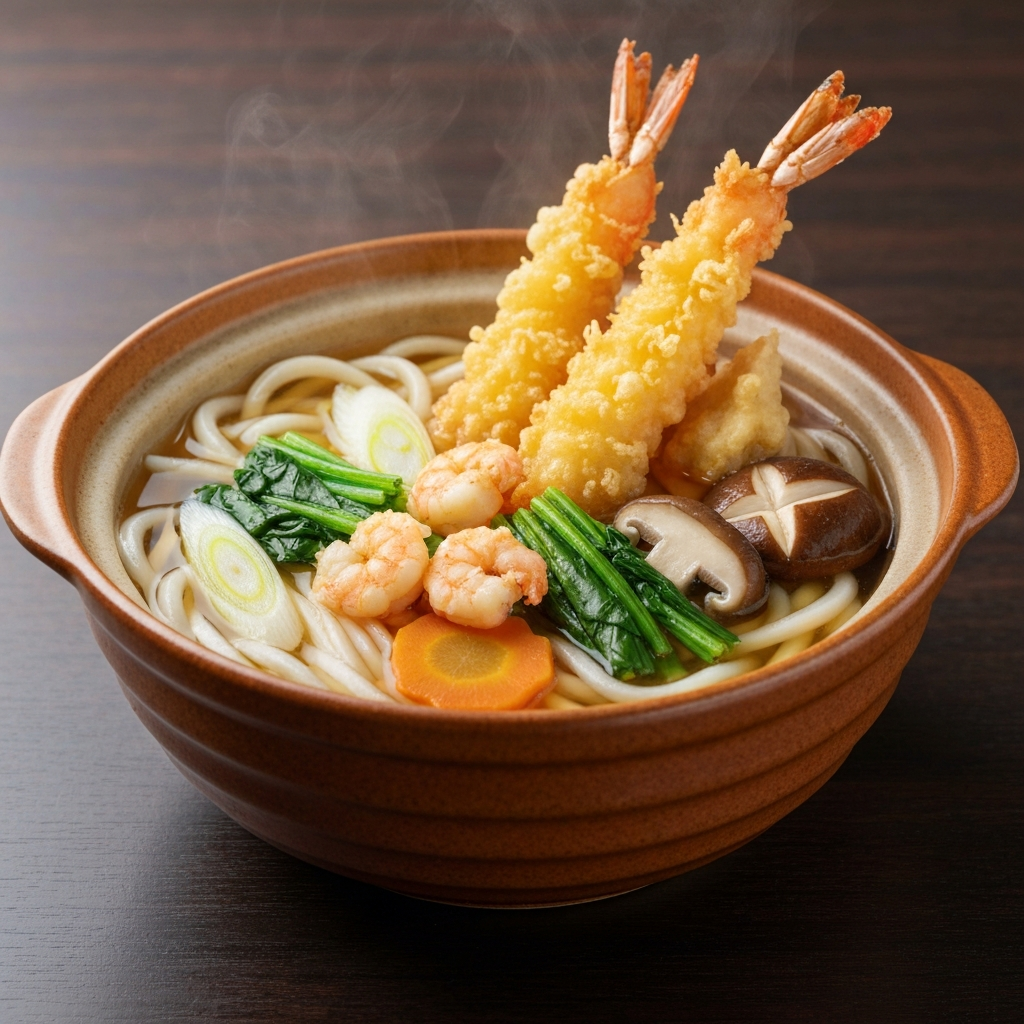
When preparing udon, be careful not to overcook the noodles, as they can become mushy. Fresh udon offers the best texture, but dried udon is a convenient alternative. Experiment with different broths and toppings to create your own unique udon masterpiece. Difficulty: Easy. Time Estimate: 20-30 minutes.
Step 2: Unveiling Snacks and Side Dishes Starting with "U"
Ugali: A Staple Food of East Africa
Ugali is a staple food in many East African countries, including Kenya, Tanzania, and Uganda. It's a dense, dough-like porridge made from maize flour (cornmeal) and water. Ugali is traditionally eaten with stews, vegetables, or grilled meats, serving as a neutral base to complement the richer flavors of the accompanying dishes. The simplicity of ugali belies its importance as a source of sustenance and cultural identity.
The key to making good ugali is to use the correct ratio of maize flour to water and to stir continuously to prevent lumps from forming. The texture should be firm but not dry. While traditionally made with white maize flour, you can also find ugali made with yellow maize flour, which has a slightly sweeter taste. It's a filling and affordable option.
Step 3: Discovering Fruits and Vegetables That Start With "U"
Ugli Fruit: A Tangy Citrus Hybrid
Ugli fruit is a unique citrus hybrid originating from Jamaica. It's believed to be a cross between a grapefruit, orange, and tangerine. The name "Ugli" refers to its somewhat unattractive appearance, with a wrinkled, loose skin that is often marked with blemishes. However, don't let its looks deceive you – the flesh is juicy, sweet, and tangy, with a flavor profile that is less acidic than grapefruit but more complex than an orange.

When selecting Ugli fruit, choose fruits that feel heavy for their size and have a slight give when pressed. The skin should be mostly orange or yellow. Ugli fruit is delicious eaten fresh, but it can also be used in salads, juices, and marmalades. Try it! Cost: Can be more expensive due to its relative rarity.
Step 4: Indulging in Sweets, Desserts, and Drinks That Begin With "U"
Umeshu: A Japanese Plum Liqueur
Umeshu is a traditional Japanese liqueur made by steeping unripe plums (ume) in shochu (a distilled spirit) and sugar. The plums impart a sweet and tart flavor to the liqueur, which can be enjoyed straight, on the rocks, or mixed into cocktails. Umeshu is often enjoyed as an aperitif or digestif, and it's a popular ingredient in Japanese cuisine.
Making your own umeshu is a relatively simple process, but it requires patience. The plums need to steep for several months to fully infuse the alcohol with their flavor. Different varieties of plums and types of shochu can be used to create unique variations of umeshu. It's important to only use unripe, green plums, as ripe plums will ferment and spoil the liqueur. Safety Consideration: Use only food-grade alcohol.
Step 5: Spices and Condiments Starting With "U"
Urfa Biber: A Turkish Chili Pepper
Urfa Biber, also known as Isot pepper, is a Turkish chili pepper with a unique smoky, raisin-like flavor. It undergoes a special drying process where it is sun-dried during the day and wrapped at night to retain moisture. This process gives Urfa Biber its characteristic dark color and complex flavor profile. It has a moderate heat level and is often used in Middle Eastern and Mediterranean cuisine.
Urfa Biber can be used as a finishing spice on grilled meats, vegetables, and salads. It can also be added to stews, soups, and sauces to enhance their flavor. Be mindful of the heat level, as it can vary depending on the batch. Store Urfa Biber in an airtight container away from heat and light to preserve its flavor.
Common Mistakes to Avoid
- Overcooking Udon Noodles: This results in a mushy texture. Cook until al dente.
- Lumpy Ugali: Insufficient stirring or incorrect maize flour to water ratio leads to lumps.
- Using Ripe Plums for Umeshu: This will cause fermentation and spoilage. Only use unripe, green plums.
FAQ Section
Q: Where can I find Ugli fruit?
A: Ugli fruit is often available at specialty grocery stores or citrus fruit vendors, especially during the winter months.
Q: Can I substitute dried udon noodles for fresh ones?
A: Yes, dried udon noodles are a convenient substitute, but the texture will be slightly different. Follow the package instructions for cooking time.
Q: How long does it take to make Umeshu?
A: The plums need to steep for at least six months, but it's best to wait a year or longer for optimal flavor.
Conclusion
Exploring foods that start with "U" reveals a surprisingly diverse and fascinating culinary landscape. From the comforting simplicity of Udon to the exotic tanginess of Ugli fruit and the complex flavors of Urfa Biber, there's a "U" food to satisfy every palate. By understanding their unique characteristics and preparation methods, you can expand your culinary horizons and enjoy a world of flavors that you might have otherwise overlooked.