Food is far more than mere sustenance; it's an intimate reflection of who we are. Our culinary preferences, from the everyday comfort foods to the exotic dishes we crave, paint a vivid portrait of our personality, values, and perhaps even our deepest desires. The Favorite Food Analyzer is a fun, interactive tool designed to offer insights into your character based solely on your go-to meal or snack.
This guide will walk you through the process of using the Favorite Food Analyzer, interpreting the results, and understanding the potential connections between your favorite food and your personality. We'll explore how to input your favorite dish, analyze the output, and consider the broader implications of these culinary connections. Are you ready to uncover the delicious truth about yourself? Let's dive in!
Whether you're a seasoned foodie or simply curious about the psychology of taste, this guide provides a step-by-step approach to unlock the hidden messages within your favorite food. Get ready for a flavorful journey of self-discovery!
Step 1: Locating the Favorite Food Analyzer
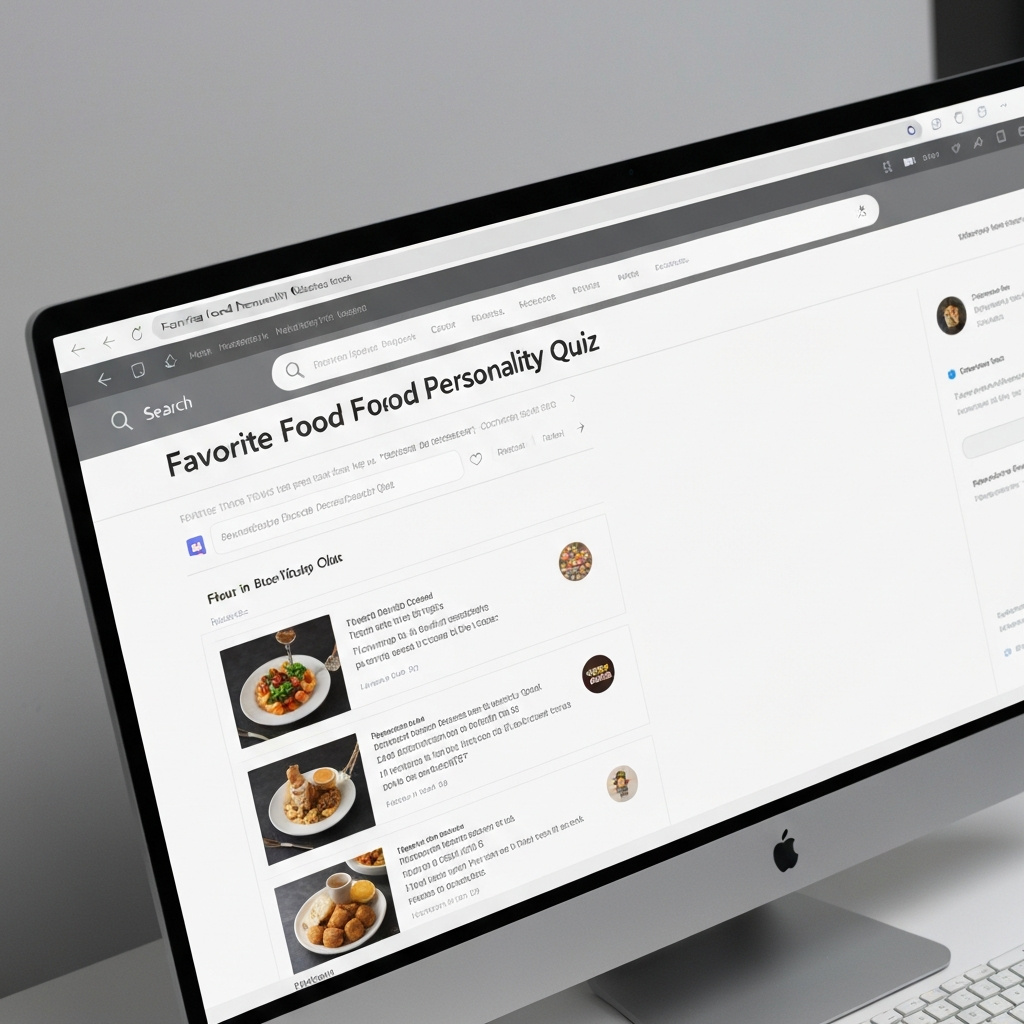
The first step is, naturally, finding the Favorite Food Analyzer. These types of tools are typically found on websites specializing in quizzes, personality tests, or lifestyle content. A quick search engine query such as "Favorite Food Personality Quiz" or "Food Preference Analyzer" should lead you to a suitable option. Many of these analyzers are free to use, but be wary of sites that require excessive personal information or payment upfront.
Step 2: Identifying the Input Field
Once you've landed on the Analyzer page, your next task is to locate the input field. This is where you'll enter your favorite food. The field is usually prominently displayed, often labeled clearly as "What is your favorite food?", "Enter your favorite dish," or something similar. Be sure the field allows free text input rather than multiple-choice options, as a more personalized answer will yield more interesting results. The field may be a simple text box or, in some cases, a dropdown menu populated with pre-defined options. If it's a dropdown, look for an "Other" option to type in your custom choice.
Step 3: Entering Your Favorite Food
Now comes the crucial part: entering your favorite food. This might seem straightforward, but consider being as specific as possible. Instead of just "Pizza," maybe specify "Pepperoni Pizza with extra cheese." The more detailed your answer, the more nuanced the analysis might be. Avoid generic answers like "anything" or "food," as the analyzer won't be able to generate a meaningful result. Be truthful! Choosing a food you think will give you a desirable result defeats the purpose of honest self-discovery. It takes roughly 1-2 minutes to settle on a great answer.
Step 4: Initiating the Analysis
After entering your favorite food, look for a button to initiate the analysis. Common labels include "Analyze My Choice," "Submit," "Get Results," or similar calls to action. Click this button to send your input to the analyzer. Be patient; depending on the complexity of the algorithm behind the analyzer, it may take a few seconds for the results to load. A loading animation or progress bar might appear during this time.
Step 5: Interpreting the Results
Once the analysis is complete, the results will be displayed. These results typically consist of a paragraph or two describing personality traits associated with your chosen food. For example, if you entered "Spicy Curry," the results might suggest you're adventurous, passionate, and enjoy taking risks. Remember that these are just generalized interpretations and should be taken with a grain of salt. Don't get too hung up on whether they perfectly align with your self-perception; consider them as potential insights or fun observations.
Step 6: Considering the Context and Limitations
It's crucial to remember that these analyzers are primarily for entertainment. While they can offer interesting perspectives, they are not scientifically validated personality assessments. Consider the source of the analyzer; is it a reputable website or a random online quiz? The accuracy and depth of the analysis will vary greatly. Don't base important life decisions on the results. Instead, use them as a conversation starter or a fun way to reflect on your personality. Keep in mind cultural differences in food preferences and interpretations of personality traits.
Common Mistakes to Avoid
- Generic Answers: Providing overly broad responses like "Anything" or "I like all food" will yield meaningless results. Be specific!
- Trying to Game the System: Choosing a food you think will give you a desired outcome instead of your true favorite.
- Taking the Results Too Seriously: Remember, this is for fun! Don't let the results define you or impact your self-esteem negatively.
Pro Tips
- Experiment with Different Foods: Try entering different favorite foods and compare the results.
- Share with Friends: See if their results align with their personalities and spark interesting discussions.
- Look for Patterns: If you consistently get similar personality descriptions across different food choices, it might reveal underlying preferences.
FAQ Section
- Q: Are these analyzers scientifically accurate?
- A: No, these analyzers are primarily for entertainment purposes and should not be considered scientifically valid personality assessments.
- Q: What if the results don't match my personality?
- A: That's perfectly normal! The results are generalized interpretations and may not perfectly reflect your individual traits. Consider them as potential insights rather than definitive statements.
- Q: Can I use this to learn more about someone else?
- A: You can, but remember that it's based on a single data point (their favorite food). It's best used as a conversation starter rather than a definitive analysis of their character.
Conclusion
The Favorite Food Analyzer offers a lighthearted and intriguing way to explore the potential connections between your culinary preferences and your personality. By following these steps, you can effectively use these tools, interpret the results with a critical eye, and gain a fun perspective on yourself. Remember to treat the results as entertainment and enjoy the delicious journey of self-discovery!