Let's face it, hostel and dorm food isn't exactly known for its gourmet qualities. Often bland, repetitive, and occasionally questionable in texture, it can be a real challenge to eat nutritiously and enjoy your meals. But before you resign yourself to a diet of instant noodles, there are simple and effective strategies you can employ to significantly improve the taste and overall experience of your dining hall fare.
This guide provides actionable steps, practical tips, and a little culinary creativity to help you transform even the most uninspired meal into something satisfying and even enjoyable. From strategic seasoning to building a personalized flavor arsenal, we'll cover everything you need to know to conquer the culinary challenges of dorm life. Your taste buds (and your wallet) will thank you!
Remember, the key is to be resourceful, adaptable, and willing to experiment. So, grab your spork and let's get started!
Step 1: Embrace the Power of Pickles
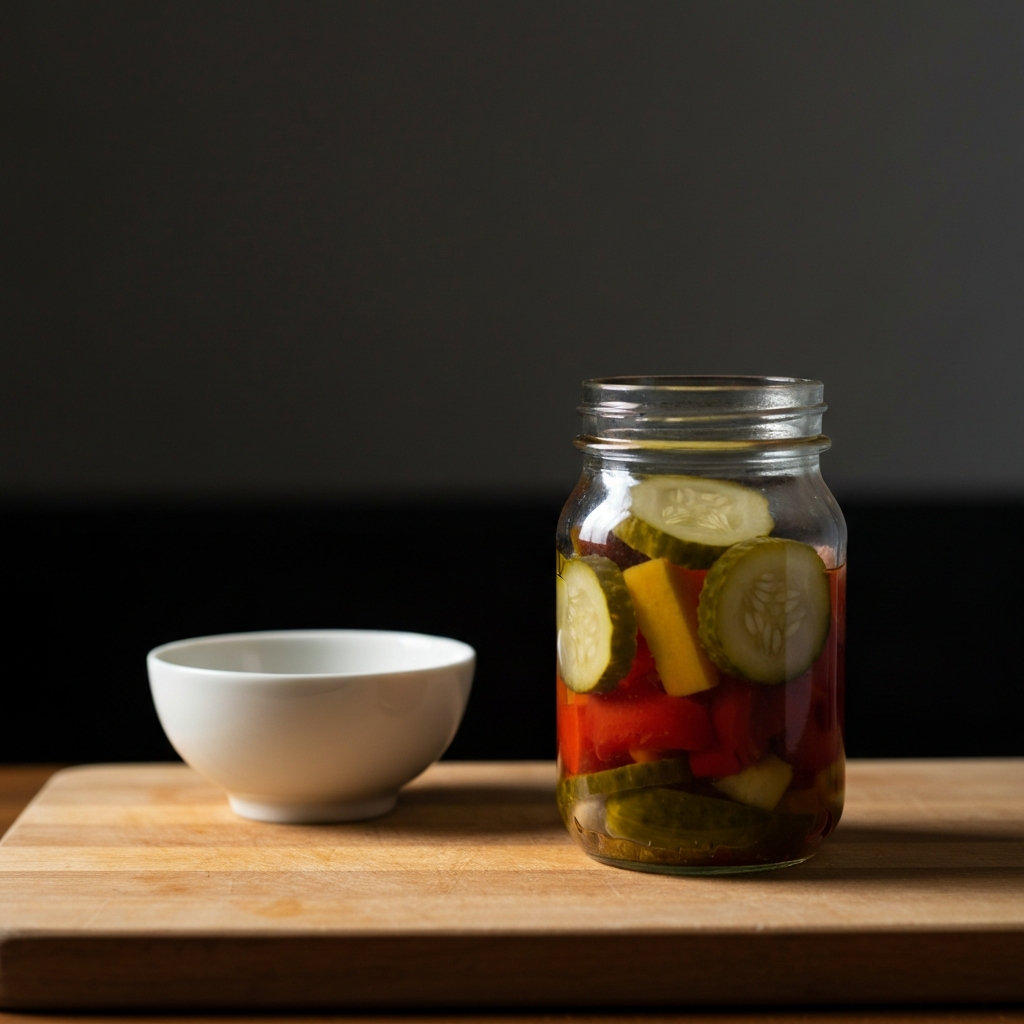
Pickles are a game-changer. These tangy, salty, and often spicy preserved vegetables can add a much-needed burst of flavor to otherwise bland dishes. Whether it's a classic dill pickle, a spicy kimchi, or a sweet bread and butter pickle, a small serving can elevate a plate of plain rice, dal, or a simple curry. The acidity cuts through richness and adds complexity. Don't underestimate the power of a good pickle!
Step 2: Unlock Flavor with Podis (Gunpowders)
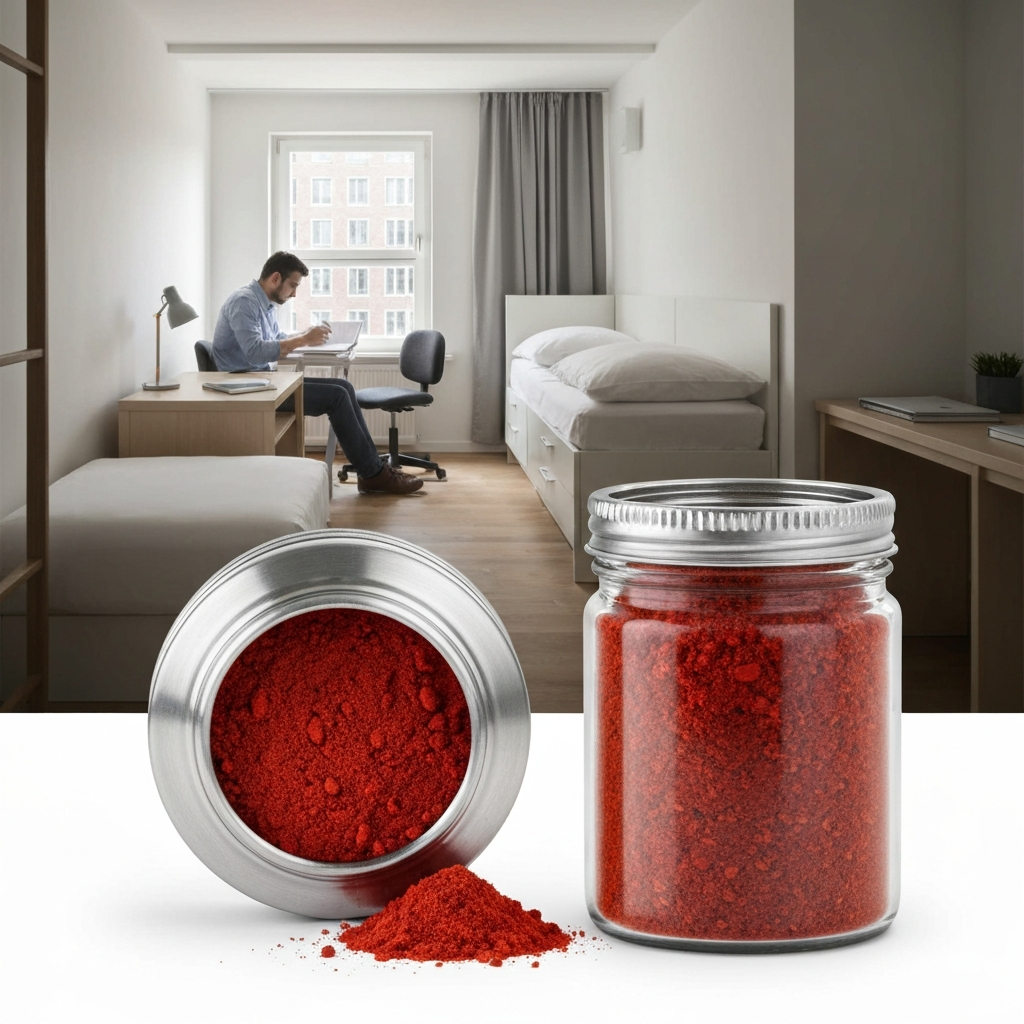
Podis, also known as gunpowders, are South Indian spice blends that can transform any dish with a sprinkle of their vibrant flavors. These mixtures, often containing lentils, spices, and sometimes nuts, are incredibly versatile. A dash of podi can instantly upgrade a curry, dal, or even a simple plate of rice. Look for variations containing garlic, curry leaves, or sesame seeds for different flavor profiles. Experiment to find your favorite!
Step 3: Butter Up Your Meals
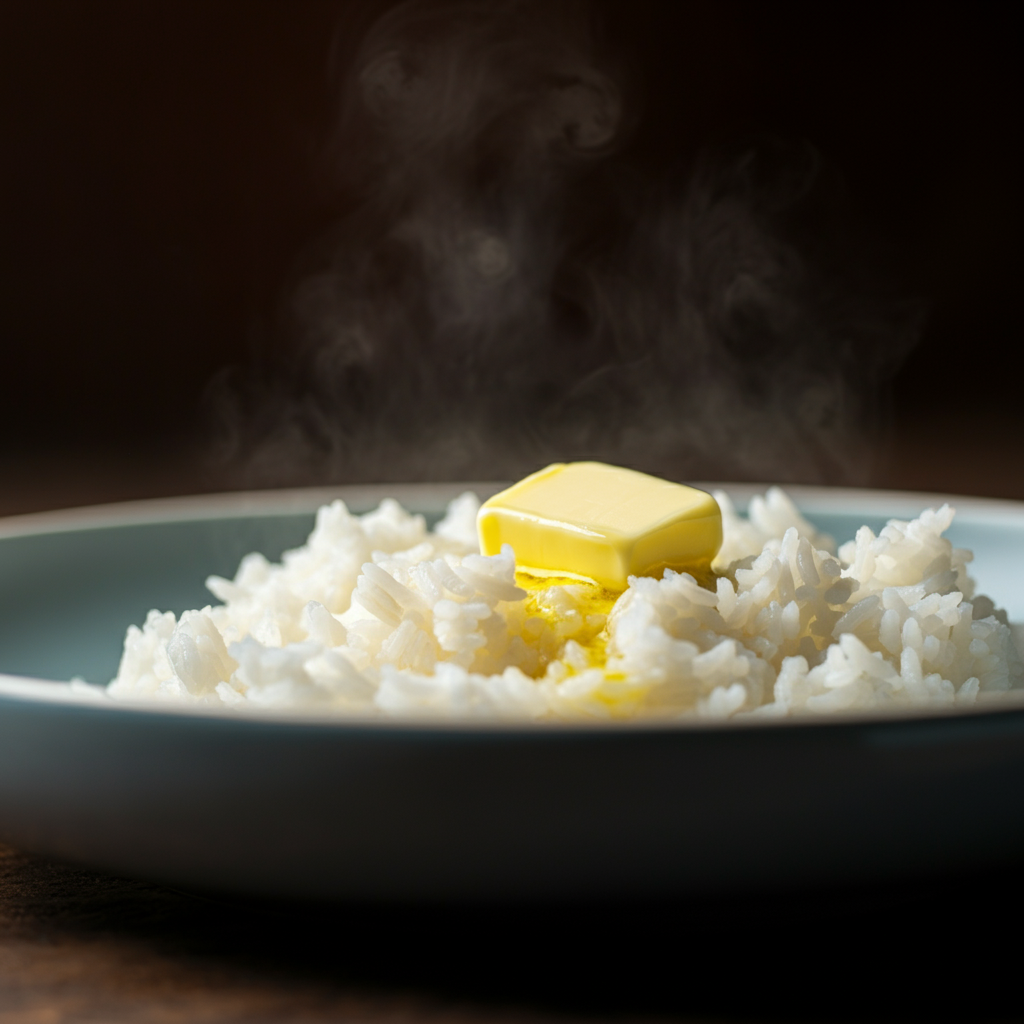
A little butter, or even better, ghee (clarified butter), can add richness and depth to your food. Ghee has a nutty flavor that enhances many dishes. A pat of butter on rice, toast, or even mixed into a simple soup can make it more satisfying and palatable. Toasting sandwiches with butter will make them irresistible, and a small knob of butter stirred into noodles can prevent them from sticking together and add a velvety texture.
Step 4: Befriend Jams, Ketchup, and Spreads
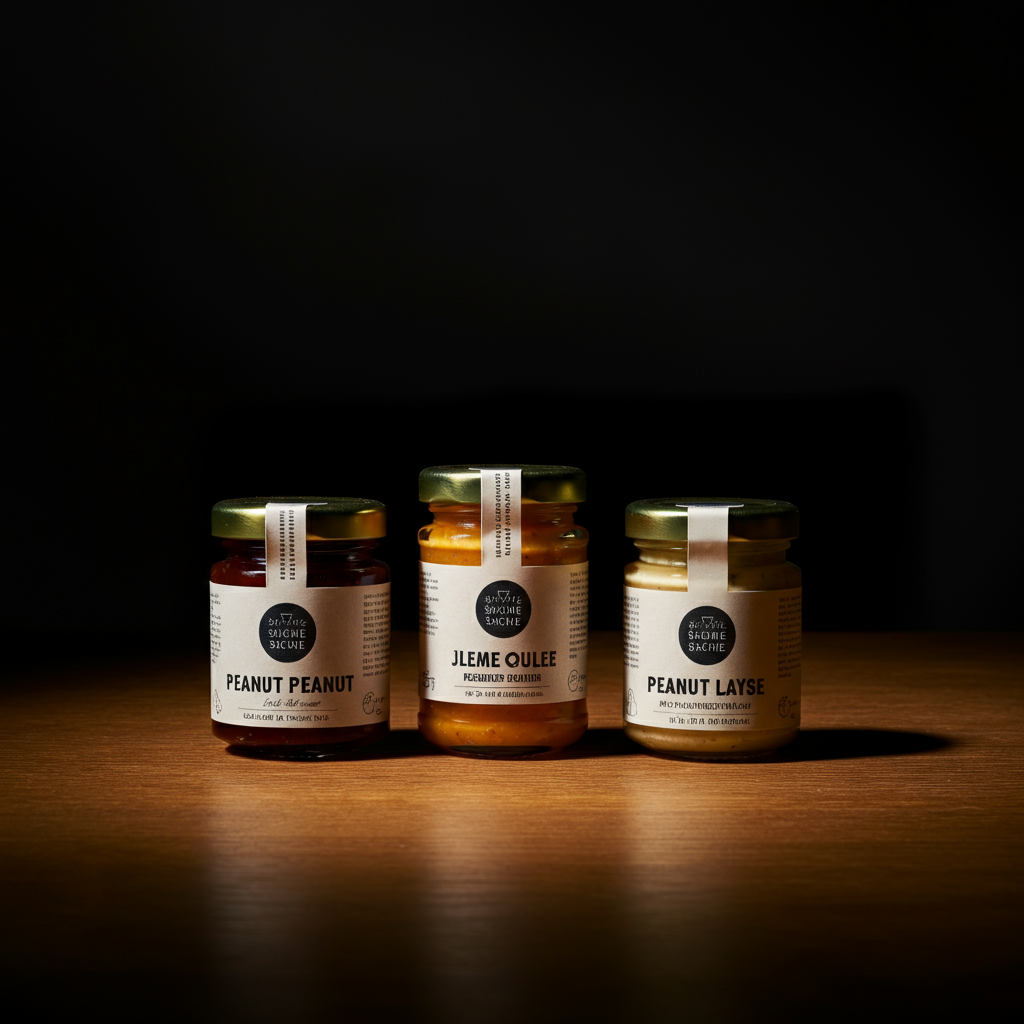
When options are limited, and you're faced with endless bread or simple chapattis, jams, ketchup, and spreads can be your culinary saviors. A swipe of peanut butter, a dollop of jam, or a squirt of ketchup can add much-needed flavor and variety. Consider stocking a range of options, from sweet to savory, to suit different moods and meals. Don't forget hummus or other bean-based spreads for a healthier alternative.
Step 5: Curd (Yogurt) to the Rescue
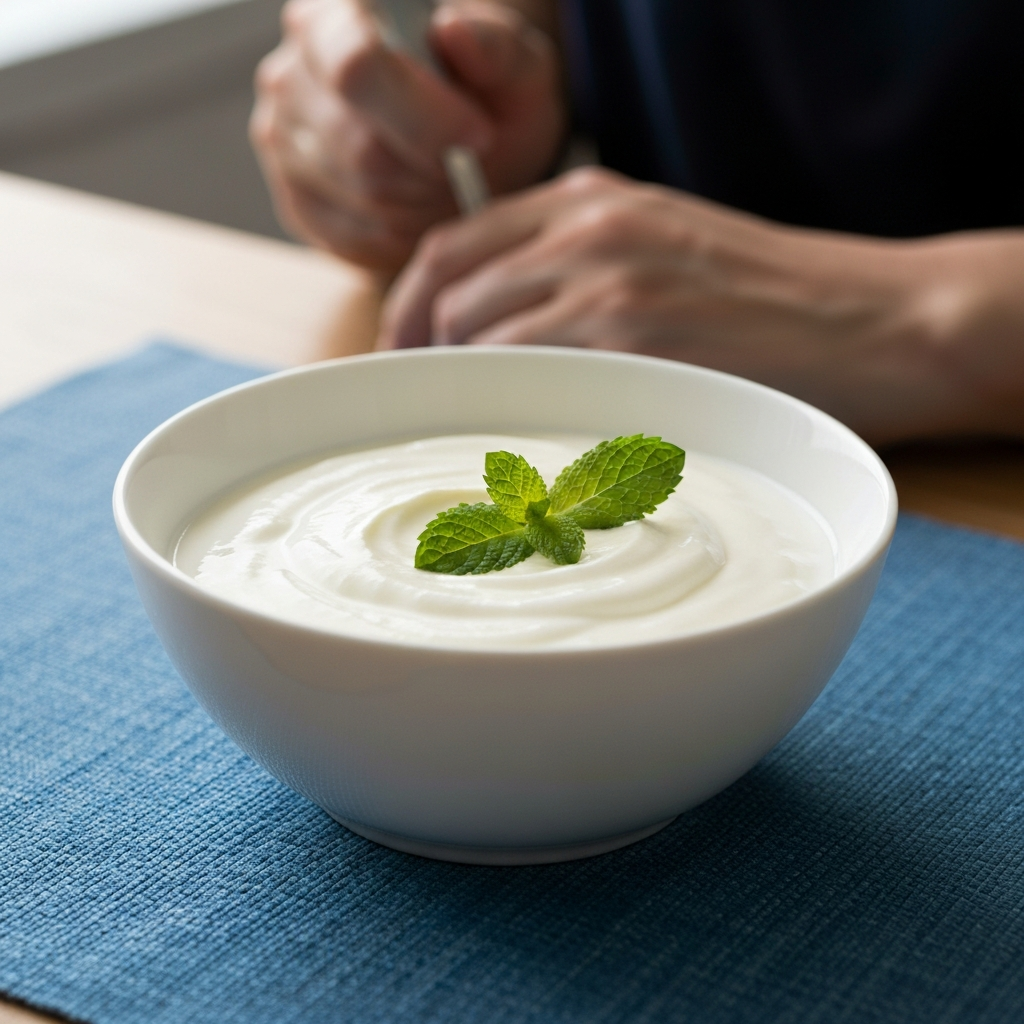
If you enjoy yogurt, it's a fantastic addition to your dorm food arsenal. A spoonful of curd not only adds a creamy, cooling element to spicy dishes but also aids digestion. Opt for plain yogurt to avoid added sugars and artificial flavors. You can even add a pinch of salt, pepper, or a sprinkle of spices to customize the flavor. It's also a healthy and satisfying snack on its own.
Step 6: Crunch Time: Adding Texture with Chips and Snacks
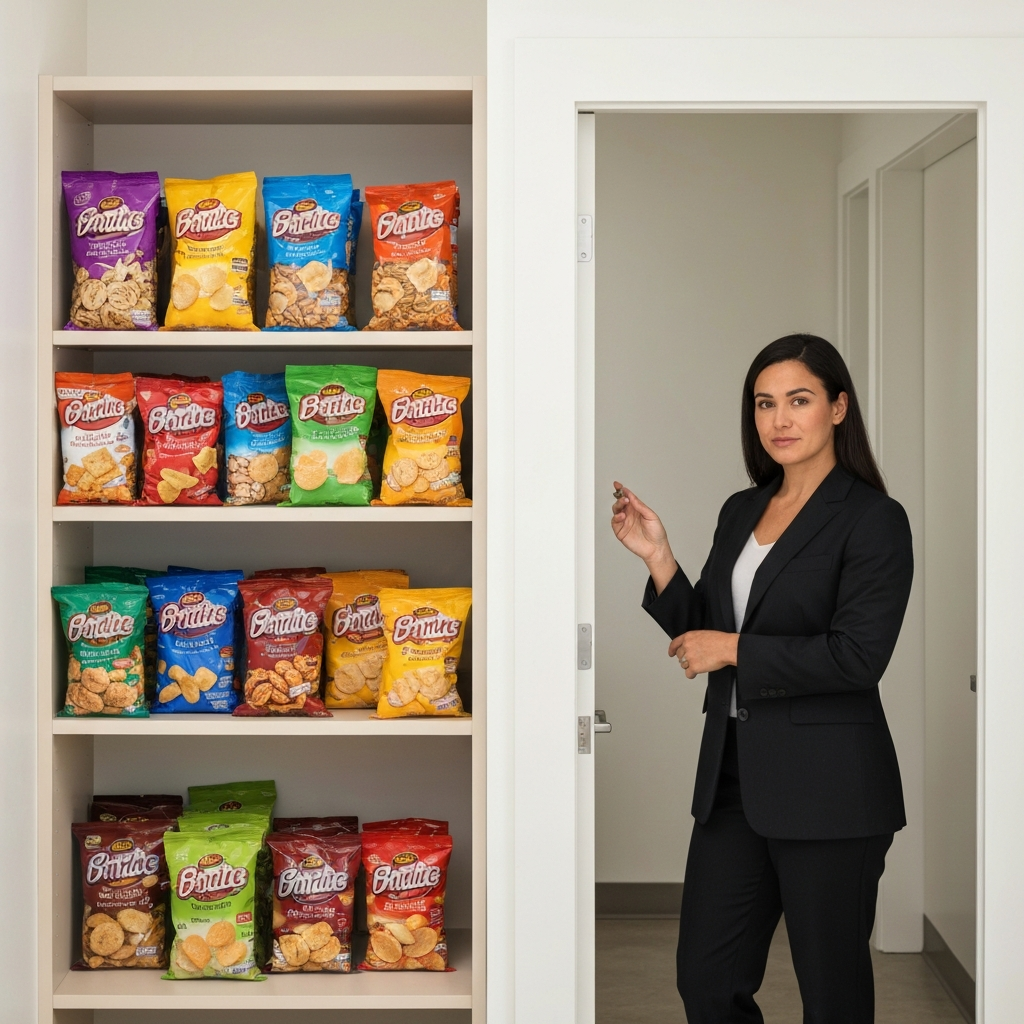
Sometimes, all a meal needs is a little crunch. Chips, crackers, or even a handful of roasted nuts can add textural contrast that elevates the eating experience. Consider adding a few potato chips, pretzels, or even some crispy fried onions to your plate for that satisfying crunch. Be mindful of sodium content and portion sizes, as these snacks can be high in salt and calories.
Step 7: Hot Food is Happy Food
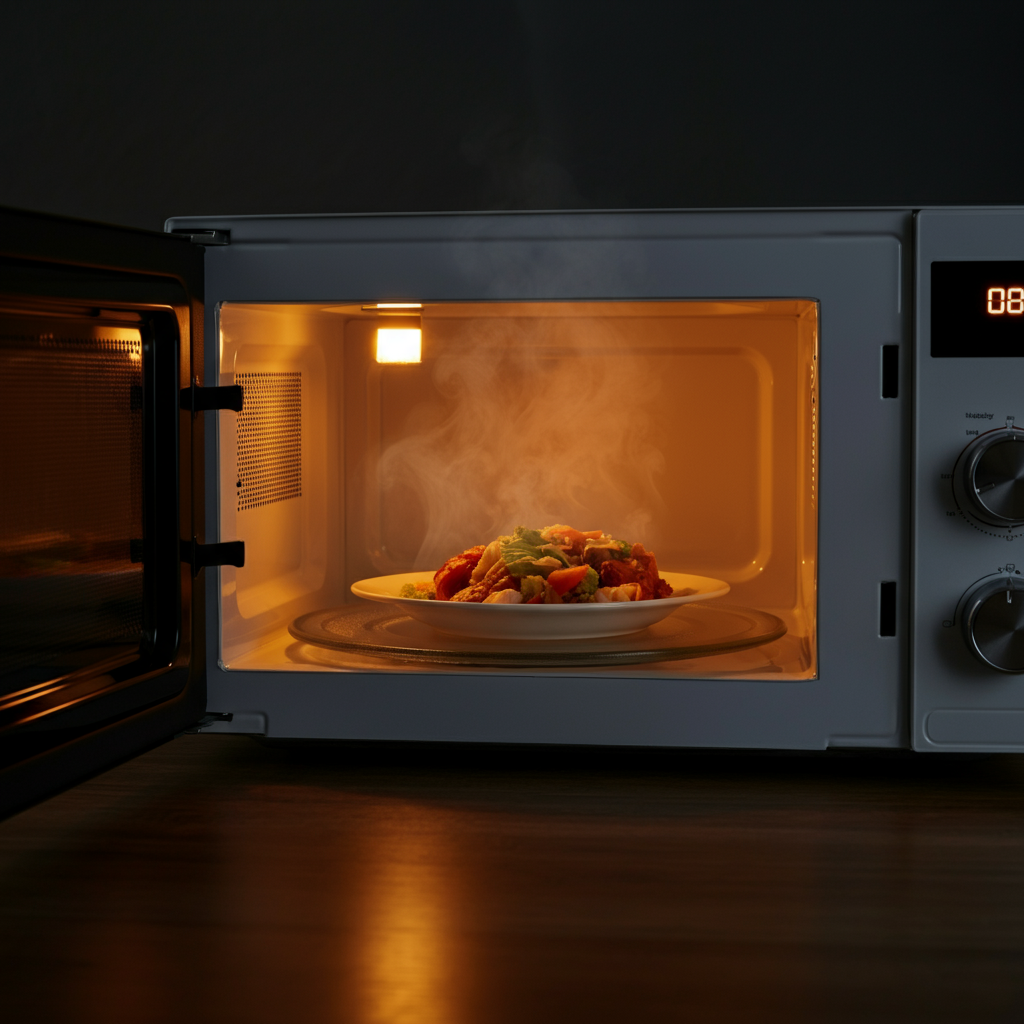
Temperature plays a huge role in how we perceive flavor. Warm food generally tastes better because heat releases aromas and enhances flavors. If your food is cold, take advantage of the microwave to heat it up. Even slightly warming your meal can make a significant difference in its palatability and digestibility. But ensure your food is heated thoroughly and safely.
Step 8: Bring a Piece of Home
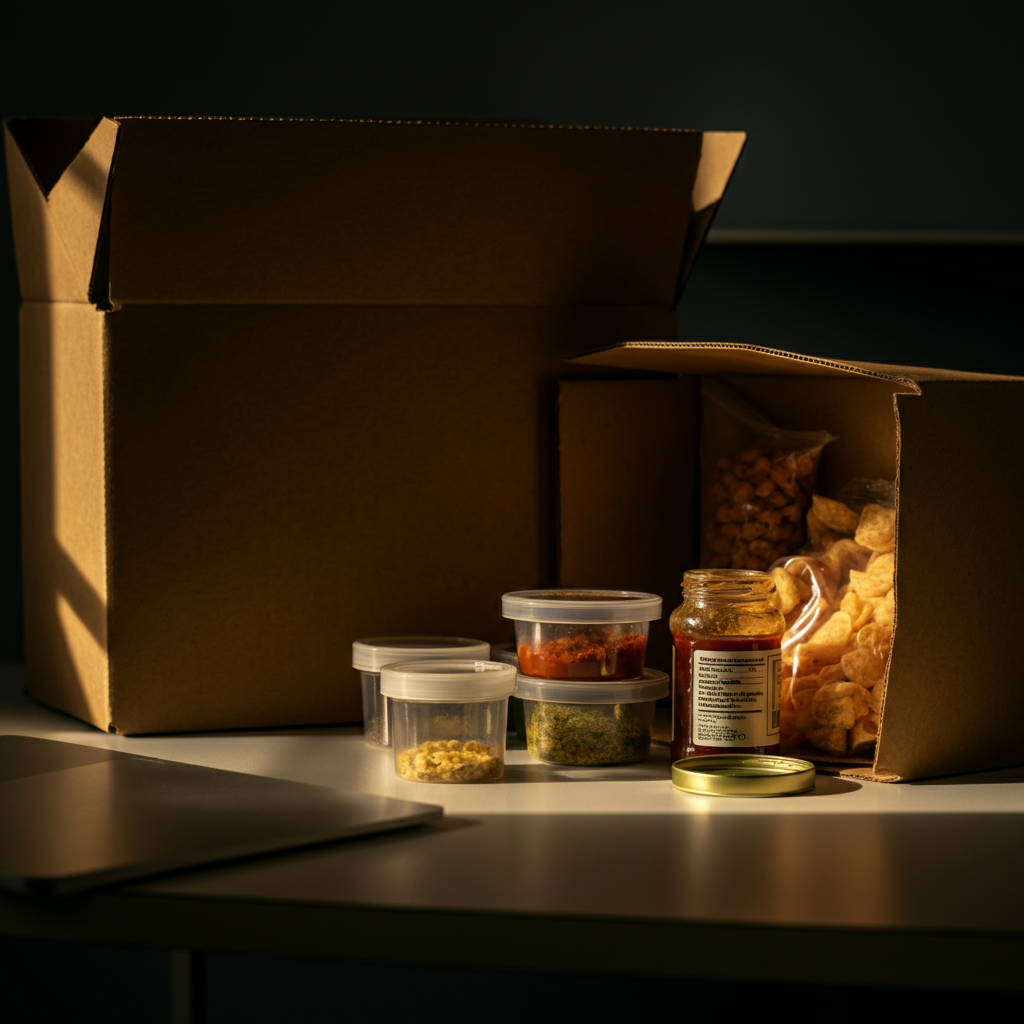
One of the most comforting ways to improve your dorm food experience is to bring small, familiar items from home. A small container of your family's favorite spice blend, a homemade pickle, or a special sauce can evoke feelings of comfort and nostalgia, making even the most unappetizing meal feel more satisfying. The psychological effect of these familiar flavors can be incredibly powerful.
Step 9: Balance is Key: Add Protein, Fiber, and Carbs
Dorm food often lacks essential nutrients. Supplementing your meals with additional protein, fiber, and healthy carbs can significantly improve both the taste and nutritional value of your diet. Consider adding a hard-boiled egg, a piece of fruit, or some steamed vegetables to your plate to create a more balanced and satisfying meal. This not only enhances the flavor but also provides you with the energy and nutrients you need to thrive.
Step 10: Treat Yourself (Occasionally)
While it's important to make the most of your dorm food, don't hesitate to treat yourself to a meal from your favorite restaurant every once in a while. Ordering a single dish to supplement your cafeteria meal can be a cost-effective way to satisfy cravings and break the monotony. A little indulgence can go a long way in boosting morale and making dorm life more enjoyable. But do not regularly treat yourself to outside food since it may have adverse effects on the body.
Tools or Materials Required
- Small airtight containers for storing spices and condiments
- A mini-fridge (if allowed) for storing yogurt, spreads, and fresh produce
- Microwave-safe containers for reheating food
- Reusable utensils
- A small cutting board and knife (for preparing fruit and vegetables)
Common Mistakes to Avoid
- Over-relying on salt: While salt enhances flavor, excessive use can be detrimental to your health.
- Ignoring expiration dates: Always check the expiration dates on condiments and snacks.
- Storing food improperly: Ensure that perishable items are stored correctly to prevent spoilage.
- Not experimenting: Don't be afraid to try new flavor combinations and ingredients.
Safety Considerations
- Always wash your hands before preparing or eating food.
- Ensure that food is heated thoroughly to kill bacteria.
- Be mindful of allergies and dietary restrictions.
- Store food at safe temperatures to prevent spoilage.
Pro Tips
- Create a "flavor kit" with your favorite spices, sauces, and condiments.
- Share your flavor arsenal with your roommates for a collaborative culinary experience.
- Look for inspiration online for creative ways to improve dorm food.
- Don't be afraid to ask for extra servings of sides or condiments that you enjoy.
FAQ Section
- What are some easy spices to start with?
- Salt, pepper, garlic powder, onion powder, red pepper flakes, and dried herbs like oregano and basil are versatile and affordable options.
- How can I store opened condiments?
- Most condiments can be stored in the refrigerator for several weeks after opening. Check the label for specific storage instructions.
- What if I don't have access to a microwave?
- Consider using a hot plate or electric kettle to heat up water for soups or noodles. You can also try grilling sandwiches in a panini press.
In conclusion, transforming your hostel or dorm food experience is entirely achievable with a little creativity, resourcefulness, and the right strategies. By embracing the power of flavor enhancers, building a personalized culinary arsenal, and supplementing your meals with essential nutrients, you can conquer the culinary challenges of dorm life and enjoy satisfying, flavorful meals every day. Don't settle for bland – take control of your taste buds and make your dorm food something to look forward to!