Falafel is a beloved staple throughout the Middle East, but Egyptian falafel, or ta'ameya, boasts a unique character. Unlike its chickpea-based cousins, authentic Egyptian falafel primarily uses fava beans, resulting in a lighter, fluffier texture and a distinct earthy flavor. This guide will walk you through the process of creating perfect Egyptian falafel at home, from preparing the beans to serving up crispy, golden-brown patties.
This recipe blends fava beans and chickpeas to strike a perfect balance between traditional flavor and satisfying texture. The combination yields a tender interior and a delightfully crispy exterior. Whether you're a seasoned cook or a beginner, this detailed guide will provide you with the knowledge and confidence to create restaurant-quality falafel in your own kitchen. We'll cover everything from proper soaking techniques to achieving the ideal frying temperature.
Get ready to enjoy the savory, herbaceous flavors of homemade Egyptian falafel, perfect for sandwiches, salads, or a delicious snack. We'll also discuss common mistakes to avoid and pro tips to elevate your falafel game to the next level.
Step 1: Preparing the Fava Beans and Chickpeas
Soaking the Beans
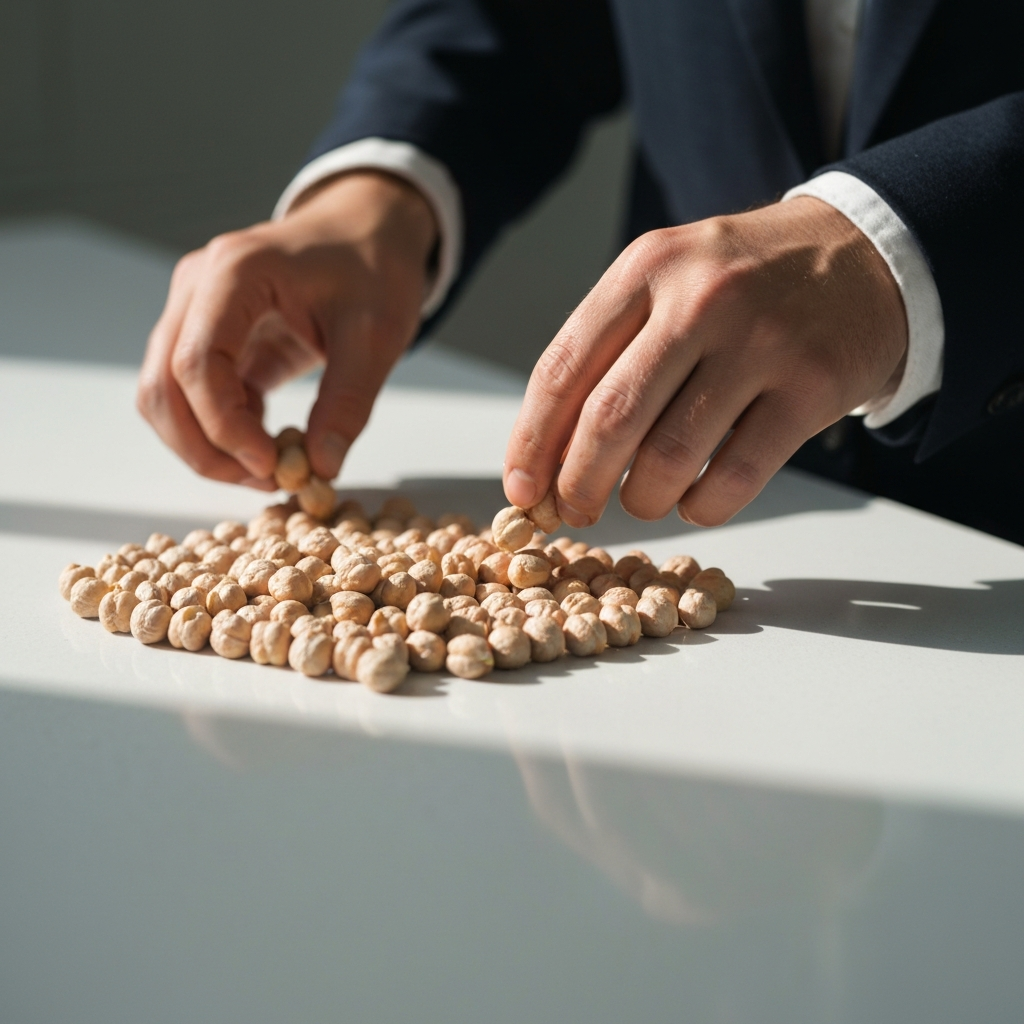
The foundation of excellent falafel lies in properly prepared beans. Begin by carefully sorting through both the dried fava beans and chickpeas, discarding any discolored, broken, or shriveled beans. Rinse the beans thoroughly under cold water to remove any surface debris. Place the rinsed beans in a large bowl and cover them generously with cold water, ensuring the water level is at least 2-4 inches above the beans, as they will expand significantly during soaking. Cover the bowl with plastic wrap or a lid and refrigerate for at least 5 hours, ideally overnight (8-12 hours). This soaking process is crucial for softening the beans and allowing them to blend smoothly in the food processor. After soaking, drain the beans completely in a colander and rinse them one last time under cold water.
Step 2: Creating the Falafel Mixture
Blending the Ingredients
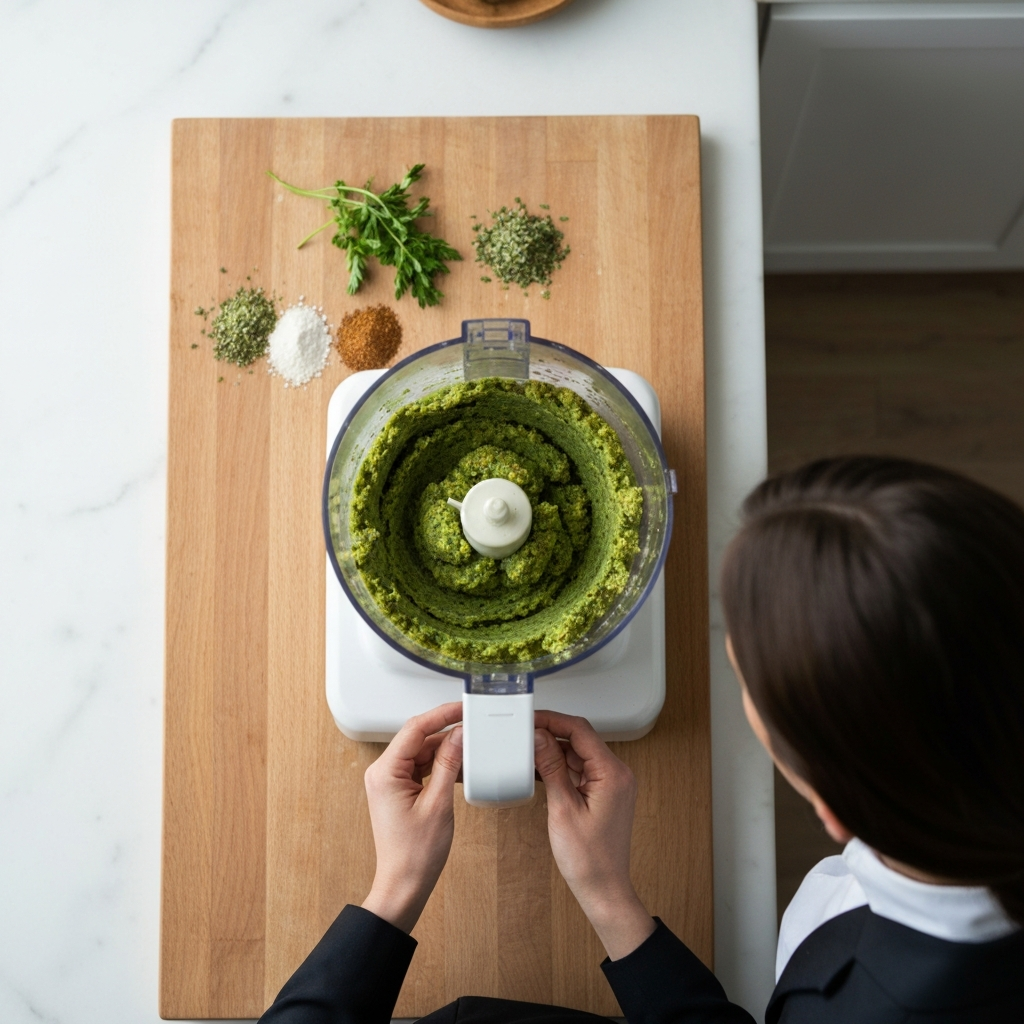
Once the soaked and drained beans are ready, it's time to create the flavorful falafel mixture. In a food processor, combine the drained fava beans and chickpeas with a generous helping of fresh herbs: parsley and cilantro, including both leaves and stems for maximum flavor. Add coarsely chopped white onion and spring onions (cut into 2-inch pieces) to the processor, along with garlic cloves. Process the mixture in pulses, scraping down the sides as needed, until a coarse, paste-like consistency is achieved. Be careful not to over-process, as this can result in a gummy texture. The mixture should resemble wet sand.
Transfer the blended mixture to a large mixing bowl. Add the spices: ground cumin, ground coriander, salt, cracked black pepper, and paprika. For a touch of heat, you can also add cayenne pepper. Mix thoroughly with your hands or a spatula until the spices are evenly distributed throughout the dough. At this stage, you can adjust the seasoning to your preference.
Step 3: Preparing for Frying
Adding the Binding Agent
This step is crucial for achieving the right texture during frying. Just before frying, add the baking soda and egg (if using; omit for a vegan version) to the falafel mixture. The baking soda helps to create a light and airy texture, while the egg acts as a binder, preventing the falafel from falling apart during frying. Mix well until these ingredients are fully incorporated.
Forming the Falafel Patties
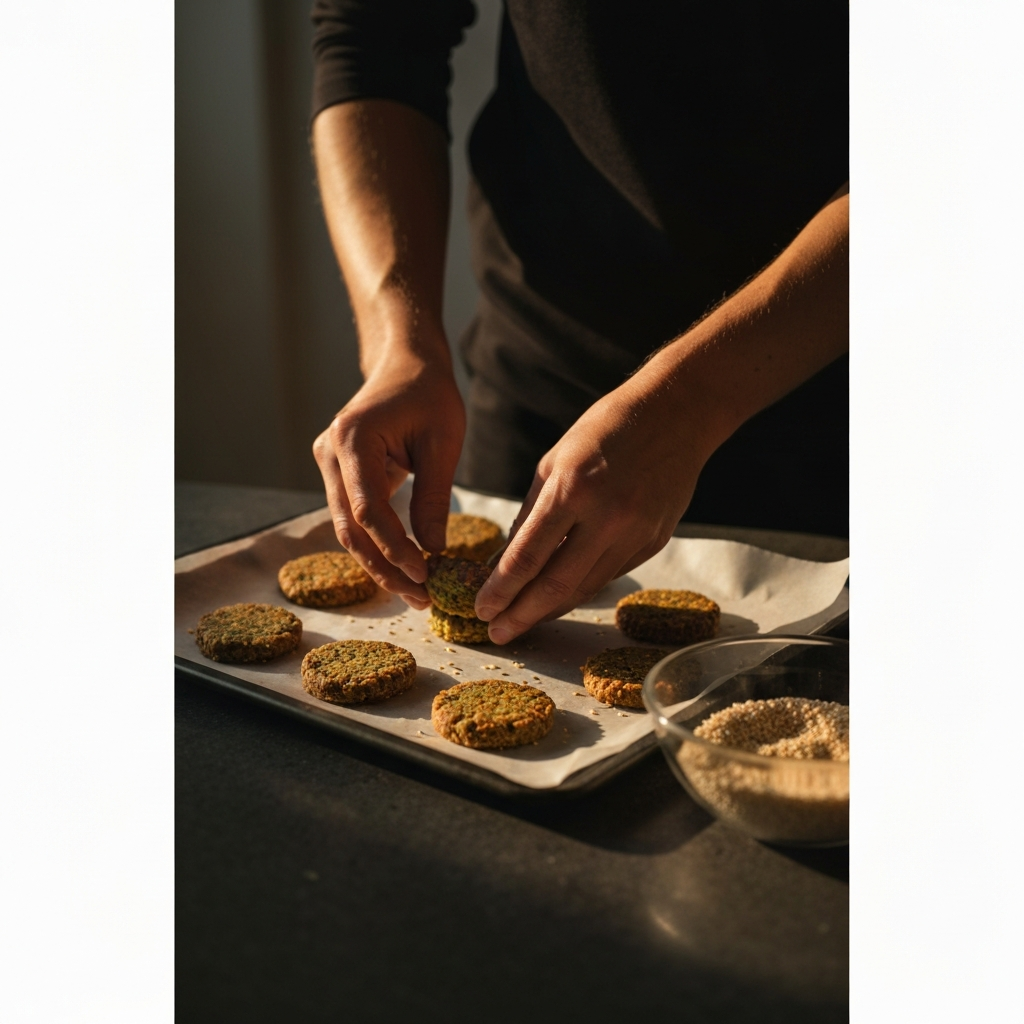
Now, it's time to shape the falafel into patties. Take a tablespoon of the mixture and gently roll it into a ball. Then, flatten the ball slightly into a patty shape. For an added touch of flavor and visual appeal, sprinkle the patties with sesame seeds before frying. The size of the patties is up to you, but aim for a consistent size to ensure even cooking. Place the formed patties on a plate or baking sheet lined with parchment paper until ready to fry.
Step 4: Frying the Falafel to Perfection
Heating the Oil
Fill a deep skillet or pot with vegetable oil to a depth of about 2-3 inches. Heat the oil over medium-high heat until it reaches a temperature of 350°F (175°C). Use a thermometer to ensure the oil is at the correct temperature; if it's too cold, the falafel will absorb too much oil, and if it's too hot, they will burn on the outside before cooking through.
Frying the Patties
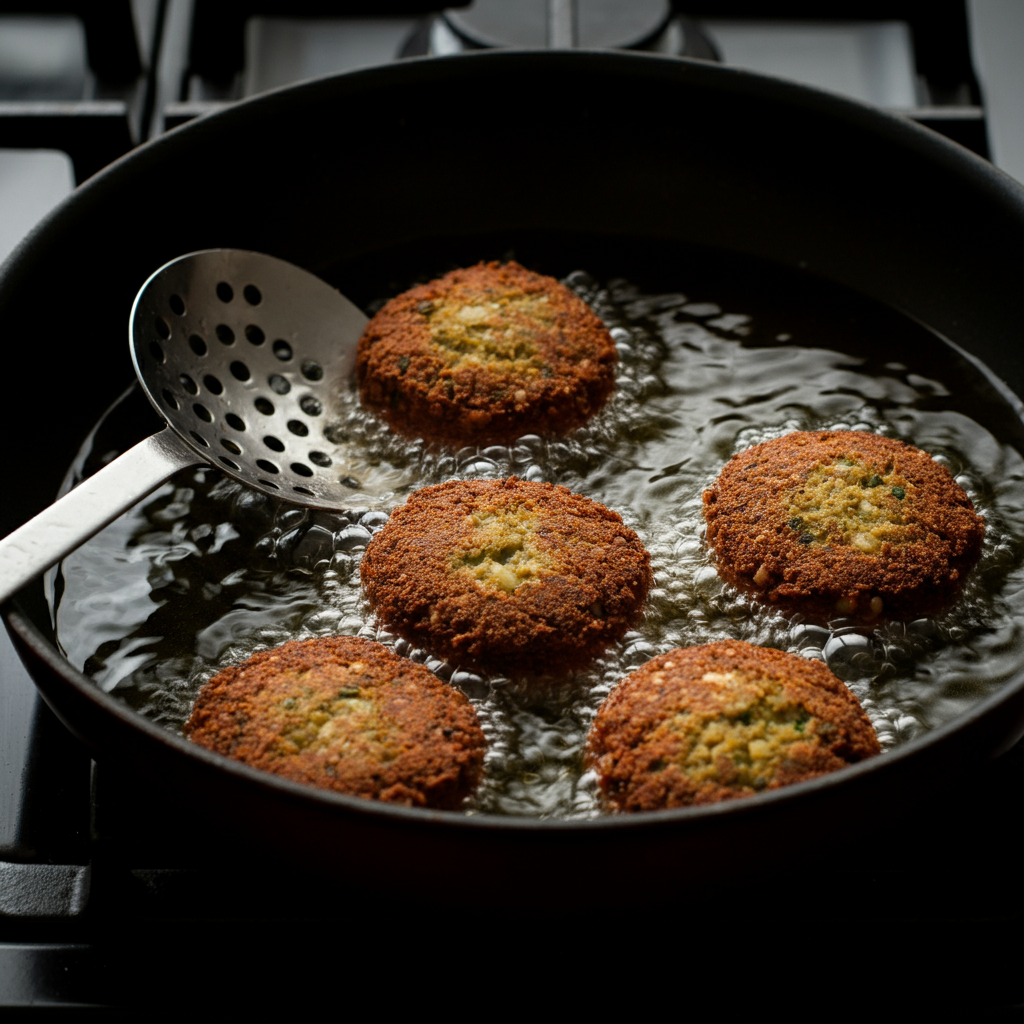
Carefully add the falafel patties to the hot oil in batches, being careful not to overcrowd the pan. Overcrowding will lower the oil temperature and result in soggy falafel. Fry the patties for 2-3 minutes per side, or until they are golden brown and crispy. Use a slotted metal spoon or spatula to carefully remove the falafel from the oil and place them on a plate lined with paper towels to drain excess oil. Repeat the process with the remaining falafel mixture.
Step 5: Serving and Enjoying Your Falafel
Serving Suggestions
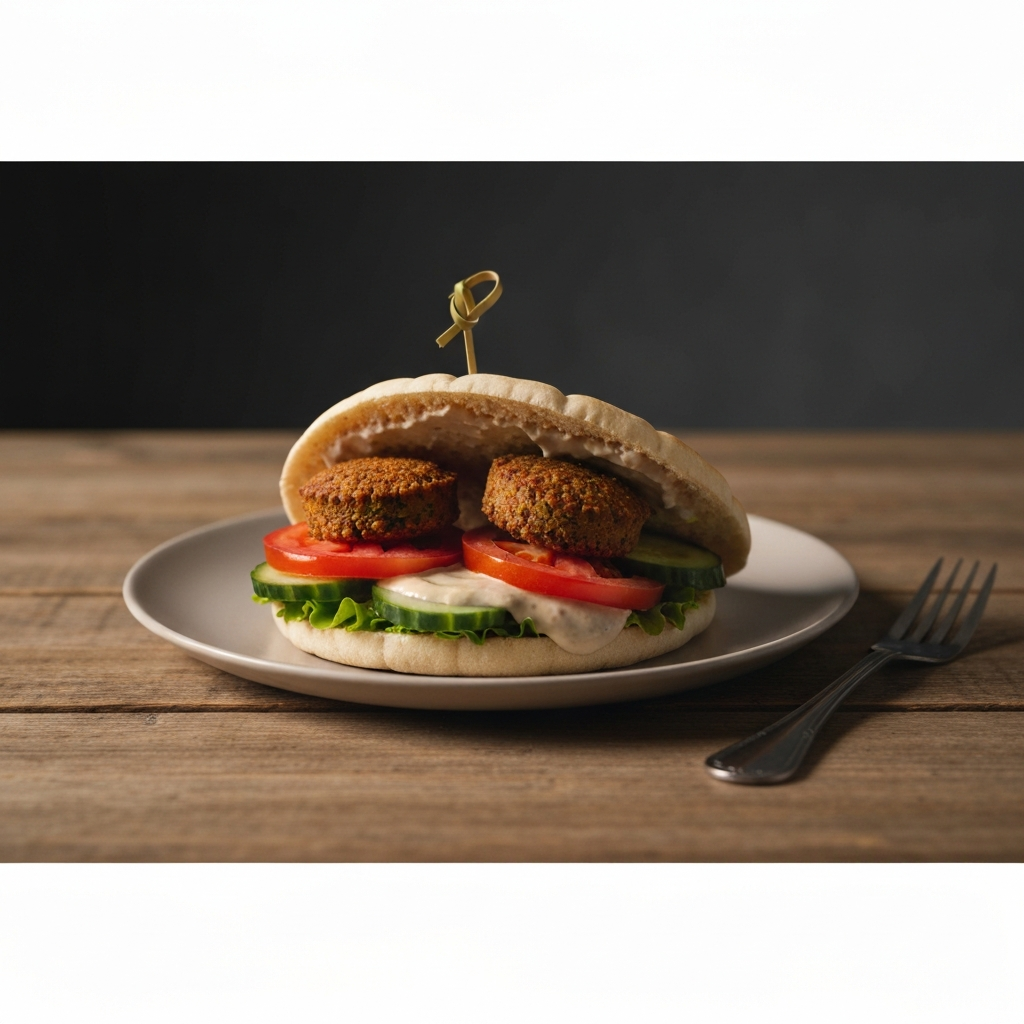
Serve your freshly fried Egyptian falafel hot and crispy. Traditionally, falafel is served in pita bread with a variety of toppings such as tahini sauce, chili sauce, yogurt, sliced cucumbers, tomatoes, and pickled vegetables. It can also be served as part of a mezze platter or as a topping for salads. Experiment with different sauces and toppings to find your favorite combination.
Pro Tips
For a more intense flavor, try adding a pinch of ground coriander seeds to the falafel mixture. If the falafel mixture seems too dry, add a tablespoon or two of water until it reaches the desired consistency. For a spicier kick, add a finely chopped jalapeno pepper to the mixture. To reheat leftover falafel, bake them in a preheated oven at 350°F (175°C) for about 10 minutes, or until heated through.
Common Mistakes to Avoid
- Not Soaking the Beans Long Enough: Insufficient soaking results in hard, undercooked falafel.
- Over-Processing the Mixture: This leads to a gummy texture. Aim for a coarse, sandy consistency.
- Frying at the Wrong Temperature: Too cold, and the falafel will be greasy. Too hot, and they'll burn on the outside.
- Overcrowding the Pan: This lowers the oil temperature and results in soggy falafel.
- Using Old or Stale Spices: Fresh spices are essential for maximum flavor.
FAQ Section
Q: Can I use canned fava beans or chickpeas?
A: While it's possible, the texture and flavor won't be as good. Dried beans are highly recommended for authentic falafel.
Q: Can I freeze the falafel mixture?
A: Yes, the falafel mixture freezes very well. Store it in an airtight container or freezer bag for up to 3 months. Thaw completely before adding the baking soda and egg (if using) and frying.
Q: Can I bake the falafel instead of frying?
A: Yes, you can bake the falafel, but the texture will be different. Preheat your oven to 375°F (190°C). Place the falafel patties on a baking sheet and bake for 20-25 minutes, or until golden brown, flipping halfway through.
Conclusion
Making authentic Egyptian falafel at home is a rewarding culinary experience. By following these steps and avoiding common mistakes, you can create delicious, crispy, and flavorful falafel that rivals anything you'd find in a restaurant. Remember the importance of properly soaked beans, a coarse mixture texture, and the correct oil temperature for frying. Enjoy experimenting with different toppings and serving suggestions to create your perfect falafel masterpiece!