Ramen, often relegated to a quick and inexpensive meal, possesses untapped potential for culinary artistry. With a few simple techniques and thoughtfully chosen ingredients, you can transform a humble packet of noodles into a restaurant-quality dish. This guide will walk you through the process of creating elevated ramen, focusing on flavor layering, textural contrasts, and visual appeal. Prepare to impress yourself and your guests with a ramen experience unlike any other.
The key to elevated ramen lies in embracing creativity and understanding the building blocks of flavor. We'll explore enriching the broth, adding sophisticated toppings, and mastering the art of presentation. Whether you're a seasoned cook or a kitchen novice, this guide offers accessible instructions and expert tips to help you achieve ramen perfection. Forget everything you think you know about instant noodles, and prepare to embark on a culinary adventure!
Don't be afraid to experiment! Ramen is a highly customizable dish, allowing you to tailor it to your specific tastes and dietary preferences. This guide is a starting point; feel free to substitute ingredients, adjust spice levels, and explore different flavor combinations. The goal is to create a ramen experience that is both delicious and uniquely your own. So, gather your ingredients, sharpen your knives, and let's get cooking!
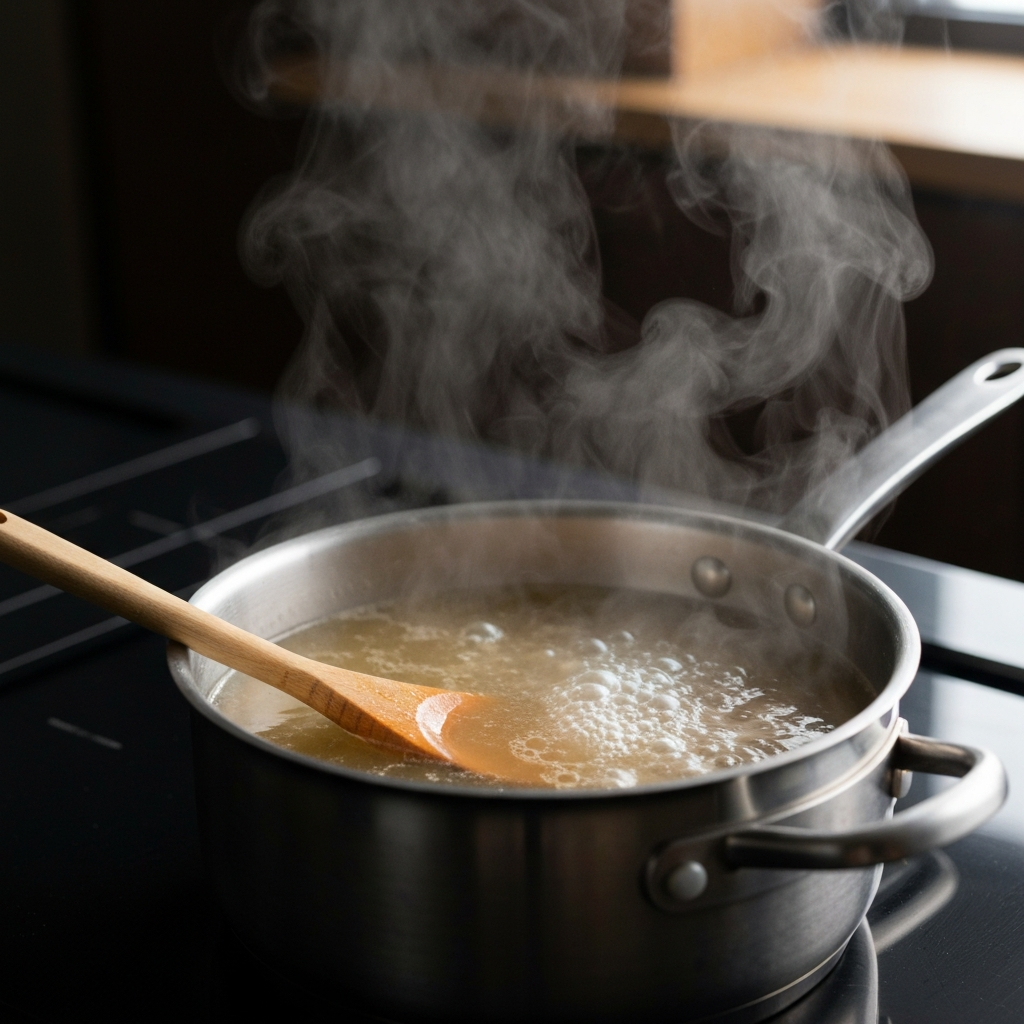
Step 1: Prepare the Broth
The broth is the soul of any ramen dish. While the included seasoning packet provides a base, we'll enhance it with depth and complexity. Begin by heating 4 cups of water in a medium saucepan. Add the seasoning packet, along with 1 tablespoon of soy sauce, 1 teaspoon of sesame oil, and a clove of minced garlic. For a richer flavor, consider adding a chicken or vegetable bouillon cube. Simmer the broth for at least 10 minutes to allow the flavors to meld. Taste and adjust seasonings as needed, adding a pinch of salt or a dash of fish sauce for umami.
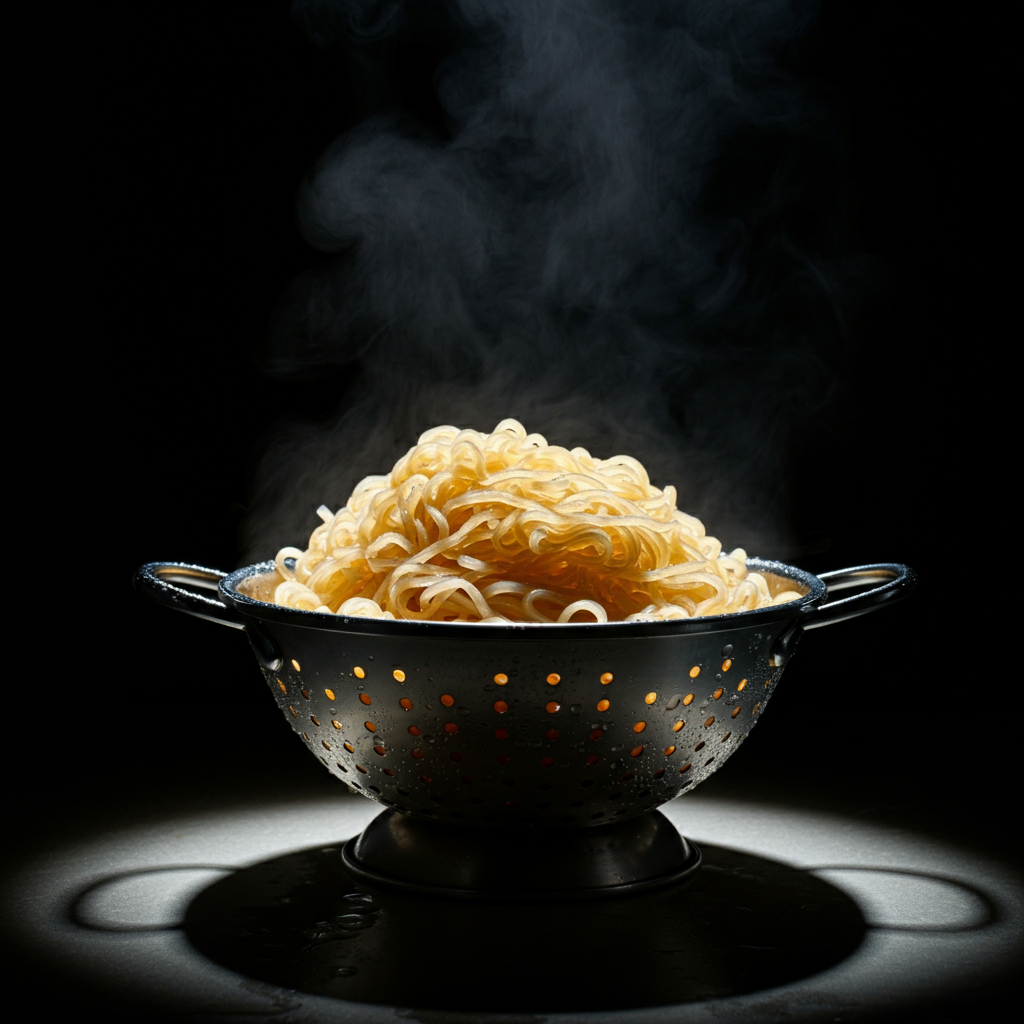
Step 2: Cook the Noodles
Properly cooked noodles are essential for a satisfying ramen experience. Follow the package directions for cooking time, but err on the side of slightly undercooked. Overcooked noodles become mushy and detract from the overall texture. Once the noodles are cooked, drain them thoroughly and rinse with cold water to stop the cooking process. This also helps prevent the noodles from sticking together. Set the noodles aside until ready to assemble the ramen.
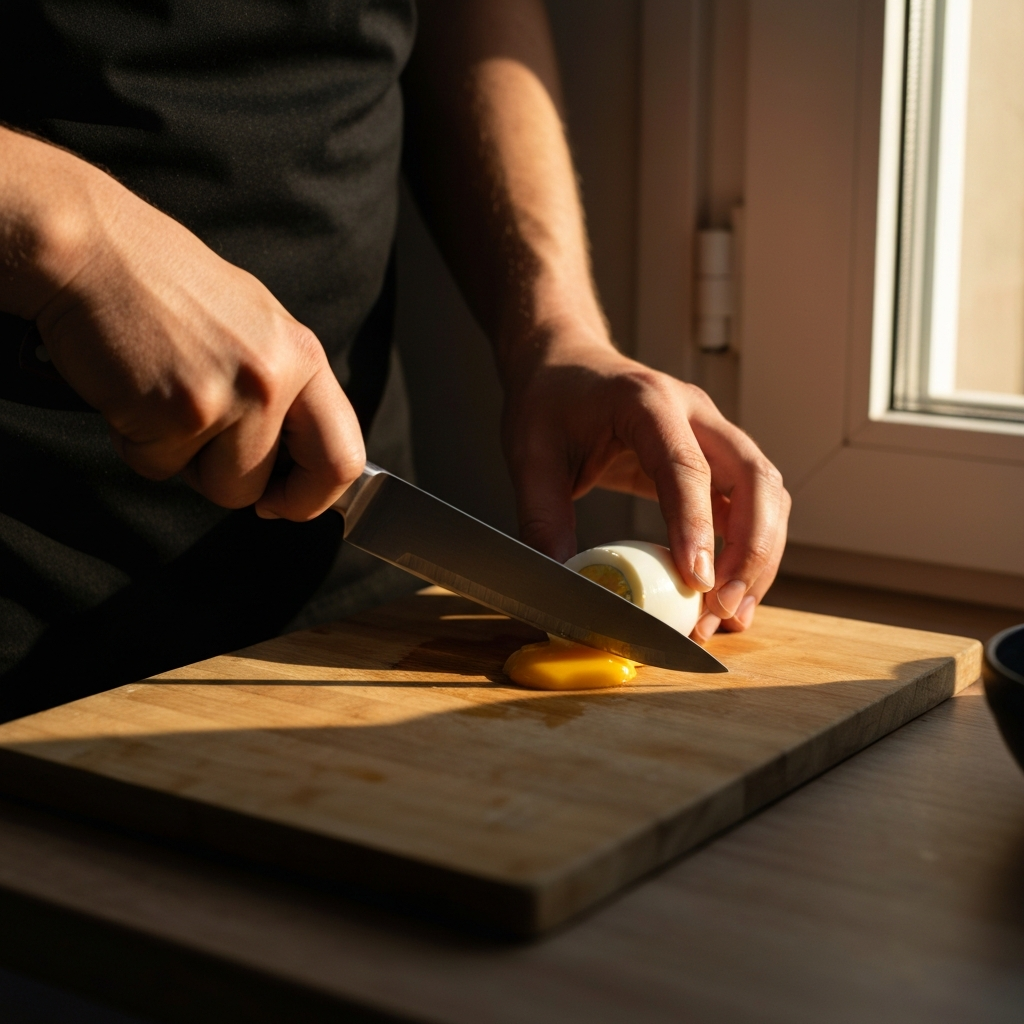
Step 3: Prepare the Protein
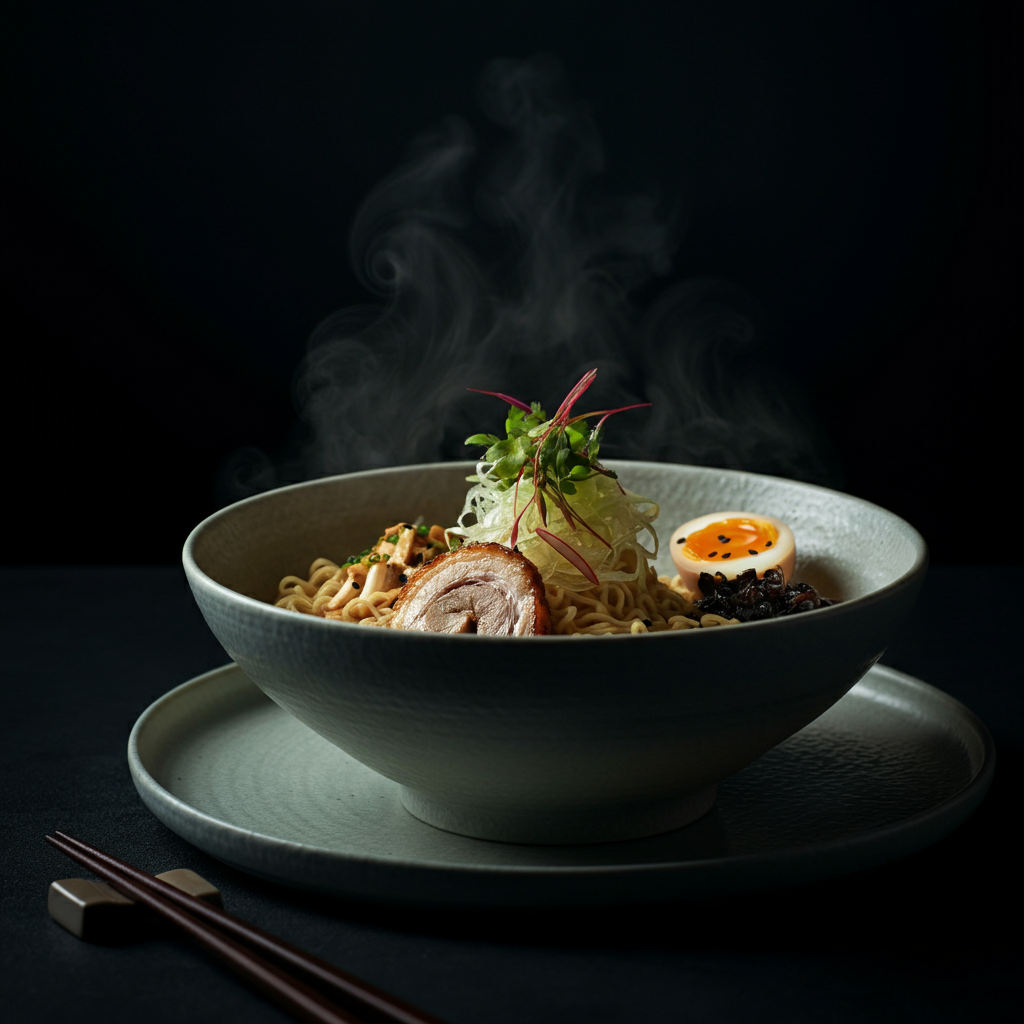
Adding protein elevates ramen from a simple snack to a complete meal. Popular options include sliced pork belly (chashu), grilled chicken, soft-boiled eggs, or tofu. For a quick and easy option, consider using pre-cooked rotisserie chicken or smoked tofu. If using pork belly, sear it in a hot pan until crispy and golden brown. Soft-boiled eggs should be cooked for 6-7 minutes, then immediately transferred to an ice bath to stop the cooking process. Peel the eggs carefully and slice them in half lengthwise. Arrange the protein attractively on top of the ramen.
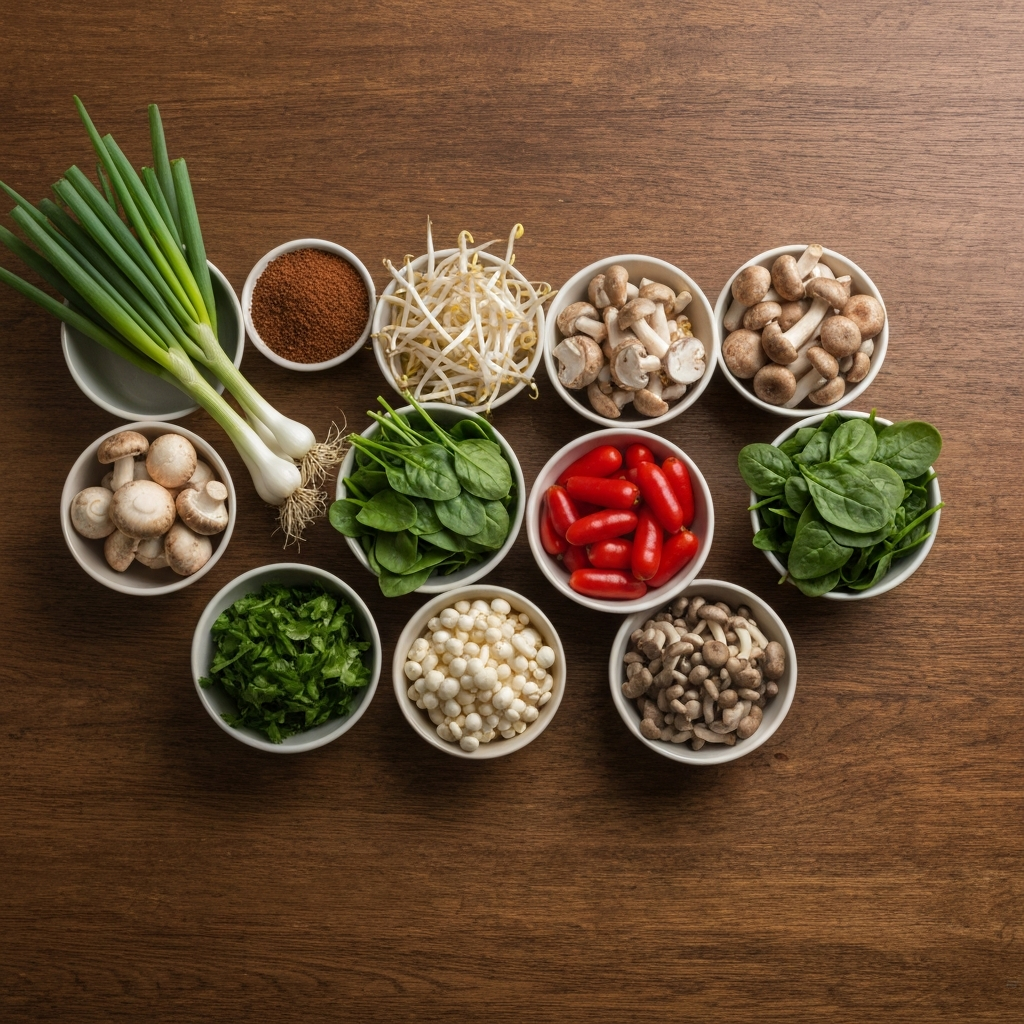
Step 4: Prepare the Vegetables
Vegetables add color, texture, and nutrients to your elevated ramen. Common choices include sliced green onions, bean sprouts, bamboo shoots, spinach, and nori seaweed. For a more sophisticated touch, consider adding sauteed mushrooms or pickled vegetables. Prepare the vegetables by washing and slicing them into bite-sized pieces. If using spinach, blanch it briefly in boiling water to wilt it slightly. Arrange the vegetables artfully on top of the ramen, creating a visually appealing composition.
Step 5: Assemble and Garnish
Now comes the fun part: assembling your elevated ramen! In a large bowl, add the cooked noodles, followed by the prepared broth. Arrange the protein and vegetables attractively on top of the noodles. Garnish with a drizzle of sesame oil, a sprinkle of sesame seeds, and a pinch of chili flakes. For an extra touch of flavor, add a dollop of chili garlic sauce or a spoonful of black garlic oil. Serve immediately and enjoy!
Tools or Materials Required
- Medium saucepan
- Colander
- Cutting board
- Sharp knife
- Large bowl
- Chopsticks or fork
Common Mistakes to Avoid
- Overcooking the noodles
- Using too much salt
- Not tasting and adjusting the broth
- Adding too many toppings
Pro Tips
- Use high-quality ingredients for the best flavor.
- Don't be afraid to experiment with different toppings and seasonings.
- Presentation matters! Take the time to arrange the ingredients attractively.
FAQ Section
Q: Can I make this vegetarian?
A: Absolutely! Substitute the protein with tofu or tempeh and use vegetable broth instead of chicken broth.
Q: Can I make this spicier?
A: Yes! Add more chili flakes, chili garlic sauce, or a dash of hot sauce.
Q: Can I use different types of noodles?
A: Yes! Feel free to experiment with different types of ramen noodles, such as udon or soba.
In conclusion, elevating ramen is a simple yet rewarding culinary endeavor. By focusing on high-quality ingredients, thoughtful preparation, and artful presentation, you can transform a humble packet of noodles into a gourmet experience. Remember to experiment, have fun, and create a ramen dish that is uniquely your own. With a little practice, you'll be impressing your friends and family with your ramen mastery in no time.