Tired of tearing your toast to shreds with cold, hard butter? Spreading butter straight from the refrigerator can be a frustrating experience. This guide provides several proven methods to quickly soften butter, making it effortlessly spreadable. We'll cover techniques ranging from simple warming methods to slightly more advanced approaches, ensuring you always have perfect, spreadable butter at your fingertips. Say goodbye to damaged bread and hello to perfectly buttered toast!
This isn't just about convenience; it's about enhancing the flavor experience. Softened butter releases its aroma and flavor more readily compared to its chilled counterpart, creating a richer and more satisfying taste on your morning toast or baked goods. Explore these methods and discover the best way to transform your butter from a rock-solid block into a smooth, creamy delight.
Whether you're preparing a quick breakfast or getting ready for a baking project, knowing how to soften butter quickly is an invaluable skill. So, let's dive into these easy-to-follow techniques and unlock the secret to perfectly spreadable butter.
Step 1: The Hot Glass Method
Heating a Glass
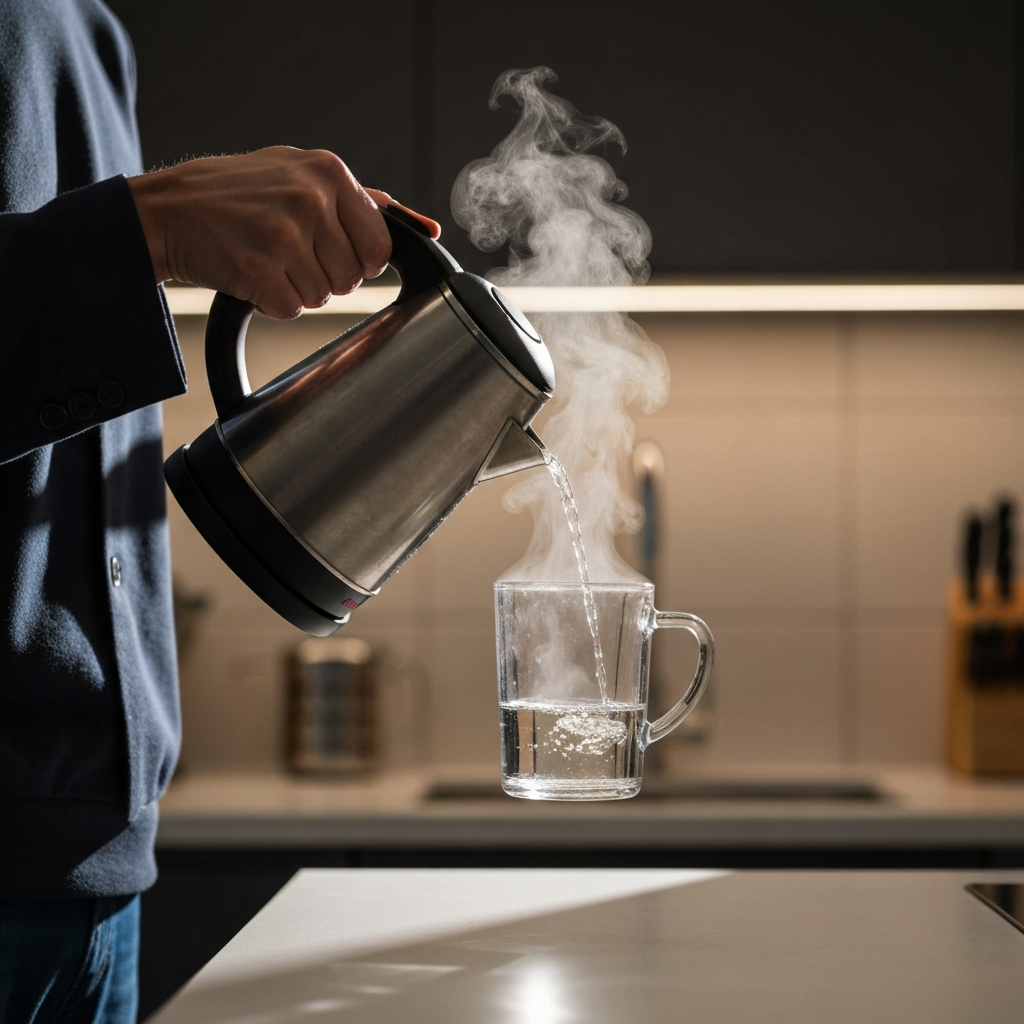
The hot glass method is a classic and remarkably effective way to quickly soften butter. Begin by filling a heat-safe glass or mug with hot water – boiling water from a kettle is ideal. Allow the glass to sit for a minute or two, allowing the glass to heat up thoroughly. This pre-heating step is crucial to prevent the glass from cracking when placed over the cold butter. After the glass is heated, carefully pour out the water and quickly invert the hot glass over the stick (or portion) of butter on a plate. The trapped heat will gently soften the butter in a matter of minutes. Monitor the butter closely to prevent it from melting completely, especially during warmer months. This method is particularly useful if you need softened butter for immediate spreading.
Step 2: The Grating Technique
Grating for Rapid Softening
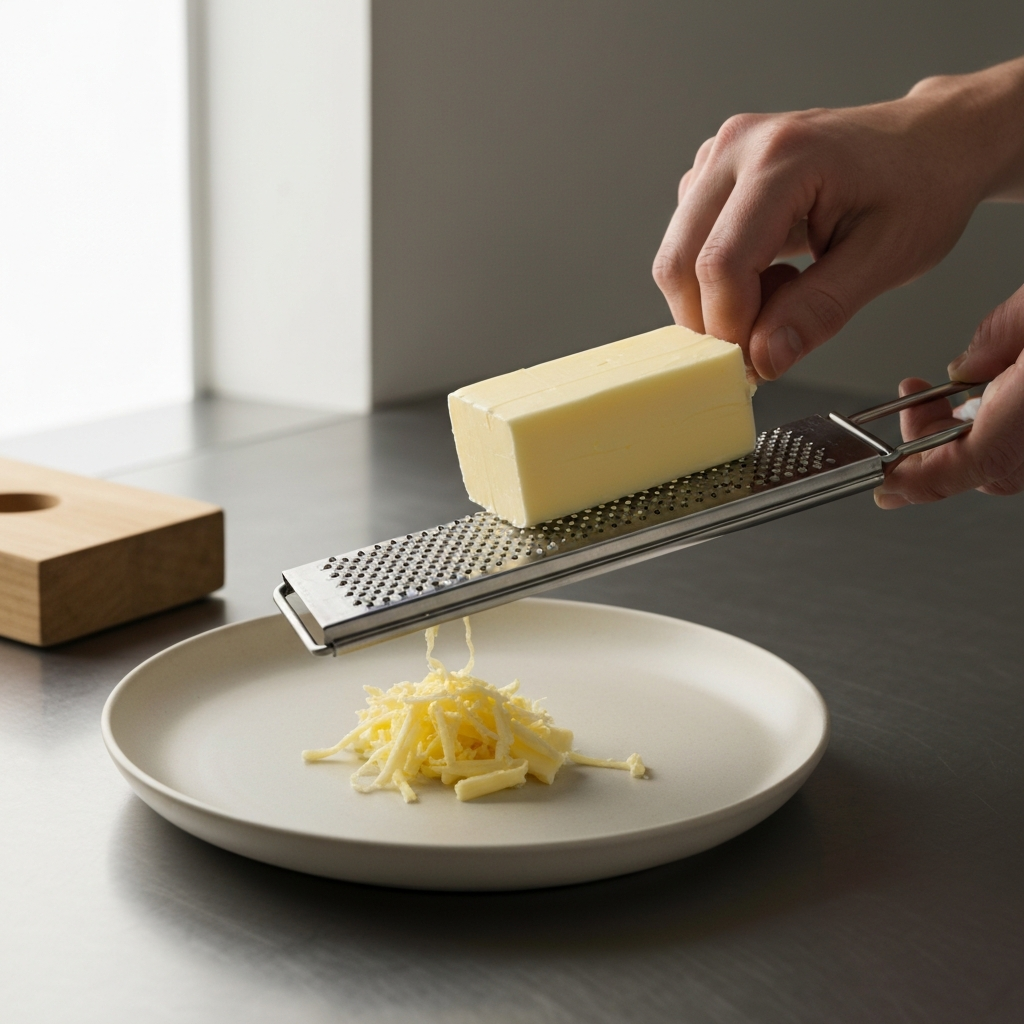
If you need softened butter almost instantaneously, the grating technique is your best bet. Using a standard cheese grater, simply grate the cold butter into fine shreds. The increased surface area allows the butter to soften very rapidly at room temperature. Grated butter can be used immediately for spreading on toast or incorporated into baking recipes. A box grater with various sized grating surfaces can be used, but the finer the grate, the quicker the softening process will be. Be sure to grate the butter directly onto a plate or into a bowl to avoid a mess. This method works best if you have a good quality grater with sharp blades.
Step 3: Slicing Thinly
Thin Slices for Uniform Softening
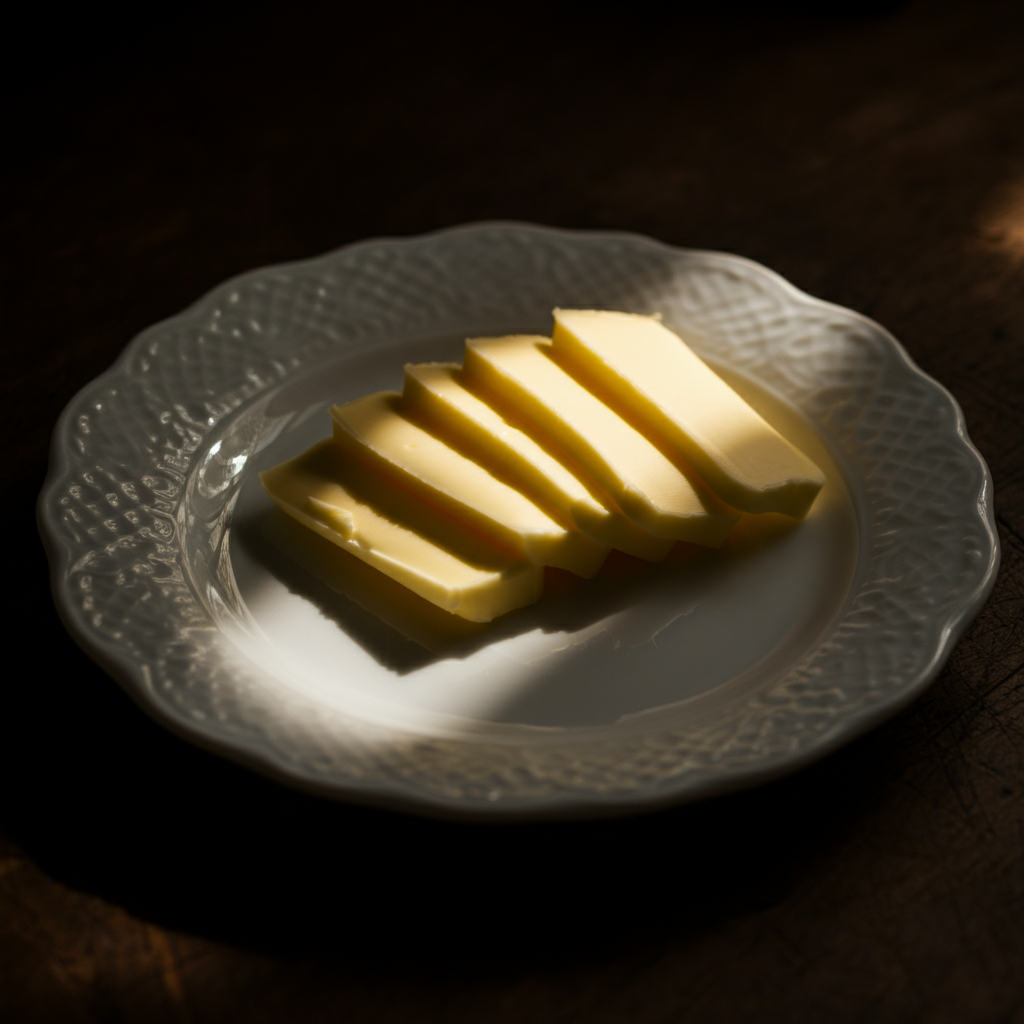
Similar to grating, slicing the butter into thin pats or slivers significantly increases its surface area and speeds up the softening process. Use a sharp knife to carefully slice the butter as thinly as possible. Arrange the slices in a single layer on a plate at room temperature. The thinner the slices, the faster the butter will soften. This method allows for more controlled softening compared to the hot glass technique, reducing the risk of melting the butter. Sliced butter also presents beautifully on a serving platter, adding a touch of elegance to your breakfast or brunch spread.
Step 4: The Warm Water Bath Method
Creating a Controlled Warmth
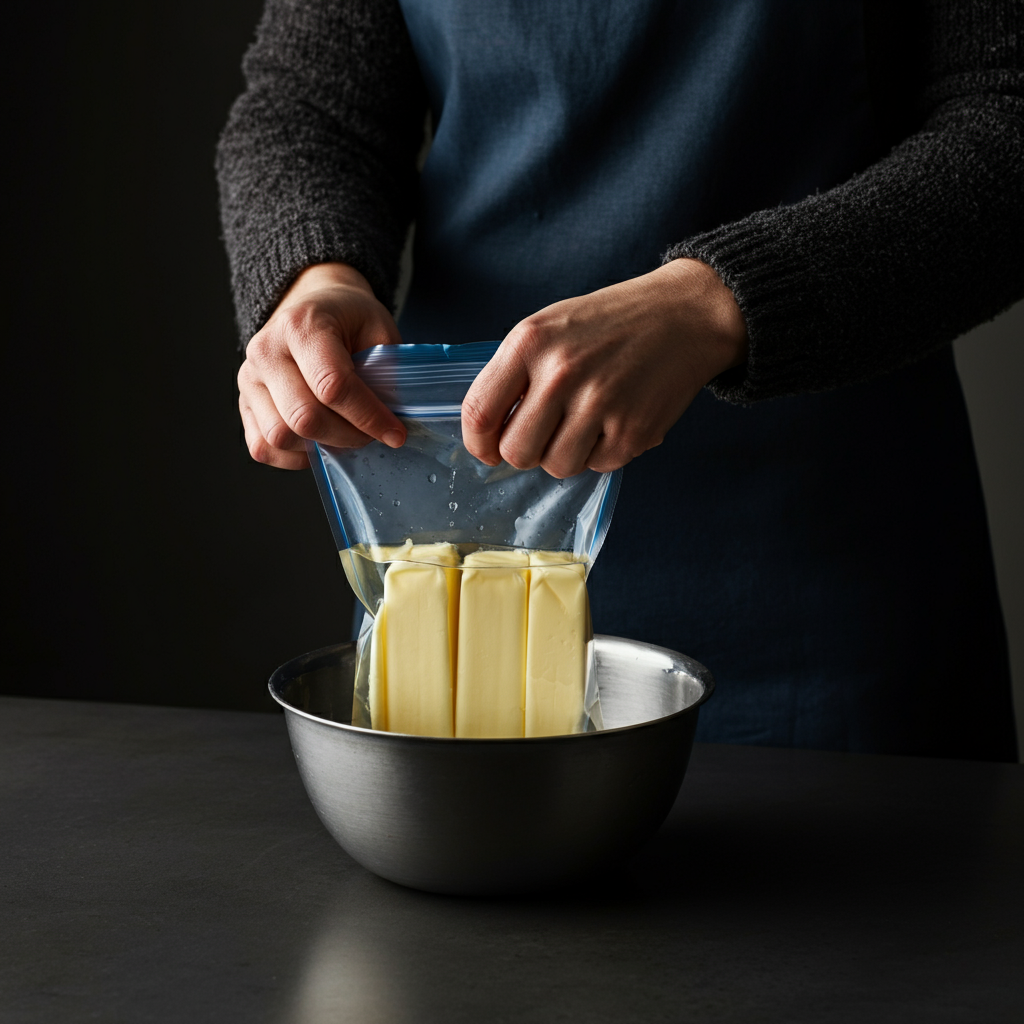
This method is ideal if you need to soften a larger quantity of butter. Fill a bowl with warm (not hot) water. Place the unwrapped sticks of butter in a zip-top bag, removing as much air as possible before sealing. Submerge the sealed bag of butter in the warm water for approximately 10-15 minutes. The warm water will gently and evenly soften the butter without melting it. Ensure the bag is completely sealed to prevent water from seeping in and ruining the butter. Check the consistency of the butter periodically by gently squeezing the bag. Once the butter reaches your desired level of softness, remove the bag from the water and pat it dry before use.
Tools or Materials Required
- Heat-safe glass or mug
- Cheese grater
- Sharp knife
- Cutting board
- Bowls
- Zip-top bags
- Kettle or pot for heating water
- Plates
Common Mistakes to Avoid
- Using water that is too hot, which can melt the butter instead of just softening it.
- Overheating the glass in the hot glass method, which can cause burns.
- Leaving the butter exposed to air for too long, which can lead to oxidation and off-flavors.
- Not sealing the bag properly in the warm water bath method, resulting in waterlogged butter.
Safety Considerations
- Always use caution when handling hot water to avoid burns.
- Use a heat-safe glass or mug for the hot glass method.
- Be careful when using sharp knives and graters to avoid cuts.
FAQ Section
Q: Can I use the microwave to soften butter?
A: While you can use the microwave, it's very easy to accidentally melt the butter. If you choose to microwave, use very short intervals (5-10 seconds) and monitor closely.
Q: How long does it take to soften butter at room temperature?
A: It depends on the ambient temperature, but typically it takes 30-60 minutes for a stick of butter to soften at room temperature.
Q: Can I soften butter in the oven?
A: It is not recommended to soften butter directly in the oven, as it is difficult to control the temperature and prevent melting.
Conclusion
Softening butter doesn't have to be a chore. By using the methods outlined in this guide – the hot glass trick, grating, slicing, or a warm water bath – you can easily transform cold, hard butter into a spreadable delight. Experiment with these techniques to find the one that best suits your needs and enjoy perfectly softened butter every time. Remember to be mindful of temperature and time to avoid melting the butter completely. With a little practice, you'll become a butter-softening expert in no time! Enjoy your perfectly buttered toast!