The world of kitchenware and pottery can be confusing, especially when terms like "stoneware" and "ceramic" are thrown around interchangeably. Are they the same? Is one better than the other? This guide aims to demystify these materials, providing you with a clear understanding of their properties, uses, and differences. Understanding these distinctions will empower you to make informed decisions when choosing items for your kitchen, home decor, or artistic endeavors.
Ceramics encompass a vast category of materials, all characterized by being made from clay and hardened by heat. Think of it as the overarching family name. Stoneware, on the other hand, is a specific type of ceramic, boasting unique characteristics that set it apart. This difference in properties dictates the ideal applications for each material, from everyday dinnerware to specialized cookware.
We'll delve into the firing temperatures, durability, appearance, and price points of both stoneware and ceramic, providing you with a comprehensive comparison. By the end of this guide, you'll be equipped to confidently select the right material for your specific needs and budget.
Step 1: Defining Ceramic: The Broad Category
Understanding the Fundamentals of Ceramic Materials
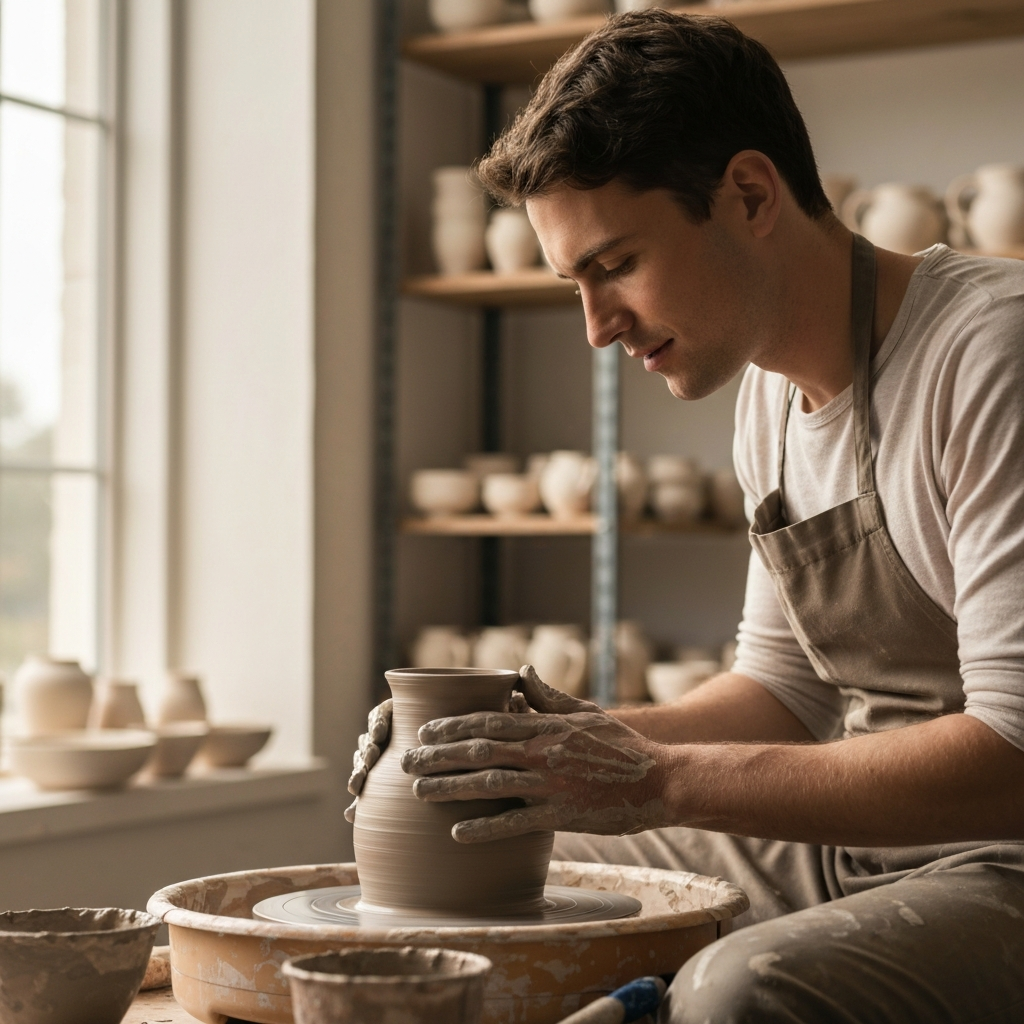
Ceramic, in its simplest definition, refers to any object crafted from clay or other earthen materials and then permanently hardened through high-temperature firing. This broad category encompasses a wide array of products, from simple terracotta flowerpots to intricate porcelain figurines. The firing process is crucial, transforming the pliable clay into a rigid and durable material. The specific composition of the clay and the firing temperature significantly influence the final properties of the ceramic object.
Step 2: Decoding Stoneware: A Durable Ceramic Subset
Exploring Stoneware's Unique Characteristics
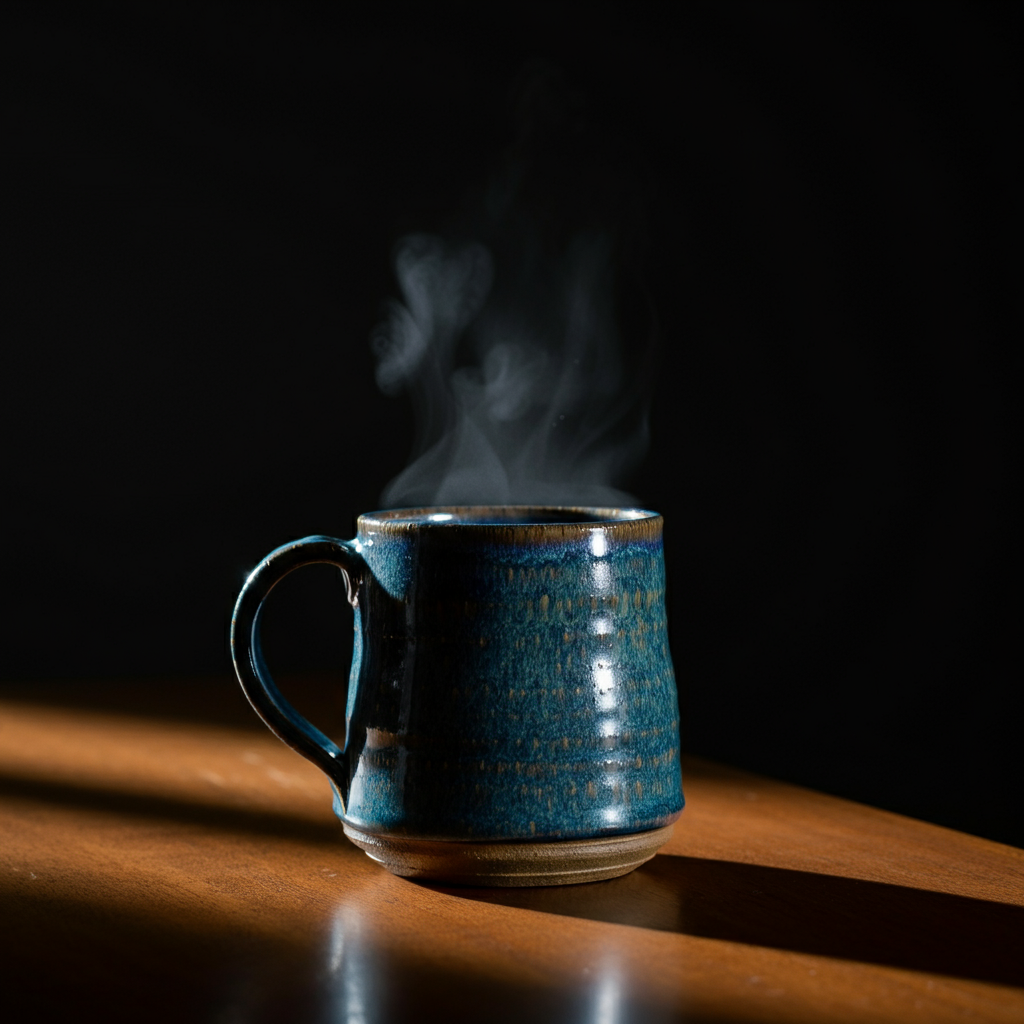
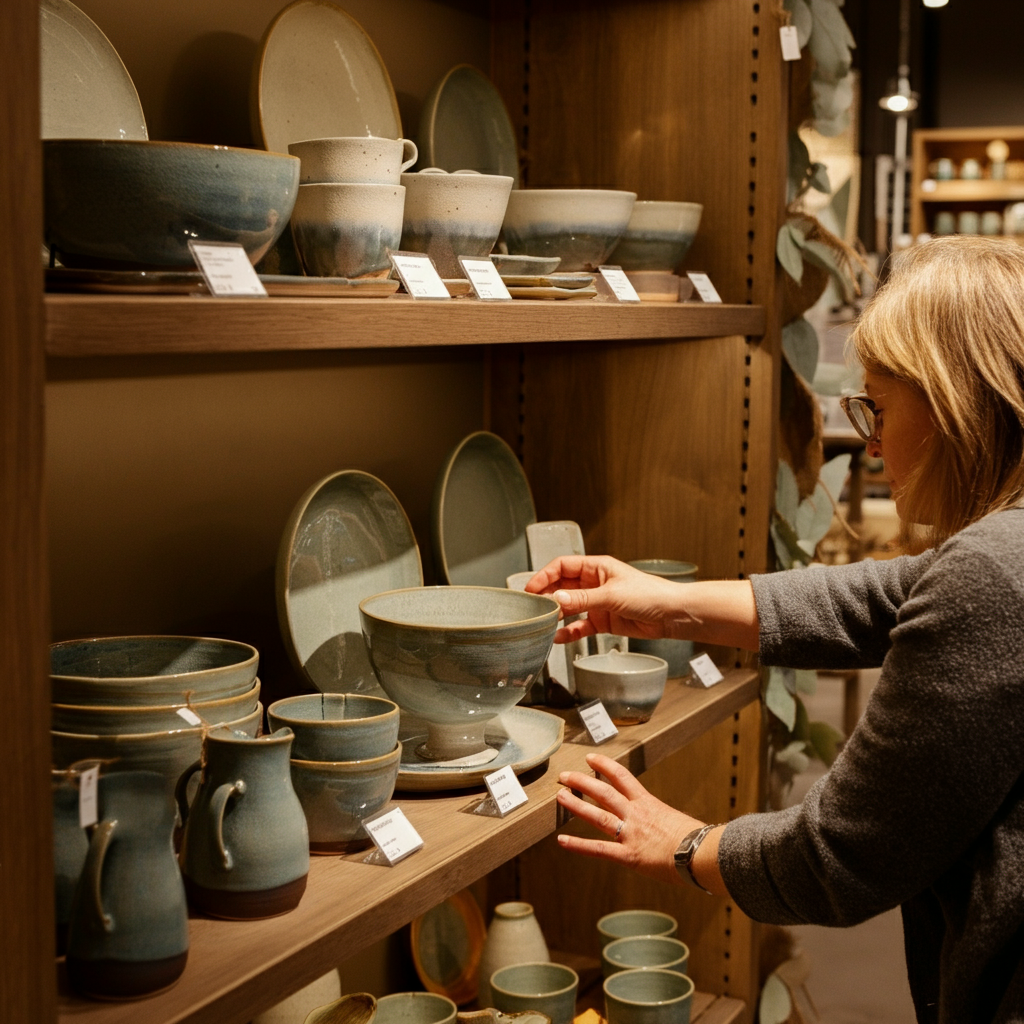
Stoneware is a type of ceramic distinguished by its non-porous nature and high durability. It achieves these qualities through firing at high temperatures, typically ranging from 2100°F to 2370°F (1150°C to 1300°C). This intense heat vitrifies the clay, creating a dense, glass-like structure that is resistant to water absorption. Stoneware is often glazed with a vitreous coating, further enhancing its waterproof properties and adding to its aesthetic appeal. This makes it ideal for items that come into contact with liquids or require frequent washing.
Step 3: Identifying Key Differences: Durability, Appearance, and Use
Comparing Stoneware and Ceramic Across Crucial Metrics
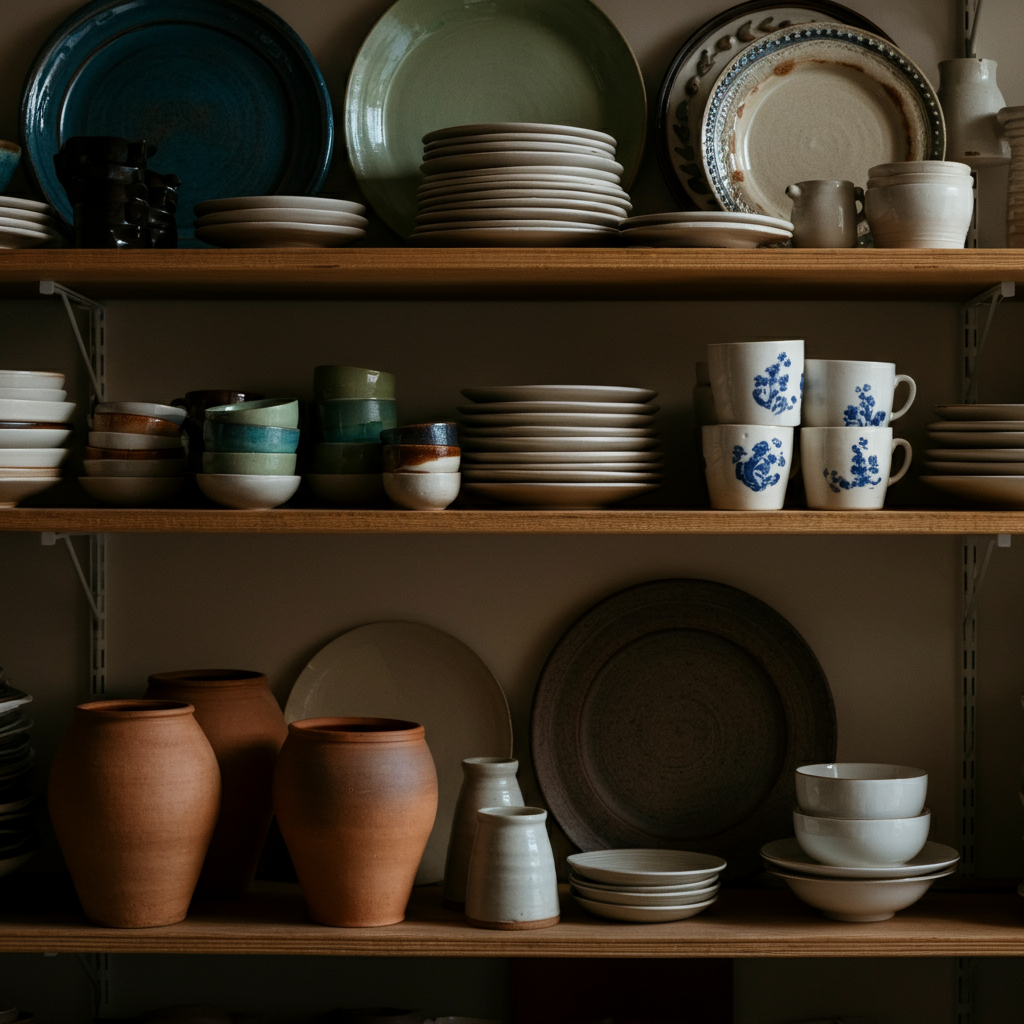
While stoneware is a type of ceramic, their properties differ significantly. Durability: Stoneware is more durable than many other types of ceramics, especially earthenware, and is suitable for daily use. Porcelain is generally the most durable ceramic. Appearance: Stoneware often has a smooth, glossy finish, and comes in various colors and forms. Earthenware often has a rougher, more rustic appearance. Porcelain is usually white and glossy. Use: Stoneware is excellent for cookware and dinnerware because of its heat retention and water resistance. Earthenware is more fragile and porous, making it less suitable for cooking. Porcelain is often reserved for more formal dinnerware.
Step 4: The Role of Firing Temperature
Understanding How Heat Impacts Ceramic Properties
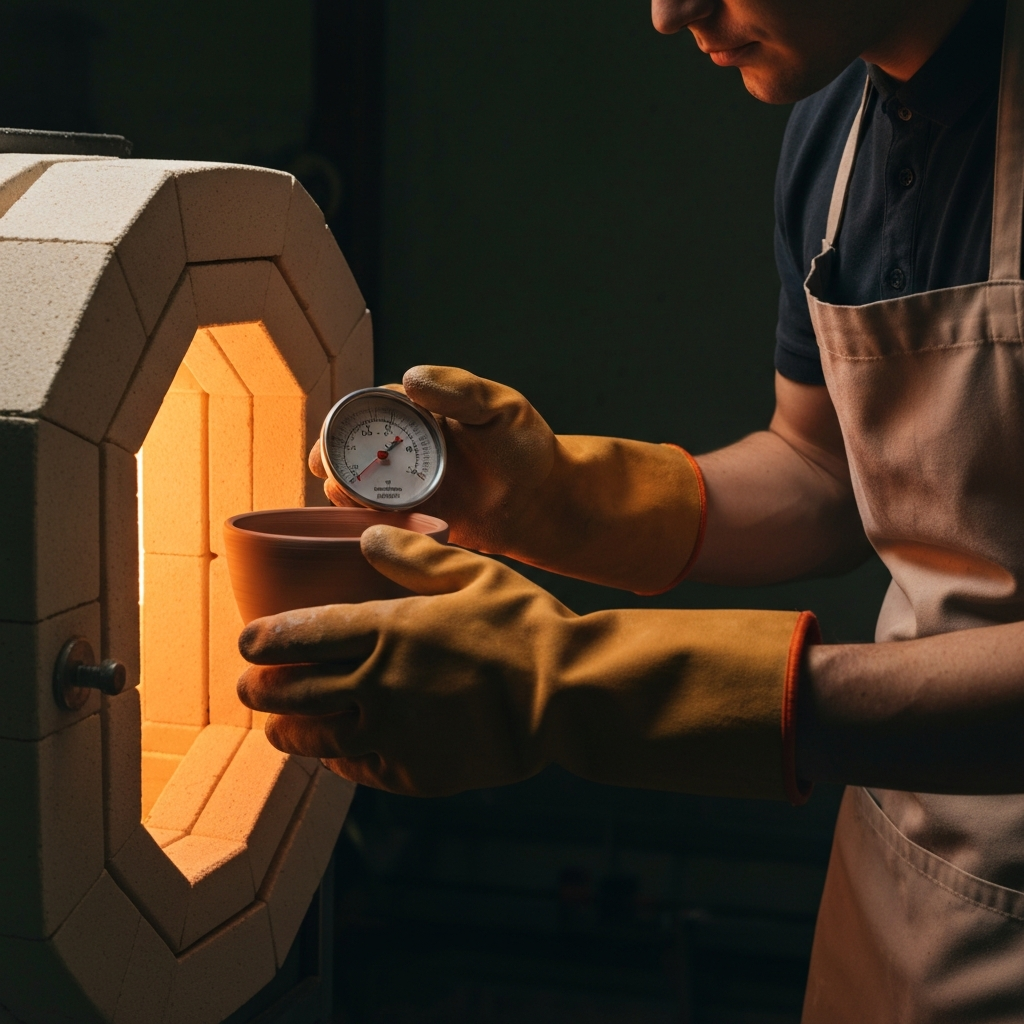
Firing temperature is a critical factor differentiating types of ceramics. Stoneware requires a higher firing temperature than earthenware but a slightly lower one than porcelain. This higher temperature leads to a denser, less porous material. Earthenware, fired at lower temperatures, remains more porous and susceptible to chipping. Porcelain's extremely high firing temperature results in its characteristic strength, translucence, and whiteness. Understanding the relationship between firing temperature and material properties is essential when choosing between stoneware and other ceramics.
Step 5: Assessing Practical Applications
Matching the Material to Your Needs
The intended use of the item should heavily influence your choice between stoneware and other ceramic types. For everyday dinnerware that can withstand frequent use and washing, stoneware is an excellent choice. If you're seeking elegant and durable dinnerware for special occasions, porcelain might be a better fit. For decorative items or plant pots where durability isn't a primary concern, earthenware can be a cost-effective option. Consider factors like heat resistance, water absorption, and resistance to chipping when making your decision.

Step 6: Price Point Considerations
Understanding the Cost Differences Between Ceramic Types
Price is always a factor. Generally, earthenware is the most affordable option, followed by stoneware, with porcelain typically being the most expensive. The higher cost of porcelain reflects its superior durability and refined appearance, as well as the cost of the kaolin clay required to make it. Stoneware offers a good balance between price and performance, making it a popular choice for many consumers. Earthenware, while budget-friendly, might require more frequent replacement due to its lower durability.
Tools or Materials Required
While not required for understanding the difference between stoneware and ceramic, if you're planning on creating your own ceramic pieces, you will need: Clay (specific type depends on the desired ceramic), a pottery wheel (optional), sculpting tools, glazes, and access to a ceramic kiln.
Common Mistakes to Avoid
One common mistake is assuming all ceramics are equally durable. Earthenware, for example, is much more prone to chipping than stoneware or porcelain. Always check manufacturer specifications regarding microwave and dishwasher safety before using any ceramic item. Another mistake is using stoneware on direct heat sources like stovetops or grills, which can cause it to crack.
FAQ Section
Q: Is stoneware oven-safe?
A: Many stoneware pieces are oven-safe, but always check the manufacturer's instructions. Avoid sudden temperature changes, which can cause cracking.
Q: Can I put stoneware in the dishwasher?
A: Most stoneware is dishwasher-safe, but hand washing can prolong its lifespan.
Q: Is ceramic porous?
A: It depends on the type. Earthenware is porous, while stoneware and porcelain are non-porous.
Conclusion
Understanding the nuances between stoneware and ceramic empowers you to make informed choices based on your specific needs and preferences. Stoneware stands out as a versatile and durable option for everyday use, while porcelain offers elegance and enhanced durability for special occasions. Earthenware provides a budget-friendly alternative for decorative purposes. By considering factors like firing temperature, durability, appearance, and price, you can confidently select the ceramic material that best suits your requirements, ensuring both functionality and aesthetic appeal in your home.