Tired of seeing your lawn or garden overtaken by dandelions? You're not alone. These resilient plants can quickly spread, disrupting the aesthetic of your outdoor space. Fortunately, you don't need harsh chemicals to regain control. Opting for natural methods is not only better for the environment, but also safe for your family and pets.
This guide provides a comprehensive overview of proven, effective techniques for eliminating dandelions without resorting to harmful herbicides. From simple hand-pulling to more advanced strategies like soil amendment, we'll equip you with the knowledge and tools to reclaim your lawn naturally. Remember, patience and persistence are key. Dandelions are tough, but with the right approach, you can win the battle.
Let's dive in and discover how to kill dandelions naturally and create a healthier, more beautiful outdoor environment. Ready to get started?
Step 1: Hand Pulling: The Most Effective Long-Term Solution
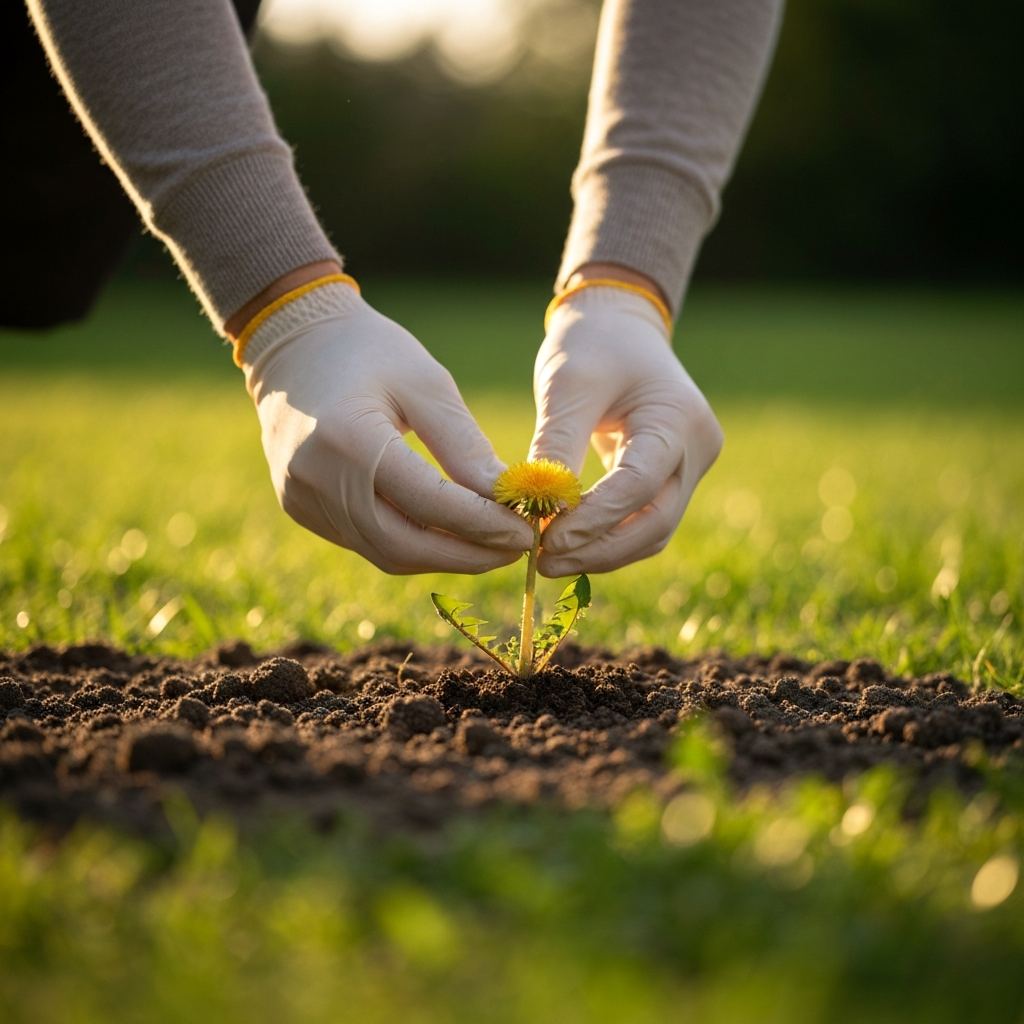
Hand-pulling remains the gold standard for dandelion removal, offering the most reliable way to prevent regrowth. The key to success lies in removing as much of the taproot as possible. Before you begin, thoroughly moisten the soil around the dandelion to loosen it. This will make it easier to extract the entire root. Grip the base of the dandelion firmly, as close to the soil as possible, and gently but steadily pull upwards, twisting slightly as you go. Aim to remove at least 6-12 inches of the taproot.
Step 2: Scalding Dandelions with Boiling Water
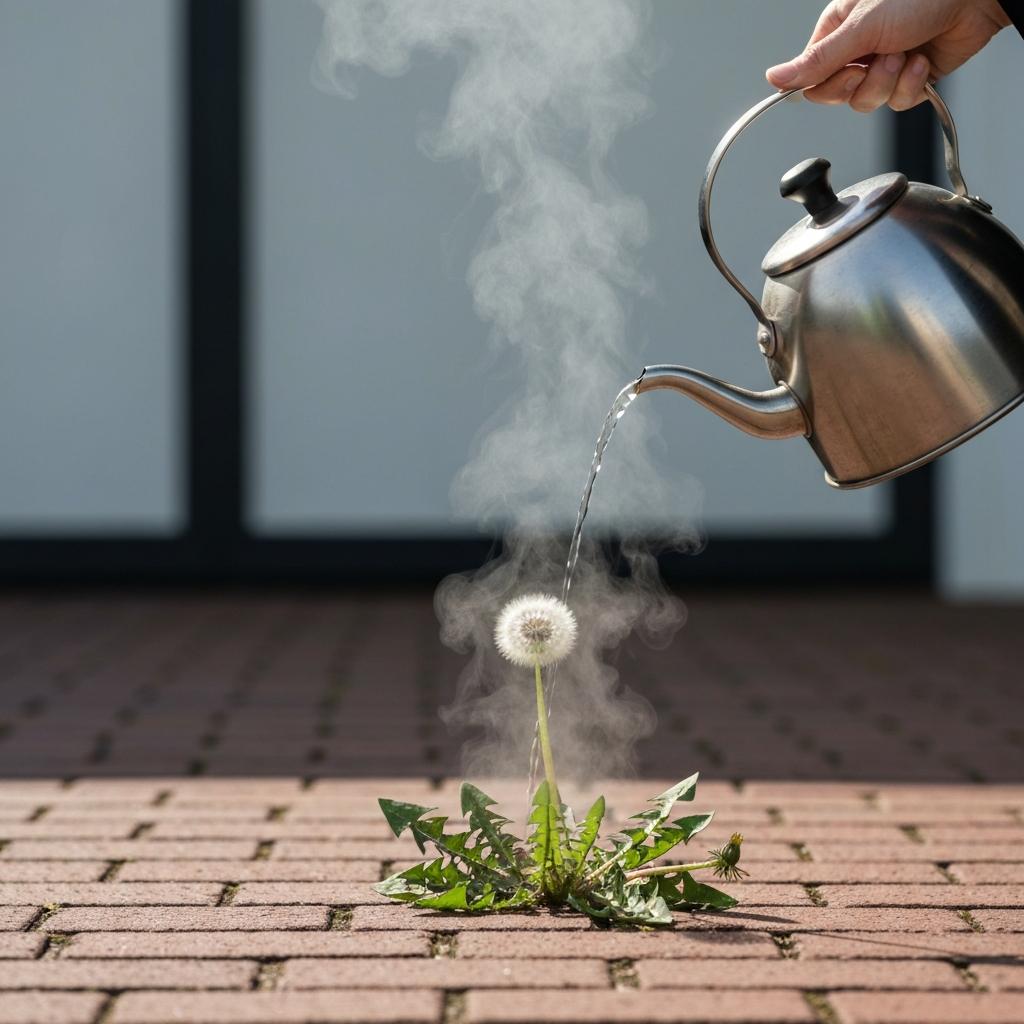
Boiling water offers a quick and simple solution for killing the dandelion head and preventing seed dispersal. Simply bring a pot of water to a rolling boil and carefully pour it directly onto the dandelion, saturating the entire plant. The intense heat will cause the dandelion to wilt and die. This method is most effective on young dandelions before they've developed a deep root system. Be extremely cautious to avoid splashing boiling water onto surrounding plants, as it will damage or kill them.
Step 3: Targeted Weed Killing with Rubbing Alcohol
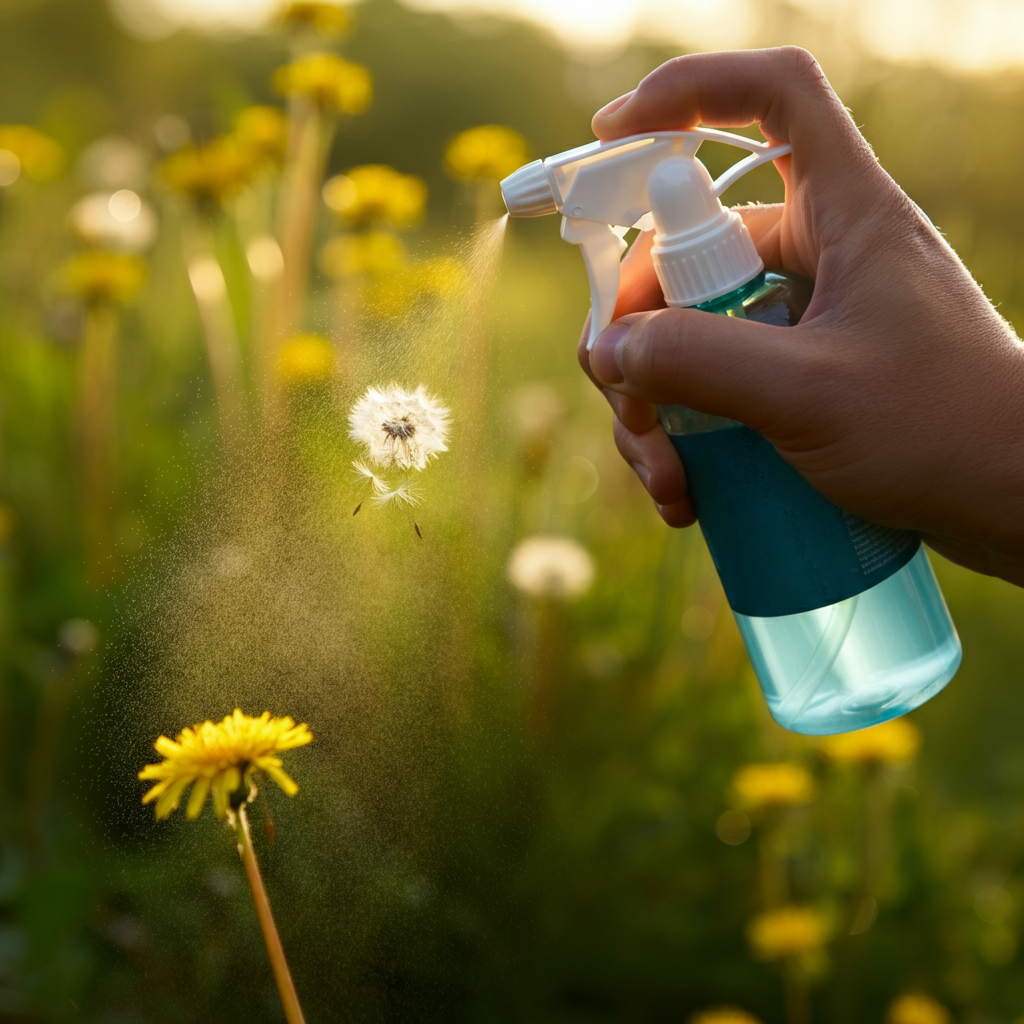
Rubbing alcohol, also known as isopropyl alcohol, acts as a desiccant, drawing moisture away from the dandelion. To create a simple weed killer, mix 2 tablespoons of rubbing alcohol with 1 quart of water in a spray bottle. Apply the solution directly to the dandelion leaves, being careful to avoid overspray onto desirable plants. The best time to apply this mixture is on a hot, sunny day when the dandelion is actively growing. The alcohol will cause the leaves to wilt and eventually die.
Step 4: Unleash the Power of Horticultural Vinegar
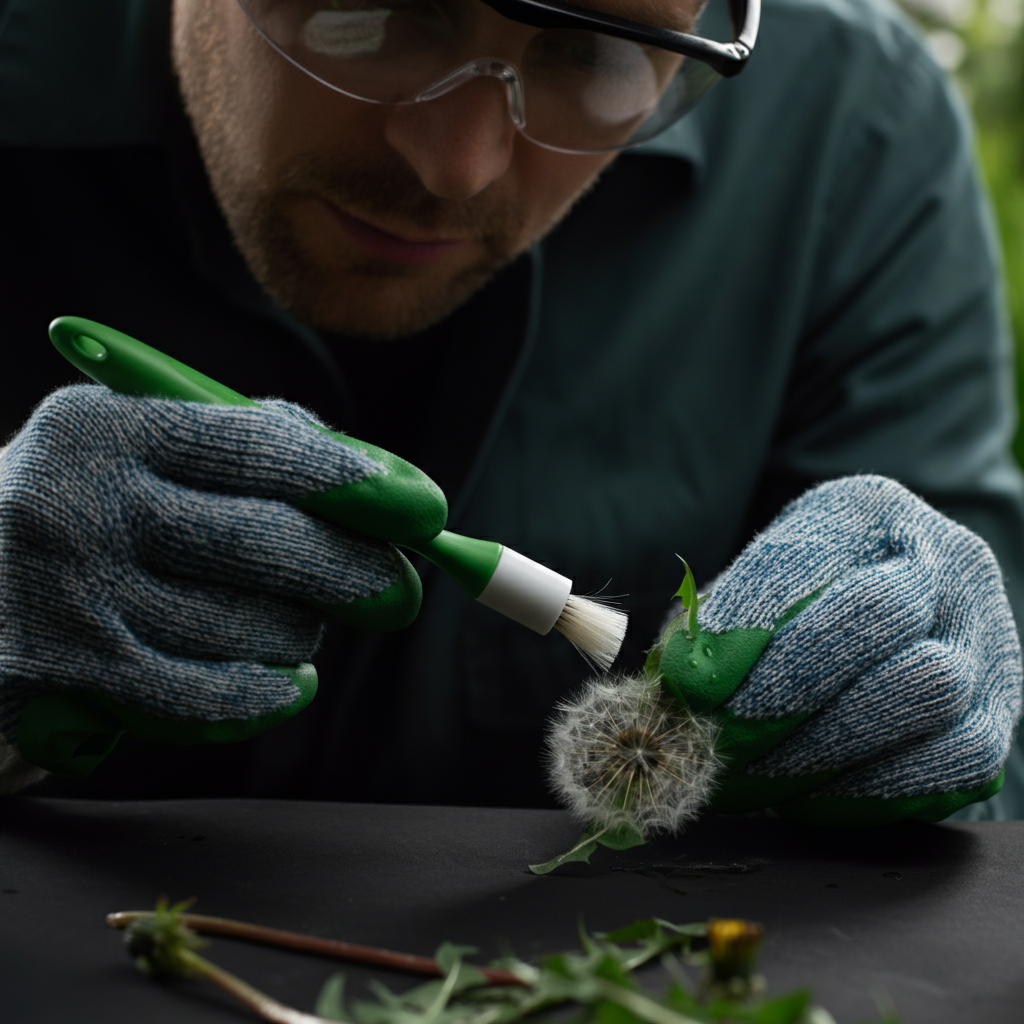
Horticultural vinegar is a much stronger form of acetic acid than the vinegar you use in your kitchen, making it a potent natural herbicide. Always wear protective gear, including gloves, eye protection, and long sleeves, when handling horticultural vinegar. Apply the vinegar directly to the dandelion leaves, being careful to avoid contact with surrounding plants. Due to its acidic nature, horticultural vinegar can damage other vegetation. Use a small paintbrush for precise application.
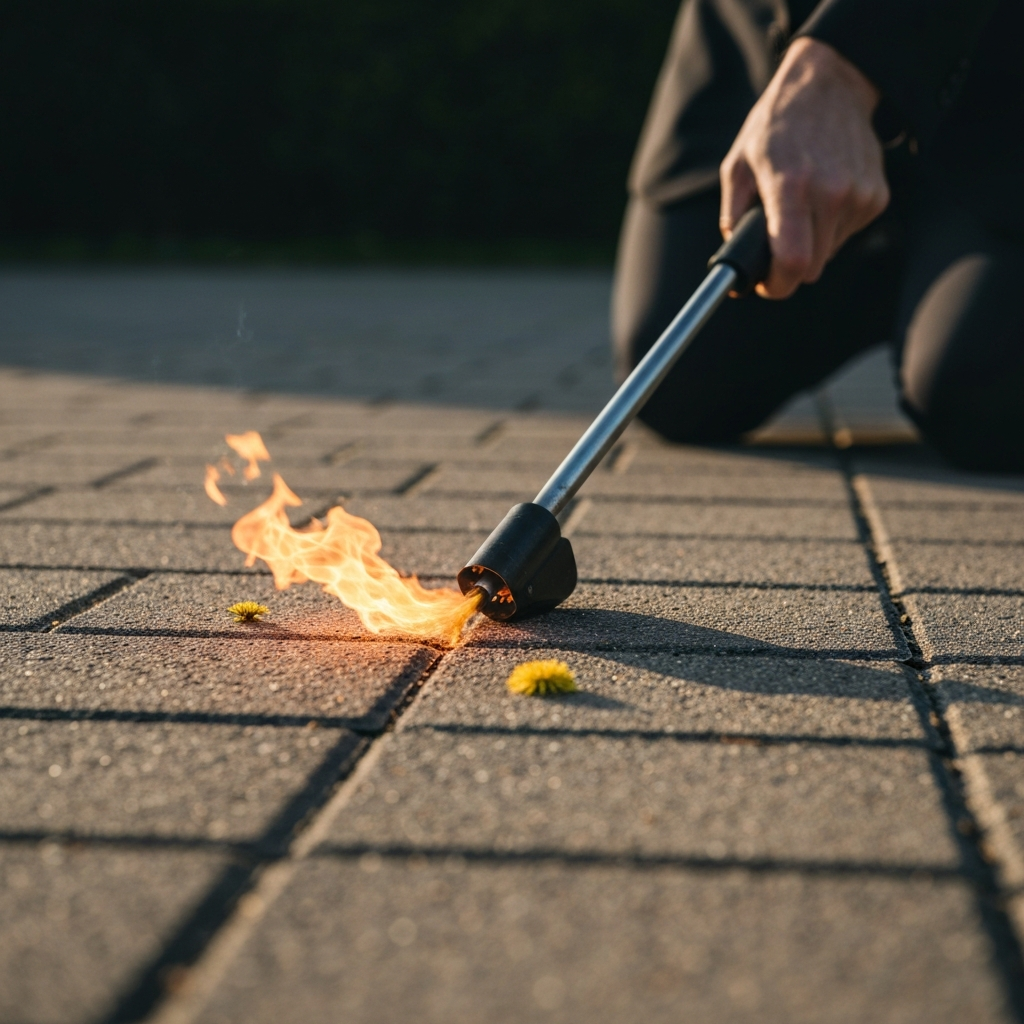
Step 5: Flame Weeding: A Quick Fix for Visible Dandelions
Flame weeding offers a rapid way to eliminate the above-ground portion of dandelions. These tools use a small, controlled flame to quickly heat the plant tissue, causing it to wilt and die. While flame weeding won't kill the root system, it effectively prevents seed production and can provide immediate visual improvement. Before using a flame weeder, dampen the surrounding area with water to prevent accidental fires. Pass the flame quickly over the dandelion, avoiding prolonged exposure that could ignite surrounding vegetation. This is best suited for well-established paths and driveways where accidental damage is less of a concern.
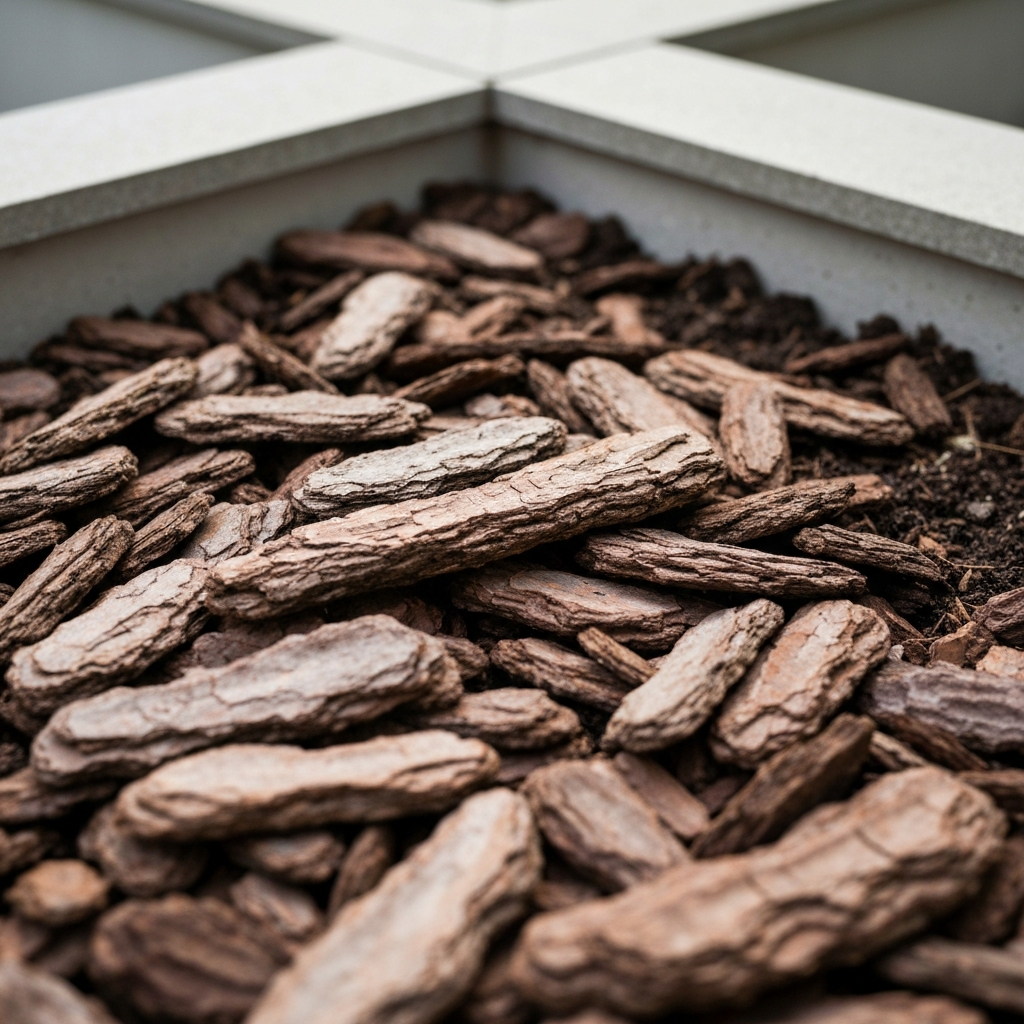
Step 6: Mulch: Preventative Measure for Dandelion Control
Mulch acts as a physical barrier, preventing dandelion seeds from germinating and establishing themselves. Apply a 2-3 inch layer of organic mulch, such as wood chips, shredded bark, or straw, to areas prone to dandelion growth. Ensure the mulch layer is thick enough to block sunlight from reaching the soil surface. Mulch also helps to retain moisture and improve soil health, further discouraging dandelion growth. This is an effective preventative measure for garden beds and around trees and shrubs.
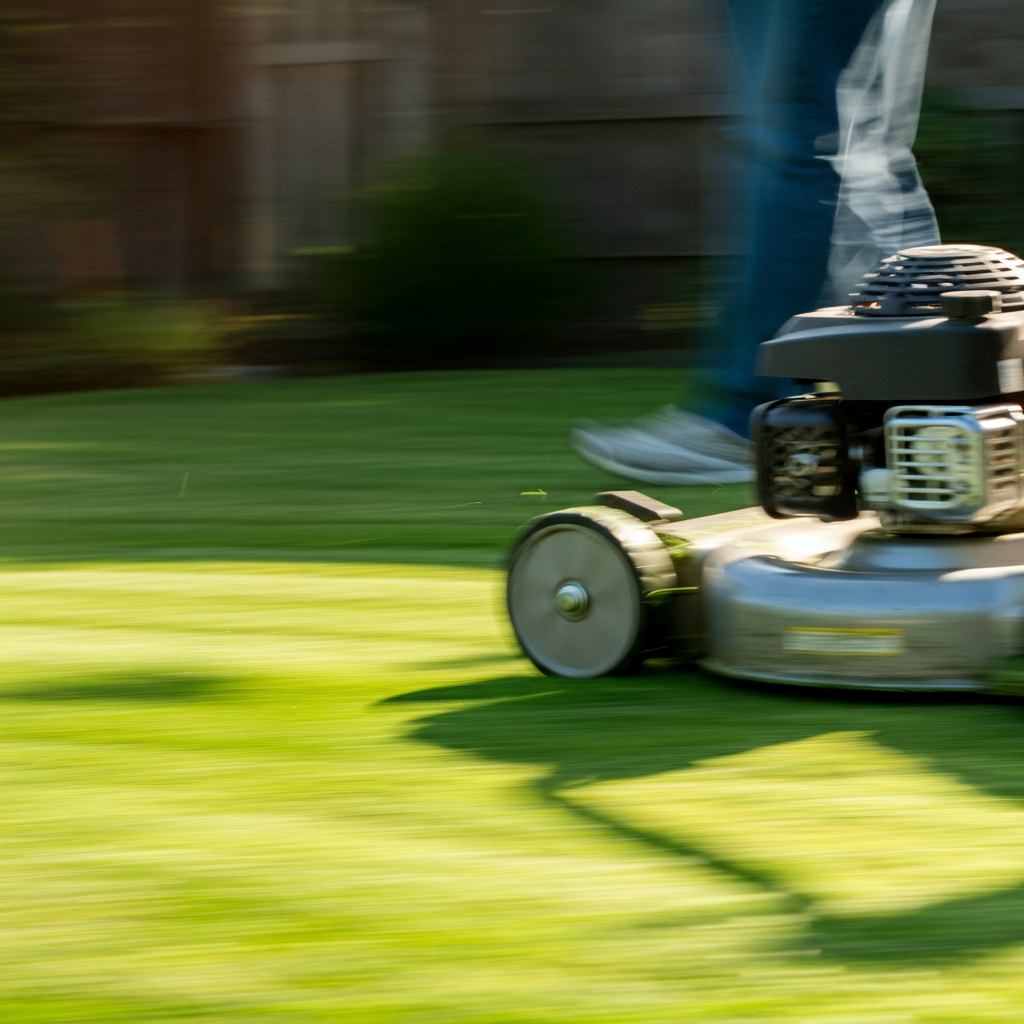
Step 7: Strategic Mowing for Dandelion Suppression
Regular mowing can help to prevent dandelions from flowering and producing seeds, limiting their spread. Mow your lawn at a height of 3-4 inches. Leaving the grass slightly longer creates shade, which can inhibit dandelion growth. Avoid bagging your grass clippings, as they can help to suppress dandelion seed germination. A well-maintained lawn is a natural defense against weed infestations.
Step 8: Amend Your Soil with Compost
Dandelions thrive in acidic soils. By amending your soil with compost, you can increase its pH and create a less favorable environment for dandelions. Compost also improves soil drainage and aeration, promoting healthy grass growth, which can outcompete dandelions. Incorporate compost into your soil before planting or as a topdressing to gradually improve soil health over time.

Step 9: Smothering: A Long-Term Solution for Heavily Infested Areas
Smothering is an effective method for eliminating large patches of dandelions, particularly when preparing a new garden bed. Cover the infested area with cardboard or several layers of newspaper, overlapping the edges to prevent sunlight from reaching the plants. Top the cardboard or newspaper with a layer of compost or mulch to weigh it down and retain moisture. This method effectively blocks sunlight, preventing the dandelions from photosynthesizing and eventually killing them. Leave the smothering material in place for several months to ensure complete eradication.
Tools or Materials Required
- Dandelion digger or garden fork
- Boiling water
- Spray bottle
- Rubbing alcohol
- Horticultural vinegar (with appropriate safety gear: gloves, eye protection, long sleeves)
- Flame weeder
- Mulch (wood chips, shredded bark, straw)
- Lawn mower
- Compost
- Cardboard or newspaper
Safety Considerations
- Always wear appropriate safety gear, such as gloves and eye protection, when handling horticultural vinegar or using a flame weeder.
- Be cautious when using boiling water to avoid burns.
- Avoid spraying rubbing alcohol or horticultural vinegar on desirable plants.
- Never leave a flame weeder unattended.
Pro Tips
- The best time to kill dandelions is in the spring or fall when they are actively growing.
- Be persistent. It may take several attempts to completely eradicate dandelions from your lawn or garden.
- Consider leaving a few dandelions to benefit pollinators.
FAQ Section
- Will these methods kill the grass around the dandelions?
- Some of these methods, like boiling water and horticultural vinegar, can harm or kill grass if applied directly. Take care to target only the dandelions.
- How long will it take to see results?
- The time it takes to see results varies depending on the method used. Boiling water and flame weeding provide immediate results, while hand-pulling and smothering may take several weeks or months.
- Are dandelions really edible?
- Yes, all parts of the dandelion are edible and nutritious. The leaves can be used in salads, the flowers can be fried, and the roots can be roasted.
Conclusion
Killing dandelions naturally requires patience and persistence, but the benefits of avoiding harsh chemicals are well worth the effort. By combining the techniques outlined in this guide, you can effectively control dandelions and create a healthier, more beautiful outdoor space. Remember to focus on removing the root, preventing seed dispersal, and creating a less favorable environment for dandelion growth. With dedication and consistent effort, you can reclaim your lawn and garden from these tenacious weeds.