The question that has plagued breakfast tables and sparked countless debates: is cereal a soup? It seems simple, but delving into this culinary quandary reveals a surprisingly complex and nuanced discussion. From dictionary definitions to the very essence of what defines a "soup," we'll explore all facets of this milky matter.
This isn't just about semantics; it's about understanding the fundamental principles of food categorization and the ever-evolving nature of language. Prepare to have your preconceptions challenged and your understanding of both cereal and soup expanded. Whether you're a staunch "cereal is not soup" advocate or a secret cereal-soup supporter, this guide will provide the definitive answers and arguments you need.
We'll examine the arguments from all sides, dissect the definitions, and ultimately, help you decide for yourself where you stand on this crucial culinary issue. Get ready to dive deep into the world of breakfast, lunch, dinner, and… soup?
Step 1: Understanding the Traditional Definition of Soup
Before we can determine if cereal qualifies as soup, we must first understand what soup is. Most dictionaries define soup as a liquid food, typically made by boiling or simmering meat, fish, or vegetables in water or stock. This definition emphasizes a cooked base and often includes savory ingredients. However, this definition may be too narrow, as it doesn't account for cold soups, dessert soups, or cream-based soups. It's crucial to acknowledge this potential limitation before proceeding.

Step 2: Examining Cereal's Composition
Cereal, in its simplest form, consists of processed grains, often sweetened and fortified with vitamins and minerals. It's typically served cold, with milk (or a milk alternative) poured over it. Unlike traditional soups, cereal doesn't require cooking or simmering. The "broth" in this case, the milk, is added cold and is not typically altered by the cereal itself, beyond absorbing some flavor and softening the pieces. The preparation is quick and straightforward, a stark contrast to the often lengthy process of making soup.

Step 3: The "Cold Soup" Argument
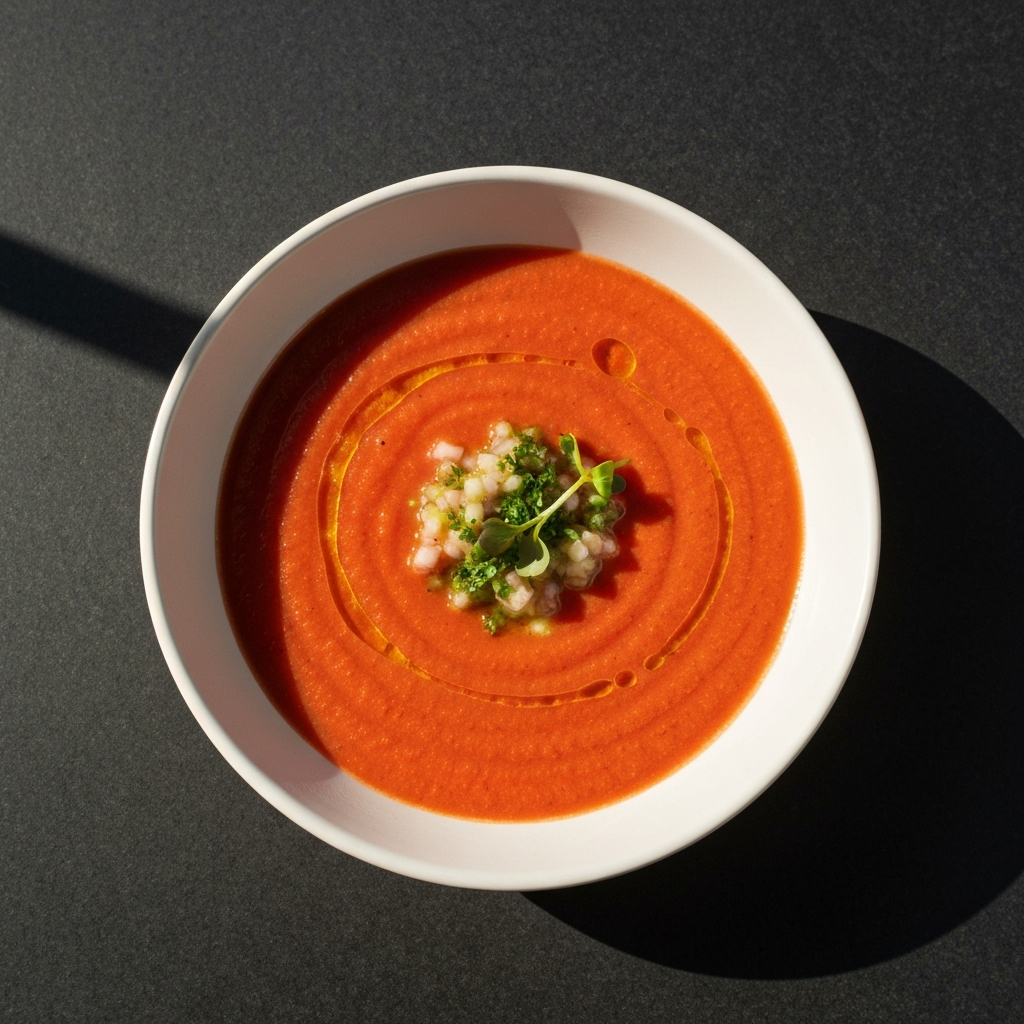
Proponents of the "cereal is soup" theory often point to the existence of cold soups like gazpacho or vichyssoise. These soups are served chilled, challenging the notion that soup must be hot. While it's true that cold soups exist, they are still prepared with a specific recipe and intentional blending of flavors, unlike the simple addition of milk to cereal. Consider the complexity of gazpacho, involving blending various vegetables and seasonings; cereal's preparation lacks this nuanced process.
Step 4: Exploring Dessert Soups
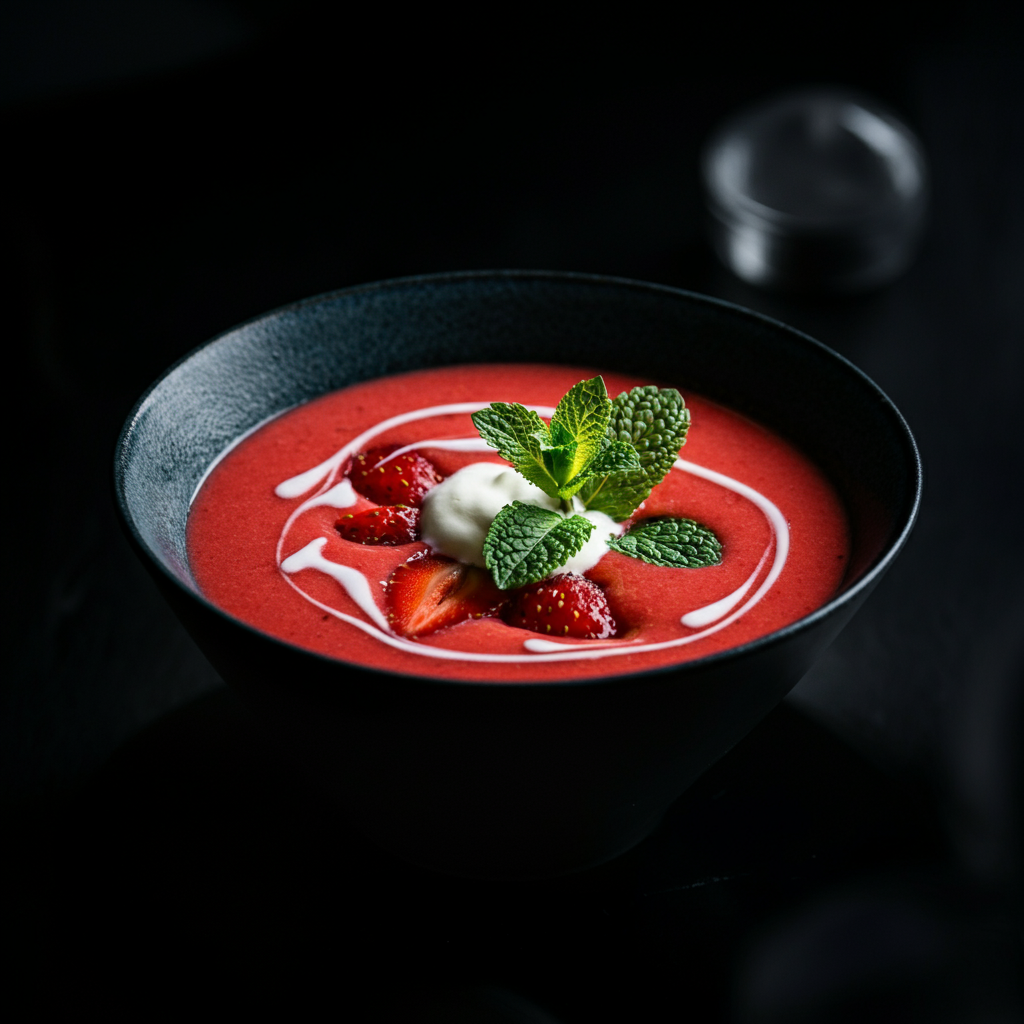
Another argument centers around dessert soups, which are sweet and often fruit-based. These soups challenge the idea that soup must be savory. While dessert soups share the liquid consistency of traditional soups, they are categorized as desserts, not as a main course or side dish like most soups. Therefore, using dessert soups as a justification is a bit of a stretch, but raises interesting questions about classification nonetheless. Furthermore, their ingredient lists often feature complex preparations and cooking techniques.
Step 5: The Milk-Based Soup Counterpoint
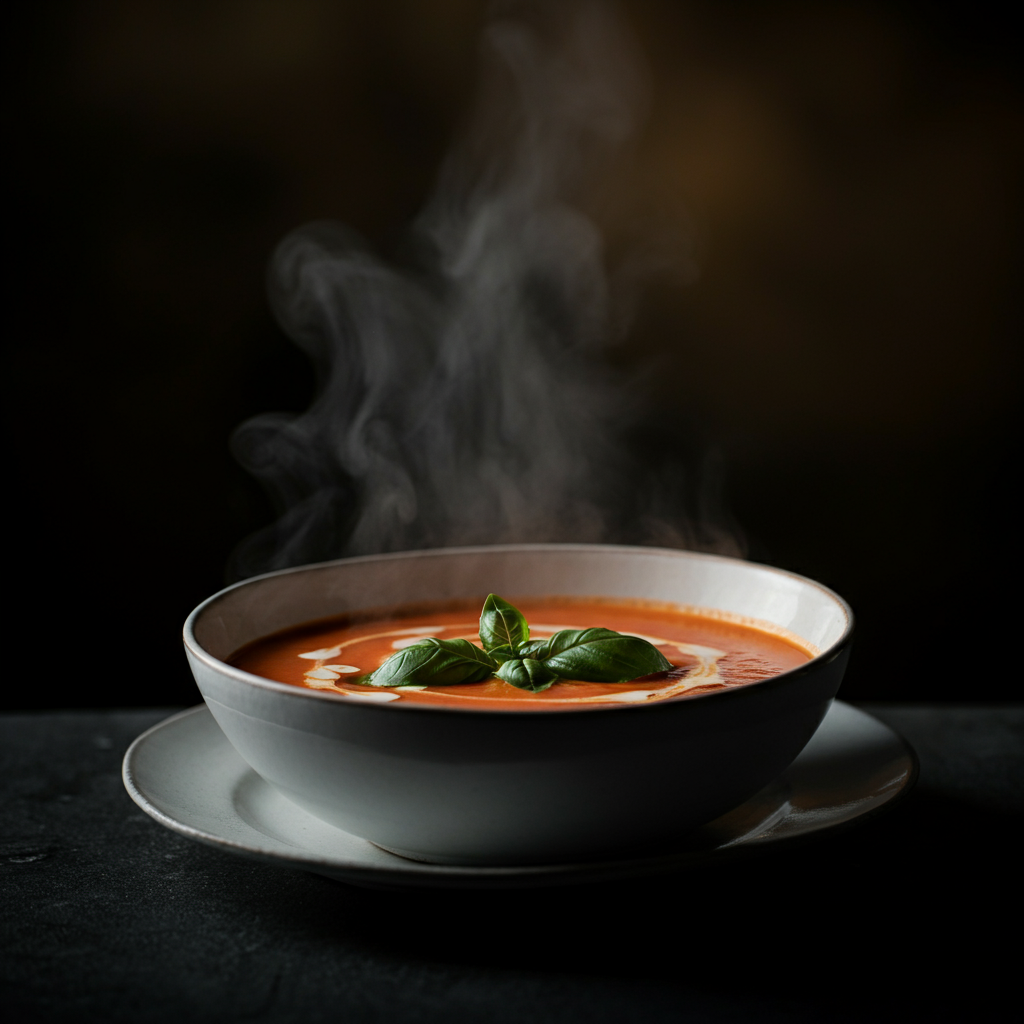
Some soups, like cream of mushroom or New England clam chowder, have milk or cream as a base. This raises the question: can milk itself be considered a "broth"? While milk can certainly serve as a liquid component in soup, the defining characteristic of these soups is the cooking process, where milk is heated and combined with other ingredients to create a cohesive flavor profile. This is notably absent in the preparation of cereal.
Step 6: The Preparation and Cooking Factor
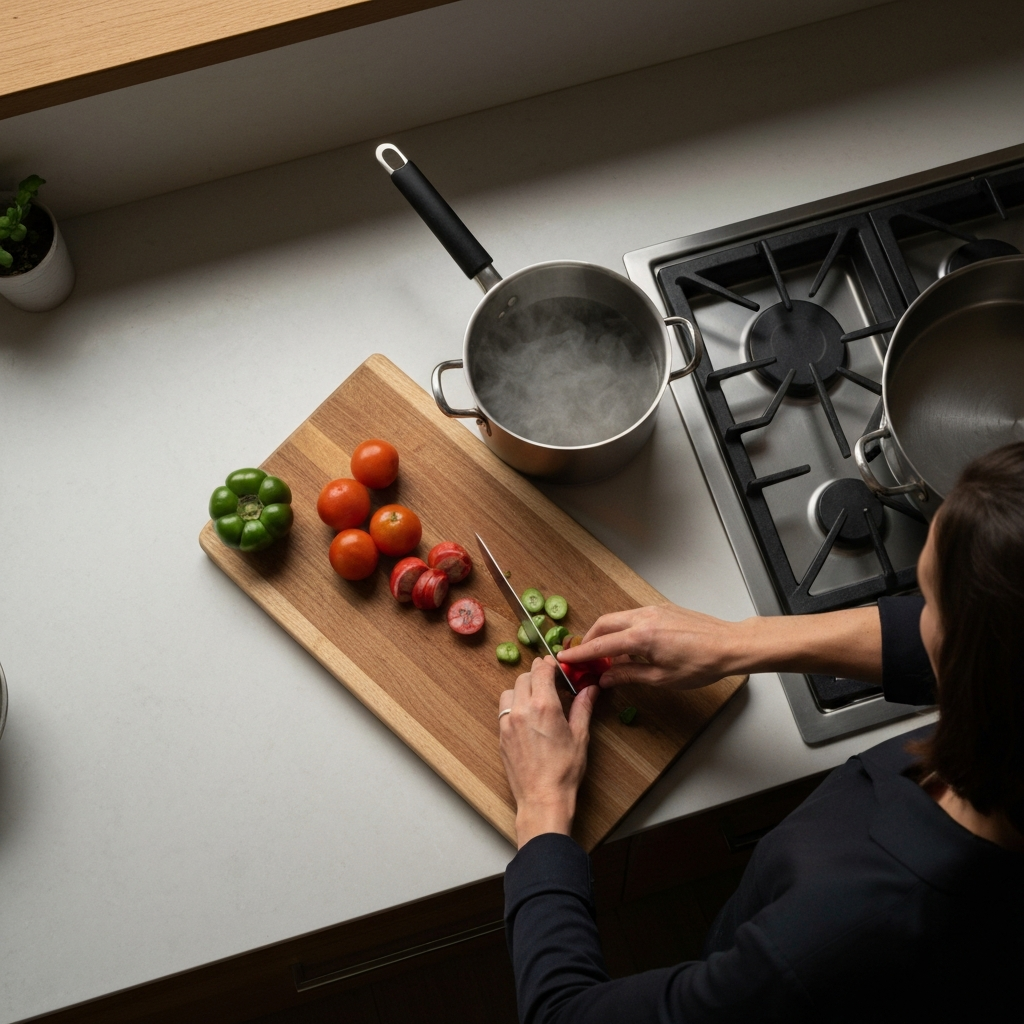
One of the strongest arguments against cereal being soup is the lack of cooking involved. Soup typically requires a cooking process to blend flavors and create a unified dish. Cereal, on the other hand, is simply assembled. Even simple soup recipes require several steps and a degree of culinary skill. The absence of this cooking element is a significant differentiator. Cereal maintains its pre-made consistency whereas soups must evolve to become what they are.
Step 7: The Societal Perception Test
Ultimately, the classification of food often comes down to societal perception. As the Supreme Court ruled with tomatoes, sometimes what something "is" is determined by what people generally consider it to be. Hardly anyone would consider cereal to be a soup and furthermore, if one declared "soup for dinner" it would be a genuine shock for a bowl of cereal to appear. While personal beliefs matter, this societal consensus is a crucial factor in the debate.

FAQ Section
Q: Can I call cereal soup if I want to?
A: Absolutely! Language is fluid and personal definitions are valid. While it may not align with traditional definitions, you're free to consider cereal a soup in your own mind.
Q: Is cereal a salad?
A: While some might jokingly suggest this, cereal lacks the key characteristics of a salad, which typically involves fresh greens or vegetables and a dressing. Cereal is definitively not a salad.
Conclusion
While the debate may continue, the evidence suggests that cereal, by most traditional definitions and societal norms, is not a soup. The lack of cooking, the simple preparation, and the distinct cultural perception all point away from soup status. However, the exploration of this topic encourages us to consider the fluid nature of language, the evolution of culinary definitions, and the ultimately subjective nature of food categorization.
So, enjoy your cereal, whether you secretly consider it a soup or not. The most important thing is to appreciate the deliciousness and convenience of this classic breakfast (or snack) food. The cereal-soup debate may never truly be settled, but hopefully, this guide has provided you with a comprehensive understanding of the arguments involved.