Air fryers have revolutionized the way we cook, offering a healthier and faster alternative to traditional frying. Their compact size and ease of use make them a favorite in kitchens worldwide. But with this new appliance comes a common question: can you put aluminum foil in an air fryer? The short answer is yes, but there are some important considerations to keep in mind.
Using aluminum foil in your air fryer can simplify cleanup and help cook certain foods more effectively. However, improper use can damage your appliance or result in unevenly cooked food. This comprehensive guide will walk you through the safe and effective ways to use aluminum foil in your air fryer, ensuring delicious results every time.
We'll cover everything from when it's a great idea to use foil to when you should definitely avoid it, ensuring you get the most out of your air fryer while maintaining its longevity and your food's safety. Let's dive in!
Step 1: Understanding the Air Fryer's Function
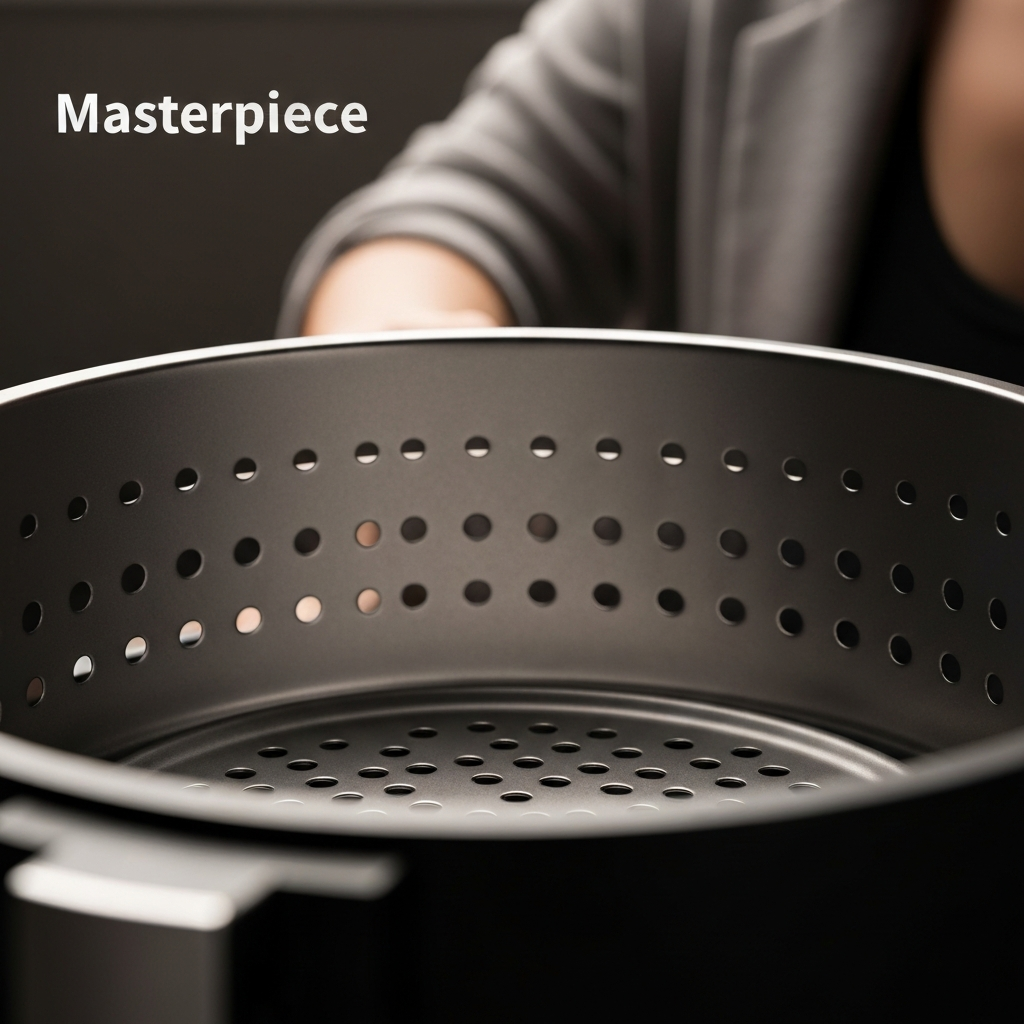
Before using aluminum foil, it’s crucial to understand how an air fryer works. Air fryers circulate hot air around the food, mimicking the effects of deep frying but with significantly less oil. Most air fryers have a basket or tray with perforations that allow for optimal air circulation. This is why using aluminum foil can sometimes interfere with the cooking process if not done correctly.
Step 2: When It's Safe to Use Aluminum Foil
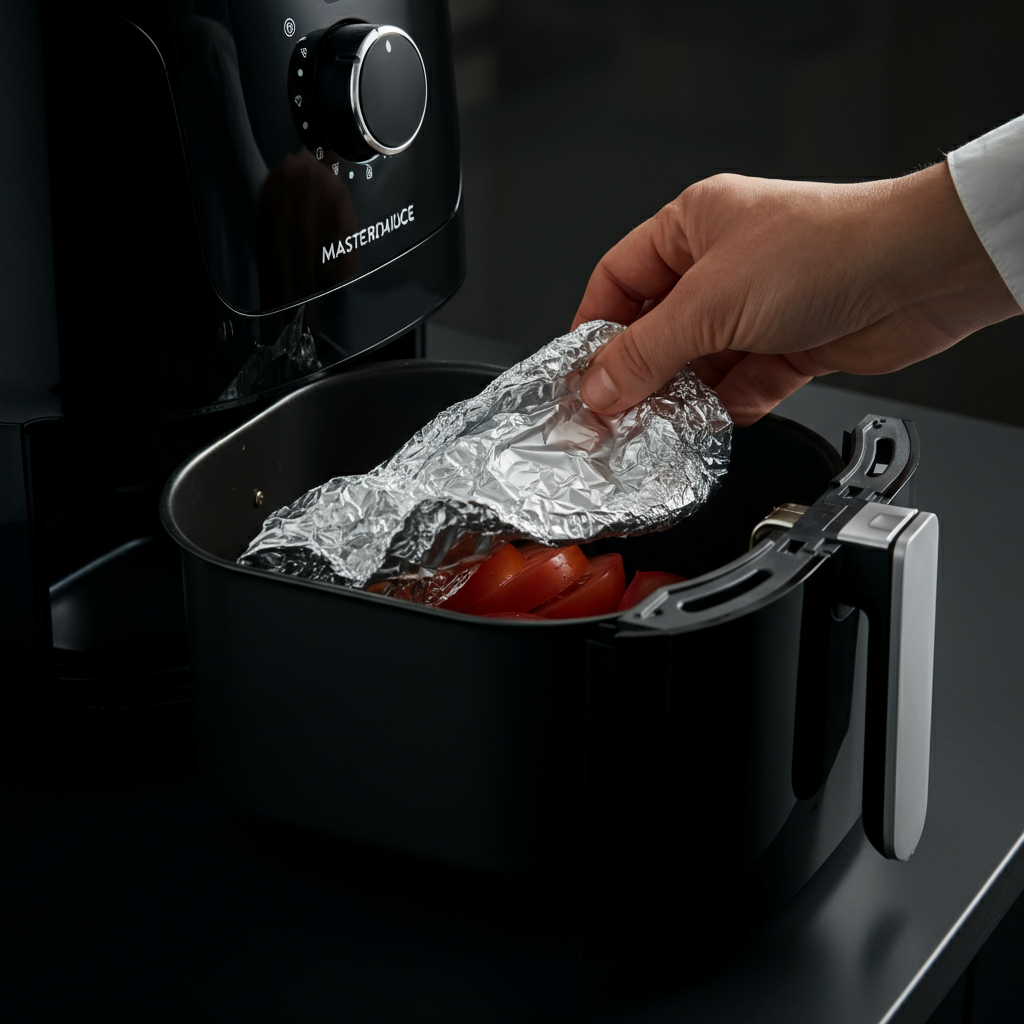
Aluminum foil is generally safe to use in an air fryer under certain conditions. Primarily, ensure that the foil is securely weighed down by the food you are cooking to prevent it from flying around and coming into contact with the heating element. Contact with the heating element can pose a fire hazard and damage the appliance. Additionally, ensure that the foil doesn't completely block airflow, as this can lead to uneven cooking. For basket-style air fryers, you can wrap the foil around the basket before placing it back inside.
Step 3: How to Properly Line the Air Fryer with Foil
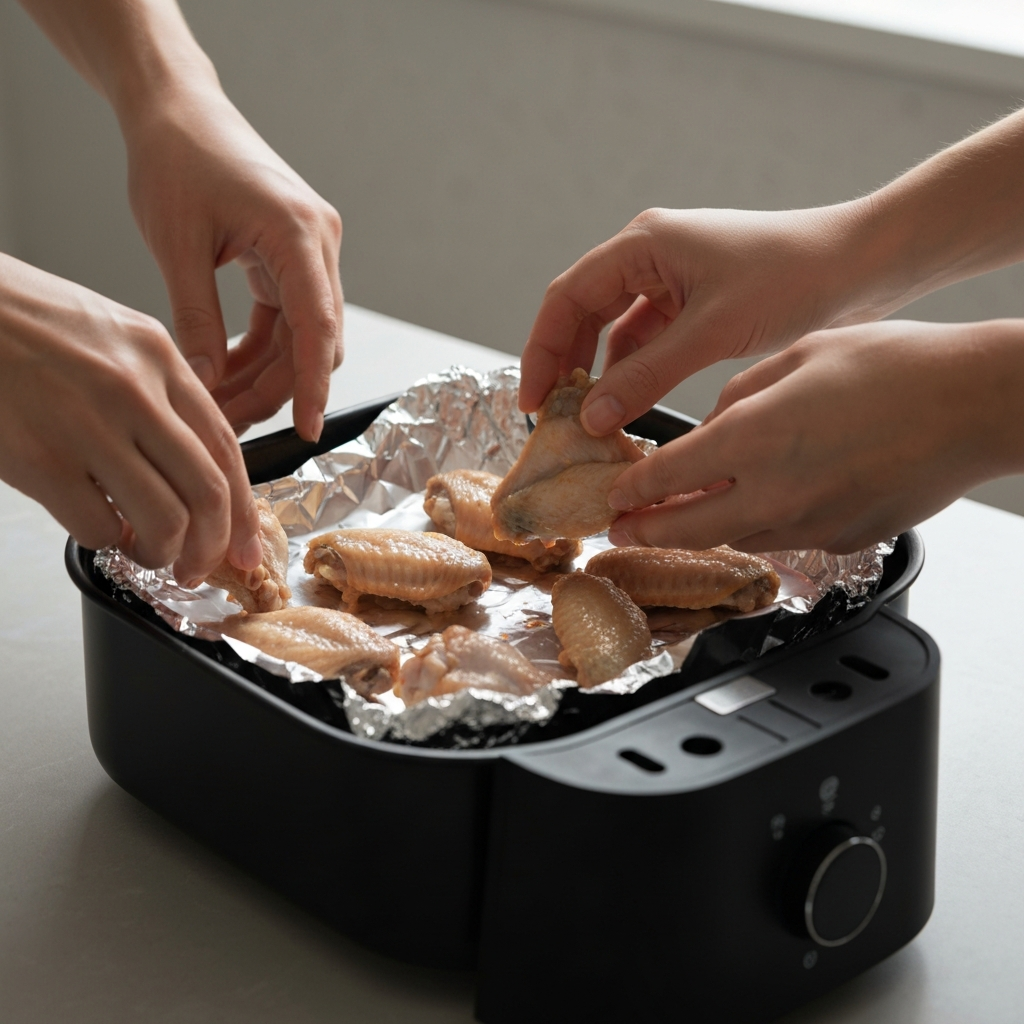
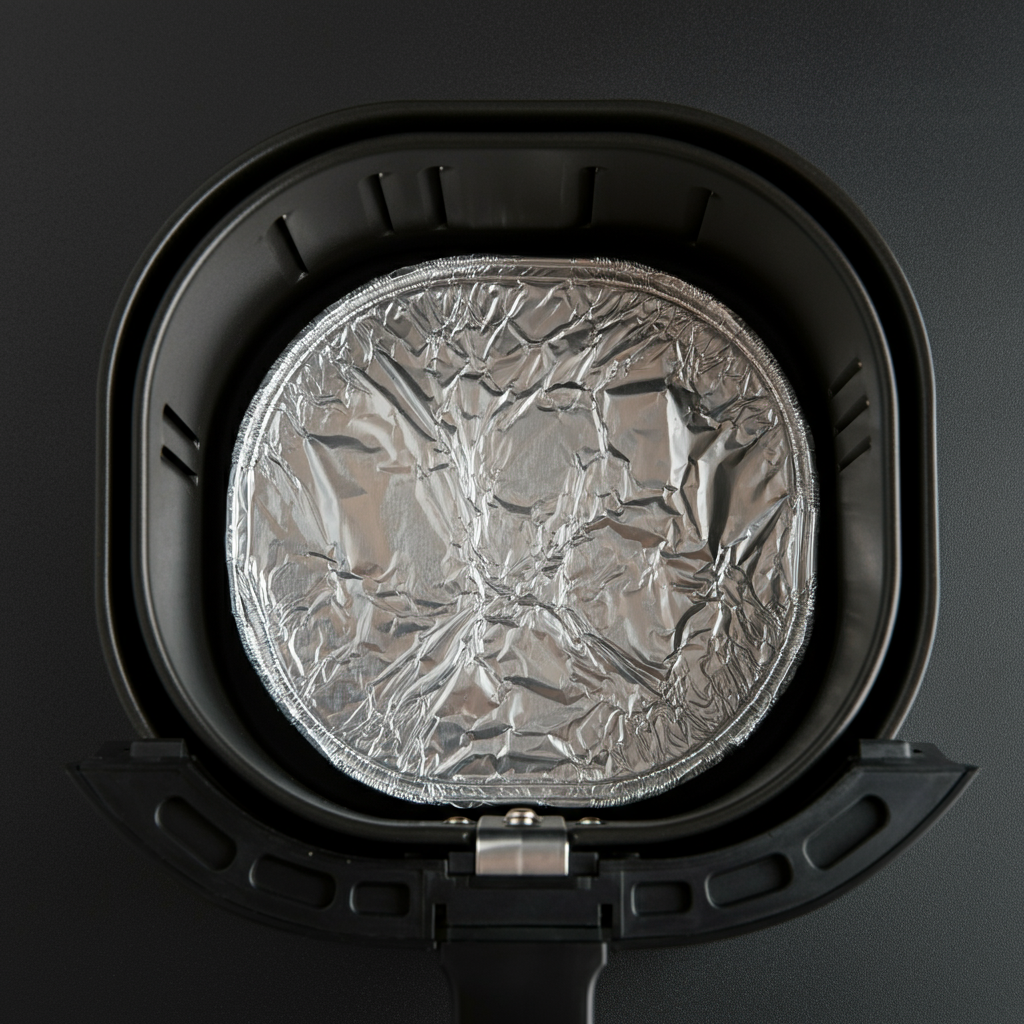
To safely line your air fryer, cut a piece of aluminum foil slightly larger than the bottom of the basket or tray. Mold it to fit snugly, leaving some space around the edges for air circulation. Never cover the entire basket or tray, as this will severely restrict airflow. Always place the food on top of the foil to weigh it down and prevent it from moving during cooking. If you're cooking something particularly greasy, consider adding a few small holes to the foil to allow excess grease to drip through.
Step 4: Foods That Benefit from Foil Lining
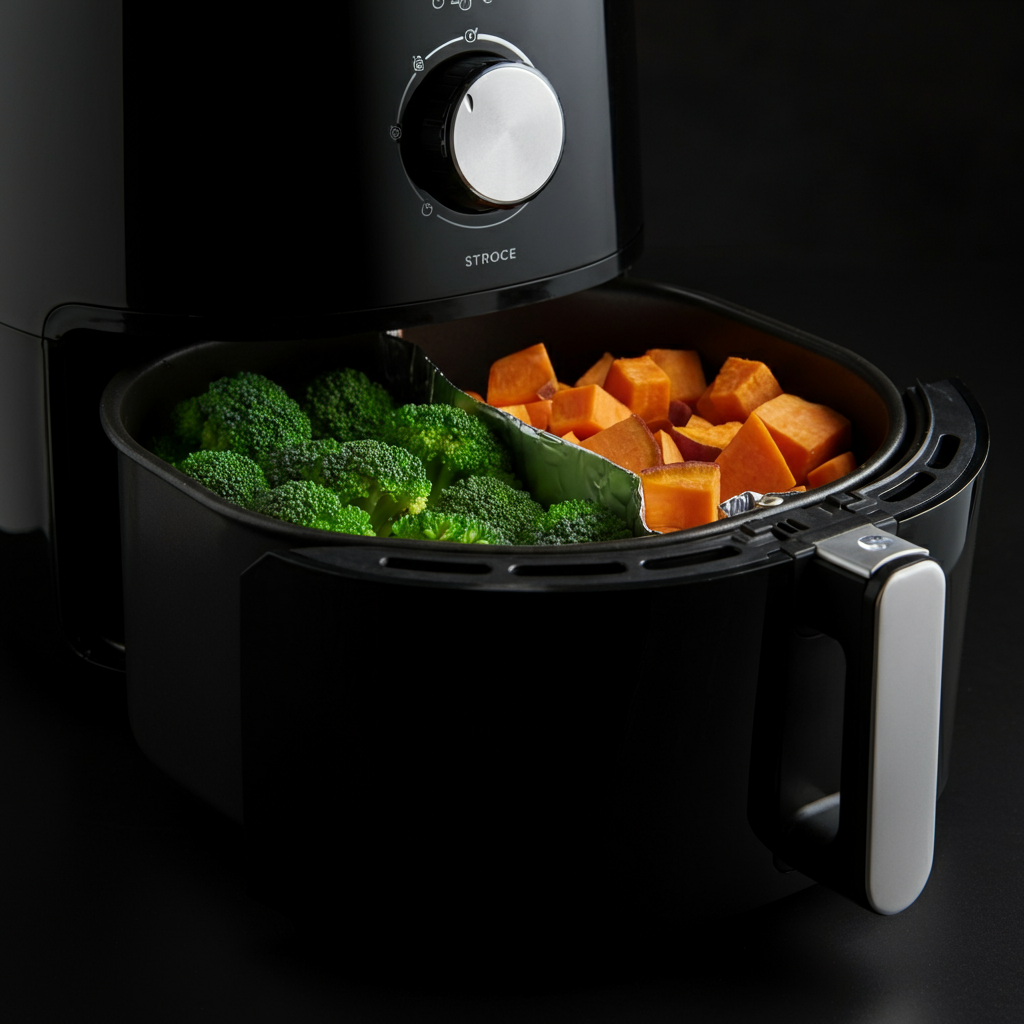
Certain foods benefit greatly from being cooked on aluminum foil in an air fryer. Saucy foods, like chicken wings or ribs, are ideal as the foil prevents the sauce from burning and sticking to the basket. Delicate foods, such as fish or vegetables, also benefit as the foil prevents them from drying out and makes them easier to handle. Foil can also be used to separate different types of food within the basket, allowing you to cook multiple items at once without them mixing together.
Step 5: When to Avoid Using Aluminum Foil
There are situations where using aluminum foil in your air fryer is not recommended. Avoid using foil when cooking acidic foods like tomatoes or citrus fruits, as the acid can react with the aluminum, potentially leaching into your food and affecting the flavor. Also, if you are cooking very light foods that may not adequately weigh down the foil, it's best to avoid using it altogether. Finally, if your air fryer manufacturer specifically advises against using aluminum foil, heed their warning.
Step 6: Alternative Liners: Parchment Paper
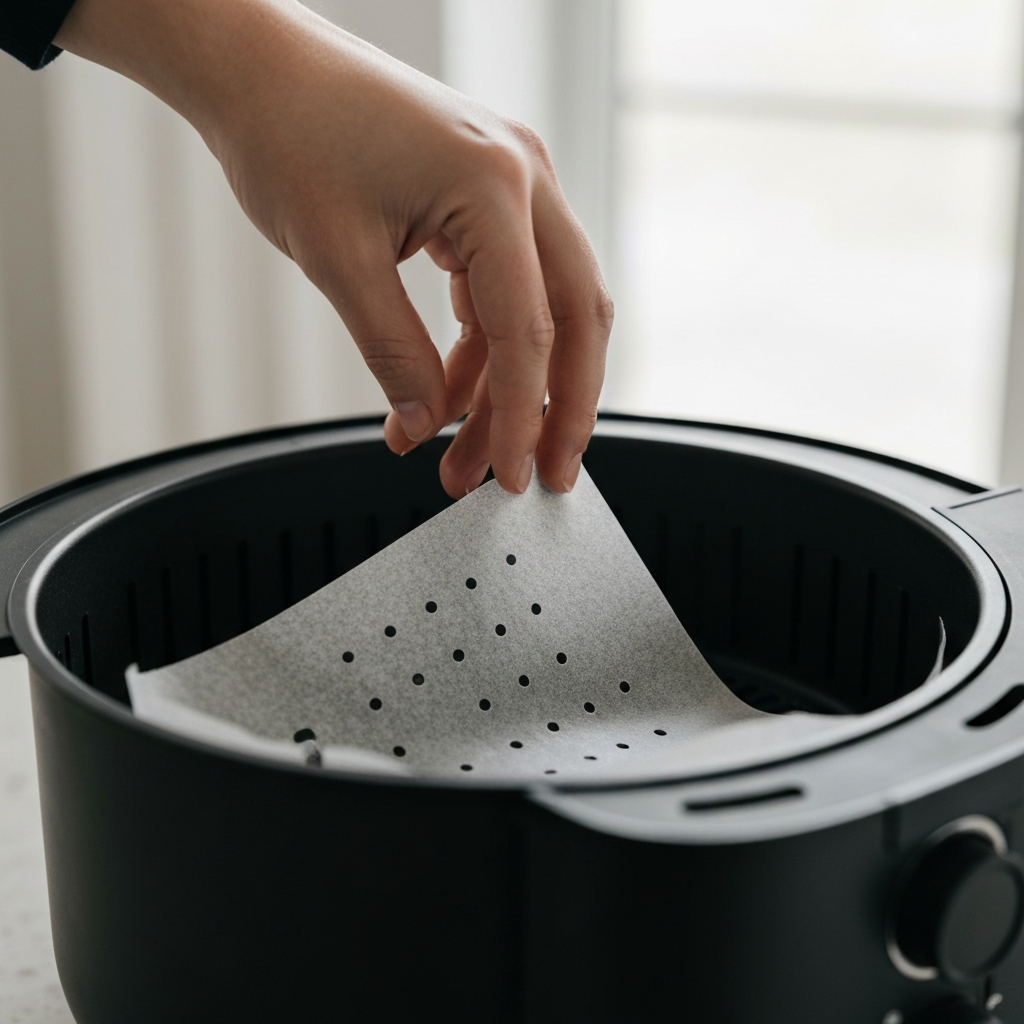
If you're concerned about the potential downsides of using aluminum foil, parchment paper is a great alternative. Like foil, it simplifies cleaning and prevents food from sticking. Ensure the parchment paper is also weighed down by food and does not come into contact with the heating element. Parchment paper with pre-cut holes is available, specifically designed for air fryers to maintain proper air circulation.
Safety Considerations
Always ensure that the aluminum foil or parchment paper is securely in place and cannot come into contact with the heating element. Regularly check the foil for tears or damage during cooking. Never leave the air fryer unattended while in use. Follow the manufacturer's instructions for your specific air fryer model. If you notice any sparks or unusual smells, immediately turn off and unplug the air fryer.
Common Mistakes to Avoid
One of the most common mistakes is covering the entire air fryer basket with foil, which restricts airflow. Another mistake is using foil that is too small, allowing food to drip onto the basket. Failing to weigh down the foil is a major safety hazard. Ignoring manufacturer warnings regarding the use of foil can also damage your appliance.
FAQ Section
Q: Can I use aluminum foil balls in my air fryer?
A: While technically possible, it's not recommended. Aluminum foil balls may not provide even heat distribution and could potentially come into contact with the heating element.
Q: Does using aluminum foil affect cooking time?
A: It can slightly increase cooking time, as it may reduce airflow. Keep a close eye on your food and adjust accordingly.
Q: Can I reuse aluminum foil in my air fryer?
A: It's generally not recommended to reuse aluminum foil, especially if it has food residue or tears. Fresh foil ensures better hygiene and safety.
Conclusion
Using aluminum foil in your air fryer can be a convenient way to simplify cleanup and enhance cooking for certain foods. However, it's crucial to follow the guidelines outlined in this guide to ensure safety and optimal results. By understanding when and how to use aluminum foil correctly, you can enjoy all the benefits of your air fryer without risking damage to the appliance or compromising the quality of your food. Remember to always prioritize safety and proper usage to get the most out of your air frying experience!