Many people believe that athleticism is an innate quality, something you're either born with or without. However, the truth is that everyone has the potential to unlock their inner athlete. It's not about becoming a professional competitor, but about embracing an active lifestyle, improving your physical capabilities, and enjoying the process. This guide is designed to help beginners navigate the world of sports and fitness, providing a structured approach to achieving your personal goals.
Embarking on a fitness journey can seem daunting, filled with conflicting information and intimidating expectations. This guide aims to simplify the process, providing actionable steps and practical advice for building a solid foundation. Remember, consistency and patience are key. Focus on progress, not perfection. This journey is about you, your body, and your well-being.
This guide will provide a framework. Consult with medical professionals before starting any fitness program, especially if you have pre-existing health conditions. With dedication and proper guidance, you can unlock your inner athlete and enjoy the myriad benefits of a healthy, active lifestyle.
Step 1: Define Your Goals
Set SMART Fitness Goals
Before lacing up your shoes or signing up for a gym membership, it's crucial to define what you want to achieve. Generic goals like "get in shape" are often too vague to be effective. Instead, focus on setting SMART goals: Specific, Measurable, Achievable, Relevant, and Time-bound. For example, instead of saying "I want to lose weight," try "I want to lose 5 pounds in 8 weeks by exercising three times a week and making healthier food choices." Having clearly defined goals will provide direction and motivation. Consider both short-term and long-term objectives to keep you engaged and progressing.

Step 2: Choose Activities You Enjoy
Explore Different Sports and Fitness Options
The best way to stick to a fitness routine is to choose activities that you genuinely enjoy. Explore different options like running, swimming, cycling, hiking, team sports (basketball, soccer, volleyball), dance classes, yoga, Pilates, or martial arts. Experiment with various activities until you find something that excites you. Don't be afraid to try something new – you might discover a hidden passion. Remember that physical activity shouldn't feel like a chore; it should be an enjoyable part of your lifestyle.

Step 3: Create a Training Plan
Develop a Structured Workout Routine
Once you've chosen your activities, create a structured training plan. Start slowly and gradually increase the intensity and duration of your workouts. A well-rounded plan should include cardiovascular exercise (running, swimming, cycling), strength training (weightlifting, bodyweight exercises), and flexibility/mobility exercises (stretching, yoga). Aim for at least 150 minutes of moderate-intensity aerobic activity or 75 minutes of vigorous-intensity aerobic activity per week, along with strength training exercises that work all major muscle groups twice a week. Listen to your body and adjust the plan as needed.
Step 4: Prioritize Proper Nutrition
Fuel Your Body for Performance
Exercise is only one piece of the puzzle; proper nutrition is equally important. Focus on eating a balanced diet that includes plenty of fruits, vegetables, lean protein, and whole grains. Avoid processed foods, sugary drinks, and excessive amounts of unhealthy fats. Hydration is also crucial, so drink plenty of water throughout the day, especially before, during, and after workouts. Consider consulting with a registered dietitian or nutritionist for personalized guidance on meal planning and dietary strategies.

Step 5: Focus on Recovery
Rest and Repair Your Muscles
Recovery is an often-overlooked but essential aspect of any fitness program. Your muscles need time to rest and repair after workouts. Aim for at least 7-8 hours of quality sleep per night. Incorporate rest days into your training plan and listen to your body if you feel sore or fatigued. Other recovery strategies include stretching, foam rolling, massage, and active recovery (light activity like walking or swimming). Overtraining can lead to injuries and burnout, so prioritize rest and recovery.

Step 6: Track Your Progress and Stay Motivated
Monitor Your Performance and Celebrate Milestones
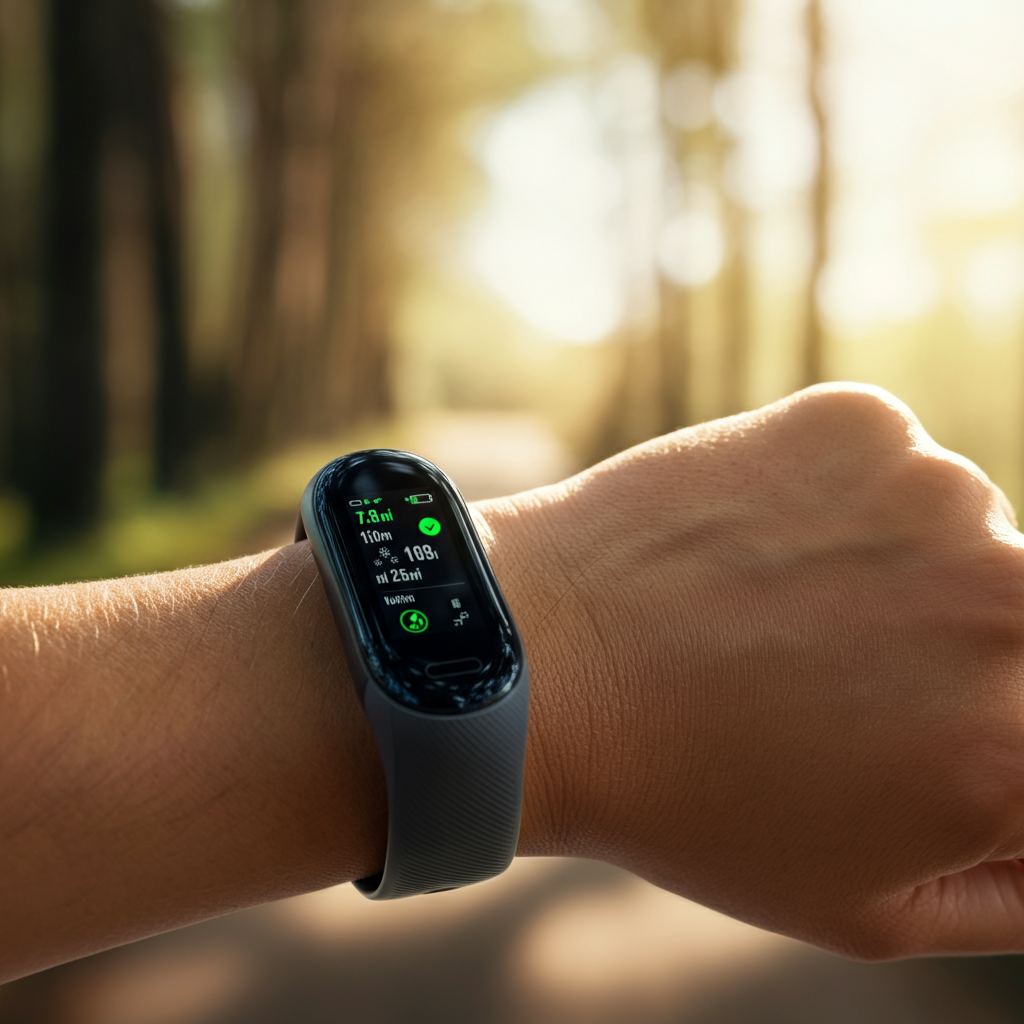
Tracking your progress is a great way to stay motivated and see how far you've come. Use a fitness tracker, journal, or app to record your workouts, nutrition, and recovery. Monitor your weight, body measurements, and performance metrics (e.g., running speed, weight lifted). Celebrate your milestones and reward yourself for achieving your goals (e.g., a new workout outfit, a healthy meal at your favorite restaurant). Find a workout buddy or join a fitness community for support and accountability.
Safety Considerations
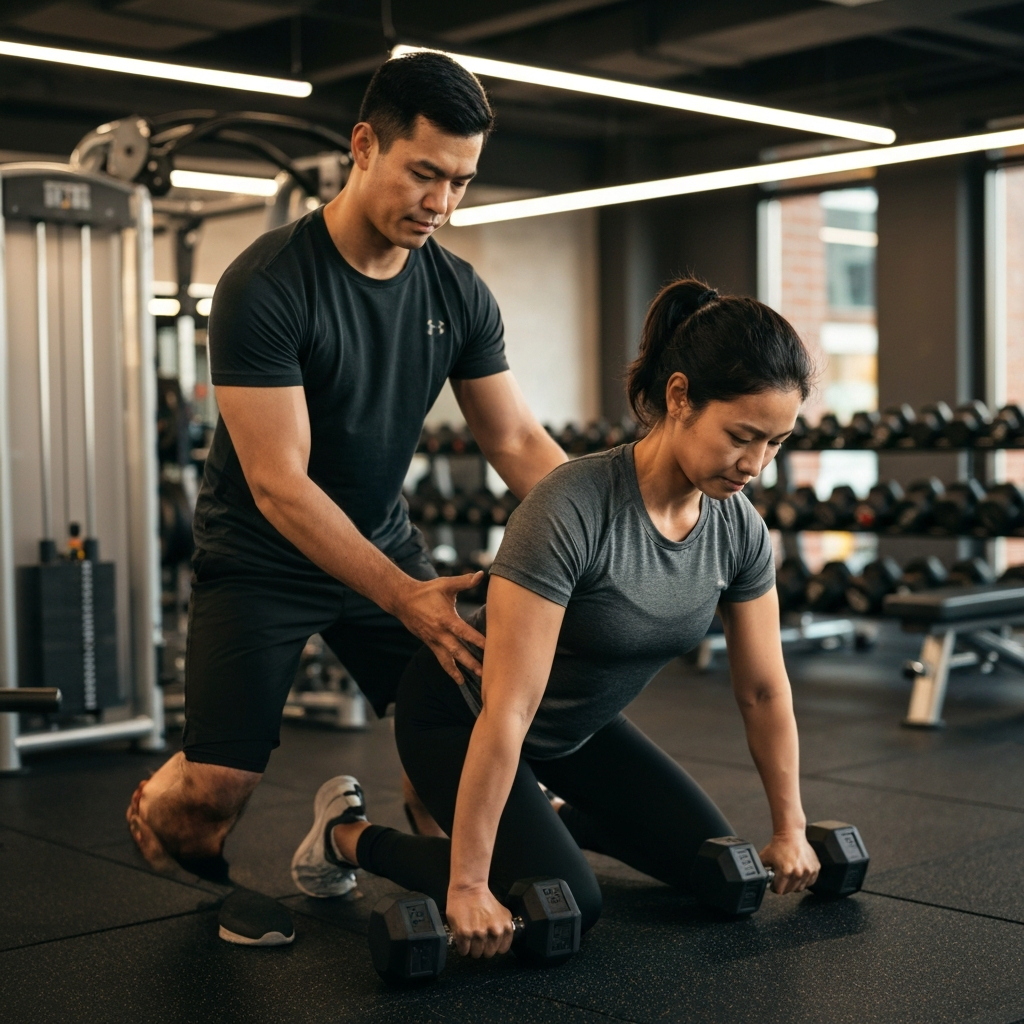
Before starting any new exercise program, it's essential to consult with your doctor, especially if you have any pre-existing health conditions. Always warm up before each workout and cool down afterward to prevent injuries. Use proper form when performing exercises, and don't hesitate to ask for help from a qualified trainer or instructor. Listen to your body and stop if you experience any pain or discomfort. Gradually increase the intensity and duration of your workouts to avoid overtraining.
Pro Tips
- Start small and be patient. Don't try to do too much too soon.
- Find a workout buddy for support and accountability.
- Mix things up to prevent boredom and plateauing.
- Listen to your body and adjust your plan as needed.
- Don't be afraid to ask for help from a qualified professional.
FAQ Section
Q: How often should I exercise?
A: Aim for at least 150 minutes of moderate-intensity aerobic activity or 75 minutes of vigorous-intensity aerobic activity per week, along with strength training exercises that work all major muscle groups twice a week.
Q: What should I eat before and after a workout?
A: Before a workout, focus on easily digestible carbohydrates like a banana or a piece of toast. After a workout, prioritize protein and carbohydrates to help repair and replenish your muscles.
Q: How much water should I drink?
A: Drink plenty of water throughout the day, especially before, during, and after workouts. Aim for at least 8 glasses of water per day, and more if you're sweating heavily.
Conclusion
Unlocking your inner athlete is a journey that requires dedication, patience, and a willingness to learn. By setting SMART goals, choosing activities you enjoy, creating a structured training plan, prioritizing proper nutrition and recovery, and tracking your progress, you can achieve your fitness goals and enjoy the many benefits of an active lifestyle. Remember to listen to your body, stay motivated, and have fun along the way. With consistency and perseverance, you can unlock your full potential and become the athlete you were always meant to be.