Optimal hydration is the cornerstone of peak physical and mental performance. It's not just about drinking water when you feel thirsty; it's about strategically fueling your body with the right fluids at the right times to maximize energy, focus, and overall well-being. Many people underestimate the impact of even slight dehydration on cognitive function and physical endurance. This guide will provide you with actionable steps to optimize your hydration habits, transforming the way you perform daily.
Beyond simply quenching thirst, effective hydration involves understanding your individual needs, accounting for activity levels, environmental factors, and even dietary choices. We'll delve into practical strategies for monitoring your hydration status, choosing the right beverages, and implementing a personalized hydration plan that fits your lifestyle. By mastering these techniques, you can unlock a new level of performance and vitality.
Ready to take control of your hydration and unlock your full potential? Let's dive in!
Step 1: Assess Your Baseline Hydration Levels
Before implementing any hydration strategies, it's crucial to understand your current hydration status. A simple way to do this is by monitoring your urine color. Ideally, your urine should be a pale straw color. Darker urine indicates dehydration, while completely clear urine might suggest overhydration, which can also be problematic. Consider also tracking your fluid intake for a few days to get a baseline understanding of your typical consumption.

Step 2: Calculate Your Daily Fluid Needs
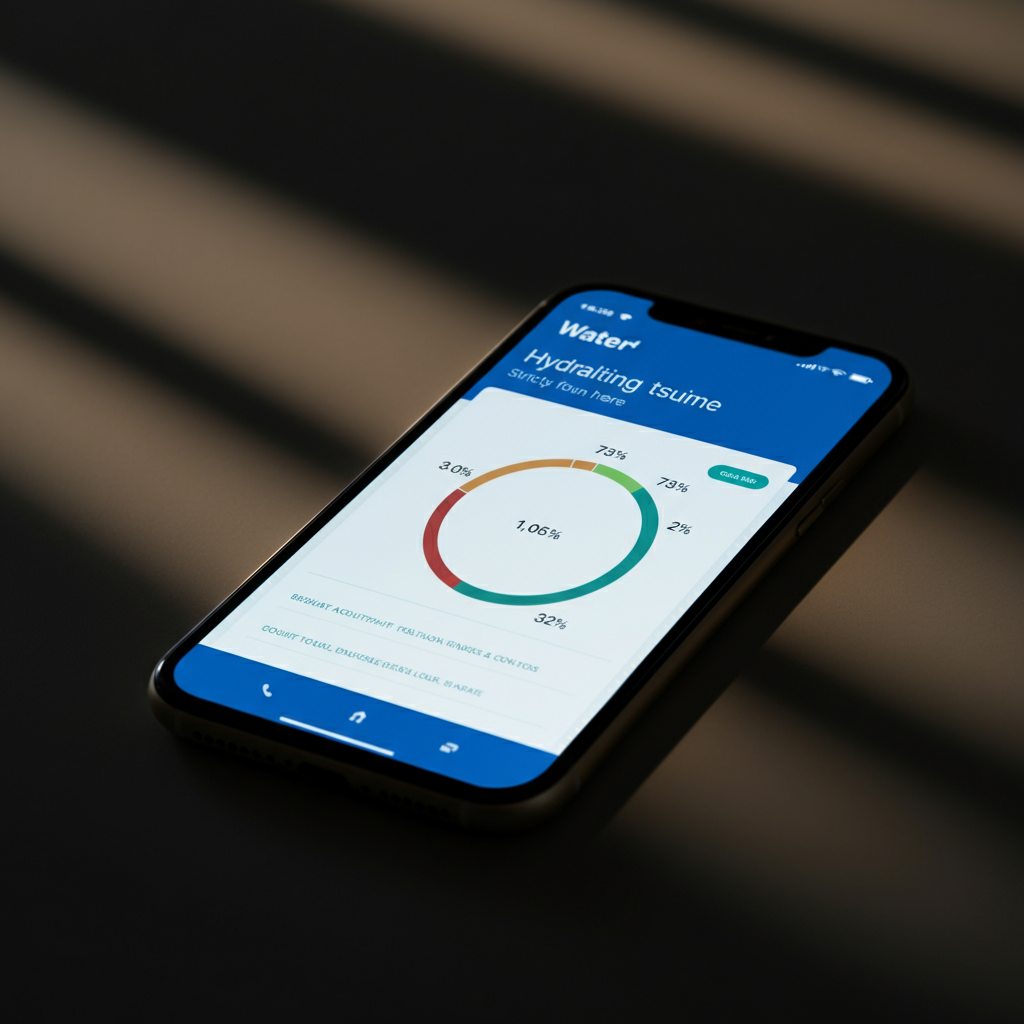
A common recommendation is to drink eight 8-ounce glasses of water per day, but individual needs vary. A more personalized approach is to calculate your fluid needs based on your weight and activity level. As a general guideline, aim for half an ounce to one ounce of water per pound of body weight daily. Increase this amount significantly if you are physically active or live in a hot climate. Consider using a hydration calculator app to help you track your intake and adjust it based on your activity levels and environment.
Step 3: Strategically Choose Your Beverages
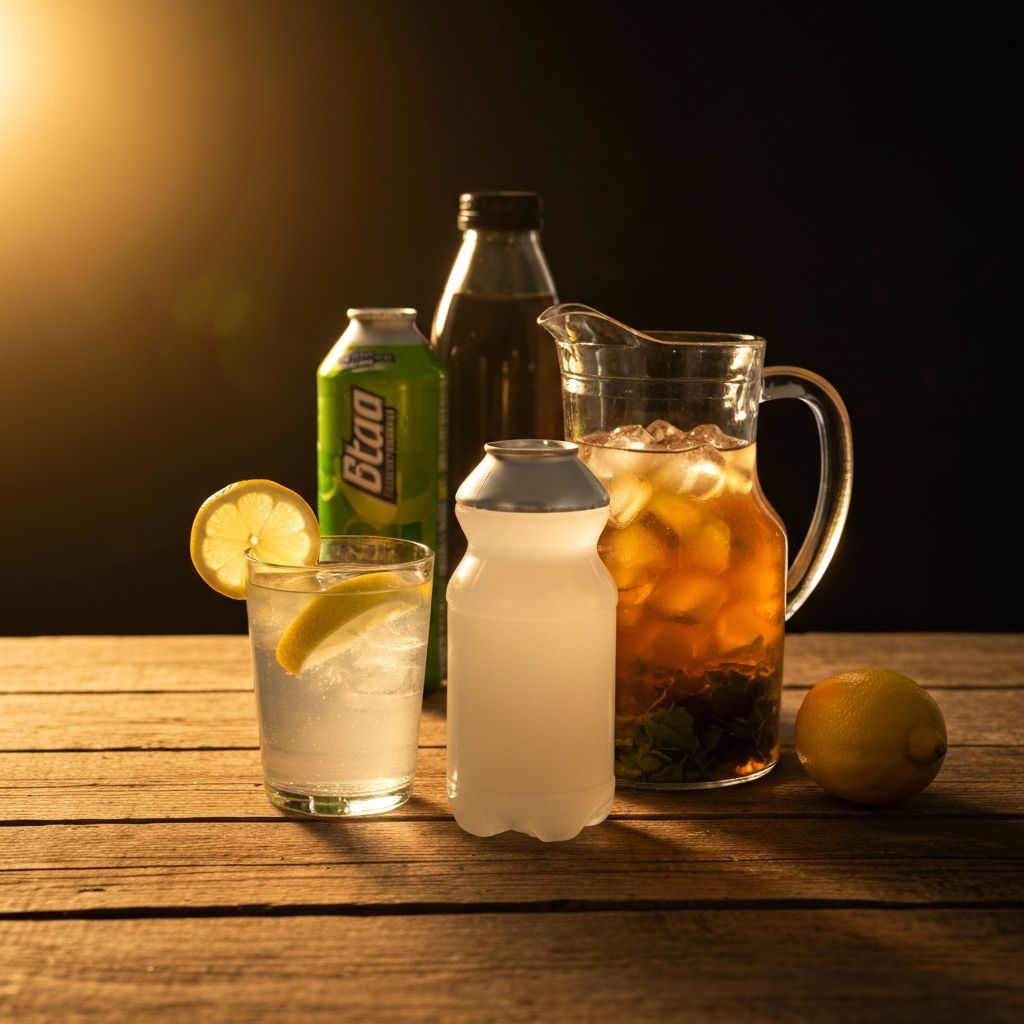
Water is the gold standard for hydration, but other beverages can contribute to your daily fluid intake. Unsweetened tea, herbal infusions, and infused water are excellent choices. Be mindful of sugary drinks like sodas and fruit juices, as they can lead to dehydration due to their diuretic effect and high sugar content. Consider adding electrolytes to your water, especially after intense workouts or during hot weather, to replenish lost minerals.
Step 4: Implement Pre-, During, and Post-Workout Hydration Strategies
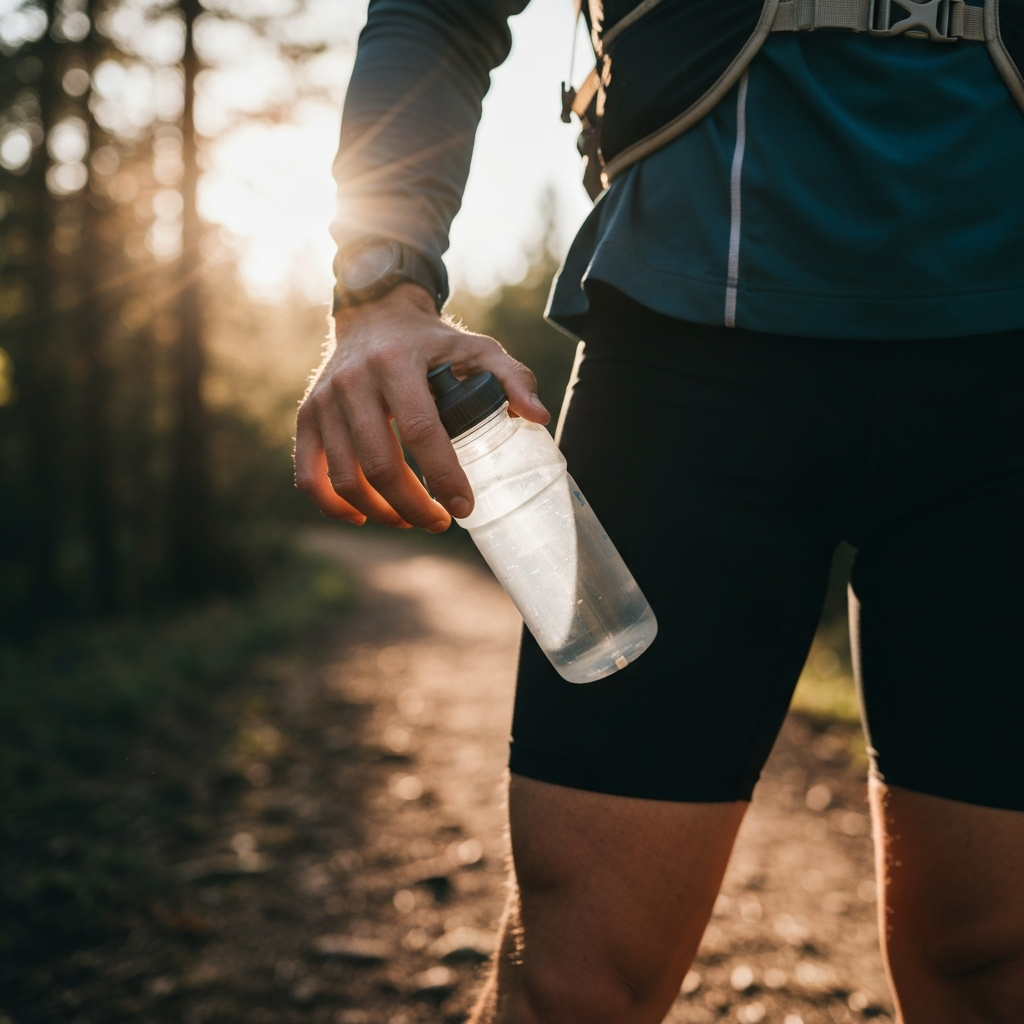
Hydration during exercise is essential for maintaining performance and preventing dehydration. Drink 16-20 ounces of water or a sports drink 2-3 hours before exercise, 8-12 ounces 15 minutes before, 4-8 ounces every 15-20 minutes during exercise, and 16-24 ounces after exercise to replenish lost fluids. Pay attention to your body's signals and adjust your fluid intake accordingly. A sports drink containing electrolytes can be particularly beneficial during prolonged or intense exercise.
Step 5: Incorporate Hydrating Foods into Your Diet
Many fruits and vegetables have high water content and can contribute significantly to your overall hydration. Watermelon, cucumbers, strawberries, spinach, and celery are all excellent choices. Aim to include these hydrating foods in your daily meals and snacks. Not only do they provide fluids, but they also offer essential vitamins and minerals.

Step 6: Monitor and Adjust Based on Climate and Activity
Your hydration needs will fluctuate based on environmental factors like temperature and humidity, as well as your activity level. During hot weather or strenuous exercise, increase your fluid intake significantly. Pay attention to symptoms of dehydration, such as headache, fatigue, dizziness, and muscle cramps. Adjust your hydration strategy accordingly to prevent these symptoms.

Step 7: Establish Consistent Hydration Habits
The key to successful hydration is consistency. Make it a habit to carry a water bottle with you throughout the day and refill it regularly. Set reminders on your phone or computer to drink water at regular intervals. Develop a routine that integrates hydration seamlessly into your daily life. This will help you maintain optimal hydration levels without having to consciously think about it constantly.
Pro Tips
- Pre-hydrate before bed.
- Add fruit slices to your water to make it more appealing.
- Drink a glass of water immediately upon waking.
Common Mistakes to Avoid
- Waiting until you feel thirsty to drink water.
- Relying solely on sugary drinks for hydration.
- Ignoring the signs of dehydration.
FAQ Section
Q: Can I drink too much water?
A: Yes, overhydration (hyponatremia) can occur, though it's rare. It's more likely to happen during endurance events when athletes drink excessive amounts of water without replacing electrolytes.
Q: Do all fluids count towards my daily intake?
A: Most fluids do, but water is the best choice. Be mindful of the sugar and caffeine content in other beverages.
Q: How can I tell if I'm properly hydrated?
A: Monitor your urine color (pale straw color is ideal) and pay attention to symptoms of dehydration, such as headache, fatigue, and dizziness.
Conclusion
Hacking your hydration is a powerful strategy for optimizing your physical and mental performance. By assessing your baseline hydration, calculating your fluid needs, strategically choosing your beverages, and implementing consistent hydration habits, you can unlock a new level of energy, focus, and overall well-being. Remember, hydration is not a one-size-fits-all approach. It requires experimentation and adjustment based on your individual needs and circumstances. Embrace these strategies, and you'll be well on your way to achieving peak performance through optimal hydration.