We're constantly bombarded with messages telling us we need expensive gym memberships and fancy equipment to achieve our fitness goals. But what if you already possess the most powerful training tool imaginable: your own body? This guide empowers you to unlock the potential within, transforming everyday movements into effective workouts and building a strong, resilient physique without ever stepping foot in a traditional gym. It's about understanding biomechanics, leveraging bodyweight exercises, and creating a sustainable fitness routine that seamlessly integrates into your life.
This isn't just about basic calisthenics. We'll delve into progressive overload principles, explore advanced bodyweight variations, and teach you how to manipulate leverage and angles to target specific muscle groups. Think of it as re-engineering your daily routine into a continuous fitness opportunity. By mastering these techniques, you'll discover a newfound appreciation for your body's capabilities and achieve a level of fitness that's both functional and aesthetically pleasing.
Ready to ditch the treadmill and embrace the ultimate freedom of bodyweight training? Let's get started.
-
Step 1: Mastering the Foundation – The Bodyweight Basics
Before attempting any advanced movements, it's crucial to establish a solid foundation with fundamental bodyweight exercises. This includes push-ups, squats, planks, and pull-ups (or rows if a pull-up bar isn't available). Focus on proper form and controlled movements. Rushing through these exercises will only lead to injury and limit your progress. Aim for three sets of 8-12 repetitions for each exercise, focusing on quality over quantity. If a full repetition is too difficult, modify the exercise (e.g., knee push-ups) until you build sufficient strength.

-
Step 2: Progressive Overload – The Key to Continuous Growth
Your body adapts quickly, so simply performing the same exercises repeatedly won't lead to continued progress. Progressive overload is the principle of gradually increasing the demands on your body over time. This can be achieved by increasing the number of repetitions, sets, or difficulty of the exercise. For example, if you can easily perform 12 push-ups, try elevating your feet to increase the challenge. Small, incremental increases are more effective and sustainable than drastic changes. Tracking your workouts and noting your progress will help you identify when and how to apply progressive overload.

-
Step 3: Leverage and Angles – Targeting Specific Muscle Groups
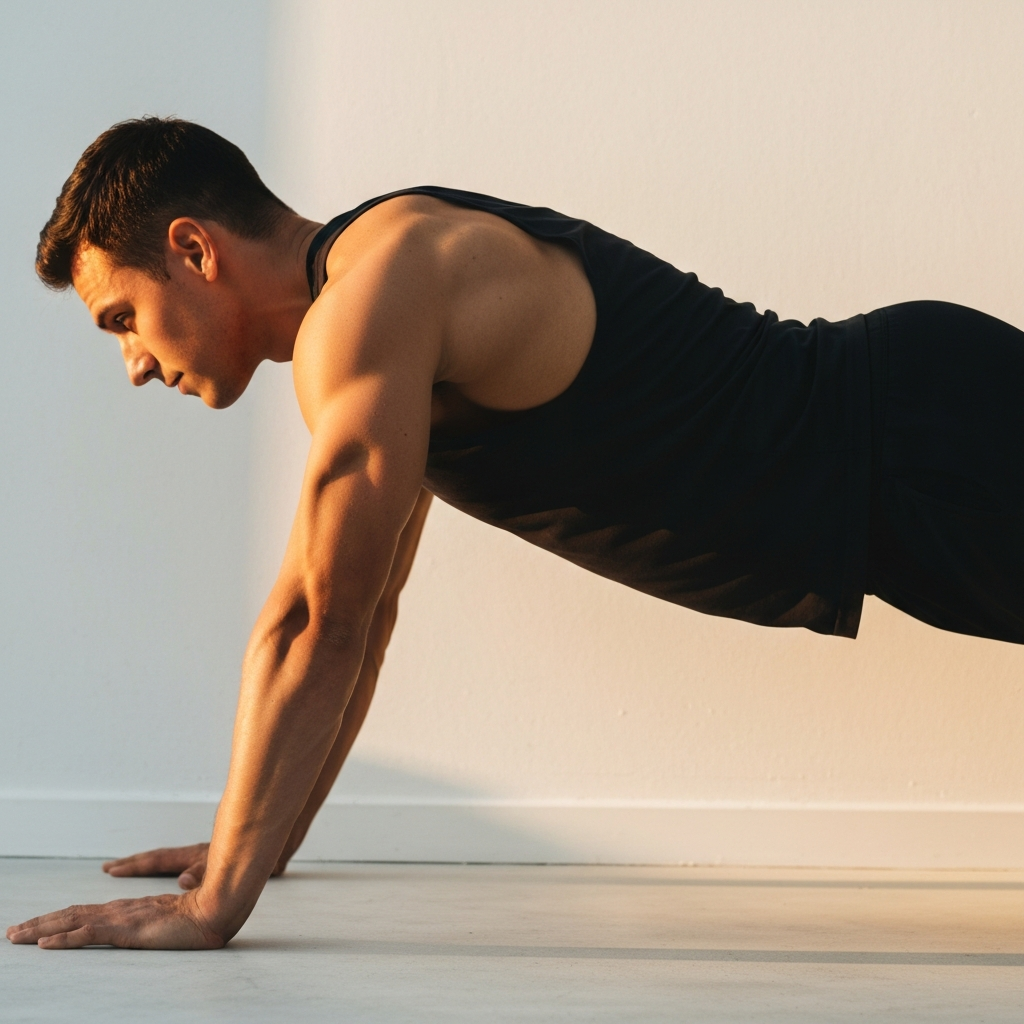
Bodyweight training isn't just about pushing and pulling; it's about strategically manipulating your body position to target specific muscle groups. By altering the angle of your body, you can shift the emphasis from one muscle group to another. For instance, decline push-ups (feet elevated) emphasize the upper chest and shoulders, while incline push-ups (hands elevated) target the lower chest. Similarly, varying your squat stance (wide, narrow, sumo) will engage different muscles in your legs and glutes. Experiment with different angles and positions to find what works best for your body and fitness goals.
-
Step 4: The Power of Unstable Surfaces – Enhancing Core Strength
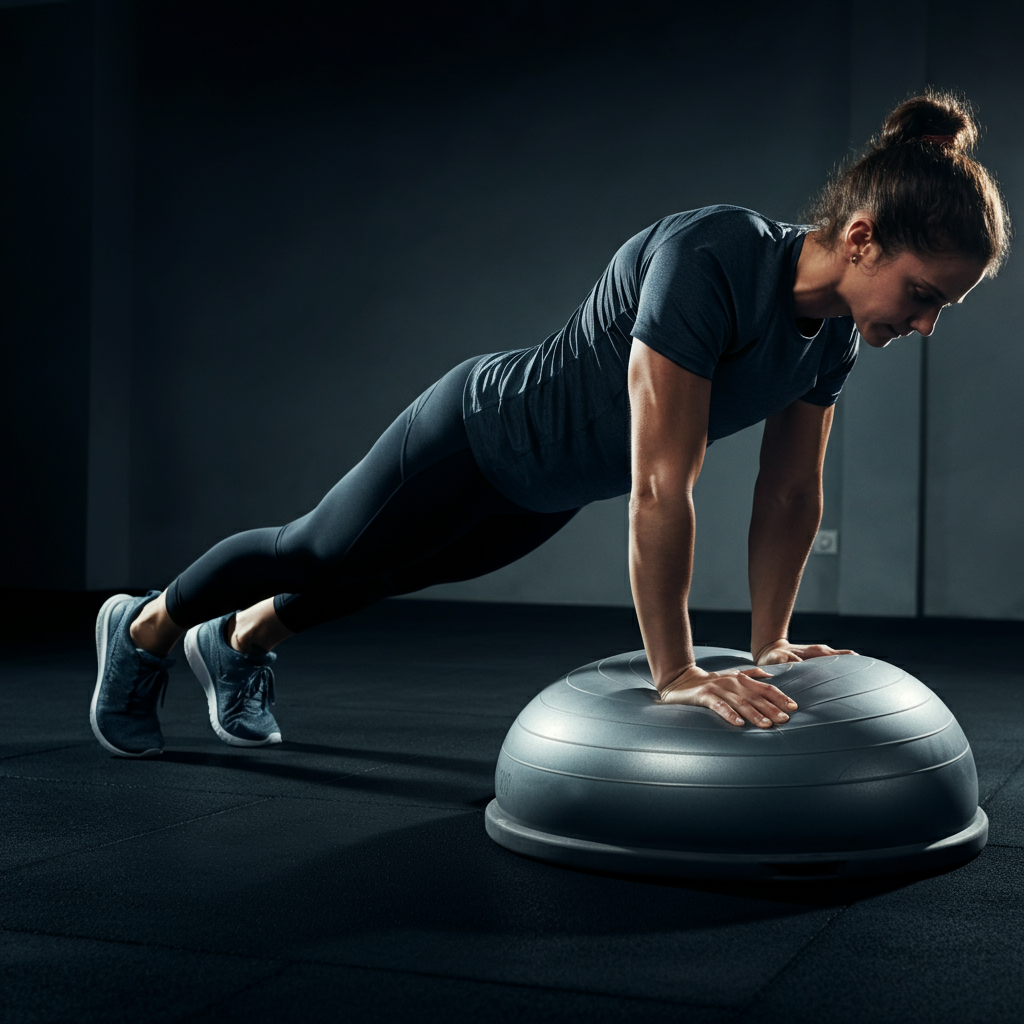
Incorporating unstable surfaces, such as a balance board or BOSU ball, can significantly enhance your core strength and stability. Simple exercises like planks, push-ups, and squats become much more challenging when performed on an unstable surface. This forces your core muscles to work harder to maintain balance, leading to improved overall stability and injury prevention. Start with basic exercises and gradually increase the difficulty as your core strength improves. Be sure to prioritize proper form and control to avoid injury.
-
Step 5: Integrating HIIT (High-Intensity Interval Training)
To maximize fat burning and improve cardiovascular fitness, incorporate HIIT into your bodyweight routine. HIIT involves short bursts of intense exercise followed by brief periods of rest or active recovery. This method is incredibly efficient and effective for improving overall fitness. Example: sprint for 30 seconds, walk for 60 seconds, repeat 10-15 times. Modify as needed. Proper warm-up and cool-down are essential to prevent injuries when performing HIIT. Listen to your body and adjust the intensity and duration of the intervals as needed.

-
Step 6: Active Recovery and Mobility – Preventing Injury and Enhancing Performance
Rest and recovery are just as important as the workouts themselves. Active recovery, such as light stretching, foam rolling, or yoga, can help reduce muscle soreness and improve flexibility. Mobility exercises, such as dynamic stretching and joint rotations, can improve your range of motion and prevent injuries. Prioritize active recovery and mobility work on your off days to optimize your body's ability to recover and adapt. Aim for at least 15-20 minutes of active recovery and mobility work per day.

Pro Tips
- Nutrition is Key: Remember that fitness is not just about exercise; it's also about fueling your body with nutritious foods.
- Stay Consistent: Consistency is more important than intensity. Aim for regular workouts, even if they are short and simple.
- Listen to Your Body: Don't push yourself too hard, especially when starting. Pay attention to your body's signals and rest when needed.
FAQ Section
- Q: How often should I work out?
- A: Aim for 3-5 bodyweight workouts per week, with rest days in between.
- Q: How long should each workout last?
- A: Workouts can range from 20-60 minutes, depending on your fitness level and goals.
- Q: What if I can't do a pull-up?
- A: Start with assisted pull-ups using resistance bands, or perform inverted rows using a table or sturdy bar.
Safety Considerations
Always warm up before each workout and cool down afterward. If you have any underlying health conditions, consult with your doctor before starting a new exercise program. Use proper form and technique to avoid injuries. If you experience any pain, stop the exercise and consult with a healthcare professional.
Common Mistakes to Avoid
Rushing through exercises, not focusing on proper form, neglecting rest and recovery, and not progressively overloading your workouts are all common mistakes that can hinder your progress. Be patient, persistent, and focus on building a sustainable fitness routine.
In conclusion, unlocking your body's natural gym is about understanding the principles of bodyweight training, applying progressive overload, and integrating fitness into your daily life. By mastering these techniques, you can achieve a level of fitness that's both functional and sustainable, empowering you to live a healthier, more active life.