Creativity is not a talent reserved for a select few; it's a muscle that can be developed and strengthened with practice. Often, the biggest hurdle is simply starting. This guide aims to provide a roadmap for beginners looking to explore their artistic potential, demystifying the creative process and offering practical steps to help you express yourself confidently and authentically. Remember, the journey of a thousand miles begins with a single step, and the same holds true for your creative journey.
This isn't about becoming a master overnight; it's about discovering the joy of creation, experimenting with different mediums, and finding your unique artistic voice. Don't be afraid to make mistakes; they are invaluable learning opportunities. Embrace the process, be patient with yourself, and most importantly, have fun!
We'll explore various techniques, materials, and mindsets to help you break through creative blocks and tap into your inner artist. From sketching and painting to writing and sculpting, we'll cover a range of disciplines to inspire your creative exploration. Prepare to embark on an exciting journey of self-discovery and artistic expression.
Step 1: Identify Your Creative Interests
The first step is to explore different art forms and discover what resonates with you. Do you find yourself drawn to vibrant colors and bold brushstrokes, or are you more interested in the precise lines of architectural drawings? Perhaps the written word captivates you, or the tactile nature of clay appeals to your senses. Experiment with different mediums like painting, drawing, writing, sculpting, music, or even culinary arts. Try a class, watch online tutorials, or simply pick up some basic materials and start playing. Don't feel pressured to choose just one; you can explore multiple avenues simultaneously.
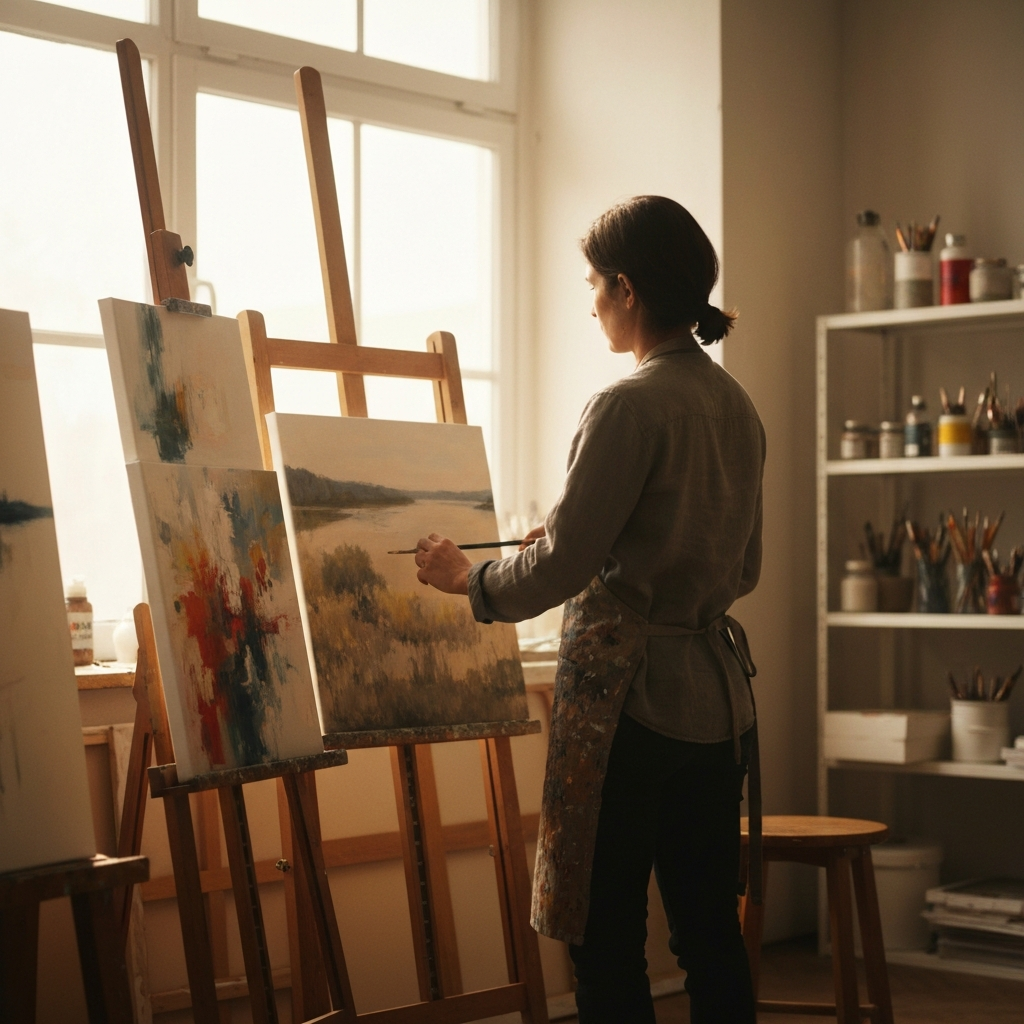
Step 2: Dedicate Time and Space for Creativity
Consistency is key to developing any skill, including creativity. Set aside dedicated time each day or week for your artistic pursuits. It doesn't have to be a significant chunk of time; even 15-30 minutes can make a difference. Create a dedicated workspace where you can focus and feel inspired. This could be a corner of a room, a spare desk, or even just a designated sketchbook. Having a specific space helps to mentally prepare you for creative work. Minimize distractions during your creative time, such as social media or email notifications. This allows for deeper focus and more authentic expression.
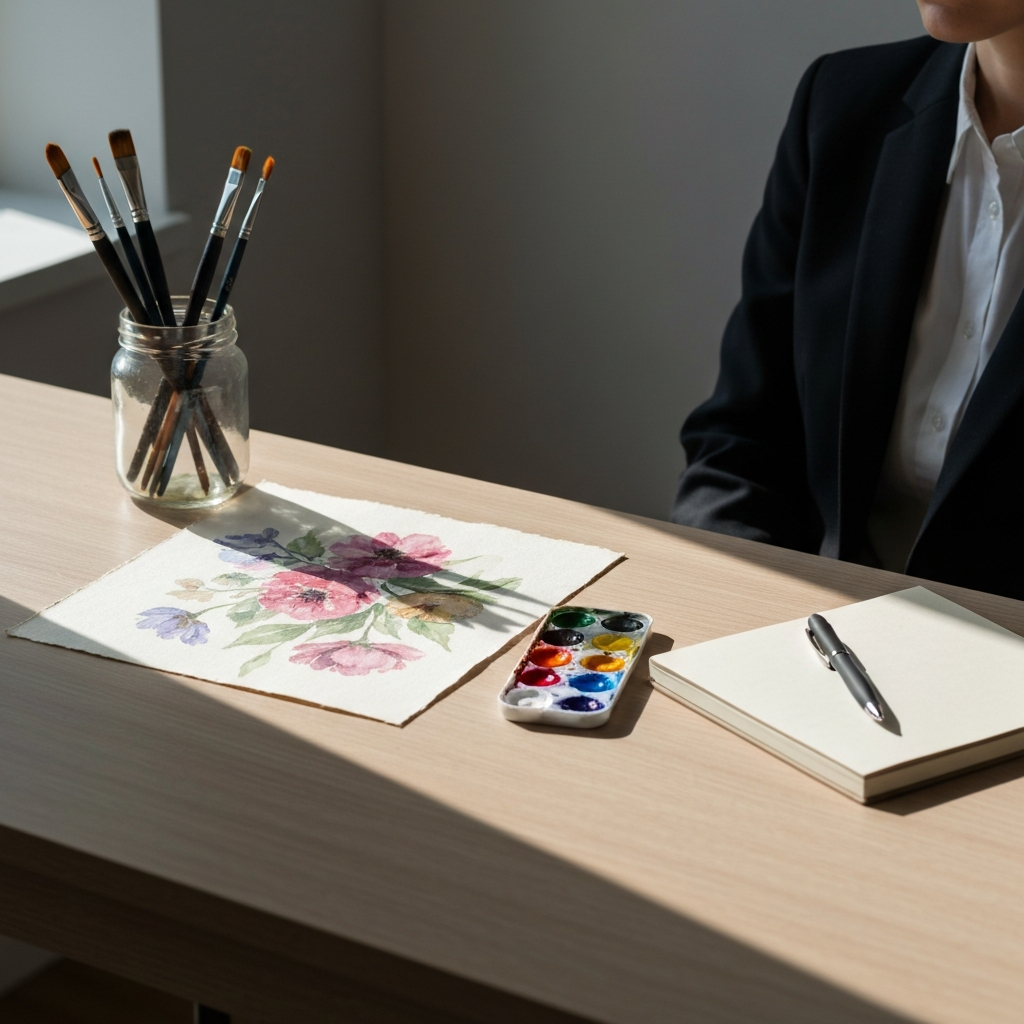
Step 3: Embrace Imperfection and Experimentation
One of the biggest obstacles to creativity is the fear of failure. Let go of the need for perfection and embrace the joy of experimentation. Don't judge your work too harshly, especially when you're just starting out. Focus on the process of creating, rather than the end result. Try different techniques, materials, and styles without worrying about whether they "work" or not. View each experiment as a learning opportunity. Keep a sketchbook to record your ideas, experiments, and observations. This will serve as a valuable resource and a reminder of your progress.
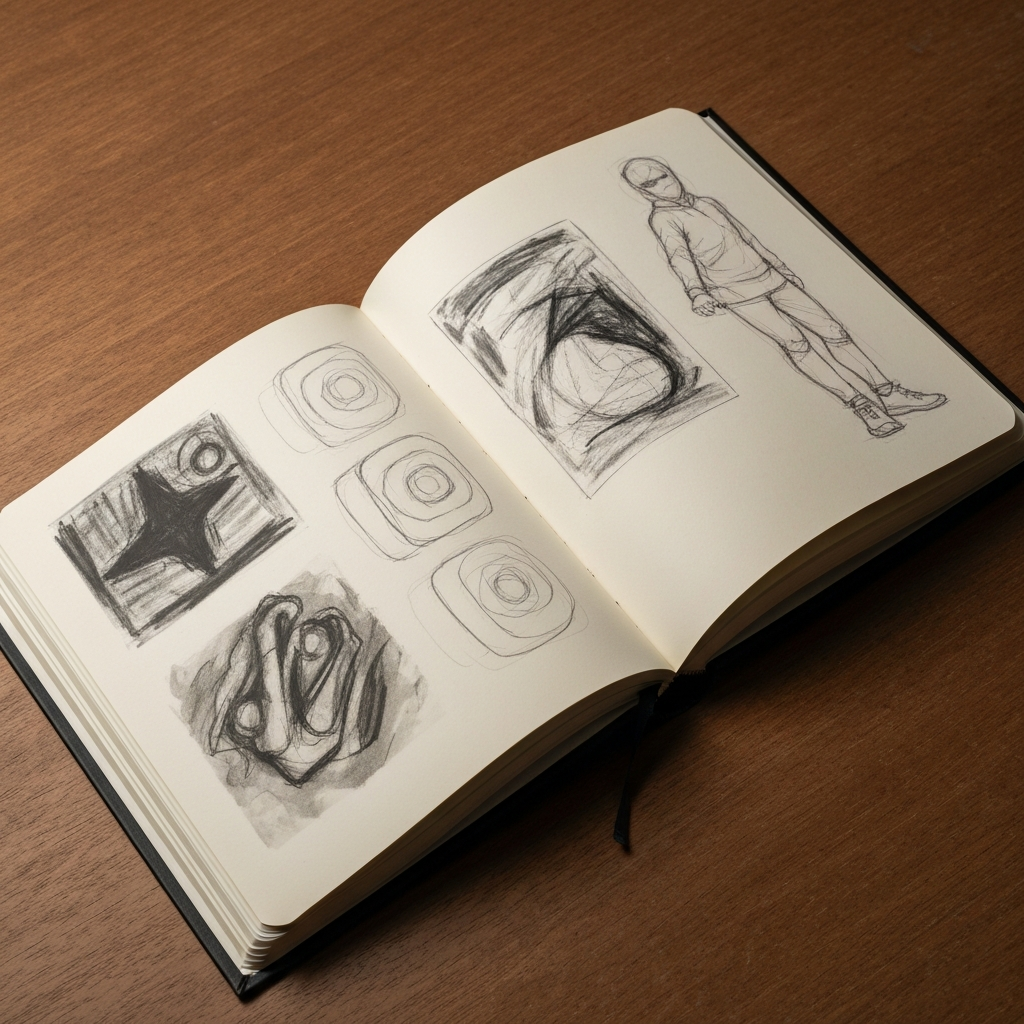
Step 4: Seek Inspiration from Various Sources
Inspiration can come from anywhere. Pay attention to the world around you – nature, architecture, people, art, music, and literature. Visit museums, art galleries, and libraries. Attend concerts, theater performances, and dance recitals. Read books, articles, and poems. Engage with art and culture that inspires you. Keep a journal or notebook to record your ideas, observations, and inspirations. Surround yourself with things that stimulate your creativity.

Step 5: Practice Regularly and Seek Feedback
Like any skill, creativity requires consistent practice. The more you create, the better you will become. Set realistic goals for yourself and track your progress. Don't be afraid to share your work with others and ask for feedback. Join a local art group, take a class, or share your work online. Be open to constructive criticism, but also trust your own instincts and artistic vision. Remember, feedback is meant to help you grow and improve, not to discourage you.
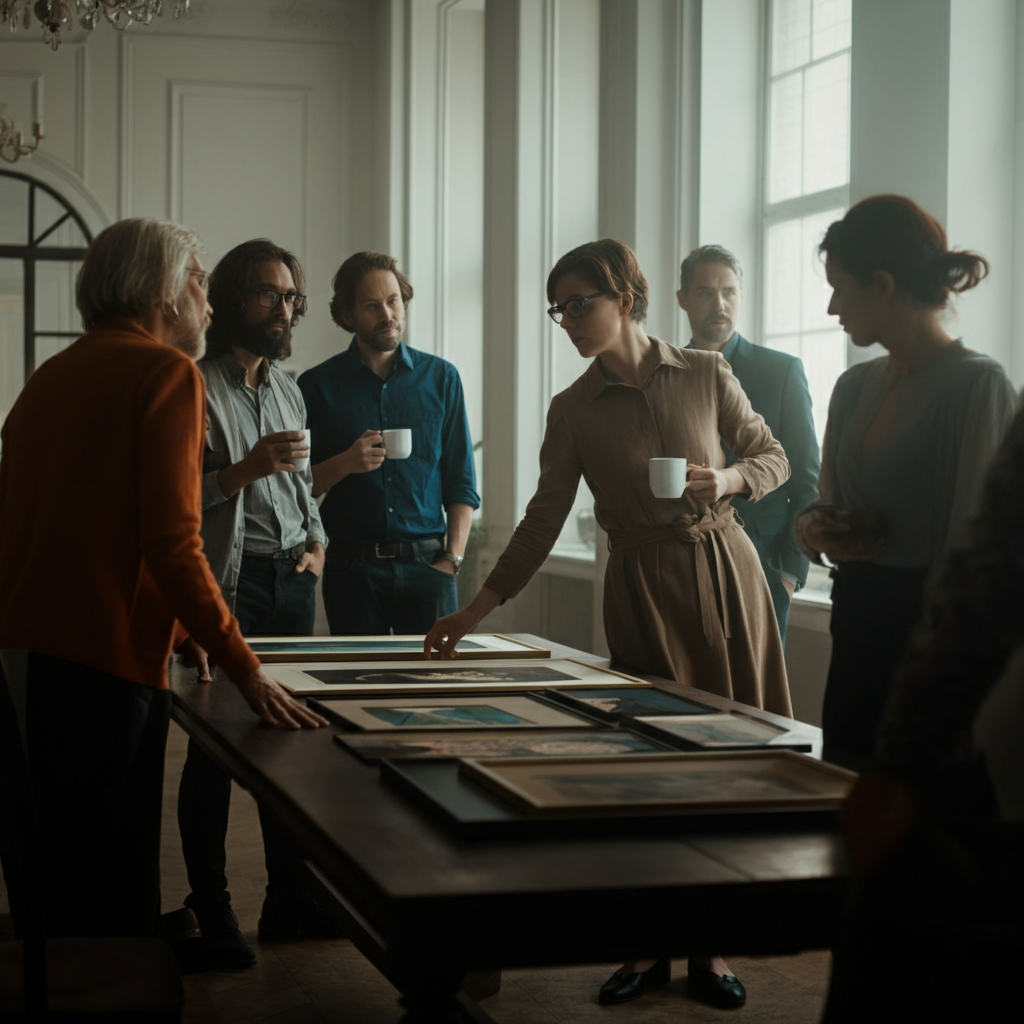
Common Mistakes to Avoid
- Comparing yourself to others: Everyone's creative journey is unique. Focus on your own progress and celebrate your achievements.
- Being overly critical of your work: Strive for improvement, but don't let perfectionism stifle your creativity.
- Giving up too easily: Creativity takes time and effort. Don't get discouraged by setbacks.
- Isolating yourself: Connect with other artists and share your work.
- Neglecting self-care: Ensure you are getting adequate rest, nutrition, and exercise. Your physical and mental well-being are essential for creativity.
Pro Tips
- Embrace constraints: Limitations can actually spark creativity. Set challenges for yourself, such as using only a limited palette of colors or writing a story with a specific theme.
- Take creative risks: Step outside of your comfort zone and try new things.
- Don't be afraid to fail: Failure is an inevitable part of the creative process. Learn from your mistakes and keep moving forward.
- Document your process: Keeping a sketchbook or journal can help you track your progress and identify areas for improvement.
- Find your tribe: Connect with other creatives for support, inspiration, and feedback.
FAQ Section
- Q: I don't think I'm creative. Can anyone really learn to be creative?
- A: Absolutely! Creativity is a skill that can be developed and nurtured through practice and exploration. Everyone has the potential to be creative; it's simply a matter of unlocking it.
- Q: What if I'm afraid of making mistakes?
- A: Mistakes are an essential part of the learning process. Embrace them as opportunities to grow and improve. Don't let fear of failure hold you back.
- Q: How do I find my unique artistic style?
- A: Your unique style will emerge over time through experimentation and exploration. Don't try to force it. Focus on creating what you enjoy and what feels authentic to you.
- Q: What if I have a creative block?
- A: Creative blocks are common. Try stepping away from your work, engaging in a different activity, or seeking inspiration from new sources. Sometimes, a change of scenery is all you need.
Unleashing your inner creative is a journey, not a destination. Be patient with yourself, embrace the process, and enjoy the ride. Remember that the most important thing is to express yourself authentically and have fun. By following these steps and remaining open to new experiences, you'll be well on your way to unlocking your artistic potential and enriching your life through creative expression. So, pick up a brush, a pen, a camera, or whatever medium calls to you, and start creating!