Creativity isn't a talent reserved for a select few; it's a muscle that can be developed and strengthened through practice and exploration. This guide is designed to help you tap into your innate creative potential, regardless of your current skill level. Whether you dream of painting masterpieces, sculpting breathtaking forms, writing compelling stories, or simply finding new ways to express yourself, this is your starting point.
Forget about perfection and embrace the process of experimentation. The journey of artistic discovery is far more rewarding than the end result. It's about learning to see the world with fresh eyes, trusting your instincts, and allowing yourself to make mistakes. Remember, there are no wrong answers in art, only opportunities to learn and grow.
Let’s embark on this exciting adventure together, step by step. By following these guidelines and committing to consistent practice, you'll unlock your creative potential and discover the joy of self-expression.
-
Step 1: Identify Your Creative Interests
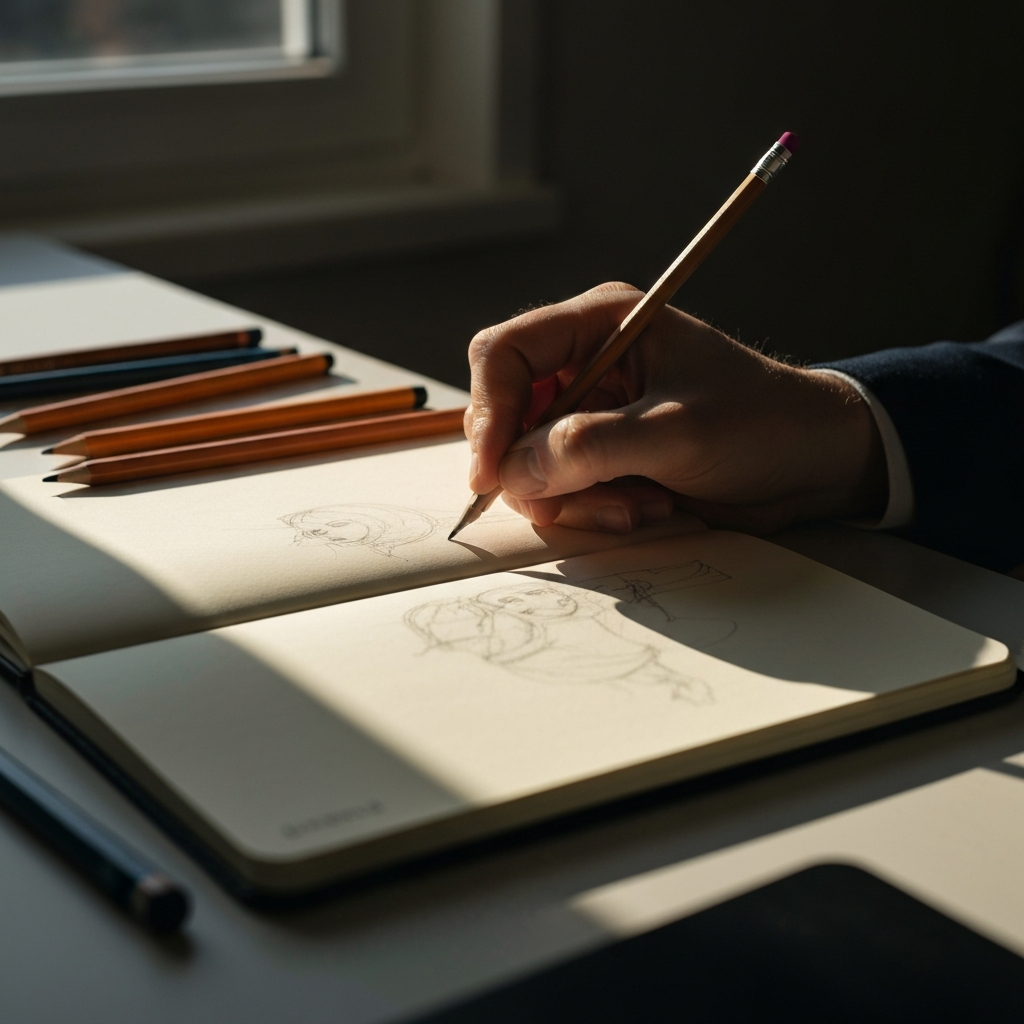
Before diving into any specific art form, take some time to reflect on what truly excites you. What subjects or themes resonate with you? Are you drawn to vibrant colors, intricate patterns, or abstract concepts? Do you prefer working with your hands, or do you find yourself more comfortable with digital tools? Exploring different mediums and styles is crucial in discovering where your passion lies. Consider visiting art museums, browsing online galleries, or attending local workshops to expose yourself to a wide range of artistic expressions.
-
Step 2: Choose Your Medium
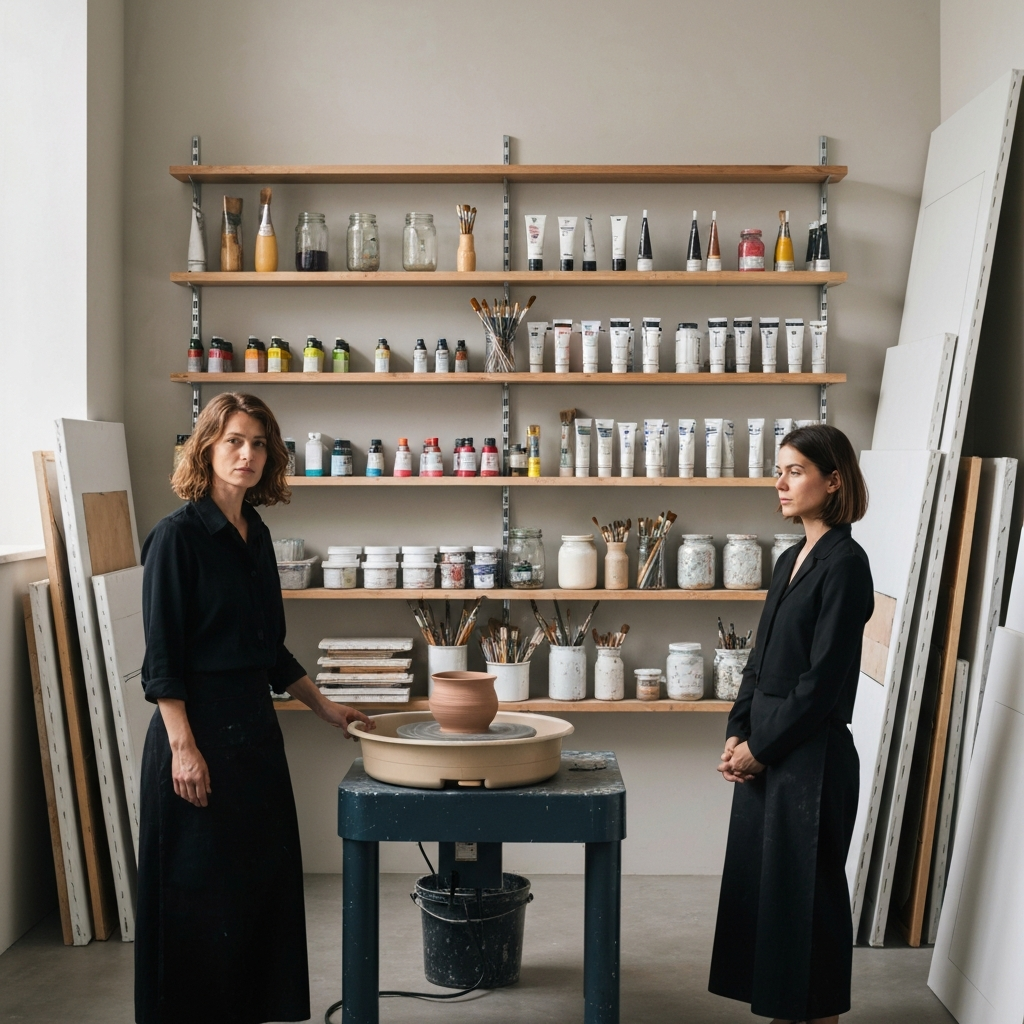
Once you have a better understanding of your interests, select a medium that aligns with them. If you enjoy tactile experiences, consider painting, sculpting, or pottery. If you're drawn to storytelling, explore writing, filmmaking, or photography. Digital art offers a wide range of possibilities, from graphic design to animation. Don't feel pressured to choose just one medium; you can always experiment with different options and combine them to create unique works of art. Start with readily available and affordable materials to minimize initial investment.
-
Step 3: Learn the Fundamentals
Regardless of the medium you choose, understanding the fundamental principles of art is essential. For visual arts, this includes elements like line, shape, color, value, texture, and space. Learning about composition, perspective, and anatomy will significantly improve your skills. For writing, focus on grammar, punctuation, plot structure, and character development. There are countless resources available online and in libraries that can help you grasp these concepts. Consider taking introductory classes or workshops to receive personalized instruction and feedback.
-
Step 4: Practice Regularly
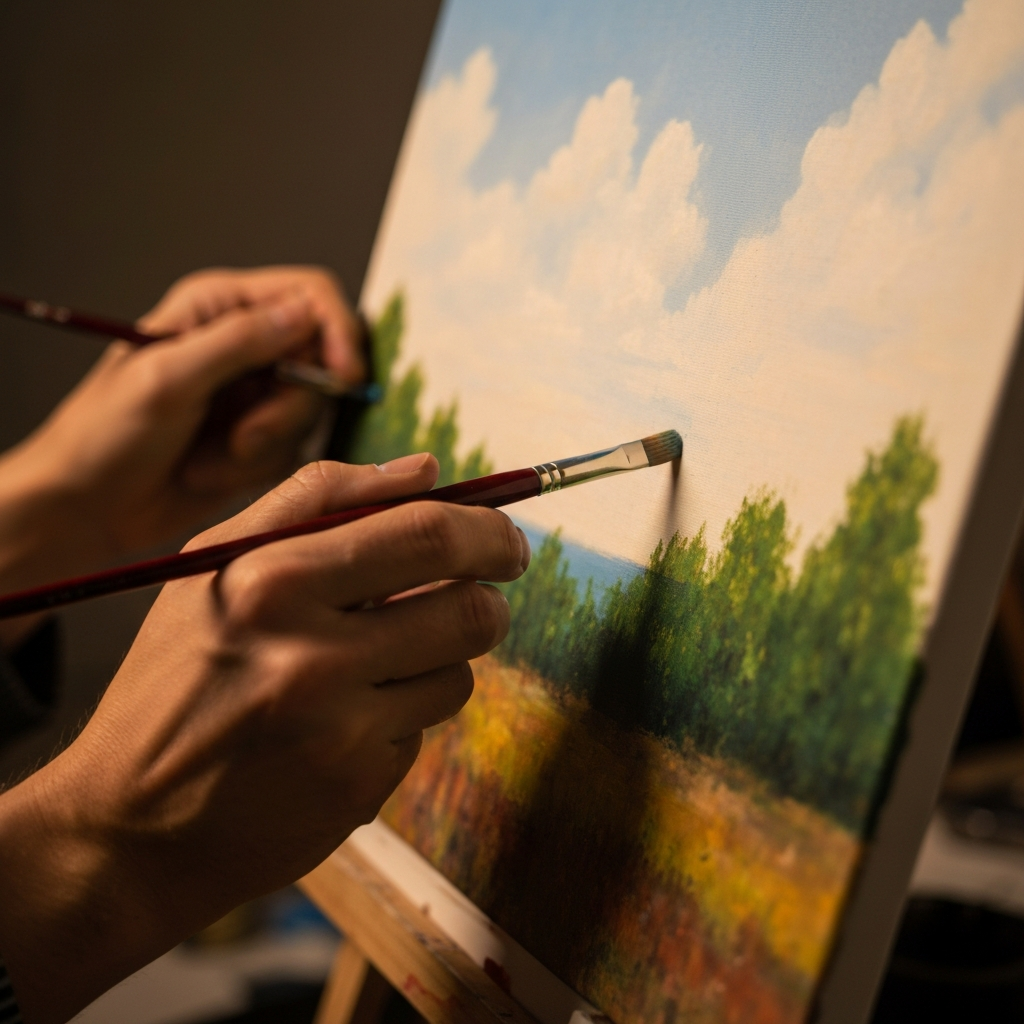
Consistent practice is the key to improvement in any art form. Set aside dedicated time each day or week to work on your craft. Even short, focused sessions are more effective than infrequent, lengthy ones. Don't be afraid to experiment and make mistakes. The more you practice, the more comfortable you'll become with your chosen medium and the better you'll understand its nuances. Keep a sketchbook or journal to document your progress and ideas.
-
Step 5: Seek Feedback and Learn from Others
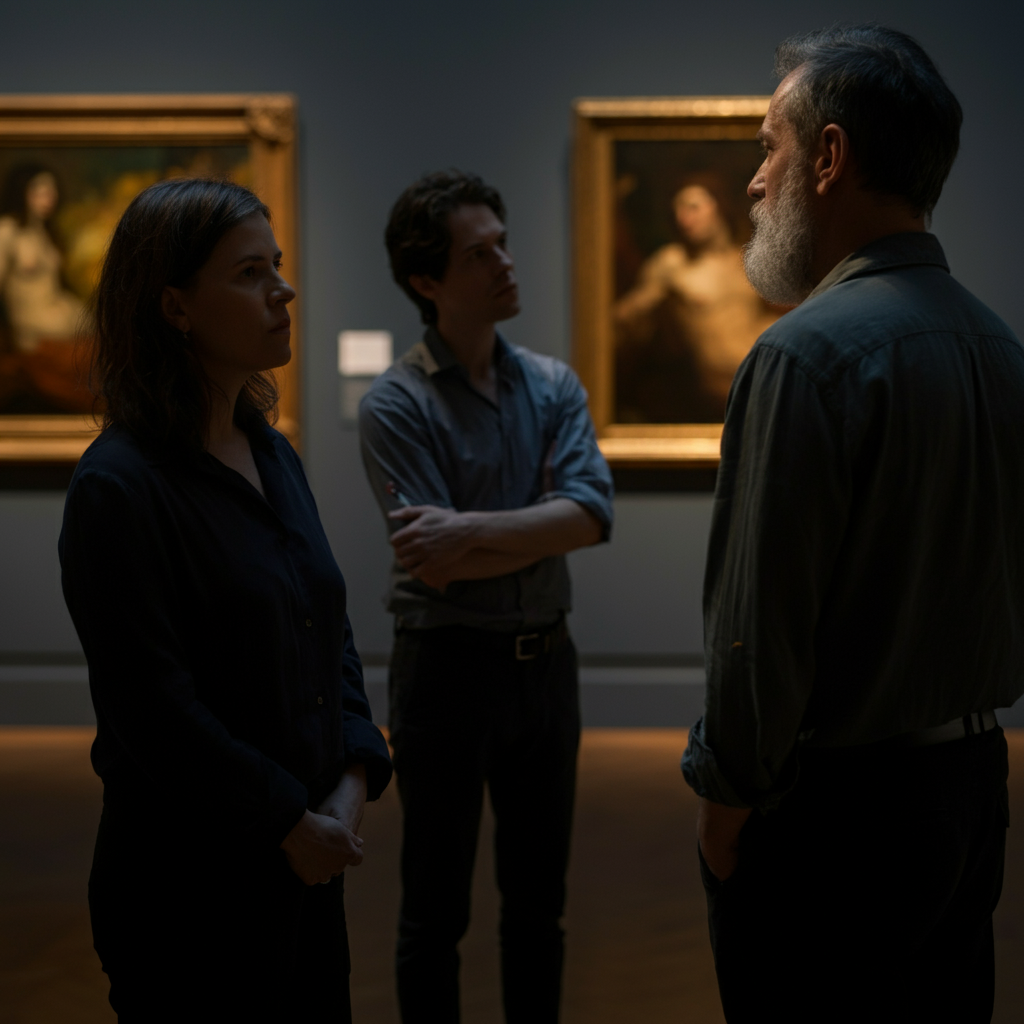
Sharing your work with others and receiving constructive criticism is invaluable for growth. Join an art group, attend critique sessions, or seek feedback from experienced artists. Be open to suggestions and use them to identify areas for improvement. Studying the works of established artists can also provide inspiration and guidance. Analyze their techniques, composition, and use of color or language. Don't be afraid to emulate their styles initially, but strive to develop your own unique voice over time.
-
Step 6: Embrace Imperfection and Experimentation
Perfection is the enemy of creativity. Don't let the fear of making mistakes paralyze you. Embrace imperfection and view it as an opportunity to learn and grow. Experiment with different techniques, styles, and materials. Try new things and don't be afraid to push your boundaries. Some of the most innovative and groundbreaking works of art have emerged from unexpected experiments. The goal is not to create perfect pieces, but to express yourself authentically and find joy in the creative process.
Common Mistakes to Avoid
- Trying to be perfect from the start.
- Comparing yourself to others.
- Giving up too easily.
- Not seeking feedback.
- Sticking to your comfort zone.
Pro Tips
- Carry a sketchbook or notebook with you at all times to capture ideas and inspiration.
- Visit art museums and galleries regularly to expose yourself to different styles and techniques.
- Set realistic goals and celebrate your progress along the way.
- Find a creative community to support and inspire you.
- Don't be afraid to experiment and take risks.
FAQ Section
- Q: What if I don't think I'm creative?
- A: Everyone is creative in their own way. It's about finding what sparks your interest and allowing yourself to express yourself without judgment.
- Q: How do I find my own unique style?
- A: Your unique style will emerge over time as you experiment with different techniques and styles and develop your own voice. Don't try to force it; let it happen naturally.
- Q: How do I deal with creative block?
- A: Creative block is a common experience. Try taking a break, doing something different, or exploring new sources of inspiration. Sometimes, simply stepping away from your work for a while can help you gain a fresh perspective.
Unleashing your inner artist is a journey of self-discovery and creative exploration. By following these steps, practicing consistently, and embracing the process, you'll unlock your creative potential and discover the joy of self-expression. Remember to be patient, persistent, and, most importantly, have fun!