Many people harbor a secret desire to create, to express themselves through art, but are held back by the belief that they simply aren't "artistic." This notion is often based on past experiences, comparisons to others, or a misunderstanding of what art truly entails. The truth is that everyone possesses the potential for creative expression. It's not about innate talent as much as it is about willingness to explore, experiment, and practice.
This guide is designed to help you overcome those limiting beliefs and embark on your artistic journey. We'll break down the process into manageable steps, providing practical advice and encouragement along the way. Whether you dream of painting landscapes, sculpting figures, or simply doodling in a notebook, this is your starting point. Get ready to discover the artist within you, one step at a time.
Forget about perfection and embrace the process. Art is a journey of discovery, not a destination of flawless execution. Let's begin!
Step 1: Identify Your Creative Spark
Finding Your Passion
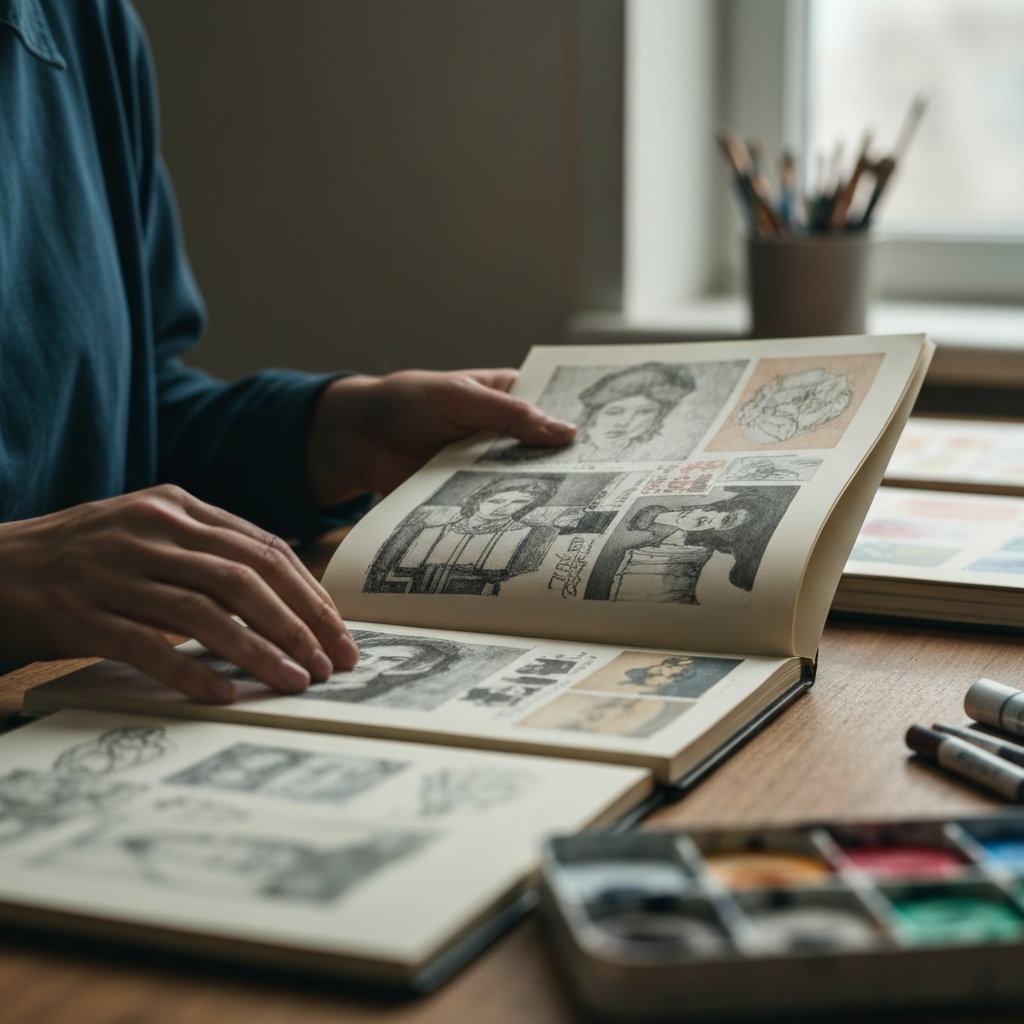
Before diving into specific art forms, take some time to reflect on what truly excites you. What subjects, themes, or styles do you find yourself drawn to? Consider your hobbies, interests, and the things that make you feel alive. Do you love nature? Are you fascinated by architecture? Do you enjoy telling stories through images? Identifying your passions will provide a strong foundation for your artistic exploration.
Don't limit yourself to traditional art forms. Your creative spark might lie in photography, digital art, textile design, or even culinary arts. Explore different avenues and see what resonates with you. The key is to find something that ignites your curiosity and motivates you to create. Remember, there are no wrong answers. This is about you and your individual expression.
Step 2: Experiment with Different Mediums
Exploring Artistic Tools
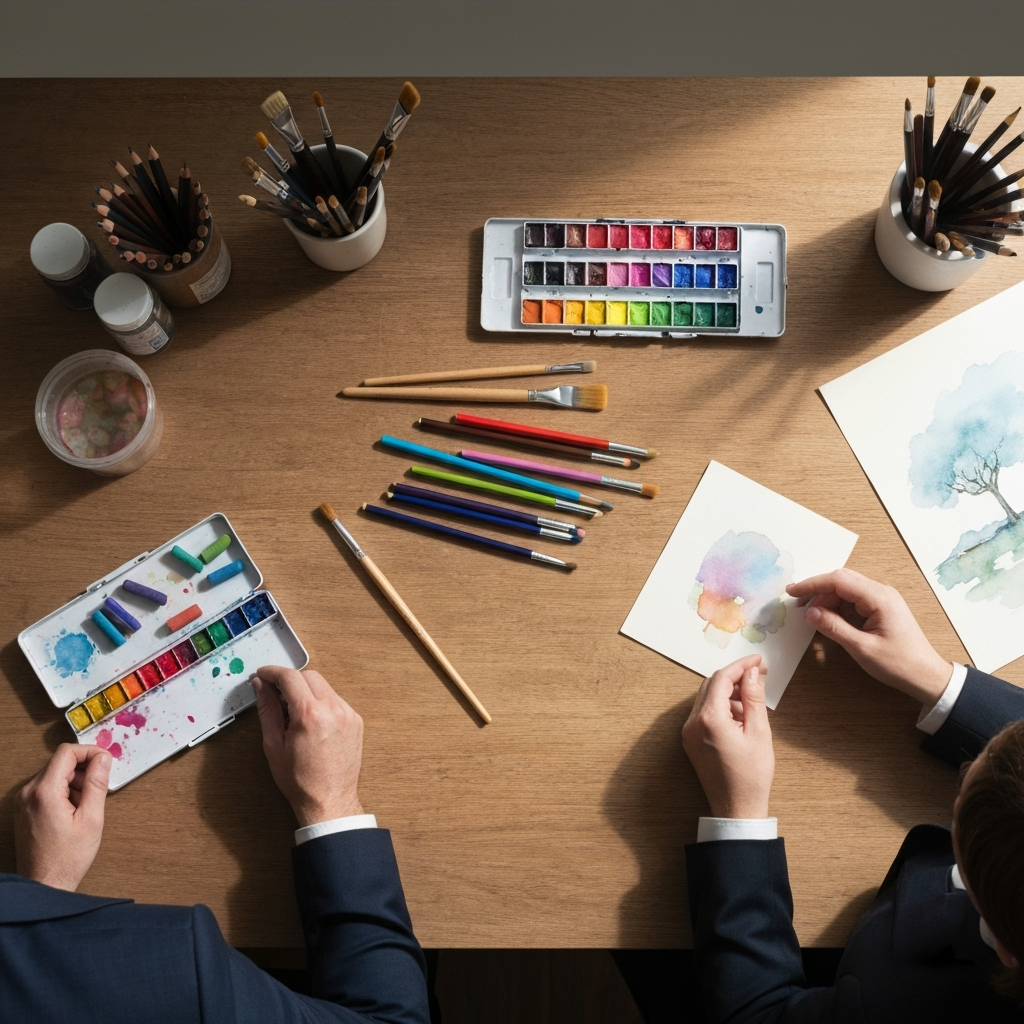
Once you have a sense of your passions, it's time to experiment with different artistic mediums. Don't be afraid to try new things and step outside of your comfort zone. Each medium offers unique possibilities and challenges, and you might be surprised by what you discover. Consider starting with beginner-friendly materials like pencils, charcoal, watercolors, or acrylic paints. These mediums are relatively inexpensive and easy to work with, allowing you to explore basic techniques without a significant investment.
As you experiment, pay attention to how each medium feels in your hands and how it responds to your touch. Some mediums are more forgiving than others, while some offer greater control and precision. The more you experiment, the better you'll understand the strengths and weaknesses of each medium, and the better you'll be able to choose the right tools for your creative vision.
Step 3: Embrace Imperfection and Practice Regularly
The Power of Practice
One of the biggest obstacles to creative expression is the fear of making mistakes. It's important to remember that mistakes are an inevitable part of the learning process. Instead of striving for perfection, embrace imperfection and view mistakes as opportunities for growth and discovery. Don't compare your work to others, especially those who have been practicing for years. Focus on your own progress and celebrate your achievements, no matter how small.
Regular practice is essential for developing your artistic skills. Even dedicating just 15-30 minutes each day can make a significant difference over time. Consistent practice helps you build muscle memory, refine your techniques, and develop your own unique style. Find a time that works best for you and make art a regular part of your routine. You can use a sketchbook for daily doodles, work on a larger project, or simply practice a specific technique.

Step 4: Seek Inspiration and Learn from Others
Finding Your Muse
Inspiration is everywhere. Look for inspiration in nature, in books, in music, in movies, in everyday life. Visit art museums and galleries, attend workshops and lectures, and surround yourself with creative people. The more you expose yourself to different forms of art and creative expression, the more inspired you'll become. Don't be afraid to borrow ideas from others, but always strive to put your own unique spin on them.
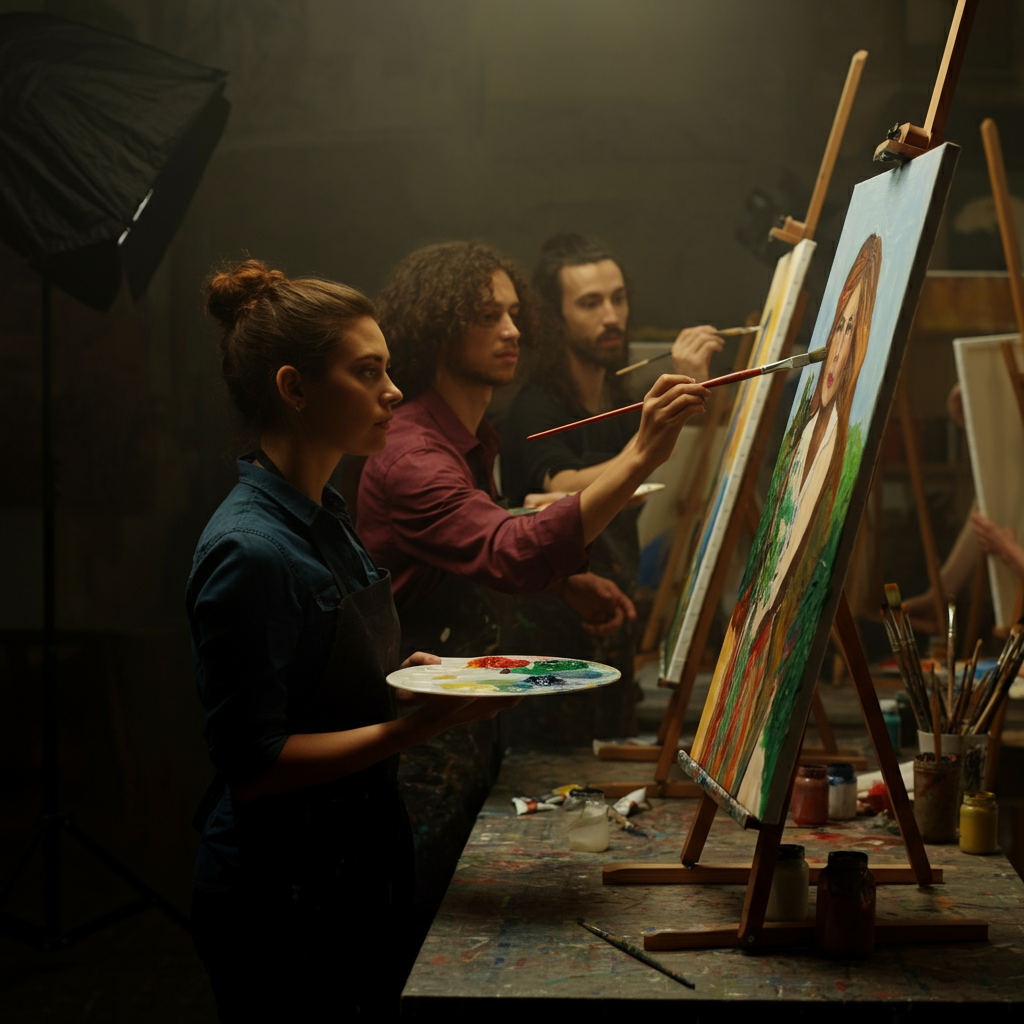
Learning from others can be incredibly valuable. Consider taking art classes or workshops to learn new techniques and gain feedback from experienced artists. Join an art club or online forum to connect with other artists, share your work, and receive constructive criticism. Online resources like YouTube tutorials and online art communities can also be valuable sources of information and inspiration.
Step 5: Don't Be Afraid to Experiment and Break the Rules
Unleashing Your Creativity
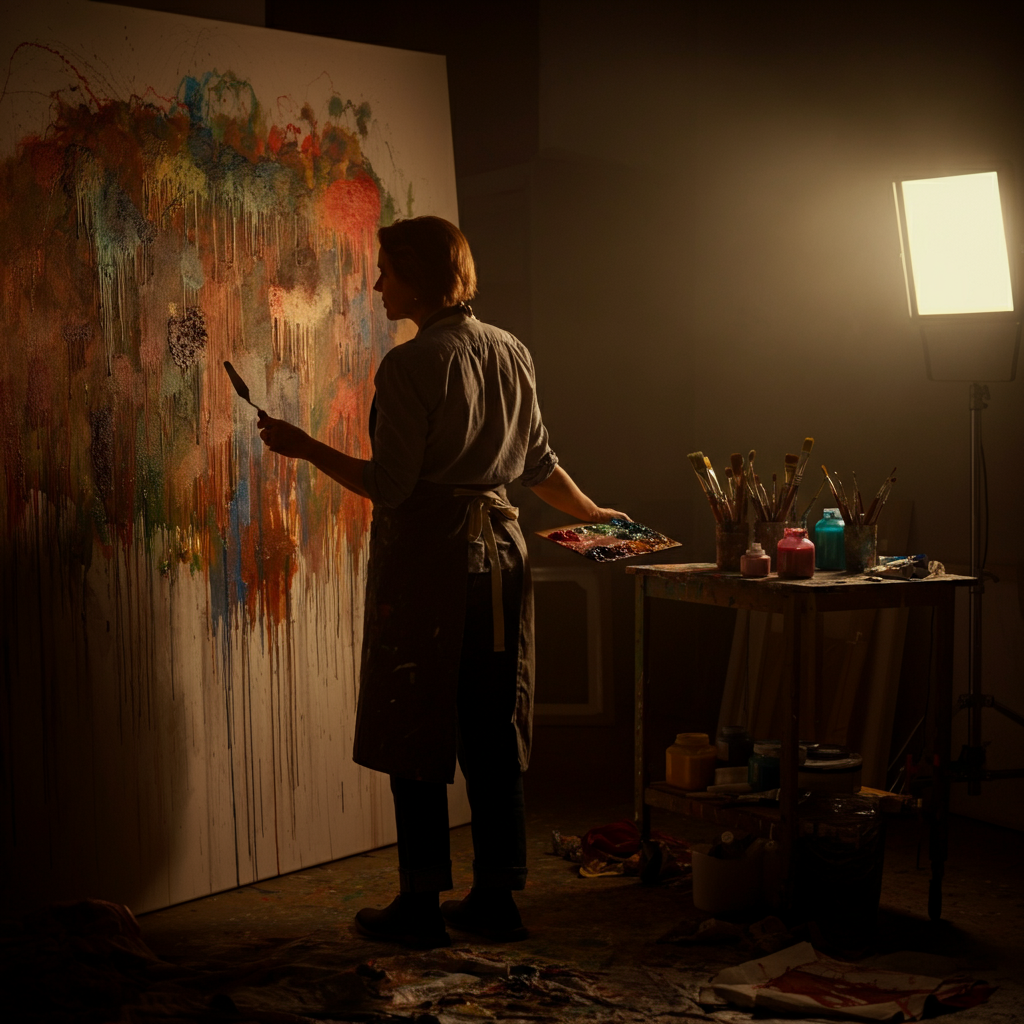
Art is not about following rules; it's about expressing yourself in a unique and authentic way. Don't be afraid to experiment with different techniques, styles, and materials. Try combining different mediums, using unconventional tools, or working with abstract concepts. The more you experiment, the more you'll discover your own artistic voice and develop your own unique style.
Sometimes, the best art comes from breaking the rules. Challenge conventional notions of beauty, perspective, and composition. Push the boundaries of your creativity and see where it takes you. Don't worry about what others think. Focus on creating art that is meaningful to you. Remember, the only limit is your imagination.
Tools or Materials Required
- Sketchbook: A place to practice and experiment.
- Pencils: A variety of hardnesses for different effects.
- Eraser: For correcting mistakes.
- Paints (Watercolor, Acrylic): Depending on your preference.
- Paintbrushes: A variety of sizes and shapes.
- Paper or Canvas: To paint on.
- Palette: For mixing paints.
- Water container: For cleaning brushes (if using watercolors or acrylics).
- Rags or paper towels: For cleaning up spills.
Common Mistakes to Avoid
- Trying to be perfect from the start.
- Comparing yourself to other artists.
- Being afraid to experiment.
- Not practicing regularly.
- Giving up too easily.
FAQ Section
Q: I don't think I have any talent. Can I still learn to create art?
A: Absolutely! Art is a skill that can be learned and developed through practice. Talent is often a result of dedication and hard work, not an innate gift.
Q: What if I don't know where to start?
A: Start with the basics. Experiment with different mediums, try simple exercises, and focus on having fun. Don't put too much pressure on yourself to create masterpieces right away.
Q: How do I find my own artistic style?
A: Your artistic style will develop over time as you experiment and explore different techniques and themes. Focus on creating art that is meaningful to you, and your unique style will emerge naturally.