Creating a wildlife-friendly backyard is a rewarding endeavor that benefits both you and local ecosystems. Even the smallest urban spaces can become havens for birds, butterflies, bees, and other beneficial creatures. By providing food, water, shelter, and nesting sites, you can transform your yard into a thriving ecosystem that supports biodiversity and brings the wonders of nature right to your doorstep.
This guide will walk you through the essential steps to designing and maintaining a wildlife oasis, regardless of the size of your property. We'll cover everything from selecting the right plants to providing crucial resources and addressing potential challenges. Get ready to roll up your sleeves and create a space that both you and your local wildlife will love.
Remember, every little bit helps. Even a small balcony garden can make a difference! Let’s get started.
Step 1: Assess Your Space and Plan Your Design
Before you start planting, take some time to assess your backyard. Consider the amount of sunlight each area receives, the type of soil you have, and any existing features like trees, shrubs, or fences. Note which areas are sunny, shady, wet, or dry. This information will help you choose the right plants and design a landscape that meets the needs of both wildlife and your personal preferences. Draw a simple sketch of your yard and map out potential locations for different features like bird feeders, water sources, and pollinator gardens.

Step 2: Provide a Water Source
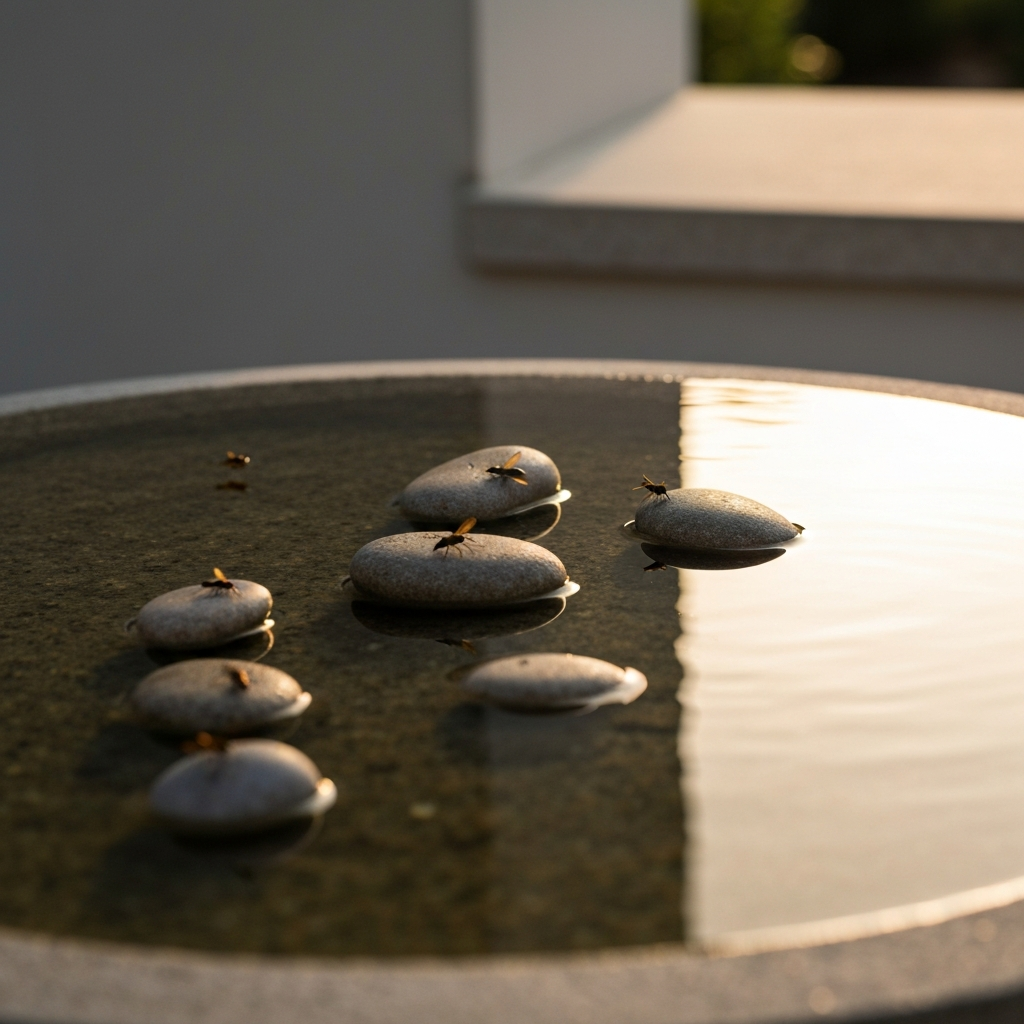
Water is essential for all wildlife. Providing a clean and reliable water source is one of the easiest ways to attract birds, butterflies, and other animals to your yard. A simple birdbath, a small pond, or even a shallow dish of water can make a big difference. Ensure the water source is shallow enough for small creatures to access it safely. Regularly clean your water source to prevent the spread of diseases and algae growth.
Step 3: Plant Native Plants
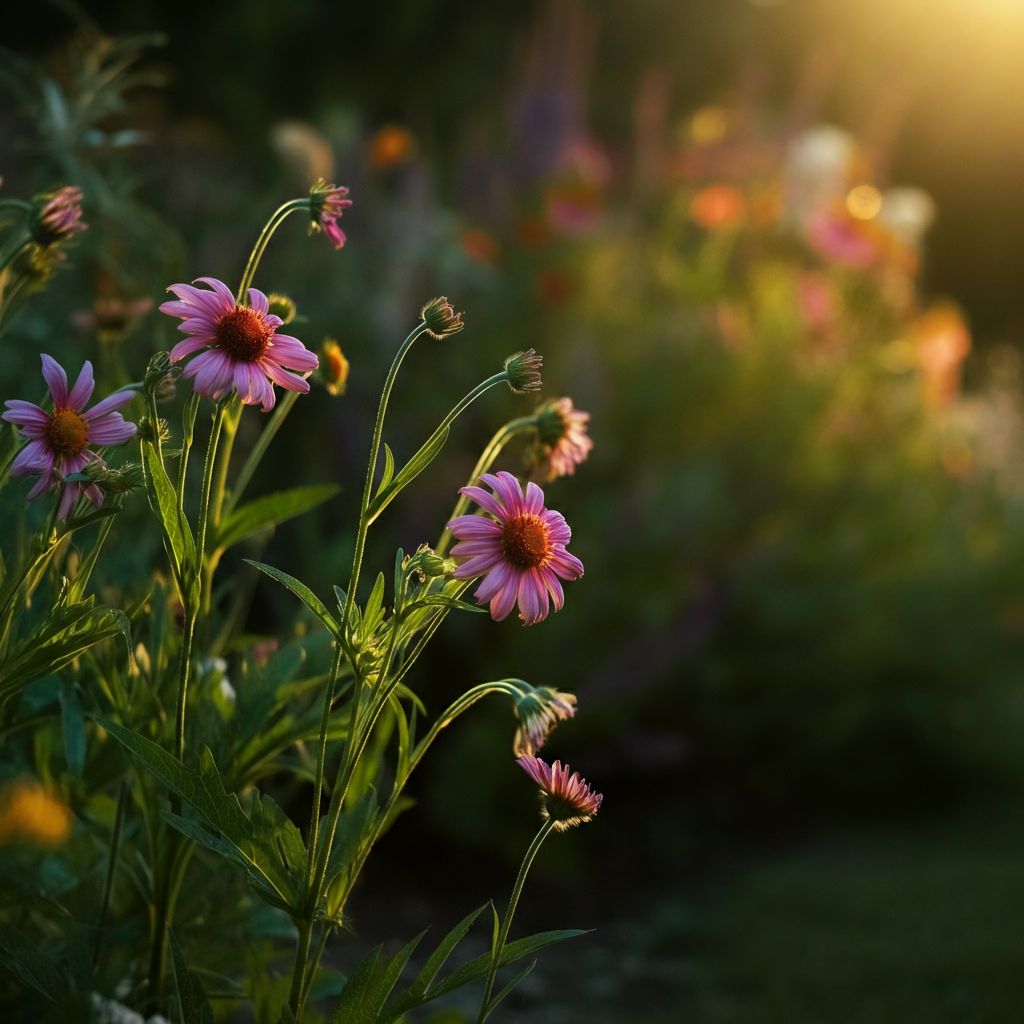
Native plants are crucial for supporting local wildlife because they have evolved together. They provide food and shelter that native animals are specifically adapted to use. Research which plants are native to your region and incorporate them into your landscape design. Native plants are also typically more drought-tolerant and require less maintenance than non-native species. Focus on plants that offer berries, seeds, nectar, or foliage that will benefit wildlife throughout the year.
Step 4: Create Shelter and Nesting Sites
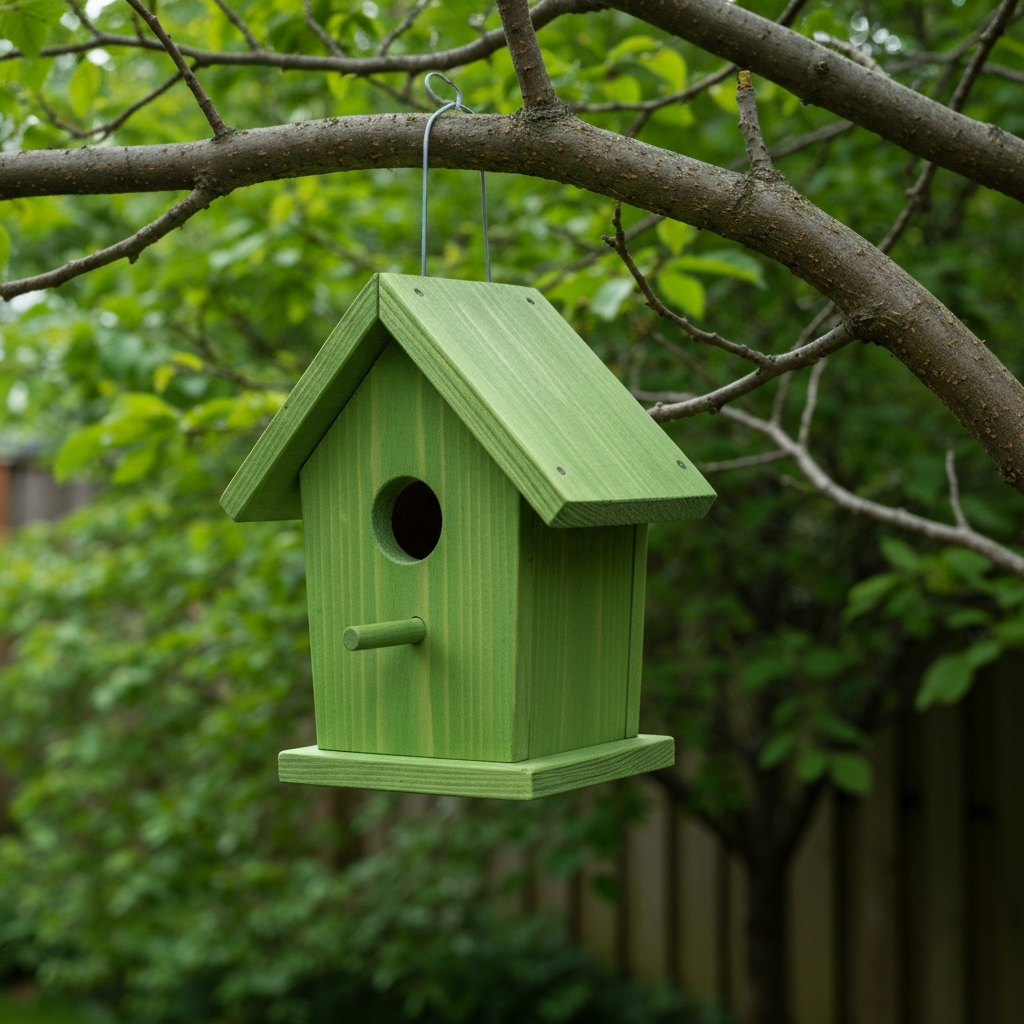
Wildlife needs safe places to hide from predators, escape the elements, and raise their young. Provide shelter by planting dense shrubs, creating brush piles, or leaving some areas of your yard undisturbed. Consider installing birdhouses, bat houses, or insect hotels to provide additional nesting sites. Leave dead or decaying trees and branches whenever possible, as they can provide valuable habitat for insects and birds.
Step 5: Reduce or Eliminate Pesticide Use
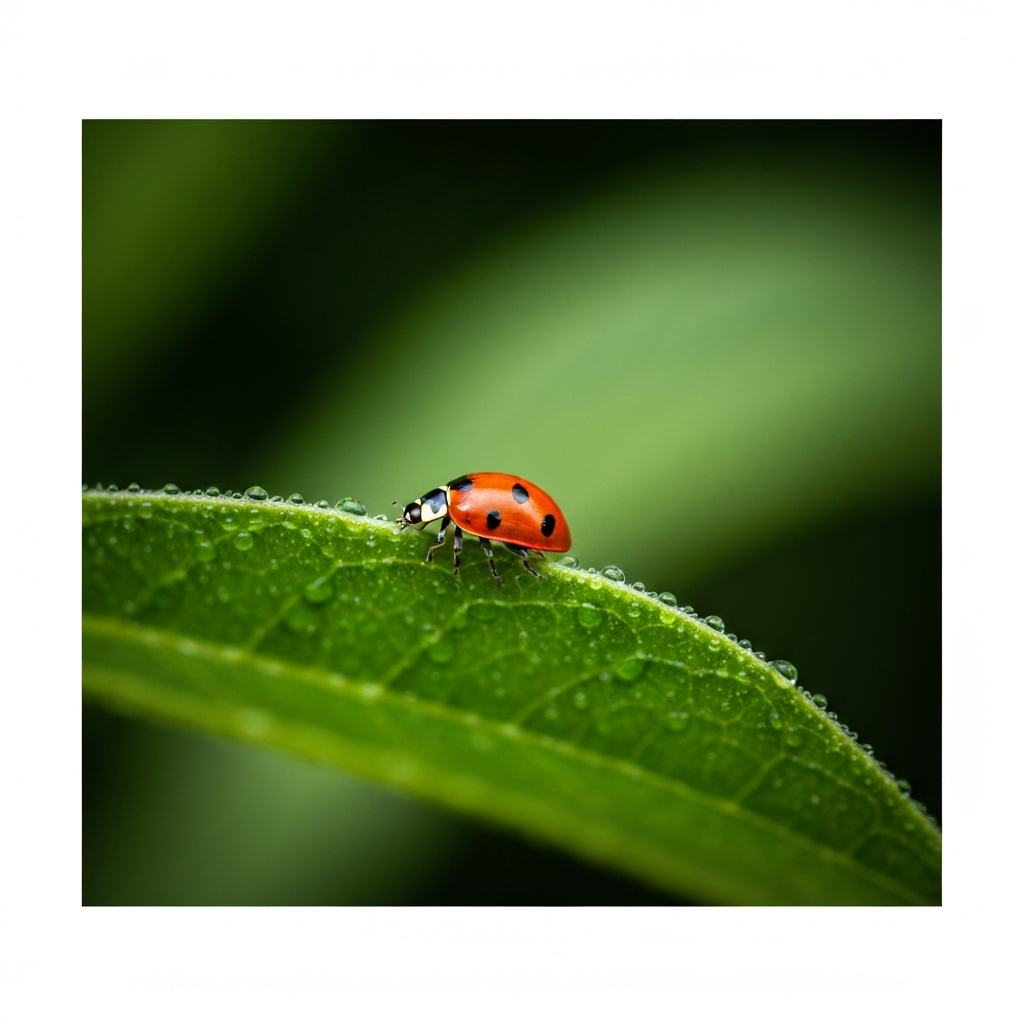
Pesticides can be harmful to wildlife, including beneficial insects like pollinators and predators. Avoid using pesticides in your yard, or choose natural and organic alternatives. Encourage natural pest control by attracting beneficial insects like ladybugs and lacewings. These insects will help keep pest populations in check without harming other wildlife.
Step 6: Provide Supplemental Food (Optional)
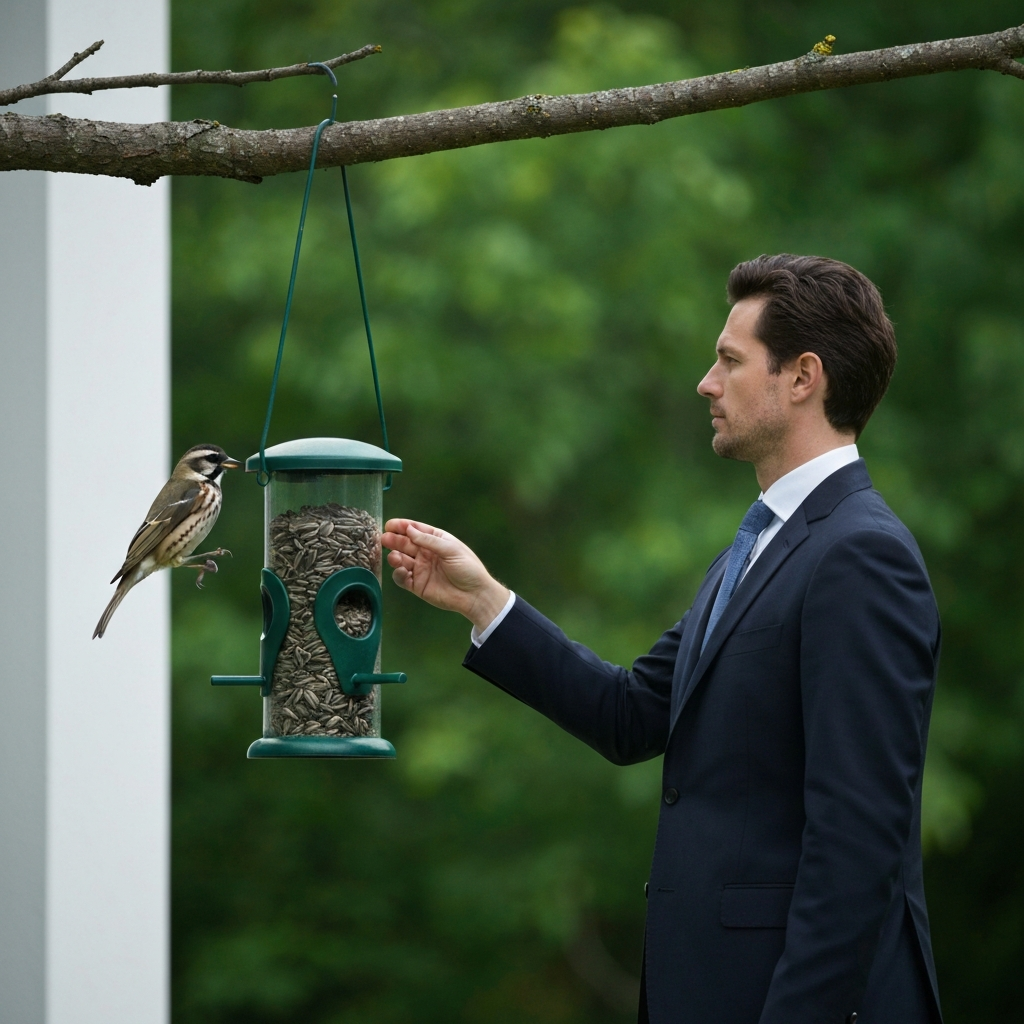
While native plants should provide a primary food source, you can supplement their offerings with bird feeders, suet, or other wildlife-friendly foods. Choose feeders that are designed for specific types of birds and keep them clean to prevent the spread of disease. Avoid feeding bread to birds, as it provides little nutritional value. Be aware that providing supplemental food may also attract unwanted visitors, such as rodents.
Step 7: Manage Leaf Litter Responsibly
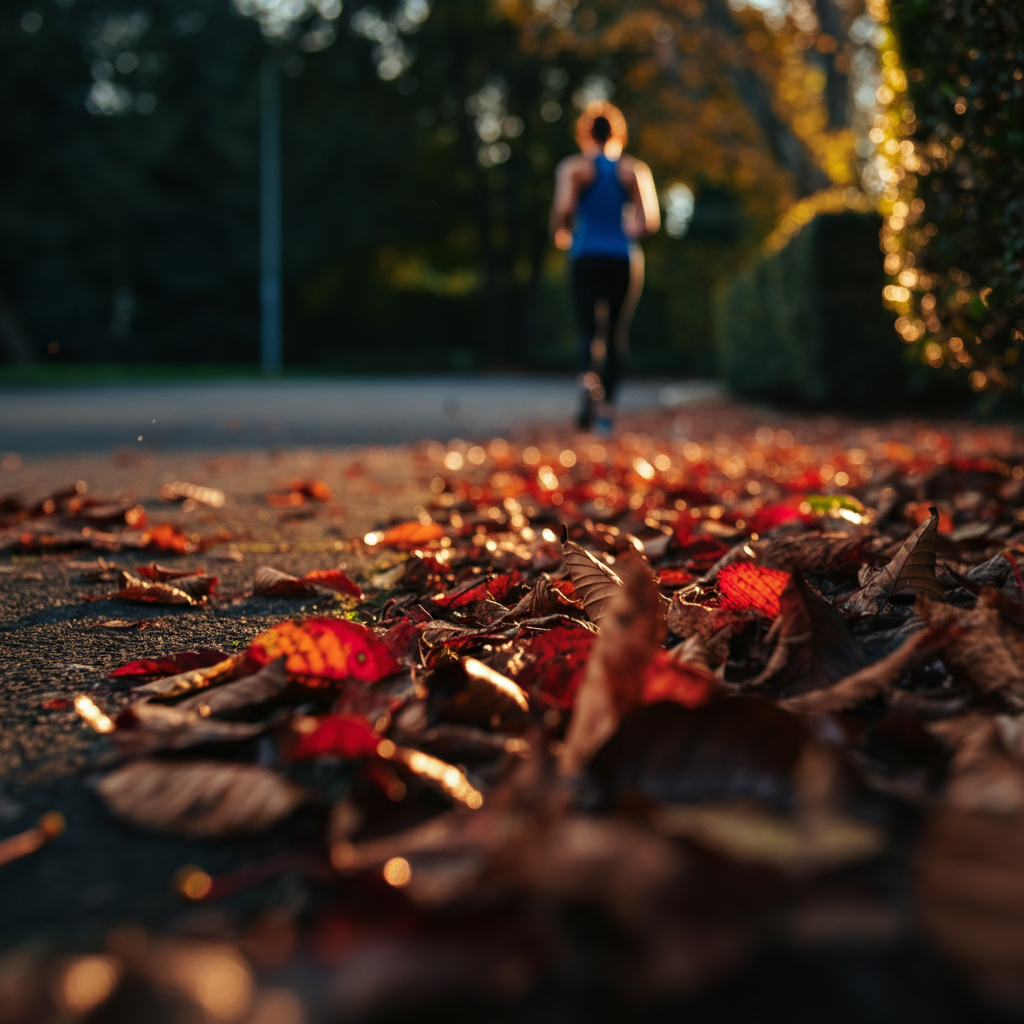
Instead of removing all fallen leaves in the autumn, consider leaving some in your garden beds. Leaf litter provides important overwintering habitat for insects, protects plant roots from freezing temperatures, and enriches the soil as it decomposes. Rake leaves into garden beds or under shrubs rather than piling them on your lawn. This will provide habitat for beneficial insects and other creatures while still maintaining a tidy appearance.
Step 8: Be Patient and Observe
Creating a wildlife oasis takes time. Be patient and observe your yard to see which animals are visiting and how they are using the resources you provide. Adjust your design and management practices as needed to better meet the needs of local wildlife. Keep a journal or take photos to document your progress and track the different species you observe.

Common Mistakes to Avoid
- Using pesticides or herbicides
- Planting invasive species
- Providing water sources that are too deep or difficult to access
- Failing to clean bird feeders and water sources regularly
- Removing all leaf litter and dead wood
Safety Considerations
- Be aware of potential hazards like poison ivy, stinging insects, and sharp objects.
- Wear gloves and protective clothing when gardening.
- Keep children and pets away from potentially dangerous plants or animals.
- Wash your hands thoroughly after working in the garden.
Pro Tips
- Join a local gardening club or conservation group for advice and support.
- Attend workshops or seminars to learn more about wildlife gardening.
- Contact your local extension office for information on native plants and pest control.
FAQ Section
Q: How do I attract butterflies to my garden?
A: Plant nectar-rich flowers like butterfly bush, milkweed, and zinnias. Provide a shallow dish of water with pebbles for butterflies to land on. Avoid using pesticides.
Q: How do I keep squirrels away from my bird feeders?
A: Use squirrel-resistant feeders or baffles. Offer safflower seeds, which squirrels typically don't like. Place feeders in areas where squirrels can't easily reach them.
Q: What should I do if I find an injured wild animal?
A: Contact a local wildlife rehabilitator for assistance. Do not attempt to handle the animal yourself.
Conclusion
Transforming your backyard into a wildlife oasis is a rewarding project that benefits both you and the environment. By providing food, water, shelter, and nesting sites, you can create a haven for birds, butterflies, bees, and other beneficial creatures. Remember to focus on native plants, reduce pesticide use, and be patient as your backyard ecosystem develops. Even small changes can make a big difference in supporting biodiversity and bringing the wonders of nature right to your doorstep. Happy gardening!